
Bleeding gums during flossing is a common concern that affects millions of people. You might notice a pink tint on the floss or even see small spots of blood in the sink. While occasional bleeding can seem harmless, it’s not something to ignore. The real question is: are you causing the bleeding with aggressive flossing, or is it a sign of an underlying condition like gingivitis? Understanding the difference is crucial for maintaining long-term oral health.
The answer isn’t always straightforward. Bleeding can stem from mechanical causes—like using too much force—or from biological ones, such as inflammation due to plaque buildup. This article breaks down the key factors behind bleeding gums, helps you differentiate between technique errors and early gum disease, and provides actionable steps to restore gum health.
Understanding Gum Bleeding: The Basics
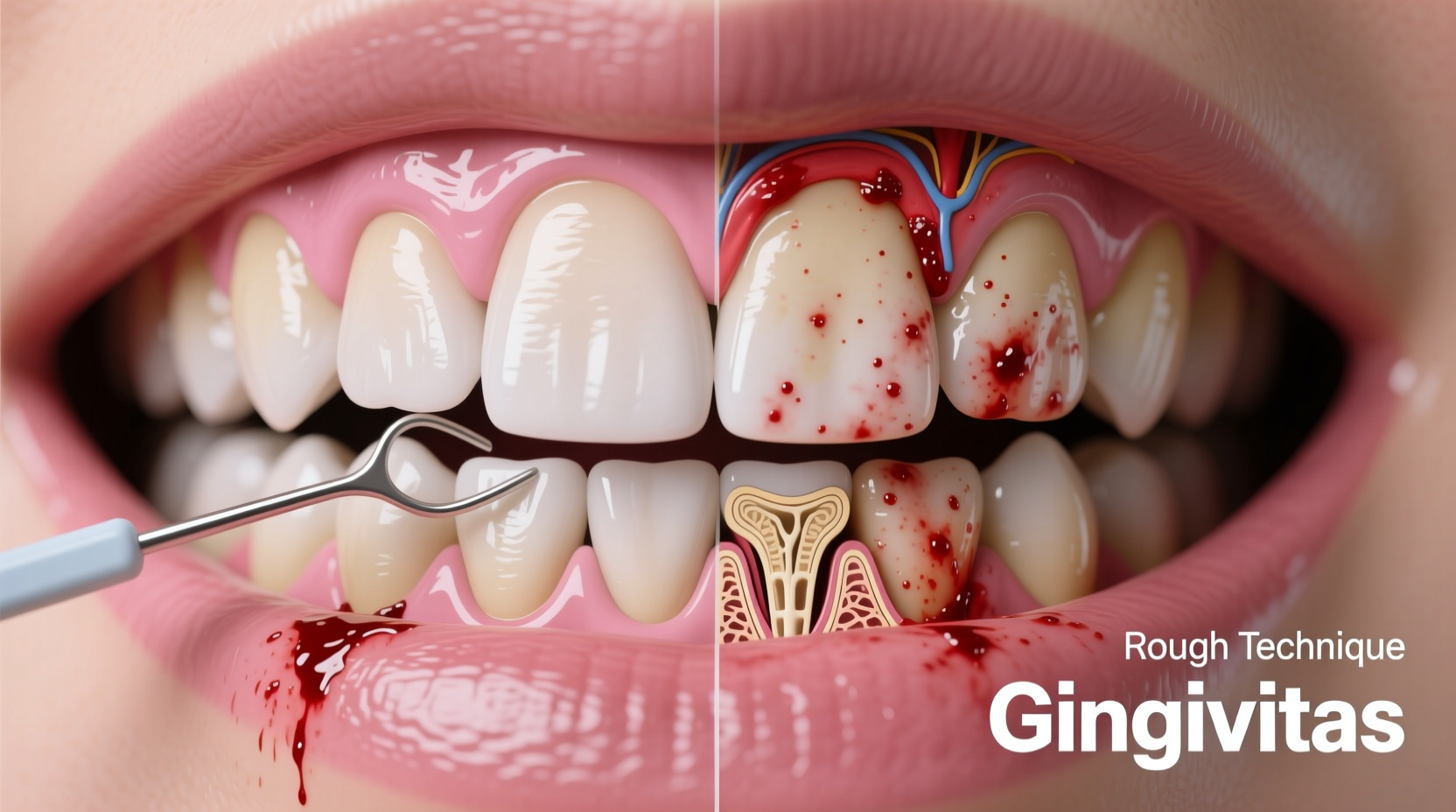
Gums bleed when the tiny blood vessels beneath the surface become irritated or inflamed. The tissue surrounding your teeth—known as the gingiva—is rich in capillaries, making it sensitive to trauma and infection. When flossing disrupts this delicate environment, bleeding can occur.
There are two primary reasons why this happens:
- Physical irritation: Aggressive or improper flossing can scratch or tear gum tissue.
- Inflammation: Bacterial plaque accumulation leads to gum irritation, swelling, and increased fragility of blood vessels.
The distinction matters because one is correctable through habit changes; the other may require professional dental intervention to prevent progression to periodontitis, a more serious form of gum disease.
Gingivitis vs. Flossing Technique: How to Tell the Difference
Determining whether bleeding stems from gingivitis or rough flossing requires attention to patterns, symptoms, and consistency.
Signs of Gingivitis
Gingivitis is the earliest stage of gum disease, caused by plaque—a sticky film of bacteria—that accumulates along the gumline. When not removed regularly, plaque hardens into tartar, which irritates the gums and triggers inflammation.
Symptoms include:
- Persistent bleeding during brushing or flossing
- Red, swollen, or tender gums
- Bad breath that doesn’t go away
- Gums that appear puffy or recede slightly
If left untreated, gingivitis can advance to periodontitis, where the infection spreads below the gumline, damaging bone and connective tissue.
Signs of Poor Flossing Technique
Flossing too hard, using a sawing motion, or snapping the floss between teeth can injure gum tissue. Unlike gingivitis-related bleeding, this type tends to be localized and improves quickly once technique is corrected.
Indicators of mechanical trauma include:
- Bleeding at only one or two specific spots
- Pain or stinging during flossing
- No redness or swelling outside the immediate area
- Rapid improvement after adjusting flossing habits
“Bleeding gums are never normal, even if it happens ‘just at first.’ It’s the body’s way of signaling that something is off—whether it’s hygiene, technique, or early disease.” — Dr. Linda Chen, Periodontist and Oral Health Educator
Common Flossing Mistakes That Cause Bleeding
Even with good intentions, many people floss incorrectly. These mistakes are surprisingly easy to make but can lead directly to gum trauma.
| Mistake | Why It Causes Bleeding | How to Fix It |
|---|---|---|
| Snapping floss between teeth | Can lacerate the gum papilla (the triangular tissue between teeth) | Guide floss gently downward using a zigzag motion |
| Flossing too aggressively | Scratches or abrades delicate gum margins | Use light pressure and let the floss do the work |
| Reusing the same floss section | Spreads bacteria and debris instead of removing it | Use a fresh 12–18 inch strand, winding used sections around each finger |
| Skipping the gumline | Leaves plaque trapped under the edge of the gums | Curve floss into a C-shape around each tooth and slide slightly beneath the gumline |
| Using old or frayed floss | Ragged edges can cut soft tissue | Replace floss regularly and consider waxed or PTFE types for tight spaces |
Step-by-Step Guide to Proper Flossing
Correct flossing removes plaque without harming tissue. Follow this sequence for safe, effective cleaning:
- Cut 12–18 inches of floss and wind most of it around your middle fingers, leaving 1–2 inches taut between thumbs and index fingers.
- Guide the floss gently between two teeth using a back-and-forth zigzag motion—never snap it.
- Curve the floss into a C-shape against one tooth, pressing softly into the space between the gum and tooth.
- Slide the floss up and down, covering the entire surface of the tooth near the gumline, including underneath where plaque hides.
- Repeat for the adjacent tooth before moving to the next gap.
- Use a clean section of floss for each interdental space to avoid re-depositing bacteria.
- Rinse with water or mouthwash afterward to flush out dislodged debris.
Do this once daily—preferably at night—to disrupt bacterial colonies before they calcify into tartar.
When Bleeding Indicates Gingivitis: What Happens Next?
If bleeding persists beyond a week of proper flossing, especially with redness or puffiness, gingivitis is likely present. This condition is reversible with consistent care, but it won’t resolve on its own.
Plaque contains millions of bacteria that feed on sugars in your diet. As they multiply, they secrete acids and toxins that irritate the gums. Over time, the immune system responds with chronic inflammation, weakening the seal between the gums and teeth.
Without intervention, pockets can form where bacteria thrive unchecked. This sets the stage for periodontitis, which has been linked to systemic issues like heart disease, diabetes complications, and adverse pregnancy outcomes.
The good news? Gingivitis typically resolves within 10–14 days of improved oral hygiene. However, if tartar has already formed, only a dental professional can remove it through scaling.
Mini Case Study: Sarah’s Experience
Sarah, a 34-year-old teacher, noticed her gums bled every time she flossed. She assumed she was being too rough, so she stopped flossing altogether. Six months later, her dentist diagnosed mild gingivitis with early pocket formation. After a professional cleaning and a strict routine of gentle flossing and antimicrobial mouthwash, her gums stopped bleeding within two weeks. By her follow-up appointment, inflammation had visibly reduced, and probing depths were back to healthy levels.
Sarah’s story highlights how easily gingivitis can develop unnoticed—and how quickly it can improve with the right actions.
Checklist: Is Your Bleeding Gums Issue Improving?
Track your progress over two weeks using this checklist:
- ✅ Floss gently every day using proper technique
- ✅ Brush twice daily with a soft-bristled toothbrush
- ✅ Use fluoride toothpaste and consider an alcohol-free antibacterial mouthwash
- ✅ Avoid sugary snacks and drinks that fuel plaque growth
- ✅ Check for visible improvements: less redness, firmer gums, no bleeding after Day 10
- ✅ Schedule a dental visit if bleeding continues past 14 days
If all boxes are checked and bleeding persists, schedule a dental exam. You may need a professional cleaning or further evaluation.
FAQ
Is it normal for gums to bleed the first time I floss?
It’s common—but not normal. If you haven’t flossed in a while, plaque buildup can cause temporary inflammation. Bleeding should stop within a few days of consistent flossing. If it doesn’t, it’s a sign of ongoing gingivitis.
Can hormonal changes cause bleeding gums?
Yes. Fluctuations during pregnancy, menstruation, or menopause can increase gum sensitivity and inflammation. This is known as \"hormonal gingivitis.\" Extra care with oral hygiene is essential during these periods.
Should I stop flossing if my gums bleed?
No. Stopping removes the very action needed to clear plaque and reverse inflammation. Instead, improve your technique and continue daily. Bleeding usually decreases within a week or two of consistent, gentle flossing.
Conclusion: Take Action Before It Gets Worse
Bleeding gums when flossing aren’t something to brush aside—literally or figuratively. Whether the cause is rough technique or early gingivitis, the solution lies in awareness, consistency, and timely action. Perfecting your flossing method takes minutes a day but pays lifelong dividends in oral and overall health.
Don’t wait for pain or loose teeth to act. Most gum disease is silent in its early stages. By paying attention to subtle signs like bleeding, you gain the upper hand. Start tonight: grab a fresh piece of floss, use the correct motion, and commit to a full two-week trial of gentle, thorough cleaning.




 浙公网安备
33010002000092号
浙公网安备
33010002000092号 浙B2-20120091-4
Comments
No comments yet. Why don't you start the discussion?