
Winter brings cold winds, low humidity, and indoor heating—all of which strip moisture from the skin. Even if you wear gloves religiously, you might still wake up to cracked, bleeding fingertips or painfully dry palms. This paradox is more common than you think. The truth is, not all gloves protect equally, and some habits may be worsening the damage without you realizing it. Understanding the root causes of winter hand cracking—and how to respond quickly—is essential for lasting relief and skin recovery.
The Science Behind Winter Hand Cracking
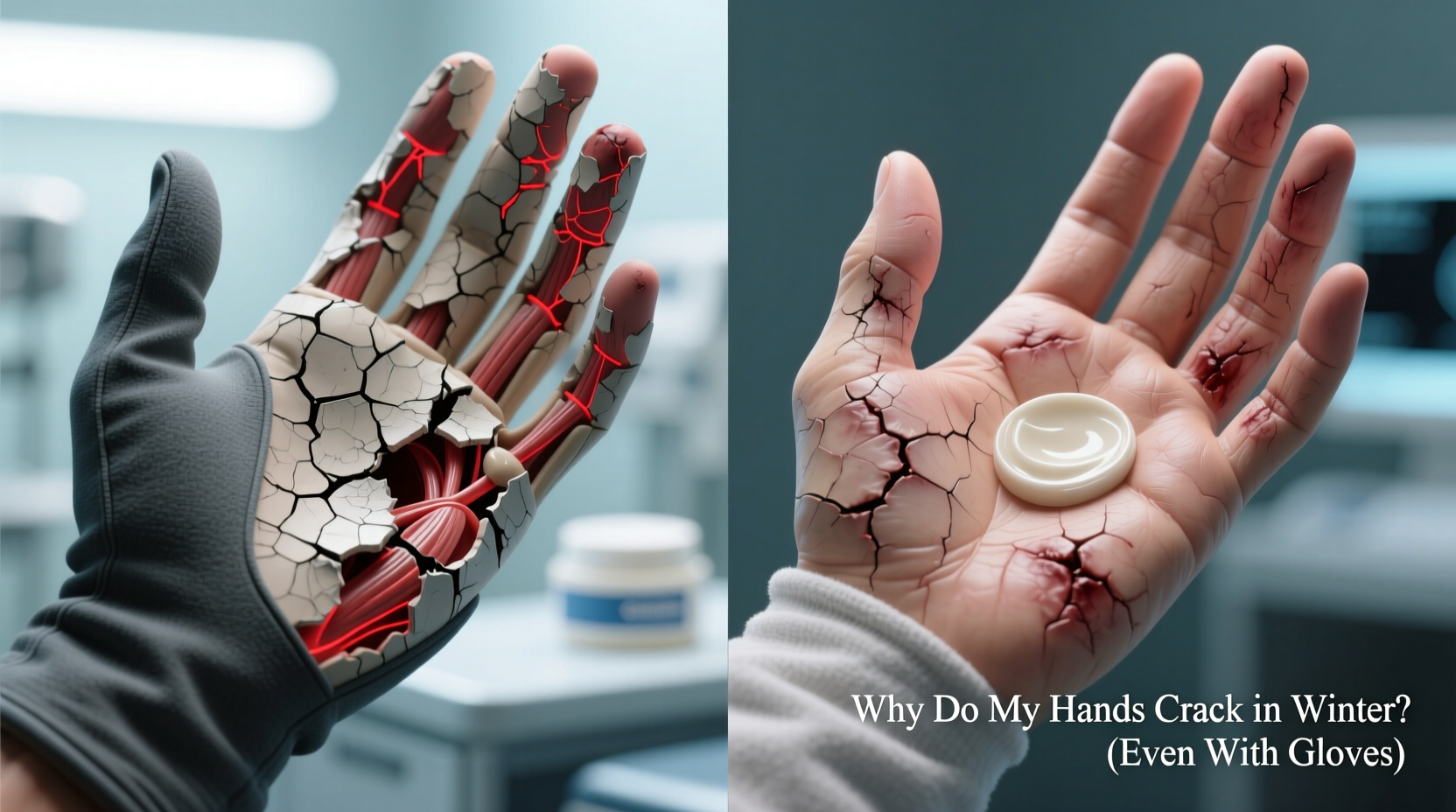
Skin on the hands is uniquely vulnerable. Unlike other parts of the body, the palms and fingers have fewer oil glands, making natural moisturization limited. In winter, environmental stressors compound this weakness. Cold air holds less moisture, and heated indoor spaces further dehydrate the skin. When skin loses water faster than it can be replenished, it becomes dry, tight, and eventually cracks—especially at pressure points like knuckles and fingertips.
Cracks occur when the outer layer of skin (the stratum corneum) loses elasticity due to dehydration. Once micro-tears form, they deepen into fissures that expose nerve endings and underlying tissue. These fissures are not only painful but also increase the risk of infection.
“Even with glove use, hands remain one of the most exposed and overused parts of the body in winter. Without proper occlusion and hydration, the skin barrier breaks down rapidly.” — Dr. Lena Torres, Dermatologist and Skin Barrier Specialist
Why Gloves Aren’t Always Enough
Wearing gloves seems like a foolproof defense, but several factors limit their effectiveness:
- Poor material choice: Cotton gloves absorb moisture instead of blocking it, worsening dryness.
- Inconsistent use: Taking gloves off frequently—for keys, phones, or touchscreens—exposes skin repeatedly.
- Sweat buildup: Non-breathable synthetic gloves trap sweat, which evaporates and dries the skin further.
- Ill-fitting gloves: Tight gloves create friction; loose ones let cold air seep in.
- Lack of inner protection: Gloves don’t replace moisturizers—they should complement them.
Gloves act as a physical barrier, but they don’t hydrate. If your skin is already compromised, gloves alone won’t reverse damage. They must be paired with proactive skincare to be truly effective.
Fast-Acting Healing Strategies for Cracked Hands
Healing cracked hands requires more than just slathering on lotion. You need a multi-step approach that repairs the skin barrier, locks in moisture, and prevents re-injury. Here’s how to accelerate recovery in as little as 3–5 days with consistent care.
Step-by-Step Healing Routine (Night & Day)
- Wash gently: Use lukewarm water and a sulfate-free, fragrance-free cleanser. Avoid hot water, which strips natural oils.
- Exfoliate lightly: Once daily, use a soft washcloth or gentle scrub to remove dead skin that blocks moisturizer absorption.
- Apply active repair cream: Look for ingredients like ceramides, glycerin, shea butter, and hyaluronic acid immediately after washing.
- Occlude overnight: Before bed, apply a thick ointment (like petroleum jelly or Aquaphor) and wear cotton gloves to lock in moisture.
- Reapply during the day: Use a protective hand balm every 2–3 hours, especially after handwashing.
This routine works because occlusion—sealing moisture in with an impermeable layer—dramatically increases skin repair speed. Studies show that petroleum jelly applied under cotton gloves improves healing by up to 70% compared to daytime-only moisturizing.
Do’s and Don’ts: What to Use and What to Avoid
| Do’s | Don’ts |
|---|---|
| Use fragrance-free, hypoallergenic moisturizers | Use alcohol-based hand sanitizers excessively |
| Wear gloves when doing dishes or cleaning | Soak hands in hot water for long periods |
| Apply moisturizer within 30 seconds of washing | Peel or pick at flaking skin |
| Use ointments (not lotions) for deep cracks | Use scented soaps or antibacterial wipes |
| Keep indoor humidity above 40% | Go outside with wet hands in cold weather |
One overlooked mistake is relying on hand sanitizers during winter. While convenient, most contain high concentrations of alcohol, which disrupts the skin’s lipid barrier and accelerates cracking. If soap and water aren’t available, choose an alcohol-free sanitizer with added glycerin.
Real-Life Case: How Sarah Healed Her Hands in 4 Days
Sarah, a schoolteacher from Vermont, wore gloves daily but still developed deep cracks at her thumb base every winter. “I thought I was doing everything right,” she said. “But I used regular hand soap, washed constantly between classes, and only used a light lotion.”
After consulting a dermatology nurse, she changed her routine:
- Switched to a syndet (synthetic detergent) cleanser
- Began applying CeraVe Healing Ointment after each handwash
- Started wearing cotton gloves at night with Vaseline
- Used dish gloves even for brief kitchen tasks
Within four days, pain decreased significantly. By day six, the fissures had closed. “I didn’t realize how much my ‘normal’ habits were sabotaging my skin,” she said. “Now I prep my hands like I prep my face.”
Best Ingredients for Repairing Cracked Skin
Not all moisturizers are created equal. For healing, prioritize products with proven barrier-repairing components:
- Petroleum jelly: The gold standard for occlusion. Seals in moisture without clogging pores.
- Ceramides: Rebuild the skin’s natural lipid barrier, preventing future water loss.
- Glycerin: A humectant that draws water into the skin from deeper layers and the air.
- Shea butter: Rich in fatty acids, it soothes inflammation and supports regeneration.
- Urea (5–10%): Gently exfoliates dead skin while enhancing hydration. Ideal for thickened, calloused areas.
- Dimethicone: A silicone-based agent that forms a breathable protective shield.
Avoid products with fragrances, essential oils, or alcohol, even if labeled “natural.” These can irritate compromised skin and delay healing.
Preventive Checklist for Winter Hand Health
To avoid recurring cracks, follow this actionable checklist every winter season:
- ✅ Switch to a gentle, non-foaming hand cleanser
- ✅ Apply moisturizer immediately after every handwash
- ✅ Use ointment at night with cotton glove occlusion
- ✅ Wear waterproof gloves for wet chores (dishes, snow)
- ✅ Layer gloves: cotton liner + insulated outer pair
- ✅ Limit hand sanitizer use; opt for moisturizing formulas
- ✅ Run a humidifier in your bedroom at night
- ✅ Trim nails short to prevent snagging and reopening cracks
- ✅ Drink enough water to support internal hydration
- ✅ See a dermatologist if cracks persist beyond two weeks
Consistency matters more than intensity. Performing these steps daily—even when your hands feel fine—prevents the cycle of damage and repair.
Frequently Asked Questions
Can cracked hands become infected?
Yes. Deep fissures can harbor bacteria, leading to redness, swelling, pus, or increased pain. If you notice signs of infection, clean the area with mild soap and water, apply an over-the-counter antibiotic ointment, and cover with a bandage. Seek medical advice if symptoms worsen or don’t improve in 2–3 days.
Is it safe to use hydrocortisone cream on cracked hands?
Low-dose (1%) hydrocortisone can reduce inflammation and itching in severely irritated skin, but it should only be used for short periods (up to 7 days). Prolonged use thins the skin and weakens the barrier. Always follow with a rich moisturizer and discontinue if irritation increases.
Why do my fingertips crack more than other areas?
Fingertips have a high concentration of nerve endings and are constantly in motion. They’re also frequently exposed when gloves are removed. Additionally, frequent contact with paper, screens, and cold metal surfaces increases mechanical stress, making them prone to splitting.
Conclusion: Take Control of Your Winter Hand Care
Cracked hands in winter aren’t inevitable, even if you wear gloves. The real solution lies in understanding that protection and repair must work together. Gloves are just one layer of defense. True healing comes from consistent hydration, smart product choices, and preventive habits that support your skin’s natural resilience.
Start tonight: slather on a thick ointment, pull on cotton gloves, and let your skin recover while you sleep. Repeat daily, adjust your routines, and watch your hands transform from raw and painful to smooth and strong. Healthy winter hands aren’t about luck—they’re about strategy.




 浙公网安备
33010002000092号
浙公网安备
33010002000092号 浙B2-20120091-4
Comments
No comments yet. Why don't you start the discussion?