
Many people report a familiar pattern: as clouds gather and the barometer dips, their knees stiffen, their fingers throb, or their hips begin to ache. This isn’t just folklore—millions experience joint pain in advance of rainy weather. While not everyone is affected, those with arthritis or prior joint injuries often feel it most acutely. The phenomenon has been observed for decades, yet the exact mechanisms remain a blend of meteorology, physiology, and individual sensitivity. Understanding why this happens—and more importantly, what you can do about it—is essential for maintaining mobility and comfort regardless of the forecast.
The Science Behind Weather-Related Joint Pain
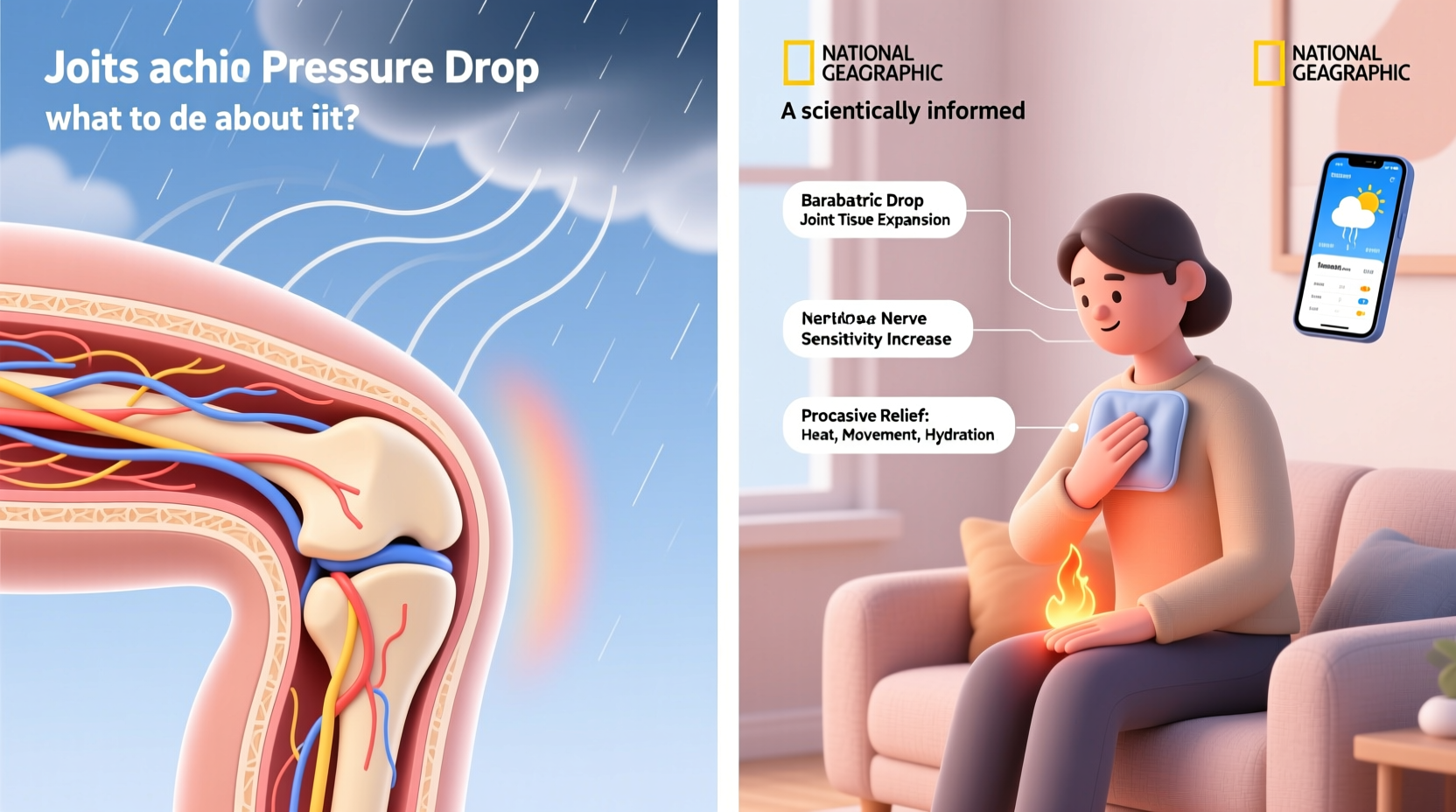
Joint pain before rain is commonly attributed to changes in atmospheric pressure, humidity, and temperature. When a storm system approaches, barometric pressure—the weight of the air pressing down on the body—drops. This shift can cause tissues around joints to expand slightly. In healthy individuals, this expansion goes unnoticed. But in people with arthritis or damaged cartilage, the swelling may press on nerves or inflame already-sensitive joint linings, resulting in pain.
Dr. Rebecca Langston, a rheumatologist at the National Institute of Arthritis and Musculoskeletal Diseases, explains:
“Weather doesn’t cause arthritis, but it can certainly influence how it feels. Lower barometric pressure allows tendons, muscles, and scar tissue to expand, which can trigger pain signals in compromised joints.” — Dr. Rebecca Langston, MD
Humidity also plays a role. High moisture levels in the air can increase stiffness in joints, especially in cooler temperatures. Meanwhile, sudden drops in temperature may cause synovial fluid—the lubricant inside joints—to thicken, reducing flexibility and increasing friction during movement.
Who Is Most Affected?
While anyone can experience weather-related joint discomfort, certain groups are more vulnerable:
- People with osteoarthritis: Cartilage breakdown exposes bone ends, making them sensitive to pressure changes.
- Rheumatoid arthritis patients: Chronic inflammation amplifies nerve sensitivity during weather shifts.
- Individuals with old joint injuries: Scar tissue and misalignments respond strongly to atmospheric changes.
- Older adults: Age-related joint degeneration increases susceptibility.
A 2023 study published in Pain Medicine followed over 2,000 arthritis patients for 18 months. Researchers found that 67% reported increased pain within 24 hours of a significant drop in barometric pressure. Interestingly, wind speed and precipitation had less impact than pressure and temperature fluctuations.
Practical Strategies to Reduce Joint Discomfort Before Rain
You can't control the weather, but you can control how your body responds to it. Implementing consistent, proactive habits significantly reduces pre-rain joint pain and improves overall joint resilience.
1. Stay Warm and Dry
Cold, damp conditions exacerbate stiffness. Dress in layers, use heated blankets, and keep indoor humidity between 40–50%. Consider wearing thermal sleeves or braces on vulnerable joints like knees or wrists when bad weather looms.
2. Maintain Regular Movement
Contrary to instinct, resting more during painful periods can worsen symptoms. Gentle motion keeps synovial fluid circulating and prevents stiffness. Daily low-impact activities such as walking, swimming, or tai chi help maintain joint lubrication and muscle support.
3. Optimize Your Indoor Environment
Use a dehumidifier in damp climates and a space heater in colder rooms. Avoid sitting near drafty windows or air vents. Even small environmental tweaks can make a measurable difference in joint comfort.
“Patients who manage their home climate report fewer flare-ups—even during storm season.” — Dr. Alan Zhou, Physical Medicine Specialist
Action Plan: What to Do When Rain Is Forecasted
Instead of waiting for pain to arrive, treat incoming weather like a predictable trigger. Use this step-by-step guide to prepare your body and environment.
- Check the forecast 2–3 days ahead: Note expected drops in pressure or temperature.
- Increase gentle activity: Take extra walks or do range-of-motion exercises.
- Apply heat preemptively: Use heating pads or warm baths to relax muscles and improve circulation.
- Adjust medication if prescribed: Some patients benefit from timing NSAIDs before storms; consult your doctor.
- Hydrate well: Proper hydration supports joint lubrication and reduces inflammation.
- Wear supportive clothing: Compression garments or neoprene braces stabilize joints under stress.
Diet and Supplements That Support Joint Health
Nutrition plays a long-term role in managing joint sensitivity. Certain foods reduce systemic inflammation, while others may worsen it.
| Food/Supplement | Benefit | Recommended Intake |
|---|---|---|
| Fatty fish (salmon, mackerel) | High in omega-3 fatty acids, which reduce joint inflammation | 2–3 servings per week |
| Turmeric (curcumin) | Natural anti-inflammatory compound | 500–1000 mg daily (with black pepper for absorption) |
| Vitamin D | Supports bone and cartilage health; deficiency linked to increased pain | 600–800 IU/day; higher if deficient (test first) |
| Green tea | Contains polyphenols that inhibit inflammatory enzymes | 2–3 cups daily |
| Sugary and processed foods | Pro-inflammatory; may worsen joint pain | Limit or avoid |
Collagen supplements have gained popularity for joint support. A 2022 clinical trial showed that participants taking 10 grams of hydrolyzed collagen daily for 12 weeks reported improved knee function and reduced stiffness. While results vary, many find value in combining collagen with vitamin C, which aids collagen synthesis in the body.
Real-Life Example: Managing Knee Pain During Storm Season
Maria, a 58-year-old teacher from Portland, Oregon, has dealt with osteoarthritis in both knees for nearly a decade. Living in a region known for prolonged rainy seasons, she noticed her pain spiked before every major storm—often two days in advance. After tracking her symptoms and local weather for three months, she confirmed a strong correlation between falling barometric pressure and increased knee stiffness.
She consulted her physical therapist and developed a pre-storm routine: light cycling for 20 minutes, applying a heated wrap, drinking ginger tea, and taking her prescribed glucosamine supplement consistently. She also began using a smart weather app that sent alerts when pressure dropped below a certain threshold.
Within two months, Maria reported a 40% reduction in pre-rain pain intensity. “I used to dread winter,” she said. “Now I see the forecast and think, ‘I’ve got this.’”
Do’s and Don’ts for Weather-Sensitive Joints
| Do | Don’t |
|---|---|
| Stay active even when sore | Remain sedentary for long periods |
| Use heat therapy before cold, rainy days | Apply ice unless there’s acute swelling |
| Wear supportive footwear indoors and out | Walk barefoot on hard surfaces |
| Monitor symptoms and weather patterns | Ignore early warning signs of flare-ups |
| Keep joints covered and warm | Dress lightly in damp conditions |
When to See a Doctor
Occasional joint sensitivity to weather is common and usually manageable. However, persistent or worsening pain warrants medical evaluation. Seek professional advice if you experience:
- Swelling, redness, or warmth around a joint
- Joint locking or instability
- Pain that disrupts sleep or daily activities
- Symptoms spreading to new areas
Your doctor may recommend imaging tests, blood work, or adjustments to medication. Conditions like rheumatoid arthritis, gout, or spinal stenosis can mimic weather-related pain but require specific treatments.
Frequently Asked Questions
Can joint pain really predict rain?
Yes, for many people. While not a scientific instrument, the human body—especially injured or arthritic joints—can be highly sensitive to atmospheric changes. Drops in barometric pressure often precede storms by hours or days, giving the sensation of \"predicting\" rain.
Why don’t all people feel joint pain before rain?
Sensitivity varies widely. Factors include joint health, nerve sensitivity, pain threshold, and psychological awareness. People without joint damage or inflammation typically don’t notice these shifts.
Are there devices that help track weather-related pain?
Yes. Wearable fitness trackers with barometric sensors, combined with symptom-tracking apps like ArthritisPower or MyTherapy, allow users to log pain and correlate it with real-time weather data. These tools help identify patterns and optimize treatment timing.
Take Control of Your Joint Health—Rain or Shine
Joint pain before rain isn’t imaginary—it’s a real physiological response rooted in pressure, temperature, and humidity changes. While you can’t stop the clouds from gathering, you can build resilience through movement, nutrition, and environmental awareness. By understanding your body’s signals and responding proactively, you reduce reliance on reactive pain relief and reclaim control over your daily comfort.
Start today: check tomorrow’s forecast, do a five-minute stretch routine, and take one step toward better joint management. Small, consistent actions compound into lasting relief.




 浙公网安备
33010002000092号
浙公网安备
33010002000092号 浙B2-20120091-4
Comments
No comments yet. Why don't you start the discussion?