
Many people with arthritis or joint sensitivities report increased pain when the temperature drops. It’s not just a myth—cold weather can genuinely influence how your joints feel. From subtle atmospheric shifts to physical changes in tissues, multiple factors contribute to this phenomenon. Understanding the science behind it is the first step toward managing symptoms effectively. Whether you're dealing with osteoarthritis, rheumatoid arthritis, or general joint stiffness, practical solutions exist to help you stay comfortable through the colder months.
The Science Behind Cold Weather and Joint Pain
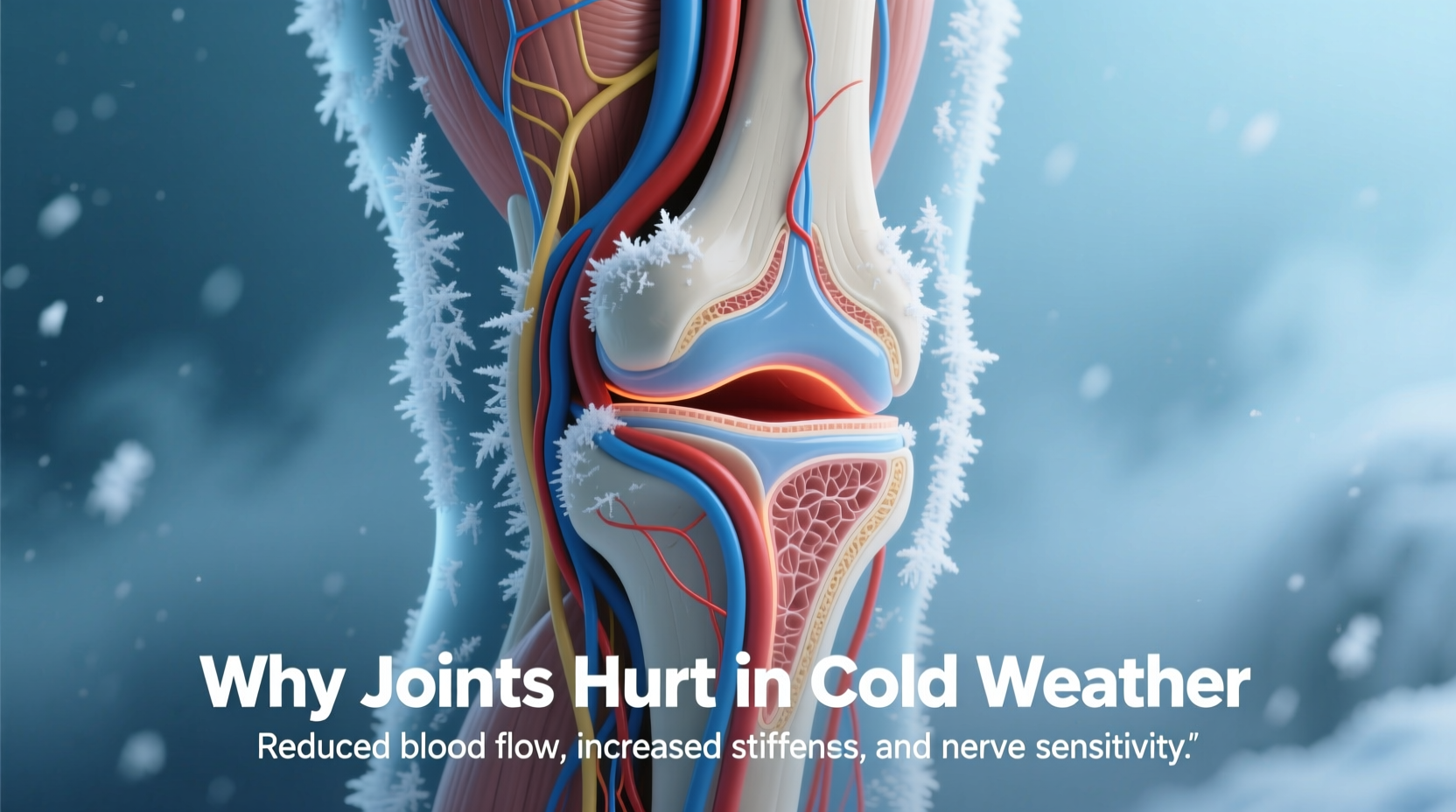
Joint pain during cold weather isn't simply psychological or anecdotal—it's supported by both patient reports and clinical observation. While research hasn’t pinpointed a single definitive cause, several physiological mechanisms explain why joints may hurt more when temperatures fall.
One widely accepted theory involves barometric pressure. As cold fronts move in, atmospheric pressure often drops. This change can cause soft tissues around joints—including tendons, muscles, and scar tissue—to expand slightly. In already inflamed or damaged joints, this expansion increases pressure on nerves, leading to heightened pain signals.
Another factor is reduced physical activity. In colder climates, people naturally move less due to shorter days, icy sidewalks, and reluctance to go outside. Less movement means stiffer joints and weaker supporting muscles, which can amplify discomfort. Synovial fluid—the lubricant inside joints—also becomes thicker in lower temperatures, reducing its effectiveness and making motion feel more rigid.
Cold air itself can affect nerve sensitivity. When skin and surface tissues cool down, blood vessels constrict to preserve core body heat. This vasoconstriction reduces circulation to extremities like hands and feet, where joint pain is often most noticeable. Poor blood flow delays healing and heightens pain perception.
“Patients consistently report flare-ups with dropping temperatures. While we can’t control the weather, we can modulate our response to it.” — Dr. Alan Prescott, Rheumatologist at Boston Arthritis Center
Who Is Most Affected?
Not everyone experiences weather-related joint pain equally. Those most vulnerable include:
- Individuals diagnosed with osteoarthritis (OA), especially in weight-bearing joints like knees and hips.
- People with inflammatory types of arthritis such as rheumatoid arthritis (RA) or psoriatic arthritis.
- Those recovering from joint injuries or surgeries, where scar tissue may react to pressure changes.
- Older adults, whose natural cartilage degeneration makes joints more sensitive to environmental shifts.
A 2021 study published in *The Journal of Rheumatology* found that among over 800 participants with chronic joint conditions, nearly 67% reported worsened symptoms during periods of low temperature and high humidity. Interestingly, some patients could predict weather changes based solely on their pain levels—a real-life example of the body acting as a biological barometer.
Mini Case Study: Maria’s Winter Routine Adjustment
Maria, a 58-year-old school administrator from Vermont, has dealt with knee osteoarthritis for nearly a decade. Each winter, she noticed her morning stiffness intensified, sometimes lasting hours. Simple tasks like climbing stairs or standing up from her desk became painful.
After consulting her rheumatologist, she began tracking weather patterns alongside her symptom diary. She discovered a clear correlation: joint pain flared within 24 hours of a cold front arrival, even if it hadn’t yet snowed. With this insight, she proactively adjusted her routine—starting gentle indoor exercises earlier in the day, wearing heated knee sleeves, and using a humidifier at night. Within two months, her average pain score dropped from 7/10 to 4/10.
Effective Strategies to Reduce Cold-Weather Joint Discomfort
While you can't change the weather, you can take meaningful steps to minimize its impact on your joints. The following approaches combine medical advice, physical therapy principles, and lifestyle adjustments to offer comprehensive relief.
Stay Warm and Layer Up
Maintaining body heat is crucial. Exposed joints lose warmth quickly, increasing stiffness. Focus on insulating key areas:
- Wear thermal base layers made from moisture-wicking materials.
- Use gloves, scarves, and wool socks to protect hands and feet.
- Consider electrically heated garments designed for joint support (e.g., heated knee or back wraps).
Don’t underestimate indoor warmth either. Keep your home between 68°F and 72°F (20–22°C). Use draft stoppers under doors and insulate windows to maintain consistent temperatures.
Stay Active—Even Indoors
Movement is medicine for stiff joints. Low-impact activities improve circulation, nourish cartilage, and reduce inflammation. Recommended exercises include:
- Indoor walking – Use a treadmill or walk laps around a mall or community center.
- Swimming or water aerobics – Ideal for reducing joint load while improving flexibility.
- Yoga or tai chi – Enhances balance, strength, and mental well-being.
- Resistance band training – Builds muscle support around joints without high impact.
Aim for at least 30 minutes of moderate activity most days of the week. If getting outdoors feels unsafe, invest in basic home equipment like resistance bands, a stability ball, or an exercise mat.
Optimize Your Diet for Joint Health
Nutrition plays a vital role in managing inflammation. Certain foods either exacerbate or alleviate joint pain:
| Foods That Help | Foods to Limit |
|---|---|
| Fatty fish (salmon, mackerel) rich in omega-3 fatty acids | Processed meats (bacon, sausages) |
| Leafy greens (spinach, kale) high in antioxidants | Sugary snacks and beverages |
| Nuts and seeds (walnuts, flaxseeds) | Refined carbohydrates (white bread, pastries) |
| Olive oil (natural anti-inflammatory) | Excessive alcohol consumption |
Incorporating turmeric into meals may also help. Curcumin, its active compound, has demonstrated anti-inflammatory effects in clinical trials. Pair it with black pepper to enhance absorption.
Medical and Therapeutic Options
When lifestyle measures aren’t enough, medical interventions can provide significant relief. Always consult a healthcare provider before starting new treatments.
Medications
Over-the-counter options like acetaminophen or NSAIDs (ibuprofen, naproxen) can reduce pain and inflammation. However, long-term use requires monitoring due to potential side effects on the stomach, liver, or kidneys.
For autoimmune forms of arthritis, disease-modifying antirheumatic drugs (DMARDs) such as methotrexate may be prescribed. Biologic agents target specific immune pathways and are highly effective for RA.
Physical Therapy
A licensed physical therapist can design a personalized program focusing on range of motion, strength, and posture correction. Manual therapies like massage or joint mobilization may also ease stiffness.
Alternative Therapies
Some patients find benefit in acupuncture, which may modulate pain signals and stimulate endorphin release. Others use topical creams containing capsaicin, which depletes substance P—a neurotransmitter involved in pain transmission.
Step-by-Step Guide to Managing Winter Joint Pain
Follow this actionable plan each fall to prepare for colder months:
- Assess your current condition – Schedule a check-up with your doctor or rheumatologist to review medications and treatment plans.
- Update your wardrobe – Invest in warm, flexible clothing that allows easy movement without bulk.
- Create an indoor exercise routine – Choose 2–3 activities you enjoy and schedule them weekly.
- Prepare your home – Install grab bars in bathrooms, clear walkways of ice, and ensure good lighting to prevent falls.
- Monitor symptoms daily – Use a notebook or app to log pain levels, weather, and activities.
- Adjust diet – Add more anti-inflammatory foods and reduce processed items.
- Stay socially connected – Loneliness can amplify pain perception. Join virtual groups or attend local senior centers.
Frequently Asked Questions
Can moving to a warmer climate cure joint pain?
No location eliminates joint pain entirely. While many people feel better in dry, warm environments, symptoms can still flare due to other triggers like overuse or infection. Some find desert climates helpful, while others prefer coastal moderation. Personal experimentation and medical guidance are key.
Does humidity make joint pain worse than cold alone?
Yes, for many individuals. High humidity combined with low barometric pressure appears to have a stronger effect than temperature alone. This combination often occurs before storms, explaining why some people “feel” rain coming in their joints.
Are there supplements that actually help?
Glucosamine and chondroitin sulfate are popular, though evidence is mixed. Some studies show modest improvement in OA symptoms, particularly knee pain. Vitamin D deficiency is linked to increased musculoskeletal pain, so supplementation—if levels are low—can be beneficial. Always discuss supplements with your doctor to avoid interactions.
Conclusion: Take Control of Your Comfort
Joint pain in cold weather is common, but not inevitable. By understanding the interplay between atmospheric conditions and bodily responses, you gain power over your symptoms. Proactive warming, consistent movement, smart nutrition, and medical collaboration form a strong defense against seasonal discomfort.
You don’t have to wait for spring to feel better. Start implementing these strategies now—adjust your environment, refine your habits, and listen closely to your body. Small, consistent actions yield lasting improvements in mobility and quality of life.




 浙公网安备
33010002000092号
浙公网安备
33010002000092号 浙B2-20120091-4
Comments
No comments yet. Why don't you start the discussion?