
It’s a common household annoyance: you flip on the vacuum, microwave, or air conditioner, and suddenly the room lights flicker or noticeably dim. While occasional minor dimming might seem harmless, frequent or severe fluctuations can signal underlying electrical issues that affect both comfort and safety. Understanding the root causes—and knowing when to act—is essential for maintaining a stable, efficient home power system.
This article breaks down the science behind light dimming, identifies when it’s normal versus dangerous, and provides actionable steps to diagnose and resolve the issue—whether through simple fixes or professional intervention.
The Science Behind Light Dimming
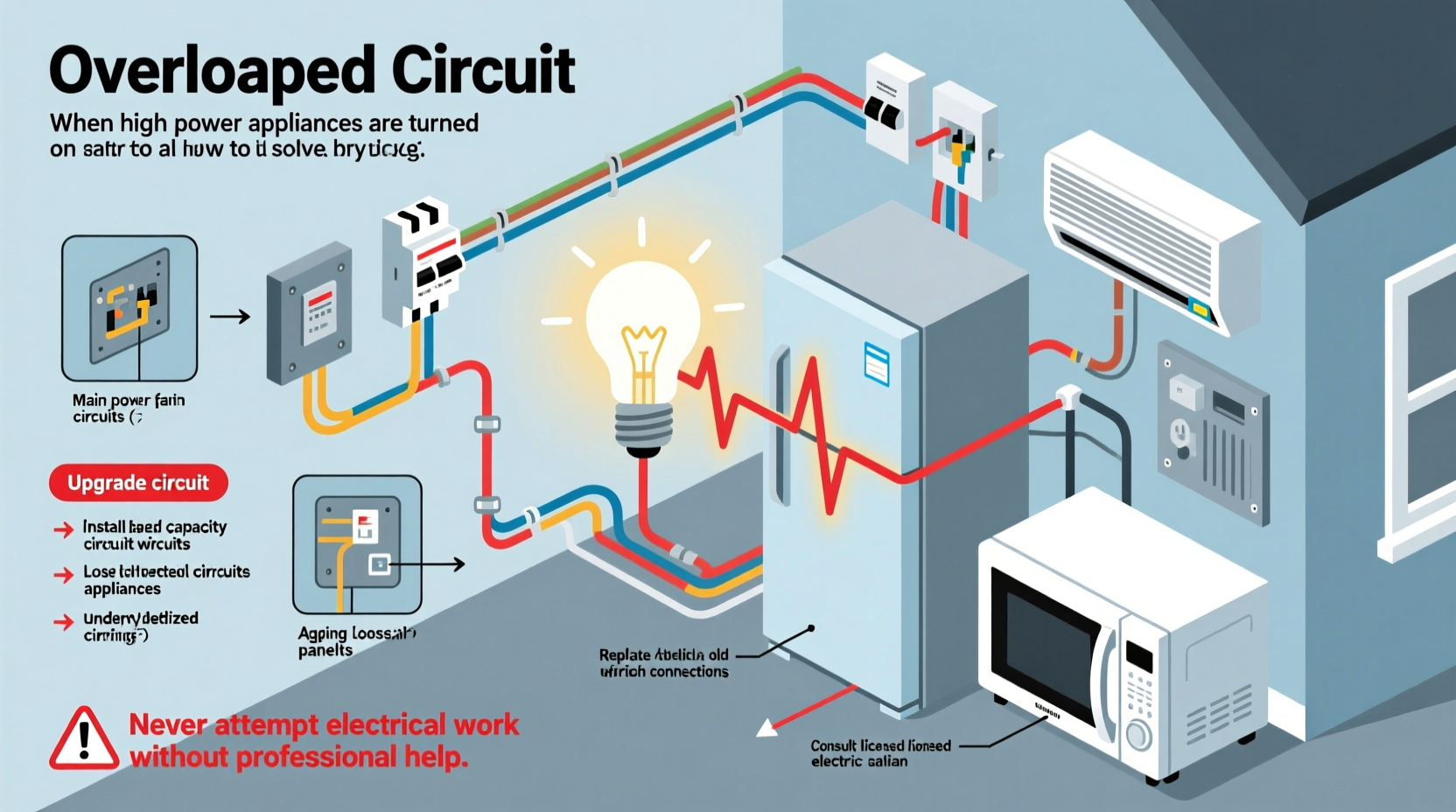
When large appliances start up, they draw a surge of electrical current known as “inrush current.” This temporary spike increases demand on your home’s electrical circuit. If the circuit or service panel isn’t equipped to handle this sudden load, voltage drops momentarily across connected devices—including lighting fixtures.
Voltage is the pressure that pushes electricity through wires. When too many devices pull power at once, especially high-wattage ones like refrigerators, washing machines, or HVAC systems, the available voltage across shared circuits decreases. Incandescent and halogen bulbs are particularly sensitive to these dips, visibly dimming even with small voltage changes. LEDs may flicker or dim less dramatically but can still be affected.
Think of your home’s electrical system like a plumbing network: if multiple faucets open at once, water pressure drops. Similarly, when several high-draw appliances run simultaneously, electrical “pressure” (voltage) sags, causing lights to dim.
Common Causes of Light Dimming
Not all dimming is created equal. Some causes are benign; others indicate serious problems. Here are the most frequent culprits:
- High-Power Appliance Startup: Devices like AC units, well pumps, or space heaters require significant startup energy. Momentary dimming during initial activation is expected.
- Shared Circuits: If lights and outlets are on the same circuit, turning on an appliance can overload that line, reducing voltage to lights.
- Loose Service Conductors: Utility lines connecting your home to the grid can loosen over time. This creates resistance and inconsistent voltage delivery—a fire hazard.
- Overloaded Electrical Panel: Older panels may not support modern power demands, leading to chronic voltage drops.
- Faulty Wiring or Connections: Corroded, damaged, or improperly installed wiring within walls or at junction boxes increases resistance and reduces efficiency.
- Undersized Wiring: Homes with outdated 12-gauge or smaller wiring may struggle to deliver consistent voltage under load.
- Utility-Side Issues: Problems with the transformer, meter base, or neighborhood grid can cause widespread dimming.
“Voltage fluctuations from appliance use aren't always dangerous, but persistent dimming often points to aging infrastructure or unsafe conditions.” — James Rutherford, Licensed Master Electrician
How to Diagnose the Problem
Before calling an electrician, perform a systematic check to narrow down potential causes. Follow this step-by-step diagnostic process:
- Observe the Pattern: Does dimming happen only with specific appliances? Is it isolated to one room or throughout the house?
- Check Timing: Does dimming last just a split second or continue while the appliance runs? Prolonged dimming suggests deeper issues.
- Test Different Circuits: Plug the same appliance into outlets on different circuits. If dimming only occurs on one circuit, the problem is localized.
- Inspect Lights: Replace incandescent bulbs with LEDs temporarily. If dimming disappears, sensitivity was the main factor.
- Monitor Other Devices: Do TVs reset, clocks blink, or motors stutter? These signs point to unstable voltage.
- Listen for Warning Signs: Buzzing outlets, warm switch plates, or burning smells indicate immediate danger—shut off power and call an electrician.
Mini Case Study: The Overloaded Kitchen Circuit
A homeowner in a 1970s-built house noticed kitchen lights dimming every time the microwave turned on. After replacing bulbs and confirming no other rooms were affected, they mapped the circuit using the breaker panel. Both the overhead lights and microwave were on the same 15-amp circuit—an outdated setup unable to handle the combined load of lighting and a 1200-watt microwave. A licensed electrician installed a dedicated 20-amp circuit for the microwave, eliminating the dimming and improving safety.
Solutions Based on Severity
Once you’ve identified the cause, apply the appropriate fix. Below is a comparison of common issues and their recommended remedies:
| Issue | DIY Fix? | Professional Fix | Risk Level |
|---|---|---|---|
| Appliance startup surge | Yes – Use LED bulbs less sensitive to voltage drops | Install soft-start devices for motors | Low |
| Shared lighting/outlet circuit | No | Redesign circuit layout; add dedicated lines | Moderate |
| Loose neutral wire at panel | No – Dangerous | Immediate repair by licensed electrician | High |
| Old aluminum wiring | No | Replace or retrofit with copper connectors | High |
| Insufficient service capacity (e.g., 100-amp panel) | No | Upgrade to 200-amp service | High |
Step-by-Step: How to Prevent Future Dimming
To maintain steady lighting and protect your appliances, follow this proactive plan:
- Conduct a Home Electrical Audit: Hire an electrician to assess panel capacity, wiring condition, and circuit distribution.
- Separate Lighting and Outlet Circuits: Ensure lights aren’t sharing circuits with major appliances.
- Upgrade Bulbs: Switch to high-quality LED bulbs with wide voltage tolerance (e.g., 100–277V).
- Install Dedicated Circuits: Provide independent lines for microwaves, refrigerators, and HVAC units.
- Consider a Voltage Stabilizer: For homes with chronic low voltage, a whole-house stabilizer can smooth fluctuations.
- Trim Tree Branches Near Power Lines: Prevent utility-side disruptions from falling limbs.
- Monitor Energy Usage: Use smart meters or energy monitors to detect abnormal draws.
When to Call an Electrician
While minor, brief dimming may not require action, certain red flags demand professional attention:
- Lights dim significantly or stay dimmed while an appliance runs
- Dimming affects multiple rooms or the entire house
- You smell burning plastic or notice discolored outlets
- Circuit breakers trip frequently
- Light switches buzz or spark
- Your home has aluminum wiring or a panel older than 25 years
A licensed electrician can perform a load test, inspect connections, and measure voltage stability under real-world conditions. They may recommend upgrading your electrical service, repairing faulty neutrals, or rewiring outdated sections of the home.
FAQ
Is it normal for lights to dim when the AC turns on?
Yes, slight dimming for a second or less is common due to the compressor’s high startup current. However, if dimming is severe or lasts longer than a second, it could indicate an overloaded circuit or failing compressor.
Can LED lights cause dimming?
No, LEDs don’t cause dimming—but cheap or incompatible LED drivers can react poorly to voltage fluctuations. Use quality bulbs rated for your fixture type and consider those with built-in surge protection.
Will a generator cause my lights to dim?
If your generator is undersized for your home’s load, yes. Generators must supply enough wattage to handle startup surges. An oversized or poorly regulated generator can also create voltage instability. Always size generators appropriately and use transfer switches.
Conclusion: Take Control of Your Home’s Electrical Health
Light dimming when turning on appliances isn’t something to ignore—even if it seems minor. It’s often the first sign of electrical strain that, left unchecked, can lead to equipment damage, higher energy bills, or fire hazards. By understanding the causes and taking preventive steps, you ensure not only brighter lights but also a safer, more reliable home environment.
Start with simple checks: observe patterns, upgrade bulbs, and map your circuits. For anything beyond basic troubleshooting, consult a qualified electrician. Your home’s electrical system is its nervous system—keep it strong, stable, and secure.




 浙公网安备
33010002000092号
浙公网安备
33010002000092号 浙B2-20120091-4
Comments
No comments yet. Why don't you start the discussion?