
If you're constantly reaching for lip balm but still battling dry, cracked, flaky lips, you're not alone. Despite diligent moisturizing, many people struggle with chronic chapping that resists typical treatments. While weather and dehydration are common culprits, the root cause may lie deeper—ranging from nutritional gaps to underlying health conditions. Understanding why your lips won't heal—even with balm—is essential for finding lasting relief.
Lips lack oil glands, making them more vulnerable to moisture loss than other parts of the skin. This biological reality means they rely heavily on external protection and internal hydration. But when routine care fails, it's time to look beyond surface-level solutions and consider systemic factors such as vitamin deficiencies, habits like lip licking, or even medication side effects.
Common Causes of Persistent Chapped Lips
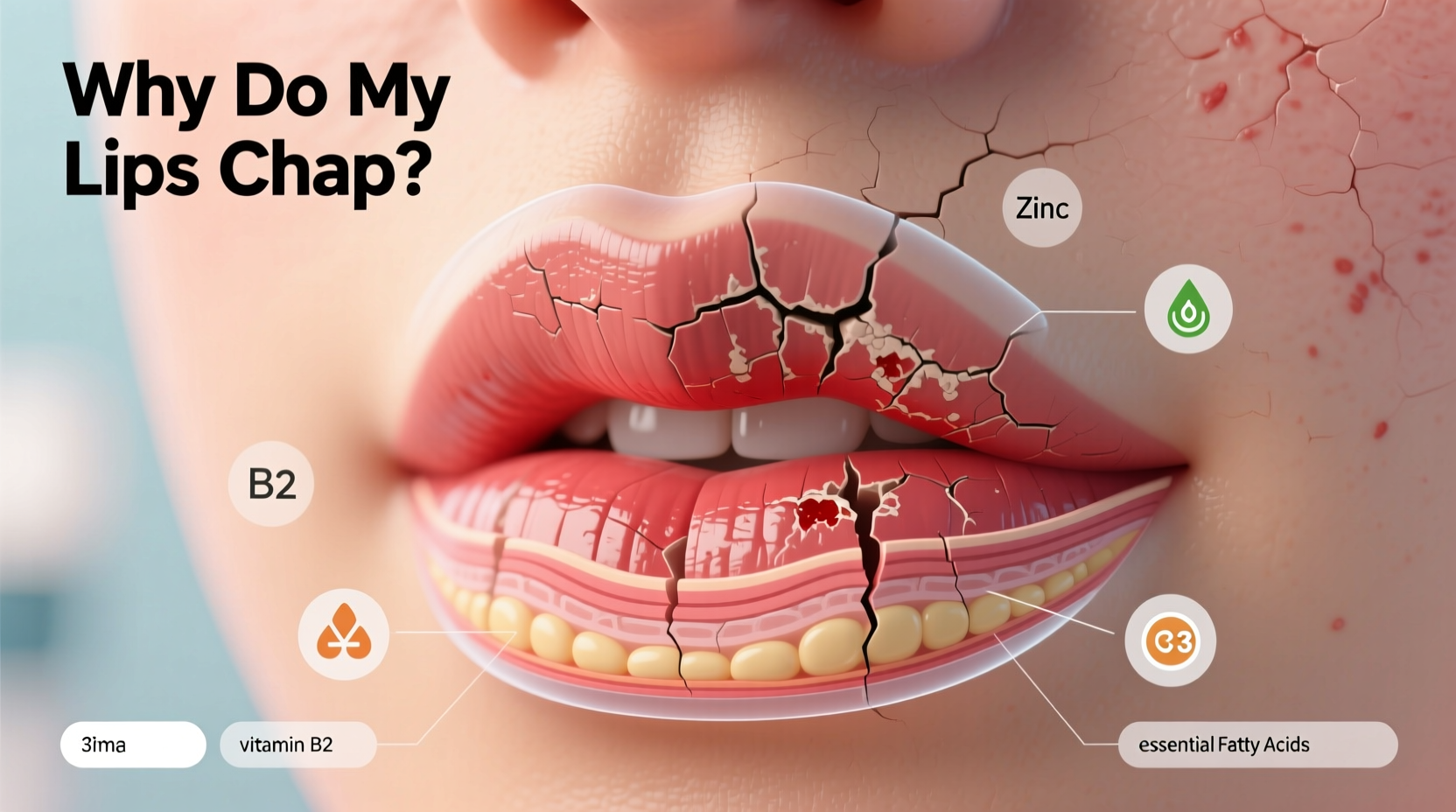
Chronic lip dryness isn't always about forgetting your balm. Several overlapping factors can undermine healing efforts:
- Dry air and cold weather: Low humidity strips moisture from the skin, especially in winter months or arid climates.
- Lip licking: Saliva evaporates quickly, leaving lips drier than before and introducing enzymes that irritate delicate tissue.
- Allergens and irritants: Fragrances, preservatives, or flavorings in lip products can trigger contact dermatitis.
- Dehydration: Not drinking enough water reduces overall skin moisture, including on the lips.
- Medications: Retinoids, antihistamines, and certain acne treatments have drying side effects.
- Mouth breathing: Sleeping with your mouth open, often due to nasal congestion, exposes lips to dry air all night.
Nutrient Deficiencies Linked to Chapped Lips
Your lips can serve as a visible indicator of internal imbalances. Certain vitamin and mineral deficiencies directly impact skin integrity and mucous membrane health, leading to persistent dryness and cracking—especially at the corners of the mouth.
Vitamin B2 (Riboflavin)
Riboflavin plays a crucial role in maintaining healthy skin and mucous membranes. Deficiency can lead to cheilosis—cracking and redness at the corners of the lips—and is often accompanied by sore throat and swollen tongue.
Vitamin B3 (Niacin)
Niacin deficiency, known as pellagra, presents with the \"three Ds\": dermatitis, diarrhea, and dementia. The dermatitis includes rough, scaly skin and inflamed lips, particularly in sun-exposed areas.
Vitamin B6 (Pyridoxine) and B12
Low levels of B6 and B12 are linked to angular cheilitis—an inflammatory condition causing painful cracks at the mouth corners. It’s more common in people with poor diets, digestive disorders, or vegetarians/vegans lacking B12.
Iron Deficiency
Anemia due to iron deficiency can manifest orally, with symptoms including pale lips, brittle texture, and increased susceptibility to cracking. Iron supports oxygen delivery to tissues, and low levels impair cellular repair.
Zinc Deficiency
Zinc is vital for wound healing and immune function. A shortage can delay tissue recovery and increase vulnerability to infections that worsen lip damage.
“Persistent chapped lips, especially with cracking at the corners, should prompt evaluation for micronutrient status—particularly B vitamins and iron.” — Dr. Lena Patel, Dermatologist & Nutritional Skin Specialist
Do’s and Don’ts: Managing Chronically Chapped Lips
| Do’s | Don’ts |
|---|---|
| Use occlusive balms at night (like petroleum jelly) | Apply flavored or scented lip products |
| Stay hydrated with water throughout the day | Lick your lips to moisten them |
| Choose balms with ceramides, hyaluronic acid, or lanolin | Peel or bite flaky skin off lips |
| Treat underlying allergies or sinus issues causing mouth breathing | Use expired or shared lip products |
| Eat a balanced diet rich in whole grains, leafy greens, and lean proteins | Ignore signs of infection (yellow crusting, pus) |
Step-by-Step Guide to Healing Stubbornly Dry Lips
When standard balm use isn’t enough, follow this structured approach to identify and correct the issue:
- Eliminate irritants: Stop using all flavored, fragranced, or medicated lip products for at least one week. Switch to a plain ointment like petrolatum or medical-grade lanolin.
- Hydrate consistently: Aim for 8–10 glasses of water daily. Monitor urine color—pale yellow indicates proper hydration.
- Examine your habits: Keep a journal for three days noting how often you lick your lips, breathe through your mouth, or apply balm. Awareness helps break unconscious cycles.
- Support nutrition: Increase intake of B-vitamin-rich foods—eggs, dairy, legumes, spinach, salmon, and fortified cereals. Consider a high-quality B-complex supplement if dietary sources are limited.
- Night repair protocol: Before bed, gently exfoliate with a soft toothbrush dipped in honey, then apply a thick layer of petroleum jelly. Cover with a breathable cloth mask if needed to prevent transfer.
- Assess for infection: If cracks at the corners of your mouth persist or become painful, consult a doctor. Fungal (Candida) or bacterial infections often require prescription treatment.
- Review medications: Check with your healthcare provider whether any prescriptions you’re taking list dry skin or mucous membrane changes as side effects.
Real-Life Example: Sarah’s Breakthrough After Months of Failed Treatments
Sarah, a 32-year-old teacher, used multiple lip balms daily yet suffered from painful cracks at the corners of her mouth for over six months. She avoided spicy foods, stopped using glossy lipsticks, and applied coconut oil religiously—but saw no improvement.
After visiting a dermatologist, she was tested for nutrient levels. Results showed borderline deficiencies in riboflavin (B2), B6, and iron. Further discussion revealed she had switched to a plant-based diet six months earlier without supplementing B12 or monitoring iron absorption.
With guidance, Sarah began taking a B-complex vitamin and increased her intake of lentils, pumpkin seeds, and fortified nutritional yeast. She also replaced her mint-flavored balm with fragrance-free Vaseline. Within four weeks, her lip cracks healed completely.
This case illustrates how even well-intentioned lifestyle changes can create unintended nutritional gaps—ones that manifest in subtle but persistent ways, like chapped lips.
When to See a Doctor
Most cases of dry lips resolve with improved care and hydration. However, persistent or worsening symptoms warrant medical attention, especially if you notice:
- Cracks that bleed or won’t heal after two weeks
- Painful sores or white patches inside or on the lips
- Swelling, burning, or itching that spreads beyond the lips
- Frequent recurrence despite consistent care
These could indicate conditions such as:
- Angular cheilitis: Often caused by yeast, bacteria, or nutritional deficiency.
- Actinic cheilitis: A precancerous condition from long-term sun exposure, usually on the lower lip.
- Autoimmune disorders: Like lupus or Sjögren’s syndrome, which affect moisture production.
- Allergic contact cheilitis: Triggered by specific ingredients in cosmetics or dental products.
Frequently Asked Questions
Can vitamin D deficiency cause chapped lips?
While vitamin D supports overall skin health, it’s not directly linked to chapped lips. However, low vitamin D often coexists with other deficiencies (like zinc or B vitamins) that do contribute to lip issues. Ensuring adequate sun exposure or supplementation may support general healing but won’t fix chapping alone.
Is it bad to use lip balm too much?
Overuse of certain lip balms—especially those with menthol, camphor, or phenol—can create a dependency cycle. These ingredients provide temporary cooling but may irritate or dry out lips over time, prompting more frequent application. Stick to non-active, occlusive formulas for daily use.
Why do my lips chap only in winter?
Cold air holds less moisture, and indoor heating further dries the environment. Combine that with increased tendency to breathe through your mouth when congested, and lips become prime targets for dehydration. Using a humidifier at night and applying balm proactively can help prevent seasonal flare-ups.
Conclusion: Take Control of Your Lip Health
Constantly chapped lips aren’t something you just have to live with. While lip balm is a helpful tool, it’s not a cure-all. True healing requires looking beneath the surface—at your diet, habits, and potential deficiencies. By addressing root causes like B vitamin insufficiency, chronic dehydration, or unnoticed allergens, you can achieve smooth, resilient lips that stay healthy year-round.




 浙公网安备
33010002000092号
浙公网安备
33010002000092号 浙B2-20120091-4
Comments
No comments yet. Why don't you start the discussion?