
If you’ve ever found yourself applying lip balm every hour, only to still wake up with cracked, flaky lips, you’re not alone. Millions of people rely on balms for relief but remain trapped in a cycle of temporary comfort followed by worsening dryness. The truth is, frequent balm use doesn’t always equal healthy lips—and sometimes, it’s making the problem worse. Understanding the root causes behind persistent chapping is the first step toward real healing.
Lips are uniquely vulnerable compared to the rest of your skin. They lack oil glands, have a thinner epidermis, and are constantly exposed to environmental stressors like wind, sun, and temperature changes. When these factors combine with habits or product choices that undermine moisture retention, even diligent care can backfire. This article dives into the science behind why lip balm overuse may be part of the problem, identifies common hidden triggers, and provides a practical roadmap to restore soft, resilient lips—without dependency.
The Misconception Behind Lip Balm Dependency
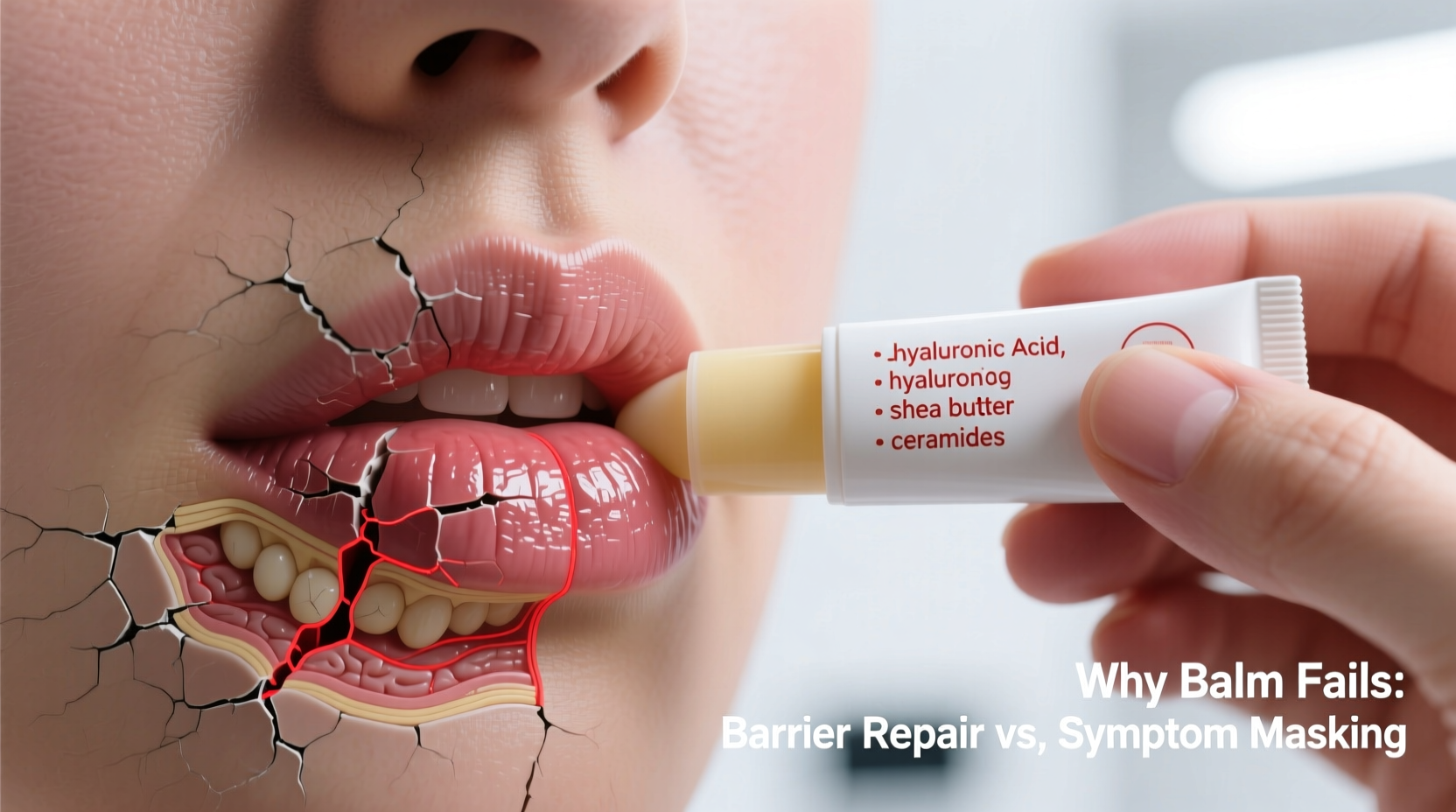
Many assume that if dry lips need moisture, more balm equals better results. But this logic overlooks how certain ingredients function. Some popular lip balms contain occlusives like petroleum jelly or shea butter that seal in existing moisture—but they don’t add hydration. If your lips are already dehydrated when you apply them, you're locking in dryness rather than curing it.
Worse, some formulas include irritants such as fragrances, menthol, camphor, or phenol. These create a cooling sensation that feels soothing at first but actually increases blood flow and inflammation, leading to further irritation over time. Repeated application reinforces a psychological habit: you feel dryness, apply balm, get momentary relief, then repeat—creating what dermatologists call “lip balm addiction.”
Common Hidden Causes of Chronic Lip Chapping
Even with careful product selection, underlying issues often sabotage lip recovery. Below are six frequently overlooked culprits:
- Mouth breathing: Especially during sleep, inhaling through the mouth dries out the lips continuously. This is common in people with allergies, sinus issues, or sleep apnea.
- Dietary deficiencies: Low levels of vitamin B2 (riboflavin), B3 (niacin), B6, B12, or iron can manifest as cheilitis (inflammation of the lips).
- Allergic contact dermatitis: Found in lipsticks, toothpaste (especially those with SLS), or even flavored balms containing citrus or cinnamon.
- Dehydration: Systemic fluid imbalance affects all mucous membranes—including lips—even if you drink water regularly.
- Licking lips: Saliva contains enzymes designed to break down food, which erode delicate lip tissue and accelerate cracking.
- Environmental exposure: Cold winds, indoor heating, UV radiation—all strip natural moisture rapidly.
“Patients come in using five different balms a day, yet their lips are worse. Often, we find an allergen in their routine or a behavioral pattern like habitual licking.” — Dr. Lena Torres, Board-Certified Dermatologist
Do’s and Don’ts: A Practical Comparison Table
| Do’s | Don’ts |
|---|---|
| Use fragrance-free, hypoallergenic balms with ceramides or hyaluronic acid | Use flavored or medicated balms with menthol, camphor, or phenol |
| Apply balm over damp lips after hydrating | Apply balm only when lips are already dry and cracked |
| Stay hydrated and maintain balanced nutrition | Ignore signs of nutritional deficiency (like angular cheilitis) |
| Treat underlying conditions like eczema or fungal infections | Assume all chapping is just \"dry weather\" |
| Use a humidifier at night in dry climates | Sleep with mouth open due to untreated congestion |
A Step-by-Step Healing Protocol
Breaking the cycle requires a structured approach focused on repair, protection, and prevention. Follow this 7-day reset plan to begin restoring your lips’ natural barrier function.
- Day 1–2: Eliminate Irritants
Cleanse your routine. Stop using all flavored, scented, or medicated lip products. Switch to a plain ointment like pure petroleum jelly or a medical-grade barrier cream (e.g., Aquaphor). Discontinue any lip-licking behavior by keeping a glass of water nearby and using mindfulness cues. - Day 3: Gentle Exfoliation
After two days of moisturizing, gently slough off dead skin. Mix one teaspoon of honey with half a teaspoon of sugar. Dampen lips slightly, then massage the mixture in circular motions for 15 seconds. Rinse with lukewarm water and immediately apply ointment. - Day 4–5: Hydrate from Within
Increase water intake to at least 2 liters daily. Add foods rich in B vitamins: eggs, dairy, leafy greens, salmon, and fortified grains. Consider a B-complex supplement if dietary sources are limited. - Day 6: Environmental Protection
Apply your chosen ointment before going outside. Wear a wide-brimmed hat in strong sun. At night, place a cool-mist humidifier near your bed to counteract dry indoor air. - Day 7: Assess & Adjust
Evaluate improvement. If cracks persist beyond mild flakiness, suspect an underlying condition such as angular cheilitis (often fungal or bacterial) or actinic cheilitis (sun damage). Consult a dermatologist for targeted treatment.
When to Suspect a Medical Condition
Persistent chapping that resists home care may signal something more serious. Two conditions commonly misdiagnosed as simple dryness are:
- Angular Cheilitis: Characterized by red, cracked sores at the corners of the mouth. Often caused by Candida (yeast) or Staphylococcus infections, especially in people with ill-fitting dentures, drooling during sleep, or weakened immunity.
- Actinic Cheilitis: A precancerous condition caused by cumulative UV exposure, typically affecting the lower lip. It presents as rough, scaly patches that don’t heal and may tingle or burn.
Autoimmune disorders like lupus or Crohn’s disease can also cause oral manifestations. If your lips remain inflamed for more than three weeks despite proper care, seek professional evaluation.
Mini Case Study: Sarah’s Lip Recovery Journey
Sarah, a 34-year-old teacher from Denver, used a mint-flavored lip balm up to ten times a day. Despite this, her lips were perpetually raw, especially during winter. She avoided social events because she felt self-conscious about peeling skin and occasional bleeding.
After consulting a dermatologist, she learned her favorite balm contained phenol—a known irritant that strips the lipid barrier. She also admitted to licking her lips unconsciously while grading papers. Her doctor advised eliminating all flavored products, switching to a fragrance-free ointment, and using a saline nasal spray at night to reduce mouth breathing from seasonal allergies.
Within 10 days, Sarah noticed significant improvement. By week three, her lips were smooth and no longer required hourly reapplication. “I didn’t realize I was damaging them trying to help,” she said. “Now I only use balm twice a day, and my lips stay soft.”
Choosing the Right Products: What Works and Why
Not all lip products are created equal. Here’s what to look for in effective formulations:
- Occlusives: Petrolatum, lanolin, or dimethicone form a protective film that reduces transepidermal water loss.
- Humectants: Glycerin or hyaluronic acid attract moisture from the environment or deeper skin layers—best applied on slightly damp lips.
- Emollients: Shea butter, jojoba oil, or squalane smooth and soften rough texture by filling gaps between skin cells.
- Barrier-repair ingredients: Ceramides and niacinamide strengthen the lip’s natural defense against irritants.
Avoid products labeled “long-lasting” or “matte”—these often contain drying alcohols. Similarly, tinted balms with synthetic dyes increase allergy risk. Simpler is better when healing compromised lips.
Frequently Asked Questions
Can drinking more water cure chapped lips?
While systemic hydration supports overall skin health, drinking water alone won’t resolve chapped lips if external factors (like licking, weather, or irritants) dominate. Topical protection remains essential—even well-hydrated individuals develop dry lips under harsh conditions.
Is Vaseline good for chapped lips?
Yes, petroleum jelly (Vaseline) is one of the most effective occlusive agents. It doesn’t penetrate the skin but forms a non-irritating seal that prevents moisture loss. For best results, apply it over damp lips or after using a humectant serum.
Why do my lips chap only in winter?
Cold air holds less moisture, and indoor heating further dries the environment. Combined with increased likelihood of mouth breathing due to colds or allergies, winter creates a perfect storm for lip dehydration. Proactive use of humidifiers and thicker ointments can prevent seasonal flare-ups.
Your Action Plan Checklist
- ☐ Eliminate all flavored, scented, or medicated lip products
- ☐ Switch to a fragrance-free ointment (petroleum jelly or ceramide-based)
- ☐ Stop licking your lips—keep water handy to reduce urge
- ☐ Exfoliate gently once weekly using honey-sugar scrub
- ☐ Increase water intake and consume B-vitamin-rich foods
- ☐ Use a humidifier at night, especially in heated rooms
- ☐ Apply ointment before outdoor exposure
- ☐ Monitor progress for 2–3 weeks; consult a dermatologist if no improvement
Final Thoughts: Heal Your Lips, Break the Cycle
Chronic lip chapping isn’t just uncomfortable—it can affect confidence, speech, and eating. But constant balm use without addressing root causes only prolongs the struggle. True healing begins with awareness: recognizing harmful ingredients, breaking counterproductive habits, and supporting your lips’ natural resilience.
By shifting from reactive balm application to proactive lip care, you allow the tissue to recover and rebuild its defenses. The goal isn’t lifelong dependency on tubes and tins, but rather achieving lips that stay soft and supple with minimal intervention.




 浙公网安备
33010002000092号
浙公网安备
33010002000092号 浙B2-20120091-4
Comments
No comments yet. Why don't you start the discussion?