
Peeling nails are more than just a cosmetic nuisance—they can signal underlying health issues or daily habits that weaken nail structure. If you’ve noticed your nails splitting, flaking, or peeling at the edges, you’re not alone. Millions experience this issue, often without understanding the root cause. The good news is that in most cases, peeling nails can be reversed with consistent care and lifestyle adjustments. This guide dives deep into the biological, environmental, and nutritional factors behind nail peeling and offers practical, doctor-approved solutions you can start today—right from your kitchen or bathroom.
Understanding Nail Anatomy and Health
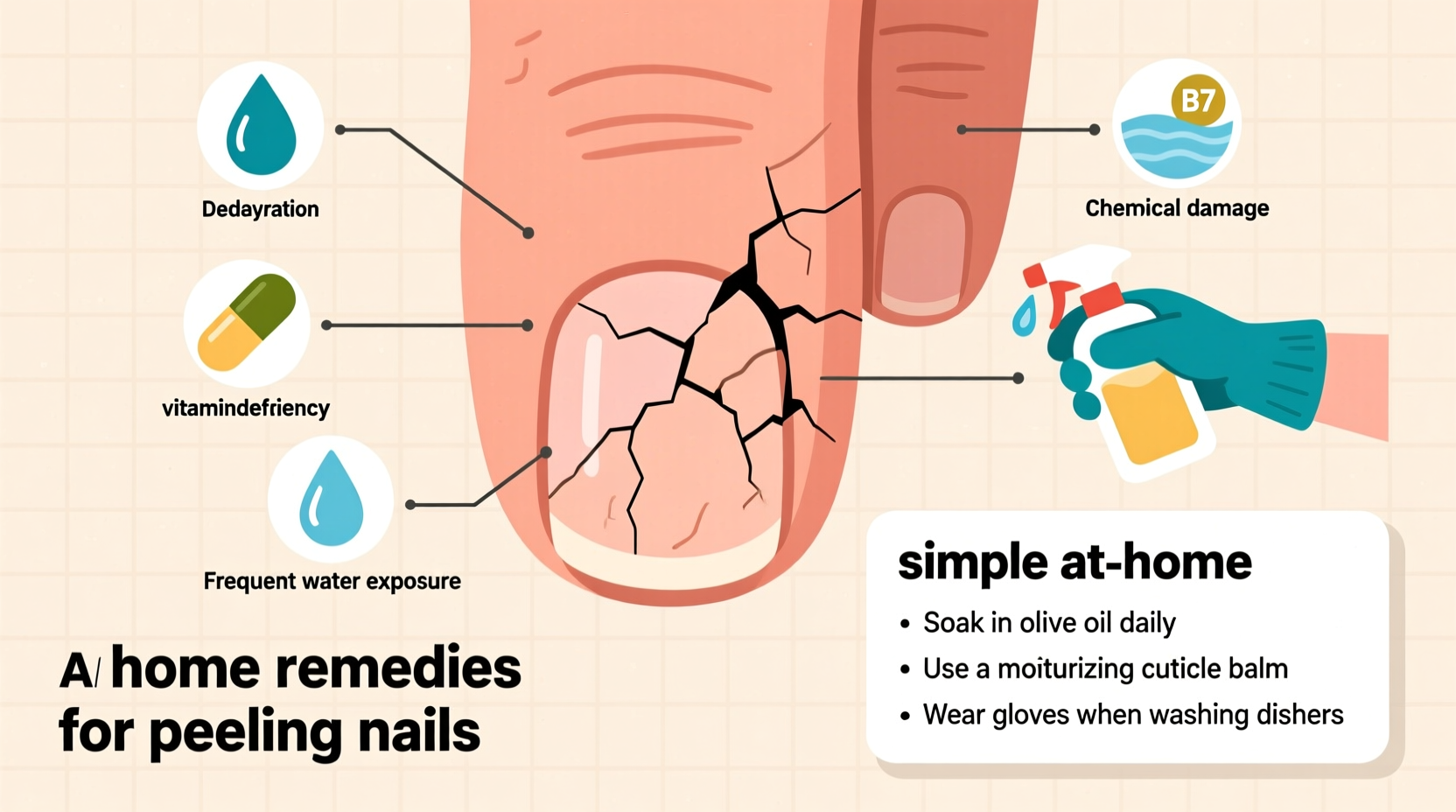
Nails are made primarily of keratin, a tough protein also found in hair and skin. Each nail consists of several parts: the nail plate (the visible hard surface), the nail bed (the skin beneath), the cuticle (protective layer at the base), and the matrix (where new cells form). Healthy nails should be smooth, firm, and slightly pink due to blood flow underneath.
When nails begin to peel, it typically indicates damage to the layers of the nail plate. Unlike skin, nails don’t regenerate quickly—growth averages about 3 millimeters per month. This slow renewal means damage accumulates over time, making prevention and consistent care essential.
“Nail changes are often the first visible sign of systemic imbalances—from dehydration to nutrient deficiencies.” — Dr. Lena Torres, Dermatologist and Nail Health Specialist
Common Causes of Peeling Nails
Peeling isn’t random. It’s usually the result of repeated stress, exposure, or internal imbalance. Below are the most frequent culprits:
- Frequent water exposure: Constant wetting and drying causes nails to swell and contract, leading to layer separation.
- Harsh chemicals: Detergents, cleaning agents, and nail polish removers containing acetone strip natural oils.
- Nutritional deficiencies: Lack of biotin, iron, zinc, or protein weakens keratin production.
- Dehydration: Dry environments or insufficient water intake reduce nail flexibility.
- Mechanical trauma: Using nails as tools, aggressive filing, or biting damages structure.
- Underlying health conditions: Thyroid disorders, psoriasis, or fungal infections may manifest through nail changes.
Key Nutrients for Stronger Nails
Your diet plays a direct role in nail resilience. Keratin synthesis depends on specific vitamins and minerals. A deficiency—even a mild one—can lead to brittleness and peeling over time.
| Nutrient | Role in Nail Health | Top Food Sources |
|---|---|---|
| Biotin (Vitamin B7) | Supports keratin infrastructure; improves thickness and reduces splitting | Eggs, almonds, sweet potatoes, spinach |
| Iron | Prevents brittle nails and ridges; critical for oxygen delivery to nail beds | Red meat, lentils, tofu, fortified cereals |
| Zinc | Aids cell growth and repair; deficiency linked to white spots and peeling | Pumpkin seeds, shellfish, chickpeas |
| Omega-3 Fatty Acids | Moisturizes from within; reduces inflammation affecting nail beds | Fatty fish, flaxseeds, walnuts |
| Protein | Primary building block of keratin; low intake leads to thin, fragile nails | Chicken, Greek yogurt, beans, quinoa |
While supplements like biotin are popular, whole-food sources offer better absorption and fewer side effects. If considering supplementation, consult a healthcare provider—excess biotin can interfere with lab tests.
Step-by-Step: At-Home Care Routine for Peeling Nails
Repairing damaged nails takes consistency. Follow this 4-week routine to rebuild strength and prevent further peeling.
- Week 1: Protect and Hydrate
- Trim nails short and file into rounded shapes to prevent snagging.
- Apply a nourishing oil (like jojoba or almond) twice daily, massaging into cuticles and nail beds.
- Avoid gel manicures and harsh polish removers.
- Week 2: Introduce Strengthening Treatments
- Soak nails in olive oil and lemon juice (1 tbsp each) for 10 minutes, 2–3 times weekly. Lemon provides vitamin C for collagen support; olive oil deeply hydrates.
- Use a non-acetone remover if removing polish.
- Week 3: Optimize Nutrition
- Add one biotin-rich food and one iron-rich food to daily meals.
- Drink at least 2 liters of water daily to combat internal dehydration.
- Week 4: Maintain and Monitor
- Reapply hand cream after every hand wash.
- Assess progress: Are peeling edges less frequent? Is surface smoother?
- Continue routine long-term for lasting results.
“Patients who stick to a simple 30-day nail rehab routine report up to 70% improvement in texture and durability.” — Dr. Anika Patel, Clinical Nutritionist
Do’s and Don’ts: Daily Habits That Make or Break Nail Health
Small choices add up. These guidelines help you avoid common pitfalls while reinforcing protective behaviors.
| Do’s | Don’ts |
|---|---|
| Wear gloves during wet work (dishes, gardening) | Use nails to open packages or scrape surfaces |
| Moisturize hands and nails multiple times a day | Peel off gel or regular polish |
| File in one direction with a fine-grit file | Soak hands in hot water for extended periods |
| Choose breathable nail polishes labeled “5-free” or “non-toxic” | Apply acrylics or gels frequently without breaks |
| Keep nails trimmed and smoothly filed | Ignore persistent discoloration or thickening |
Real-Life Example: Maria’s Nail Recovery Journey
Maria, a 34-year-old nurse from Portland, struggled with peeling nails for years. Her job required constant handwashing and glove use, leaving her nails dry and layered like onion skin. Over-the-counter treatments failed, so she consulted a dermatologist.
After ruling out fungal infection, the doctor recommended a three-pronged approach: wearing cotton gloves under latex ones, applying a urea-based nail cream nightly, and increasing protein and omega-3 intake. Maria started adding chia pudding to breakfast and snacking on almonds.
Within six weeks, her nails stopped peeling at the tips. By week ten, she grew out the damaged portion and had stronger, smoother nails than in years. “I didn’t realize how much my job was costing me,” she said. “Now I treat my hands like part of my uniform—worth protecting.”
When to See a Doctor
Most peeling resolves with home care, but some signs warrant medical evaluation:
- Nails that crumble or change color (yellow, green, brown)
- Pain, swelling, or redness around the nail
- Vertical ridges accompanied by fatigue or hair loss
- No improvement after 8–12 weeks of consistent care
These could indicate psoriasis, thyroid disease, or a fungal infection—all treatable but requiring diagnosis. Blood tests can reveal deficiencies in iron or vitamin B12, which mimic nail damage.
Frequently Asked Questions
Can drinking more water really help peeling nails?
Yes. While nails aren’t directly hydrated by water, chronic dehydration affects skin elasticity and oil production around the cuticle. Proper hydration supports overall tissue health, including nail beds. Aim for 6–8 glasses daily, especially in dry climates or during exercise.
Is it safe to use Vaseline on my nails?
Absolutely. Petroleum jelly forms a protective barrier that locks in moisture. Apply a small amount to cuticles and nail edges before bed. It’s especially effective when combined with cotton gloves overnight for deeper conditioning.
How long does it take to grow out peeling nails?
Fingernails take 3 to 6 months to fully regenerate. Toxins, illness, or stress during that period can affect new growth. Patience and consistency are key—damage won’t vanish overnight, but steady care yields visible results in 4–8 weeks.
Essential Checklist for Healthier Nails
Use this checklist daily and weekly to stay on track:
- ✅ Wear gloves when cleaning or doing dishes
- ✅ Apply cuticle oil or moisturizer morning and night
- ✅ File nails gently in one direction only
- ✅ Avoid using nails as tools (e.g., opening cans)
- ✅ Eat a protein-rich meal or snack daily
- ✅ Drink enough water throughout the day
- ✅ Take a break from nail polish every few weeks
- ✅ Inspect nails weekly for changes in color or texture
Conclusion: Small Steps, Lasting Results
Peeling nails don’t have to be a permanent frustration. With a clearer understanding of the causes—whether environmental, nutritional, or behavioral—you gain control over their recovery. Simple habits like wearing gloves, adjusting your diet, and moisturizing regularly can transform brittle, peeling nails into strong, resilient ones.
The journey to healthier nails isn’t about quick fixes but sustainable practices. Start tonight: warm some olive oil, give your fingertips a gentle massage, and commit to one positive change tomorrow. Your nails are a reflection of your overall well-being—nurture them, and the results will show.




 浙公网安备
33010002000092号
浙公网安备
33010002000092号 浙B2-20120091-4
Comments
No comments yet. Why don't you start the discussion?