
Vertical peeling of the nails—where thin layers split upward from the free edge or emerge as ridges that flake off—is a common but often misunderstood condition. While many reach for nail hardeners or gel treatments, the root cause is frequently internal. The appearance of your nails reflects your overall health, and persistent peeling can signal nutritional deficiencies, hydration imbalances, or systemic stress. Addressing this issue effectively requires more than surface-level fixes; it demands a holistic approach focused on internal nourishment and sustainable habits.
Nails are made primarily of keratin, a tough protein also found in hair and skin. Their strength, flexibility, and resilience depend on consistent cellular production, adequate nutrient supply, and protection from environmental damage. When nails begin to peel vertically, it’s not just a cosmetic concern—it’s a sign that something deeper may be out of balance.
Understanding Vertical Nail Peeling: Causes and Triggers
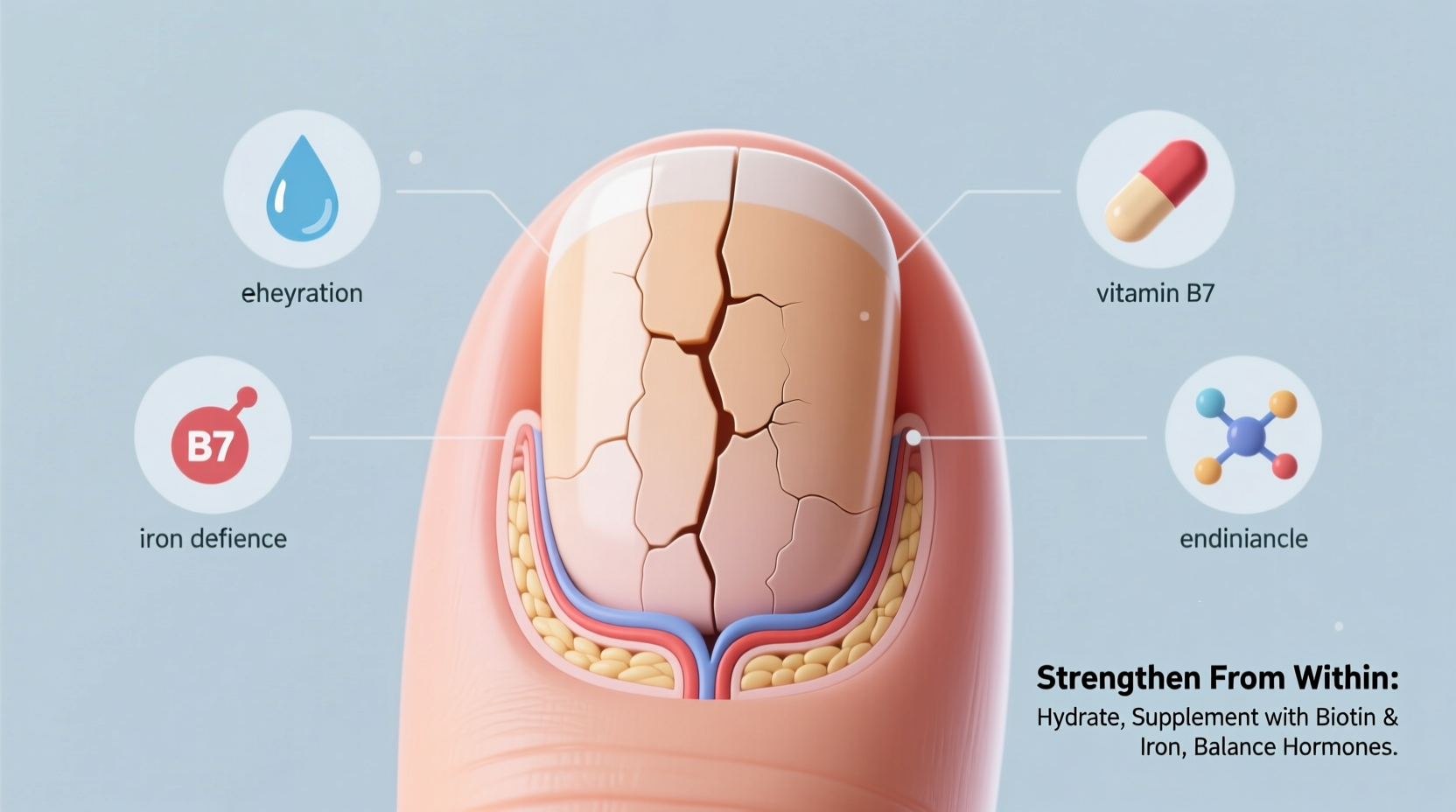
Vertical peeling differs from horizontal splitting (onychoschizia), which typically results from mechanical trauma or excessive exposure to water and chemicals. Instead, vertical peeling—characterized by longitudinal separation along the nail plate—often stems from structural weakness in the nail matrix or compromised keratin integrity.
Common causes include:
- Nutritional Deficiencies: Lack of biotin, iron, zinc, or essential fatty acids disrupts keratin synthesis and weakens nail structure.
- Dehydration: Both systemic and local dehydration reduce nail flexibility, making them brittle and prone to delamination.
- Hormonal Changes: Thyroid imbalances, menopause, or postpartum shifts can alter nail growth patterns.
- Chronic Exposure to Water and Chemicals: Frequent handwashing, dishwashing, or use of harsh soaps strips natural oils and swells the nail layers, leading to micro-tears and peeling.
- Aging: As we age, nail cell turnover slows, and moisture retention declines, increasing fragility.
- Underlying Health Conditions: Anemia, psoriasis, lichen planus, or fungal infections may manifest through nail changes.
The Role of Nutrition in Nail Strength
The foundation of strong nails lies in what you eat. Keratin production relies on amino acids, vitamins, and minerals delivered through the bloodstream to the nail matrix beneath the cuticle. Unlike topical products, which only affect the surface, proper nutrition rebuilds nails from the base up.
Key nutrients for resilient nails include:
| Nutrient | Role in Nail Health | Dietary Sources |
|---|---|---|
| Biotin (Vitamin B7) | Supports keratin infrastructure and improves nail thickness | Eggs, nuts, seeds, sweet potatoes, salmon |
| Iron | Prevents brittle nails and koilonychia (spoon-shaped nails) | Red meat, lentils, spinach, fortified cereals |
| Zinc | Aids cell division and protein synthesis in nail growth | Pumpkin seeds, shellfish, chickpeas, beef |
| Omega-3 Fatty Acids | Hydrates nail beds and reduces inflammation | Fatty fish, flaxseeds, chia seeds, walnuts |
| Vitamin C | Boosts collagen production and enhances iron absorption | Citrus fruits, bell peppers, broccoli, strawberries |
| Protein | Provides amino acids essential for keratin formation | Lean meats, dairy, legumes, tofu, quinoa |
“Nail health is a mirror of internal wellness. You can polish and coat, but without the right nutrients, the structure will remain weak.” — Dr. Lena Torres, Dermatologist & Nutritional Skin Specialist
Step-by-Step Guide to Strengthen Nails from Within
Improving nail strength isn’t an overnight process. It takes 3–6 months for a fingernail to fully regenerate, so consistency is critical. Follow this timeline to build resilience gradually:
- Week 1–2: Assess and Adjust Your Diet
Track your meals for one week. Identify gaps in protein, healthy fats, and micronutrients. Replace processed snacks with whole foods rich in biotin and omega-3s. Add two servings of leafy greens and one portion of fatty fish per week. - Week 3–4: Introduce Targeted Supplementation (If Needed)
Consider a high-quality biotin supplement (2.5–5 mg daily) if dietary intake is low. Pair it with a B-complex vitamin for synergy. Always consult a healthcare provider before starting supplements, especially if you have thyroid issues or are pregnant. - Month 2: Optimize Hydration and Gut Health
Drink at least 2 liters of water daily. Include probiotic-rich foods like yogurt, kefir, or sauerkraut to support nutrient absorption. Poor gut health can impair vitamin uptake, even with a balanced diet. - Month 3: Monitor Progress and Minimize Damage
Take weekly photos of your nails. Look for reduced peeling, smoother texture, and fewer ridges. Wear cotton-lined gloves when cleaning or gardening. Avoid using nails as tools to pry or scratch. - Months 4–6: Maintain and Refine
Continue nutritious eating and hydration. Reassess supplementation based on results. If peeling persists, request blood tests for iron, ferritin, thyroid function, and vitamin D.
Real-Life Example: Sarah’s Journey to Stronger Nails
Sarah, a 34-year-old graphic designer, struggled with vertical peeling for years. She used acrylics briefly, but after removal, her nails were paper-thin and split easily. Despite applying nail hardeners and oils, the problem worsened during winter.
After consulting a dermatologist, she discovered mild iron-deficiency anemia and low biotin levels. Her diet was high in coffee and refined carbs but lacked red meat, eggs, and leafy greens. She began taking a prescribed iron supplement and adjusted her meals: oatmeal with chia and almonds for breakfast, lentil soup and kale salad for lunch, and salmon with roasted vegetables for dinner.
Within four months, her nails grew thicker and stopped peeling. By month six, she no longer needed gloves to wash dishes. “I didn’t realize how much my diet affected my nails,” she said. “Now I see them as a health barometer.”
Do’s and Don’ts for Nail Care
While internal health is paramount, external habits play a supporting role. Use this guide to avoid counterproductive practices:
| Do’s | Don’ts |
|---|---|
| Wear gloves when washing dishes or using cleaners | Soak hands in hot water for long periods |
| Apply a moisturizer with ceramides or shea butter daily | Use acetone-based nail polish removers regularly |
| Keep nails trimmed short to reduce leverage and splitting | Peel or pick at peeling layers—use clippers to trim cleanly |
| Use a nail serum with hyaluronic acid or panthenol | File nails back and forth—file in one direction only |
| Take breaks between nail polish applications | Apply thick acrylics or gels without allowing recovery time |
FAQ: Common Questions About Peeling Nails
Can drinking more water really help my nails?
Yes. While nails don’t absorb water like a sponge, systemic hydration supports the nail bed’s moisture balance. Dehydrated bodies produce drier, more brittle nails. Drinking adequate water—especially alongside healthy fats—helps maintain pliability.
Is biotin safe for long-term use?
Biotin is generally safe at recommended doses (2.5–10 mg/day). However, high levels can interfere with certain lab tests, including thyroid and cardiac markers. Inform your doctor if you’re taking biotin before any blood work.
Why do my nails peel only on certain fingers?
This often relates to usage patterns. The dominant hand or fingers used for typing, texting, or manual tasks endure more friction and micro-trauma. It may also reflect uneven exposure to water or cleaning agents.
Conclusion: Build Stronger Nails from the Inside Out
Vertical nail peeling is rarely just a surface issue. It’s a visible clue pointing to deeper imbalances—nutritional, hormonal, or environmental. While quick fixes like nail hardeners offer temporary reinforcement, lasting strength comes from within. By prioritizing whole-food nutrition, staying hydrated, and protecting your nails from avoidable stress, you create the conditions for healthier growth over time.
Your nails grow slowly, but consistently. Every layer reflects the care you’ve given your body in the weeks prior. Treat them as part of your overall wellness journey, not just a cosmetic detail. With patience and the right support, peeling can become a thing of the past—and your nails can become stronger, smoother, and more resilient than ever.




 浙公网安备
33010002000092号
浙公网安备
33010002000092号 浙B2-20120091-4
Comments
No comments yet. Why don't you start the discussion?