
Nail splitting—especially at the tips—is a surprisingly common issue that affects many people, regardless of age or gender. While it might seem like a minor cosmetic concern, persistent nail splitting can signal underlying health issues, poor nail care habits, or environmental stressors. The good news is that most cases are preventable and reversible with consistent care and lifestyle adjustments. Understanding the root causes and applying practical solutions can transform brittle, splitting nails into strong, resilient ones.
Common Causes of Nail Splitting at the Tips
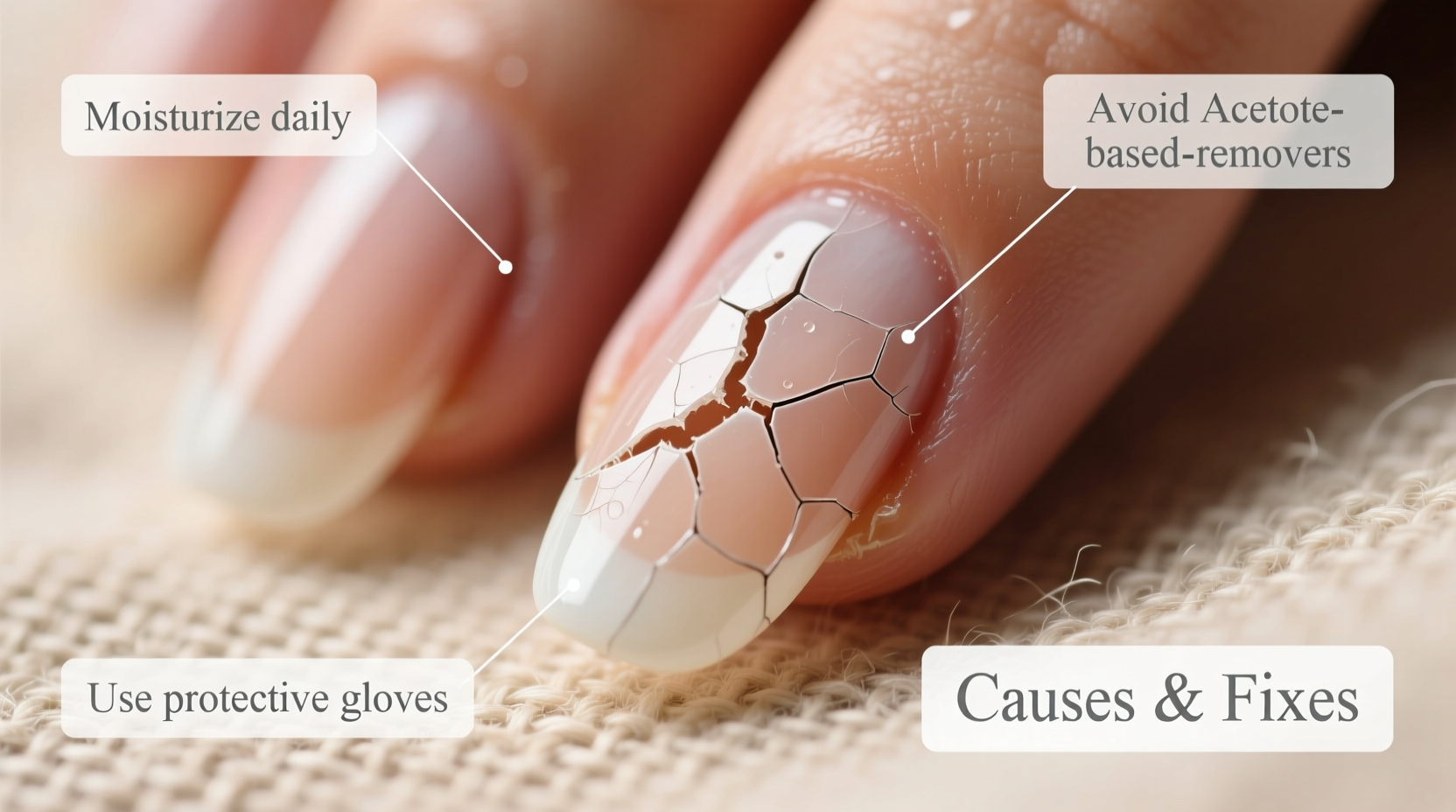
The tips of the nails are the most exposed part, making them vulnerable to mechanical stress and dehydration. When layers of the nail plate begin to separate, it's often due to a combination of internal and external factors.
- Dehydration and Dryness: Nails, like skin, need moisture to remain flexible. Frequent exposure to water followed by drying (like washing dishes or swimming) causes the nail to swell and contract, weakening its structure over time.
- Overuse of Harsh Nail Products: Acetone-based nail polish removers strip natural oils from the nail bed, leaving nails dry and prone to peeling and splitting.
- Excessive Filing or Rough Handling: Using coarse nail files or shaping nails in one direction only creates micro-tears that lead to delamination at the tip.
- Nutritional Deficiencies: Lack of key nutrients such as biotin, iron, zinc, and protein can impair keratin production—the main structural protein in nails.
- Hormonal Changes: Fluctuations during pregnancy, menopause, or thyroid disorders can affect nail integrity.
- Aging: As we age, nails naturally become thinner and more brittle due to reduced circulation and slower cell turnover.
- Underlying Health Conditions: Conditions like hypothyroidism, psoriasis, lichen planus, or anemia may manifest through nail changes, including splitting.
How Daily Habits Contribute to Nail Damage
Daily routines play a major role in nail health, often more than genetics or diet. Small habits, repeated over time, can either strengthen or weaken the nail matrix.
For example, frequent hand washing without moisturizing afterward strips away essential oils. Similarly, wearing gel or acrylic nails for extended periods without breaks can thin the natural nail plate, making it fragile. Even the way you dry your hands matters—rubbing them vigorously with a rough towel can cause tiny fractures in already weakened nails.
Another overlooked habit is sleeping with wet nails. If you apply lotion before bed but don’t allow nails to dry fully, trapped moisture can soften the nail, leading to peeling and layer separation when pressure is applied the next day.
“Nails are a mirror of overall health. Chronic splitting often reflects systemic imbalances or repetitive trauma.” — Dr. Lena Torres, Board-Certified Dermatologist
Step-by-Step Guide to Strengthening Splitting Nails
Repairing damaged nails isn't instantaneous, but with consistent effort, noticeable improvement can occur within 4–8 weeks. Follow this timeline to rebuild nail strength:
- Week 1–2: Stop Further Damage
- Switch to acetone-free nail polish remover.
- Wear cotton-lined gloves when doing dishes or cleaning.
- Trim nails short and square to reduce leverage and breakage.
- Avoid nail biting or picking at cuticles.
- Week 3–4: Begin Hydration & Protection
- Apply a nourishing cuticle oil (containing jojoba or vitamin E) twice daily.
- Use a nail hardener with calcium or hydrolyzed wheat protein—but avoid formaldehyde-based formulas, which can over-dry.
- Moisturize hands after every wash with a thick cream containing shea butter or ceramides.
- Week 5–8: Support Growth from Within
- Incorporate biotin-rich foods (eggs, nuts, sweet potatoes) or consider a 2.5–5 mg biotin supplement daily.
- Stay hydrated—drink at least 8 glasses of water per day to support keratin production.
- Get a blood test if fatigue or hair loss accompanies nail issues—this could indicate iron deficiency.
Do’s and Don’ts for Healthy Nail Tips
| Do’s | Don’ts |
|---|---|
| File nails in one direction using a glass or fine-grit file | File back and forth aggressively |
| Keep nails slightly longer than fingertip to protect the tip | Leave nails too long, increasing risk of snagging |
| Wear gloves when using household cleaners | Expose nails directly to detergents or bleach |
| Massage cuticles weekly to boost circulation | Cut cuticles harshly—this invites infection |
| Take breaks between manicures (at least 1–2 weeks) | Wear gel polish continuously for months |
Real-Life Example: Sarah’s Nail Recovery Journey
Sarah, a 34-year-old nurse, struggled with splitting nails for years. Her job required constant hand washing—sometimes up to 30 times a shift—which left her nails peeling and layered at the tips. Over-the-counter nail strengtheners made things worse, causing her nails to thicken and yellow.
After consulting a dermatologist, she learned that her routine was the primary culprit. She began wearing nitrile gloves under her work gloves during procedures, applied almond oil each night, and switched to a soap-free hand cleanser. She also started taking a daily biotin supplement and reduced her gel manicure frequency to once every eight weeks.
Within two months, her nails grew out stronger and smoother. The splitting stopped, and she noticed increased flexibility. “I didn’t realize how much my job was damaging my nails,” she said. “Simple changes made a huge difference.”
Effective Home Remedies and Easy Fixes
You don’t need expensive treatments to improve nail health. Many effective solutions are affordable and easy to incorporate into your routine.
- Olive Oil Soaks: Warm 2 tablespoons of olive oil and soak fingertips for 10–15 minutes nightly. This deeply hydrates the nail plate and cuticle.
- Green Tea Rinse: Brew a cup of green tea, let it cool, and soak nails for 10 minutes. The antioxidants help strengthen keratin structure.
- Tea Tree Oil Treatment: Mix 1 drop of tea tree oil with 1 teaspoon of coconut oil. Apply to nails to prevent fungal infections that can weaken nails.
- Egg White Coating: Dip nails in beaten egg white once a week and let dry. The protein forms a protective layer while nourishing the nail.
When to See a Doctor
While most nail splitting is benign and correctable, certain signs warrant medical evaluation:
- Nails that are discolored (yellow, brown, or black)
- Pain, swelling, or redness around the nail
- Thickened or crumbling nails
- Splitting accompanied by hair loss, fatigue, or cold intolerance
These symptoms may point to fungal infections, thyroid disease, or autoimmune conditions. A simple blood test can rule out deficiencies or hormonal imbalances. Dermatologists can also perform nail clippings to test for fungus or biopsy suspicious areas.
Frequently Asked Questions
Can hydration really fix splitting nails?
Yes—consistent hydration is crucial. Nails contain about 10–15% water; when levels drop below 8%, they become brittle and prone to splitting. Daily application of oils and creams helps maintain optimal moisture balance.
Is it better to keep nails short or long if they split?
Shorter nails are generally more resistant to trauma. Keeping them trimmed to just beyond the fingertip reduces leverage and prevents catching on fabrics. However, extremely short nails may expose the soft nail bed, so aim for a moderate length with rounded or square edges.
Do nail hardeners actually work?
Some do—but not all. Look for products with hydrolyzed wheat protein or calcium lactate, which bond to the nail surface and reinforce structure. Avoid those with formaldehyde or toluene, which dehydrate and weaken nails over time. Use sparingly (1–2 times per week) and always follow with a moisturizer.
Nutrition and Supplements for Stronger Nails
Your diet plays a foundational role in nail resilience. Keratin, the protein that makes up nails, requires adequate amino acids, vitamins, and minerals to form properly.
Biotin (vitamin B7) is the most studied nutrient for nail health. Research shows that supplementing with 2.5 mg of biotin daily improves thickness and reduces splitting in 6–8 weeks. Other key nutrients include:
- Iron: Prevents brittle nails associated with anemia. Found in red meat, spinach, lentils.
- Zinc: Supports cell regeneration. Sources: pumpkin seeds, shellfish, chickpeas.
- Vitamin C: Aids collagen formation. Citrus fruits, bell peppers, broccoli.
- Omega-3 Fatty Acids: Reduce inflammation and support scalp and nail hydration. Found in salmon, flaxseeds, walnuts.
If you're vegetarian or have digestive issues, absorption may be limited. Consider a multivitamin tailored for hair, skin, and nails, but consult your doctor before starting any new supplement, especially if pregnant or on medication.
Final Checklist: Your Action Plan for Healthier Nails
- Wear gloves during wet work (cleaning, dishwashing).
- Switch to acetone-free nail polish remover.
- Apply cuticle oil morning and night.
- File nails gently in one direction with a fine-grit file.
- Trim nails regularly to prevent snagging.
- Stay hydrated and eat a balanced diet rich in protein and vitamins.
- Limit gel/acrylic manicures and take recovery breaks.
- Monitor for signs of infection or systemic illness.
- Consider a biotin or multivitamin supplement if needed.
- Be patient—nails grow slowly, about 3 mm per month.
Conclusion: Take Control of Your Nail Health
Splitting nails at the tips are more than a nuisance—they’re a signal. Whether it’s from daily wear, nutritional gaps, or unnoticed health issues, the solution lies in consistent, mindful care. You don’t need perfection, just persistence. Start with one change: wear gloves, add a nightly oil, or adjust your filing technique. Small steps compound into lasting results.




 浙公网安备
33010002000092号
浙公网安备
33010002000092号 浙B2-20120091-4
Comments
No comments yet. Why don't you start the discussion?