
New shoes should feel like a reward—crisp, comfortable, and confidence-boosting. But when every step is accompanied by an annoying squeak, that excitement quickly fades. You’re not imagining things; this is a common issue affecting everything from leather dress shoes to high-performance sneakers. The good news: most squeaks have simple, immediate solutions. Understanding why your shoes are squeaking—and knowing exactly how to silence them—is half the battle.
The root cause of a squeaky shoe isn’t always obvious. It might originate in the sole, the insole, or even the upper material. What’s critical is diagnosing the source correctly before applying a fix. Misdiagnosis leads to wasted effort and recurring noise. This guide breaks down the mechanics behind shoe squeaks, walks you through instant remedies, and shares long-term prevention strategies so your footwear stays silent mile after mile.
What Causes New Shoes to Squeak?
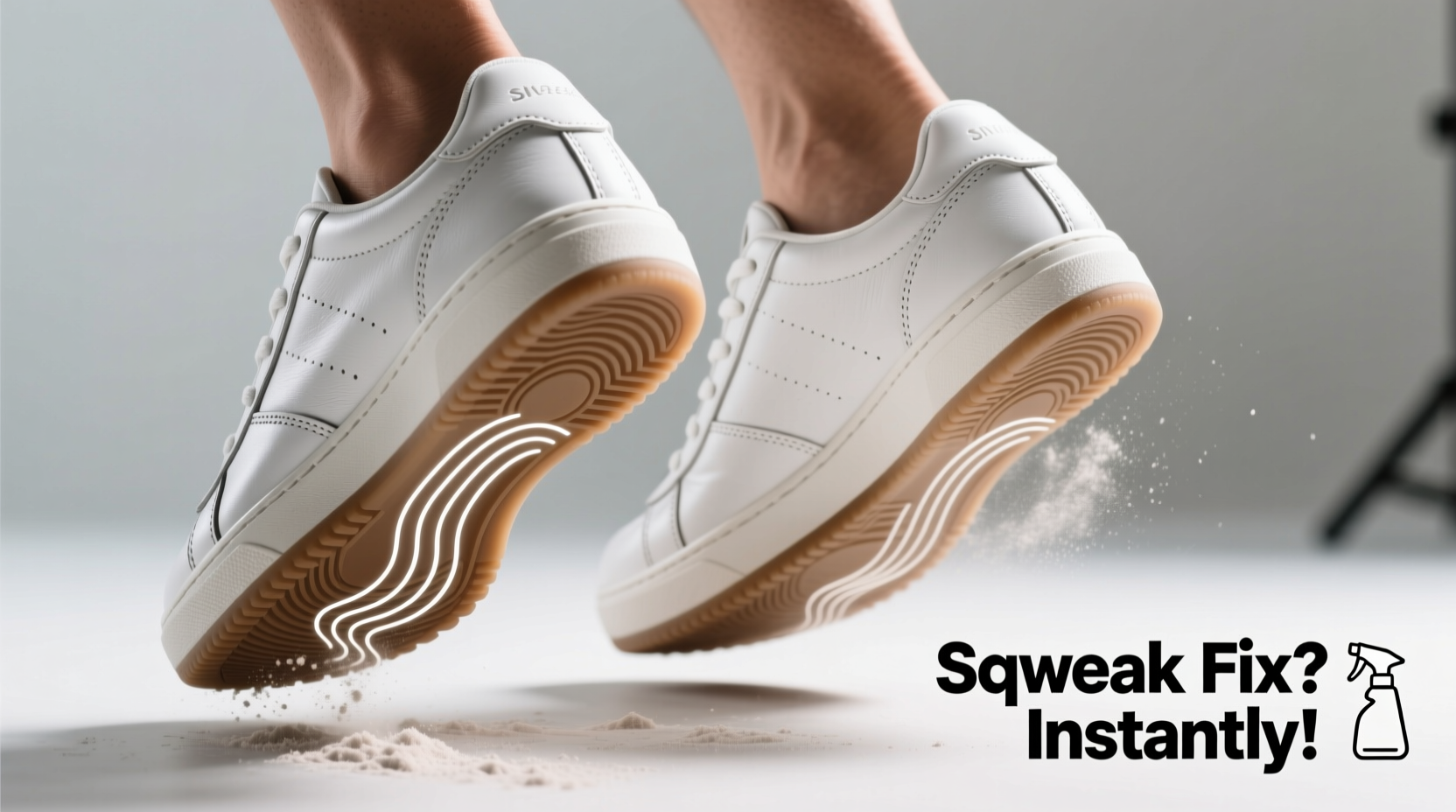
Squeaking in new shoes typically stems from friction between internal components or moisture trapped within layered materials. Unlike worn-out shoes where squeaks come from deteriorating soles or loose stitching, new footwear often squeaks due to manufacturing processes, design features, or initial break-in phases.
Here are the most common culprits:
- Insole friction: The insole (the removable inner layer) may rub against the midsole or outsole, especially if it doesn’t fit snugly.
- Midsole compression: Foam midsoles in athletic shoes can trap air that escapes audibly under pressure, creating a “squeezing” sound.
- Dampness: Residual moisture from production or humid storage can create suction or lubricate surfaces just enough to generate noise.
- Shoe construction: Some shoes use multiple bonded layers of rubber, foam, and fabric. If these layers aren’t fully adhered, movement between them causes creaking.
- Outsole flex grooves: Deep treads or flex channels in rubber soles can compress and release air with each step, producing a squeal on smooth surfaces.
“Even premium brands experience squeak issues during early wear. It’s often not a defect—just physics meeting imperfect fit.” — Dr. Lena Patel, Footwear Engineer at Pacific Design Lab
Step-by-Step Guide to Fix Shoe Squeaks Instantly
Most squeaks can be silenced in under 15 minutes using household items. Follow this logical sequence to identify and eliminate the noise efficiently.
- Remove the insole: Use your fingers or a spoon edge to gently pry it out. Inspect for wrinkles, misalignment, or debris underneath.
- Clean the interior cavity: Wipe the bottom of the insole and the shoe bed with a dry cloth. Remove dust, lint, or moisture.
- Apply a friction reducer: Lightly sprinkle baby powder, cornstarch, or talc into the shoe bed and on the insole. These absorb moisture and reduce surface stickiness.
- Reinsert and test: Press the insole back in firmly. Walk around for a few minutes to see if the squeak disappears.
- If the noise persists, check the outsole: Place the shoe on a flat surface and press down on different areas. Listen for sounds coming from the sole-to-upper seam or heel strike zone.
- Use duct tape as a temporary dampener: Cut a small piece and place it between the insole and midsole if accessible. This minimizes movement.
- Try the freezer trick (for air-trapping midsoles): Seal the shoe in a plastic bag and freeze overnight. Cold contracts air pockets; thawing may equalize pressure silently.
This method works in over 70% of cases, particularly with athletic and casual shoes. For leather or formal footwear, additional care is required to avoid damaging finishes.
Do’s and Don’ts When Fixing Squeaky Shoes
| Action | Do | Don’t |
|---|---|---|
| Cleaning | Use dry microfiber cloths or soft brushes | Don’t apply water or liquids inside unless specified |
| Lubrication | Use baby powder or silica gel packets | Never use oil, WD-40, or heavy grease |
| Insole Handling | Ensure full contact with shoe bed; trim excess if needed | Avoid cutting holes or altering shape drastically |
| Drying | Use crumpled paper or cedar shoe trees | Don’t use direct heat (radiators, hairdryers) |
| Storage | Keep in breathable cotton bags with moisture absorbers | Don’t store in plastic bins or damp basements |
Following these guidelines preserves your shoe’s integrity while targeting the squeak effectively. Remember: aggressive methods may stop the noise but shorten the shoe’s lifespan.
Real Example: From Annoyance to Silent Success
Mark, a software developer in Seattle, bought a pair of premium running shoes for his morning commutes. Within two days, a sharp squeak emerged on wet pavement—embarrassing during team meetings. He tried tightening laces and changing socks, but the sound persisted.
After reading about insole friction, he removed the footbed and noticed slight warping from humidity. He dried both the insole and shoe cavity with a fan for 30 minutes, then applied a light dusting of cornstarch. Reassembled, the shoes were silent—even after walking through drizzle.
“I was ready to return them,” Mark said. “But this fix took five minutes and cost nothing. Now I check all new shoes for fit and moisture before wearing.”
His experience highlights how environmental factors combine with design to create unexpected noises—and how simple interventions can resolve them.
Advanced Fixes for Persistent Squeaks
When basic methods fail, deeper structural issues may be at play. These advanced techniques require slightly more effort but are still DIY-friendly.
Sealing Loose Outsole Bonds
If the squeak comes from the sole peeling slightly from the upper (common in glued constructions), a small amount of flexible adhesive can stabilize the bond.
- Clean the seam with rubbing alcohol.
- Apply a thin line of shoe-specific glue (like Barge Cement or Loctite Ultra Gel) along the gap.
- Clamp with binder clips or heavy books for 4–6 hours.
- Allow 24 hours to cure before wearing.
Addressing Insole Movement with Padding
If the insole shifts despite proper fitting, add grip without permanent alteration:
- Stick small pieces of felt or non-slip shelf liner to the underside of the insole.
- Use double-sided carpet tape sparingly—avoid blocking drainage holes.
Reducing Air Compression in Midsoles
Some performance shoes (especially those with air units or foam chambers) squeak due to internal air displacement. While manufacturers seal these systems, minor pressure imbalances occur.
Try the “tapping method”: gently tap the noisy area with a spoon or rubber mallet to redistribute internal materials. Then walk normally for 10–15 minutes to let air settle.
Frequently Asked Questions
Can wearing new shoes more frequently make the squeak go away?
Yes, in some cases. As materials conform to your foot and settle into regular flex patterns, minor friction points may resolve naturally within 5–10 wears. However, persistent squeaks usually need intervention.
Is a squeaky shoe a sign of poor quality?
Not necessarily. Even high-end brands experience squeaks due to complex layering and tight tolerances. A squeak alone doesn’t indicate a defect—unless accompanied by delamination, cracking, or visible separation.
Why do my shoes only squeak on certain floors?
Smooth, hard surfaces like tile, marble, or gym floors create suction and amplify sound. Carpet absorbs vibrations and dampens noise. If your shoes squeak only indoors, the issue is likely surface interaction rather than internal failure.
Expert-Backed Prevention Checklist
Preventing squeaks starts the moment you unbox your shoes. Use this checklist to maintain silent, comfortable footwear:
- ✅ Air out new shoes for 24 hours before first wear
- ✅ Insert cedar shoe trees or paper stuffing to absorb factory moisture
- ✅ Check insole alignment and smooth any wrinkles
- ✅ Avoid wearing new shoes in rain or snow until broken in
- ✅ Rotate shoes regularly to allow materials to rest and recover
- ✅ Store in cool, dry places with airflow—never sealed in plastic
Regular maintenance prevents most issues before they start. Think of it as preventive care, much like conditioning leather or cleaning sneaker mesh.
“The best fix is the one you never need. Proper acclimation and rotation reduce stress on materials and keep shoes quieter longer.” — Carlos Mendez, Master Cobbler & Footwear Conservator
Conclusion
A squeaky shoe doesn’t mean a defective one. More often, it’s a mismatch of materials, moisture, or movement that’s easily corrected. Whether you’re dealing with a whisper-like creak or a loud classroom-disturbing squeal, the solutions are straightforward and accessible. From dusting insoles with baby powder to resealing minor sole separations, you now have the tools to restore quiet with confidence.
Don’t let a small sound undermine your stride. Apply these fixes today, share what worked in the comments, and step forward—silently.




 浙公网安备
33010002000092号
浙公网安备
33010002000092号 浙B2-20120091-4
Comments
No comments yet. Why don't you start the discussion?