
Running shoes are built for performance, not perfume. If yours reek every time you take them off—even after a thorough wash—it’s not just your imagination. Persistent shoe odor is a common issue among athletes, gym-goers, and daily commuters alike. The root cause isn’t poor hygiene alone; it’s biology, materials, and moisture combining to create the perfect breeding ground for bacteria and fungi. Understanding why this happens—and how to stop it—is key to keeping your footwear fresh and functional.
Sweat itself is mostly odorless. But when it soaks into porous shoe materials like foam, fabric, and mesh, it creates a dark, warm, humid environment where microbes thrive. These microbes break down sweat and dead skin cells, releasing foul-smelling compounds as byproducts. Standard washing may remove surface grime but often fails to reach deep into the midsole or eliminate lingering microbial colonies. That’s why the stench returns quickly. The solution lies in a multi-pronged strategy: prevention, deep cleaning, smart drying, and long-term maintenance.
The Science Behind Shoe Stink
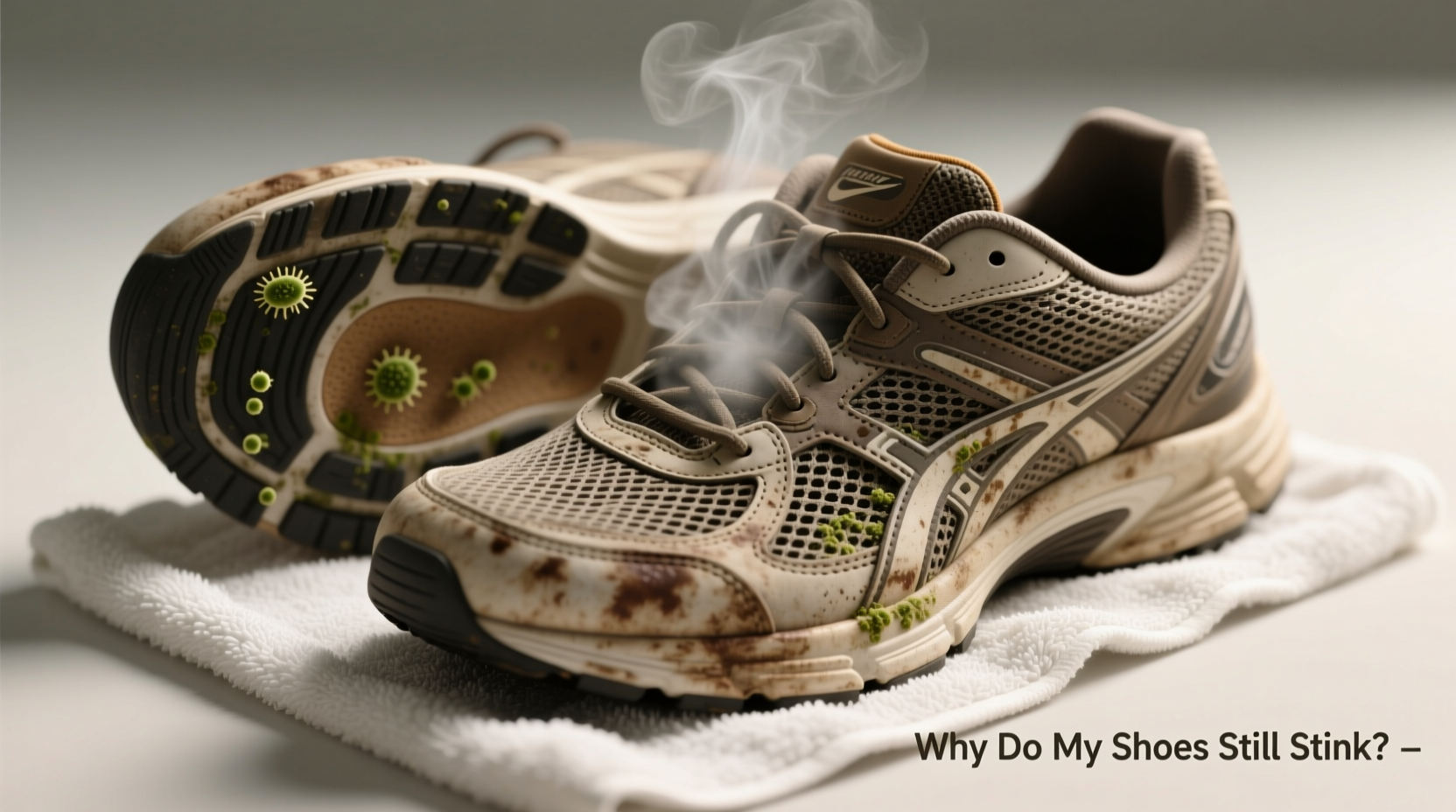
Foot odor—technically known as *bromodosis*—is primarily caused by bacterial activity. The human foot has over 250,000 sweat glands and can produce up to half a pint of moisture per day. When confined in a shoe, this moisture accumulates, especially during intense physical activity. Species like *Brevibacterium linens* and *Micrococcus sedentarius* flourish in these conditions, producing volatile sulfur compounds and organic acids that emit odors resembling cheese, vinegar, or rotten eggs.
Modern running shoes, while engineered for cushioning and breathability, often use synthetic foams (like EVA or PU) and dense knit uppers that trap moisture. These materials absorb sweat but dry slowly, creating an ideal habitat for microbes. Even after washing, residual moisture in the midsole or tongue can reignite bacterial growth within hours. Additionally, detergents used in machine washing may leave behind residues that feed microbes rather than kill them.
“Washing removes visible dirt, but unless you address the microbial ecosystem inside the shoe, the odor will return within days.” — Dr. Lena Torres, Microbiologist & Foot Health Researcher
Why Washing Alone Doesn’t Work
Most runners toss their shoes in the washing machine with detergent and expect freshness. But this method has critical flaws:
- Machine washing damages shoe structure – Agitation can separate glued layers, degrade cushioning, and warp the heel counter.
- Detergent residue remains – Many detergents contain surfactants and fragrances that linger in foam, providing food for bacteria.
- Incomplete drying – Shoes left to air-dry indoors retain moisture deep in the midsole, encouraging mold and mildew.
- Odor-causing microbes survive – Most household detergents aren’t antimicrobial and don’t penetrate deep enough to kill spores.
A study published in the *Journal of Applied Microbiology* found that 78% of athletic shoes tested harbored active microbial colonies even after standard laundering. This explains why many people report their shoes smelling worse post-wash—dampness combined with leftover organic matter accelerates regrowth.
Effective Odor-Eliminating Tricks That Actually Work
To truly eliminate shoe stink, you need a system that combines cleaning, disinfecting, drying, and prevention. Here’s a step-by-step approach backed by podiatrists and material scientists.
Step 1: Remove Insoles and Laces
Start by taking out the insoles and laces. These components absorb the most sweat and are easier to clean separately. Hand-wash laces in warm water with mild soap. Soak insoles in a mix of water and white vinegar (1:1 ratio) for 30 minutes, then scrub gently with a soft brush and air-dry completely.
Step 2: Deep Clean the Shoe Interior
Mix one cup of water, ½ cup of white vinegar, and ¼ cup of baking soda. Dip a microfiber cloth or soft-bristle brush into the solution and scrub the interior, focusing on the toe box and heel area. Avoid soaking the entire shoe. Vinegar kills bacteria and neutralizes odors; baking soda absorbs moisture and deodorizes.
Step 3: Use an Antimicrobial Spray
After cleaning, apply a commercial antimicrobial spray designed for footwear. Look for products containing benzalkonium chloride or thymol (a natural compound from thyme oil). These agents disrupt microbial cell membranes and prevent regrowth for days. Let the spray sit for 10–15 minutes before wiping excess.
Step 4: Dry Thoroughly with Absorbent Tools
Stuff each shoe with crumpled newspaper or silica gel packets. Replace every 4–6 hours until completely dry—this can take 24–48 hours. Newspaper absorbs moisture and helps maintain shape. Alternatively, use cedar shoe trees, which naturally wick moisture and emit aromatic oils that repel microbes.
Step 5: Store Strategically
Never store damp shoes in closed spaces like gym bags or closets. Keep them in a well-ventilated area. Rotate between two pairs to allow each 48 hours of rest and drying time between uses.
“Rotation is one of the simplest yet most effective habits. Shoes need recovery time, just like your body.” — Marcus Reed, Sports Podiatrist
Do’s and Don’ts of Running Shoe Care
| Do’s | Don’ts |
|---|---|
| Rotate between multiple pairs of shoes | Wear the same pair two days in a row |
| Use antimicrobial insoles or powders | Ignore persistent odor as “normal” |
| Wash feet daily and dry thoroughly between toes | Put sweaty feet back into unwashed shoes |
| Use odor-absorbing inserts like activated charcoal | Use bleach or strong chemicals that degrade materials |
| Air out shoes immediately after use | Leave shoes in hot cars or damp basements |
Mini Case Study: How Sarah Fixed Her Marathon Training Smell Issue
Sarah, a recreational runner training for her first marathon, struggled with unbearable shoe odor despite weekly machine washes. Her roommate complained, and she felt embarrassed changing at the gym. After consulting a sports medicine clinic, she learned her shoes weren’t drying properly due to being stored in a plastic bin under her bed.
She implemented a new routine: hand-cleaning interiors monthly, using tea tree oil spray after each run, rotating three pairs, and storing them on an open shelf with a small fan nearby. Within two weeks, the odor disappeared. More importantly, she noticed fewer blisters and improved comfort—likely because drier shoes reduced friction and fungal risk.
“I didn’t realize how much moisture was trapped inside,” Sarah said. “Now I treat my shoes like part of my recovery process, not just gear.”
Long-Term Prevention Strategies
Eliminating existing odor is important, but preventing recurrence is essential. Consider these sustainable habits:
- Wear moisture-wicking socks – Choose merino wool or synthetic blends that pull sweat away from the skin. Cotton retains moisture and worsens odor.
- Apply foot powder before runs – Talc-free antifungal powders reduce sweat and inhibit microbial growth.
- Freeze your shoes overnight – Place them in a sealed bag and freeze for 12 hours. Cold temperatures kill some bacteria and fungi, though it’s not a standalone fix.
- Use UV shoe sanitizers – Devices like portable UV-C wands or shoebox-sized sanitizers disrupt microbial DNA. Studies show they reduce bacterial load by up to 99.9% when used consistently.
- Replace insoles regularly – Even high-quality insoles lose antimicrobial properties after 3–6 months of heavy use.
Checklist: Your 7-Day Shoe Freshness Plan
- Day 1: Remove insoles and laces. Wash separately.
- Day 2: Deep clean shoe interiors with vinegar-baking soda solution.
- Day 3: Apply antimicrobial spray and let sit for 15 minutes.
- Day 4: Stuff with newspaper or silica gel. Begin drying process.
- Day 5: Check for dampness. Replace drying agents if needed.
- Day 6: Once fully dry, insert odor-absorbing insoles or charcoal bags.
- Day 7: Begin rotation schedule and nightly airing routine.
Frequently Asked Questions
Can I use Febreze or air fresheners on my running shoes?
Air fresheners only mask odors temporarily and may leave sticky residues that attract dirt. They don’t kill bacteria. For lasting results, use antimicrobial sprays instead of fragrance-based products.
How often should I replace my running shoes?
Most running shoes last 300–500 miles. Beyond that, foam breaks down, support diminishes, and odor retention increases. Worn-out shoes are harder to keep fresh, regardless of cleaning efforts.
Are leather running shoes less smelly?
Leather is more breathable and less porous than synthetic mesh, making it less prone to trapping odor. However, leather still absorbs moisture and requires conditioning to prevent cracking. It’s not a complete solution but can help if paired with proper care.
Conclusion: Take Control of Shoe Odor for Good
Stinky running shoes aren’t inevitable. They’re a sign of trapped moisture and unchecked microbial growth—issues that can be solved with informed care. Washing alone won’t cut it. You need a comprehensive strategy that includes targeted cleaning, thorough drying, antimicrobial treatment, and consistent prevention.
Your shoes support every mile you run. Treat them with the same attention you give your training plan, nutrition, and recovery. By integrating these odor-eliminating tricks into your routine, you’ll not only extend the life of your footwear but also improve foot health and confidence.




 浙公网安备
33010002000092号
浙公网安备
33010002000092号 浙B2-20120091-4
Comments
No comments yet. Why don't you start the discussion?