
There’s nothing quite as disappointing as pulling clean, freshly washed sheets out of the dryer only to be met with a musty or sour odor. You followed the laundry instructions, used detergent, maybe even added fabric softener—so why do your sheets still smell? This frustrating issue is more common than you think, and it often stems from habits and conditions that go unnoticed. The root causes aren’t always about dirt; they’re usually related to moisture, bacteria buildup, detergent misuse, or machine hygiene. Understanding these hidden culprits is the first step toward consistently fresh bedding.
The Hidden Causes Behind Lingering Odors
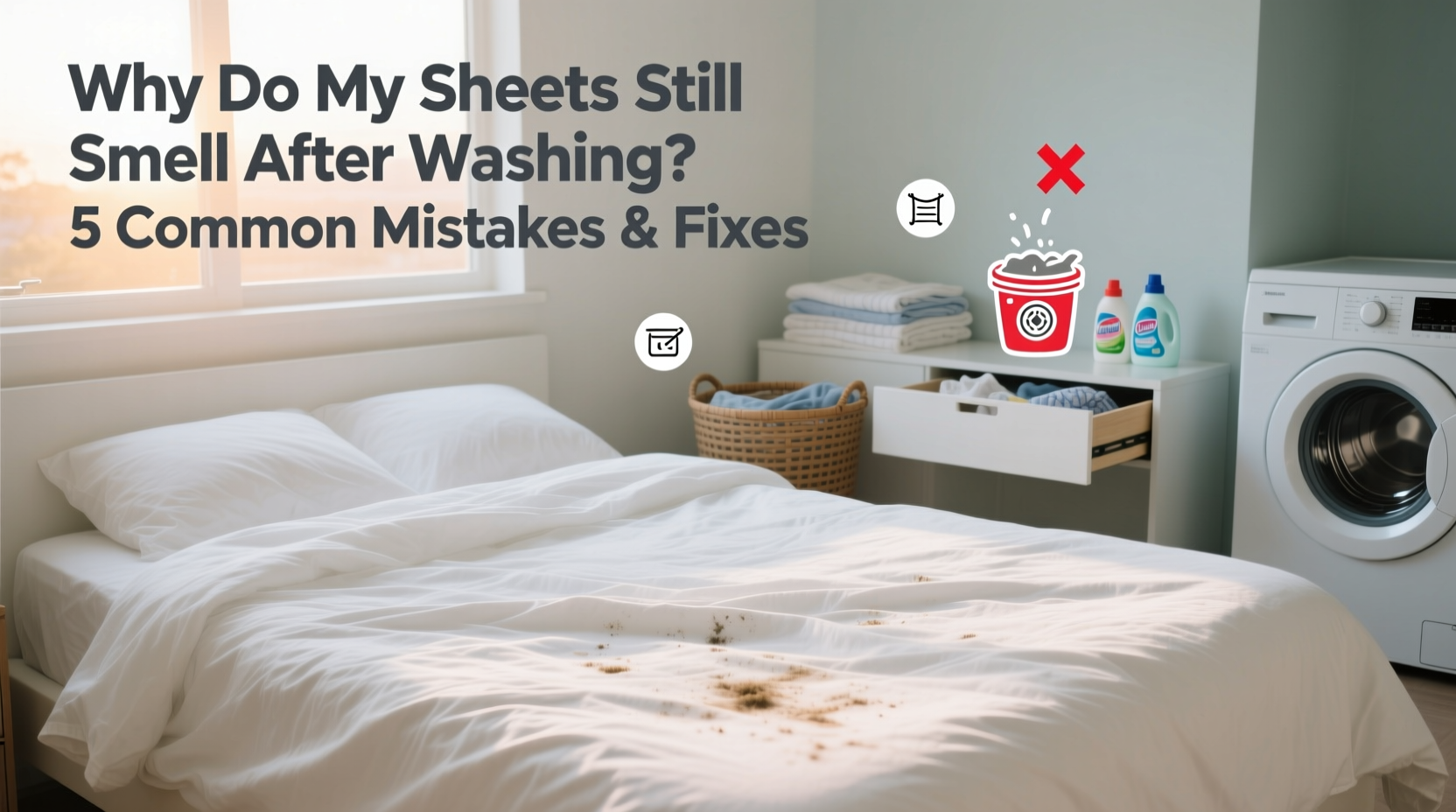
When sheets retain an unpleasant smell despite being laundered, it’s rarely due to insufficient cleaning effort. Instead, the problem lies in how moisture, microbes, and residues interact in your laundry routine. Human sweat, body oils, dead skin cells, and environmental dust accumulate on sheets over time. These organic materials feed bacteria and mold, especially in damp environments. Even if you can't see visible stains, microbial growth can produce volatile organic compounds (VOCs) responsible for musty, sour, or \"dirty sock\"-like odors.
One major misconception is that hot water and strong detergents eliminate all contaminants. In reality, if the washing machine itself is dirty or if clothes are left in the washer too long post-cycle, recontamination occurs. Additionally, using too much detergent—especially in high-efficiency (HE) machines—can leave behind sticky residues that trap odors rather than remove them.
Common Mistakes That Keep Sheets Smelling Bad
Even with regular laundering, several everyday errors sabotage freshness. Recognizing these pitfalls is essential for breaking the cycle of smelly sheets.
- Overloading the washing machine: Crowding sheets reduces water and detergent circulation, leaving areas unwashed and prone to odor retention.
- Using too much detergent: Excess suds don’t rinse away completely, creating a film that traps bacteria and smells.
- Washing in cold water only: While energy-efficient, cold water doesn’t effectively kill bacteria or dissolve oils unless paired with proper additives.
- Ignoring the washing machine’s cleanliness: Mold and biofilm build up inside rubber seals, dispensers, and drain pumps, transferring odors to clean laundry.
- Storing sheets while slightly damp: Residual moisture fosters mildew, particularly in humid climates or poorly ventilated closets.
- Relying on fabric softeners and dryer sheets: These coat fibers with waxy chemicals that reduce absorbency and trap odors over time.
“Many people don’t realize their washing machine is the source of recurring odors. It needs maintenance just like any other appliance.” — Dr. Lena Patel, Microbiologist and Textile Hygiene Researcher
Step-by-Step Guide to Truly Fresh Sheets
To permanently resolve lingering sheet odors, follow this comprehensive cleaning and maintenance protocol. This sequence addresses both immediate odor removal and long-term prevention.
- Strip your sheets: Soak them in warm water with 1/2 cup baking soda and 1/2 cup white vinegar for 30–60 minutes before washing. This loosens deep-seated residues and neutralizes odors.
- Run a hot water wash (if fabric allows): Use 1/2 the recommended amount of HE-compatible detergent. Add 1/2 cup oxygen bleach (not chlorine) to boost cleaning power without damaging fibers.
- Clean the washing machine: Run an empty hot cycle with 1 cup of white vinegar or a dedicated washing machine cleaner. Pay special attention to the door gasket and detergent drawer.
- Ensure complete drying: Tumble dry on medium heat until fully dry. If possible, hang outside in direct sunlight—UV rays naturally kill bacteria and deodorize fabrics.
- Store properly: Place completely cooled, dry sheets in a breathable cotton bag or open shelf. Avoid plastic bins or vacuum-sealed storage unless absolutely necessary.
Do’s and Don’ts: A Quick Reference Table
| Do’s | Don’ts |
|---|---|
| Use half the detergent you think you need | Overuse detergent or fabric softener |
| Wash sheets weekly in hot water (when safe) | Wait more than two weeks between washes |
| Clean your washing machine monthly | Ignore slime or mildew in the drum seal |
| Air-dry sheets when possible | Leave damp laundry in the machine overnight |
| Rotate multiple sets to reduce wear | Use chlorine bleach on protein-based stains (e.g., sweat) |
Real Example: How Sarah Fixed Her Persistent Sheet Smell
Sarah, a busy mother of two in Portland, Oregon, had been battling smelly sheets for months. Despite washing them every week with lavender-scented detergent and dryer sheets, her bed linens developed a sour odor within days of being put on the mattress. Frustrated, she tried switching brands, doubling detergent, and even hand-washing—but nothing worked.
After consulting a home hygiene specialist, she discovered three key issues: her front-loading washer hadn’t been cleaned in over a year, she was using twice the recommended detergent, and she stored her folded sheets in a cedar chest that retained ambient moisture. By running a vinegar cleaning cycle on her machine, reducing detergent use, and switching to breathable linen storage bags, Sarah eliminated the odor within two weeks. Now, her sheets stay fresh for days, and she washes them less frequently without compromising cleanliness.
Expert-Backed Fixes for Long-Term Freshness
Beyond basic laundering, several advanced techniques help maintain freshness and extend the life of your bedding.
- Incorporate enzyme-based cleaners: Products containing protease or lipase enzymes break down protein and oil-based residues (like sweat and sebum) that standard detergents miss.
- Switch to wool dryer balls: Replace dryer sheets with reusable wool balls to reduce static, soften fabric naturally, and improve airflow during drying.
- Use hydrogen peroxide instead of bleach: For whitening and disinfecting, 3% hydrogen peroxide is gentler on fibers and breaks down into water and oxygen, leaving no toxic residue.
- Deep-clean your mattress pad: Often overlooked, the mattress protector absorbs the most sweat and can transfer odors back to clean sheets if not cleaned regularly.
FAQ: Your Top Questions Answered
Can I wash sheets in cold water and still get them fresh?
Yes, but with conditions. Cold water alone may not kill bacteria or dissolve oils effectively. To compensate, add 1/2 cup of white vinegar and an enzyme-based detergent. Ensure sheets are dried completely, preferably with UV exposure.
How often should I replace my sheets?
High-quality cotton or linen sheets can last 2–3 years with proper care. However, if you notice persistent odors, thinning fabric, or discoloration despite correct washing, it’s time to replace them. Microfiber sheets degrade faster and may need replacing every 1–2 years.
Is it safe to use vinegar and baking soda together in one wash?
No—mixing vinegar (acid) and baking soda (base) causes a chemical reaction that neutralizes both. Use them separately: baking soda in the drum before loading, vinegar in the rinse compartment or dispenser. Or better yet, alternate their use across different cycles.
Final Checklist: Eliminate Smelly Sheets for Good
Follow this actionable checklist to ensure your sheets come out fresh every time:
- ✅ Wash sheets weekly at the correct temperature
- ✅ Use only half the recommended detergent amount
- ✅ Clean your washing machine monthly with vinegar or a specialty cleaner
- ✅ Remove laundry immediately after the cycle ends
- ✅ Dry sheets completely—use outdoor drying when possible
- ✅ Store in a cool, dry place with good airflow
- ✅ Strip wash every 3–6 months to remove buildup
- ✅ Replace old or damaged sheets showing signs of fiber breakdown
Conclusion: Take Control of Your Bedding Hygiene
Fresh sheets shouldn’t be a luxury or a mystery. With the right knowledge and habits, you can end the frustration of lingering odors once and for all. The solution isn’t about using more products—it’s about using them smarter. From rethinking detergent amounts to maintaining your washing machine and optimizing drying practices, each small adjustment adds up to dramatically better results.




 浙公网安备
33010002000092号
浙公网安备
33010002000092号 浙B2-20120091-4
Comments
No comments yet. Why don't you start the discussion?