
There are few things more distracting—or slightly humiliating—than walking across a quiet room only to be followed by a chorus of high-pitched squeaks with each step. Whether you're in an office, at home, or stepping into a meeting, squeaky shoes can draw unwanted attention. The good news: this common annoyance has simple explanations and even simpler fixes. Understanding the root causes and applying targeted solutions can silence your soles in minutes.
Squeaking isn't just about embarrassment—it can also signal wear, moisture buildup, or poor fit between materials. Left unaddressed, persistent friction may accelerate deterioration of your footwear. But most cases don’t require professional repair or replacement. With everyday household items and a few smart techniques, you can eliminate the sound quickly and effectively.
What Causes Shoes to Squeak on Floors?
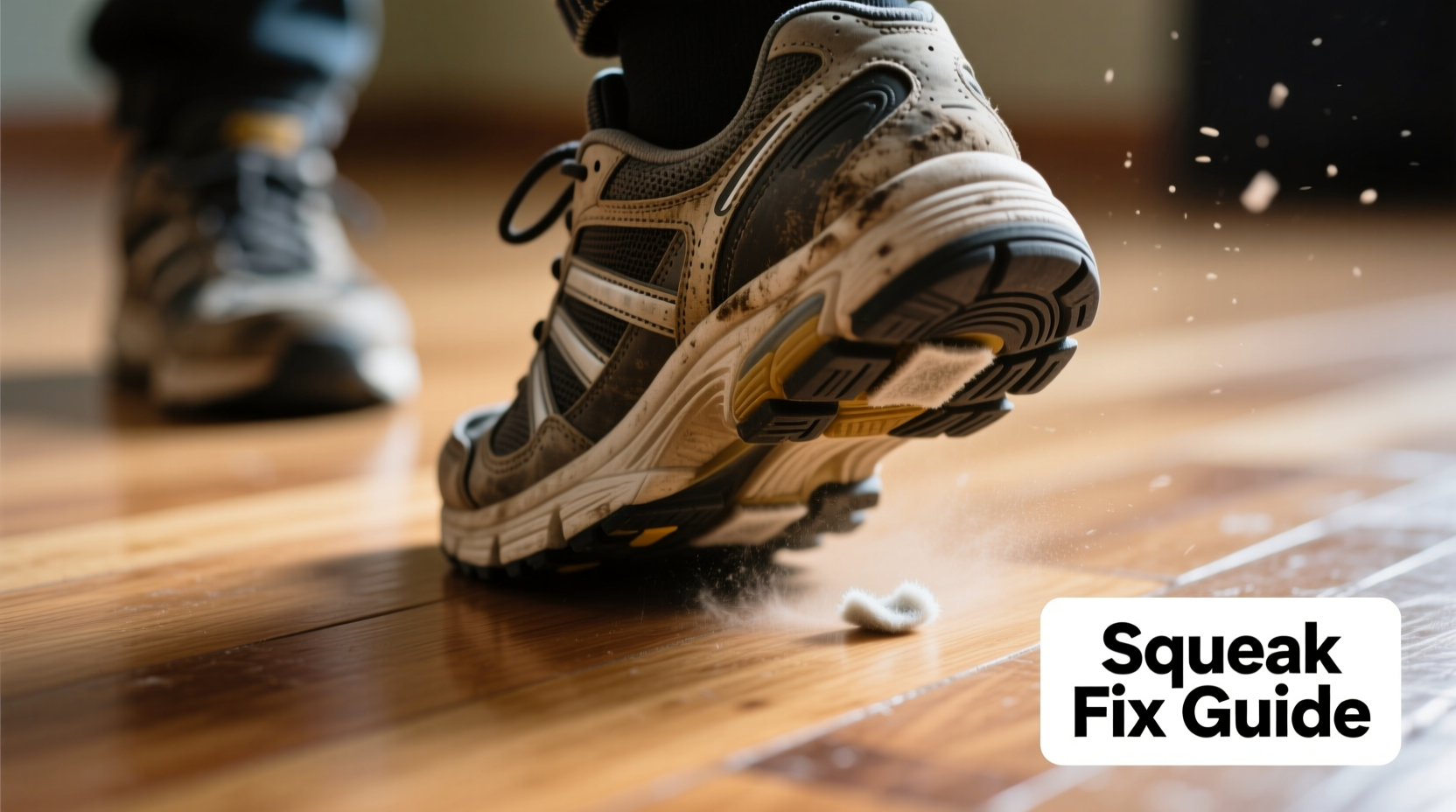
The source of shoe squeaks usually lies in friction, trapped moisture, or structural movement within the shoe itself. While many assume the issue is with the floor, the culprit is almost always internal to the shoe or its interaction with specific surfaces.
- Moisture Trapped Between Layers: When water or sweat gets between the insole and midsole, it creates a vacuum effect that produces a squeaking sound as air is compressed and released with each step.
- Frayed or Loose Insoles: Over time, adhesive holding the insole weakens. As the insole lifts slightly, it rubs against other layers, generating noise.
- Shoe-Floor Interaction: Smooth rubber soles on polished hardwood, tile, or vinyl floors often create suction or micro-friction, especially in low-humidity environments.
- Internal Material Rubbing: Upper lining, tongue padding, or heel counters may rub against each other if the shoe flexes excessively during walking.
- New Shoe Stiffness: Brand-new shoes, particularly leather or synthetic uppers, can produce temporary squeaks due to tight, unlubricated fibers.
Quick Fixes to Stop Squeaking Shoes Immediately
Not all squeaks require disassembly or long-term treatment. Many can be silenced in under 10 minutes using common household items. Here’s what works fastest:
Dry Out Moisture Trapped Inside
If your shoes have been exposed to rain, snow, or heavy perspiration, moisture is likely the cause. Remove the insoles and let both the shoe and liner dry completely for at least 12–24 hours in a well-ventilated area (avoid direct heat like radiators).
To speed drying:
- Stuff shoes with crumpled newspaper or silica gel packets.
- Place near a fan or dehumidifier.
- Rotate shoes daily to prevent recurring dampness.
Apply Talcum Powder or Baby Powder
One of the most effective instant remedies involves reducing friction inside the shoe. Sprinkle talcum powder or cornstarch-based baby powder directly under the insole or into the shoe cavity before replacing the insole.
The powder absorbs residual moisture and acts as a lubricant between layers, eliminating the sticking-slip motion that causes squeaks.
Use a Dry Lubricant Like WD-40 (Carefully)
For squeaks originating from stiff midsoles or sole attachments, a light application of silicone-based lubricant or WD-40 can help. Spray a small amount along the perimeter where the sole meets the upper (the “welt”), then flex the shoe repeatedly to work it in.
Caution: Avoid overspray on visible areas or fabric parts. Always test on a small, inconspicuous spot first.
Adjust or Replace the Insole
If the insole moves when pressed, reattaching it may solve the problem. Lift the insole gently and apply a thin layer of shoe glue or double-sided tape to the base. Press firmly and allow 24 hours to set before use.
Alternatively, replace worn insoles with cushioned orthotics—they often provide better adhesion and reduce movement.
Long-Term Prevention Strategies
While quick fixes offer immediate relief, preventing recurrence requires understanding your environment and footwear habits.
Maintain Proper Shoe Ventilation
Wearing the same pair daily without rest leads to moisture buildup. Rotate shoes every 2–3 days to allow natural drying. Use cedar shoe trees in dress shoes to absorb humidity and maintain shape.
Choose the Right Sole for Your Floor Type
Different flooring reacts differently with various outsole materials. A comparison table helps clarify best matches:
| Floor Type | Problematic Soles | Recommended Soles |
|---|---|---|
| Polished Hardwood | Smooth rubber, hard plastic | Leather soles, textured rubber |
| Tile / Vinyl | Flat, non-porous rubber | Ribbed or grooved treads |
| Carpet | Stiff leather, thick foam | Flexible EVA, lightweight synthetics |
| Concrete / Garage Floors | Thin soles, worn heels | Durable rubber with shock absorption |
Condition Leather Shoes Regularly
Dry leather becomes brittle and prone to creaking. Apply a quality leather conditioner every 4–6 weeks to keep fibers supple. This not only prevents noise but extends the life of the shoe.
“Leather needs hydration just like skin. Neglect leads to cracking—and squeaking.” — Marcus Tran, Master Cobbler & Footwear Restorer
Step-by-Step Guide to Diagnose and Fix Squeaky Shoes
Follow this logical sequence to identify and resolve the source of squeaks efficiently:
- Isolate the Sound: Walk slowly on different surfaces (carpet, tile, wood). Note when/where the squeak occurs.
- Remove the Insole: Check for dampness, warping, or debris underneath.
- Dry Thoroughly: Air-dry for 12+ hours; use desiccants if needed.
- Apply Powder: Sprinkle talc or cornstarch inside the shoe bed and under the insole.
- Test Flex Points: Bend the shoe at the ball and heel. Listen for internal rubbing.
- Lubricate Joints: If bending causes noise, apply silicone spray to the outsole edge.
- Reattach Insole: Use shoe glue if lifting or shifting is observed.
- Final Test: Walk on the original squeaky floor. Repeat steps if necessary.
Mini Case Study: Office Worker Silences Embarrassing Dress Shoes
Jamal, a project manager in Chicago, began noticing his new oxford shoes squeaked loudly on his office’s marble lobby floor. The sound echoed down hallways, drawing stares during morning meetings. He tried wiping the soles with a cloth—no change. After reading about insole friction, he removed the inserts and found them slightly damp from winter commuting.
He dried the shoes overnight with newspaper, sprinkled baby powder inside, and reinserted the insoles. The next day, the squeak was gone. For ongoing prevention, he started rotating two pairs weekly and storing them with cedar inserts. Six months later, no recurrence.
Do’s and Don’ts of Fixing Squeaky Shoes
Avoid making the problem worse with improper methods. Follow this checklist to stay on track:
| Do’s | Don’ts |
|---|---|
| Let shoes dry naturally after exposure to moisture | Put wet shoes near direct heat (can warp soles) |
| Use talcum or cornstarch to reduce internal friction | Pour oil or grease inside (attracts dirt, damages materials) |
| Apply silicone spray sparingly to sole edges | Soak insoles with liquid lubricants |
| Replace worn insoles every 6–12 months | Ignore persistent squeaks—they may indicate structural failure |
| Rotate footwear to extend lifespan | Wear the same pair multiple days in humid conditions |
FAQ: Common Questions About Squeaky Shoes
Why do my brand-new shoes squeak?
New shoes often squeak due to tight stitching, stiff materials, or factory-applied adhesives reacting under pressure. The sound usually disappears after a few wears as the materials loosen. Applying baby powder inside can speed up the break-in process.
Can squeaky shoes damage my floors?
No, squeaking itself doesn’t harm floors. However, if the noise comes from gritty debris stuck in the tread, dragging particles across hardwood or tile could cause micro-scratches. Always clean soles regularly.
Is it safe to use WD-40 on shoes?
In small amounts, on non-fabric areas, yes—but with caution. WD-40 can degrade certain glues and discolor materials over time. A safer alternative is a silicone-based lubricant designed for footwear or hinges.
Conclusion: Silence Starts Today
Squeaky shoes don’t have to be a permanent nuisance. Most causes are fixable with basic tools and a few minutes of effort. Whether it's moisture, friction, or loose components, identifying the root issue allows for a precise solution. From dusting insoles with baby powder to adjusting your shoe rotation habits, these strategies restore quiet confidence with every step.
Don’t let an annoying sound undermine your professionalism or comfort. Try one of the fast fixes today—many take less than five minutes. Once silent, maintain your success with regular care and mindful storage. Your feet—and everyone around you—will thank you.




 浙公网安备
33010002000092号
浙公网安备
33010002000092号 浙B2-20120091-4
Comments
No comments yet. Why don't you start the discussion?