
Windshield wipers are a critical safety component of any vehicle, ensuring visibility during rain, snow, or dusty conditions. When you install brand-new wipers only to hear an irritating squeak with every swipe, it’s both confusing and frustrating. After all, shouldn’t new wipers operate smoothly right out of the box? The truth is, even high-quality replacements can squeak due to factors beyond age or wear. Understanding the root causes—ranging from environmental residue to improper installation—can help you eliminate the noise and restore quiet, effective performance.
The Science Behind Windshield Wiper Squeaking
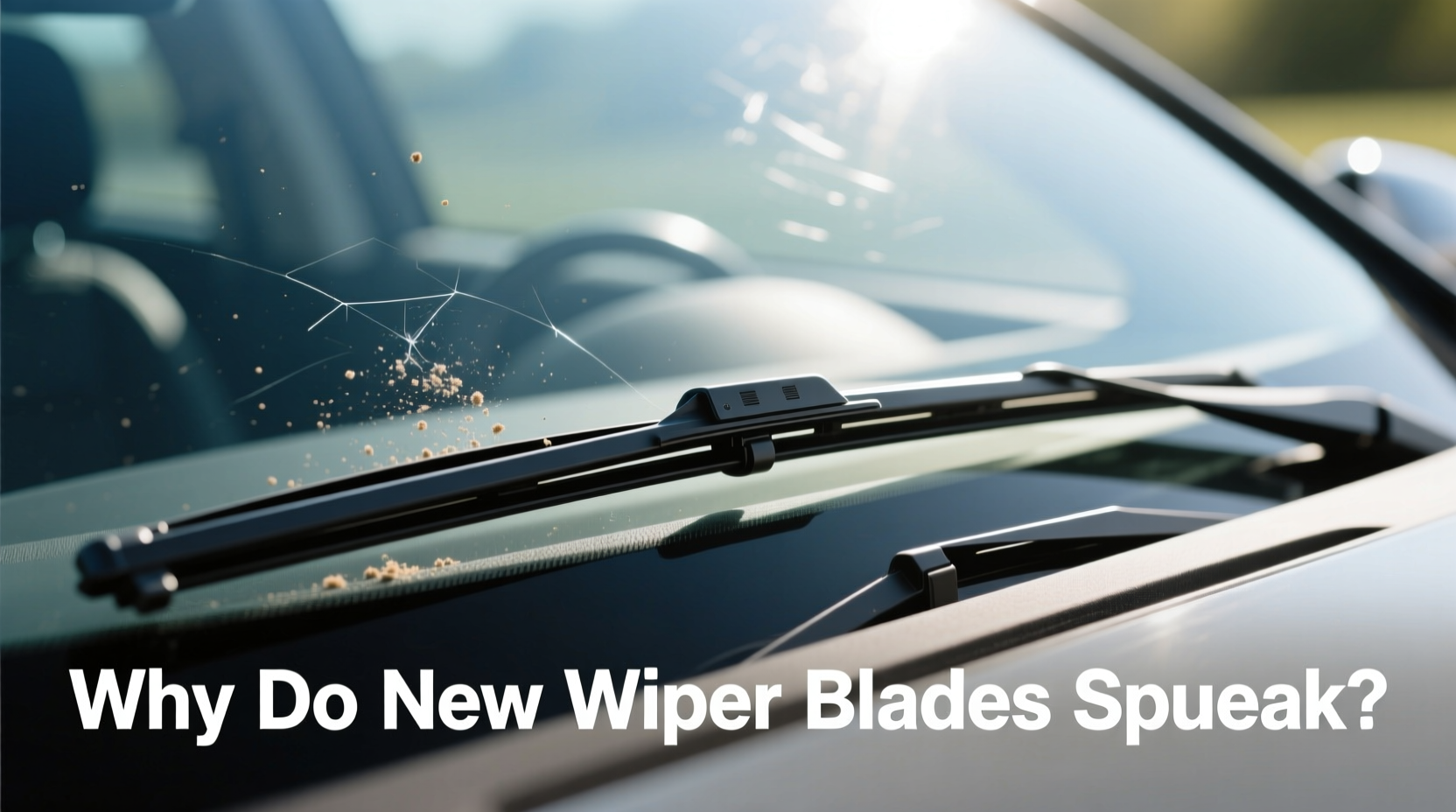
Squeaking occurs when there's inconsistent contact or friction between the wiper blade rubber and the windshield surface. In a perfect scenario, the blade glides smoothly across glass, removing moisture and debris with minimal resistance. However, several physical and chemical factors disrupt this ideal motion.
The primary mechanism behind the noise is stick-slip friction: as the rubber adheres slightly to the glass, it momentarily \"sticks,\" then releases abruptly, creating a vibration that we perceive as a squeak. This phenomenon intensifies under dry conditions or when contaminants interfere with the blade-to-glass interface.
New wiper blades are not immune to this issue. In fact, their pristine rubber edges may initially have higher surface tension, making them more prone to grabbing at microscopic imperfections on the windshield. Additionally, many modern windshields have coatings or accumulated residues that interact poorly with fresh rubber compounds.
“Even OEM-grade wipers can squeak if the windshield isn't properly prepared. Cleanliness matters as much as blade quality.” — Mark Tran, Automotive Glass Specialist, 15+ years in vehicle maintenance
Common Causes of Squeaking in New Windshield Wipers
While worn-out blades are a well-known culprit for noisy operation, new ones should theoretically perform better. Yet, numerous drivers report immediate squeaking after replacement. Here are the most frequent underlying reasons:
1. Contaminated Windshield Surface
Over time, windshields accumulate invisible layers of wax, road film, tree sap, industrial fallout, and even interior plasticizers that migrate from dashboards. These substances create a slick yet uneven surface that interferes with consistent rubber contact. A new blade dragging over this residue will chatter and squeak despite being perfectly functional.
2. Improper Installation or Alignment
If the wiper arm isn’t seated correctly onto the blade connector, or if the blade isn’t snapped securely into place, the rubber edge won’t maintain uniform pressure across the windshield. Misalignment leads to lifting at one end, causing intermittent contact and noise.
3. Dry Run or Low Moisture Conditions
Testing new wipers without water—especially on a dry, sunny day—is a common mistake. Rubber-on-dry-glass generates high friction, leading to loud squeals. Always use washer fluid when testing or operating wipers, even briefly.
4. Inferior or Mismatched Blade Design
Not all “new” blades are created equal. Some aftermarket models use stiffer rubber or outdated frame designs that don’t conform well to curved windshields. Even slight rigidity prevents full contact, increasing the chance of vibration and noise.
5. Oily Residue from Manufacturing
Some new wiper blades come coated with a thin release agent used during manufacturing. While meant to prevent sticking in packaging, this film can reduce traction and cause slippage until fully removed through cleaning.
Step-by-Step Guide to Eliminate Wiper Squeak
Resolving squeaky new wipers requires a systematic approach. Follow these steps in order to diagnose and fix the issue effectively:
- Clean the Windshield Deeply
Use a dedicated automotive glass cleaner or a 50/50 mix of water and isopropyl alcohol. Apply with a microfiber cloth using vertical strokes, then repeat horizontally to ensure full coverage. Avoid household cleaners containing ammonia, which can damage tint or interior trim. - Inspect and Clean the Wiper Blades
Wipe down the rubber edge with rubbing alcohol on a lint-free cloth. Look for nicks, folds, or embedded debris like sand or grit. Gently run your finger along the edge to feel for irregularities. - Verify Proper Installation
Double-check that the blade clicks firmly into the wiper arm’s hook or pin mechanism. For bayonet-style connectors, ensure the locking tab is engaged. Refer to your vehicle manual or the blade manufacturer’s guide for compatibility. - Test with Washer Fluid
Never test wipers on a dry windshield. Spray ample washer fluid and activate the wipers for 10–15 seconds. Listen closely—if the squeak diminishes with liquid, the issue is likely surface friction rather than mechanical failure. - Apply a Windshield Treatment (Optional)
Products like Rain-X or Aquapel create a hydrophobic layer that reduces friction and improves wipe quality. However, apply only after thorough cleaning and allow proper curing time (usually 15–30 minutes). - Reassess Performance After 24 Hours
Sometimes, new blades need brief conditioning. Drive in light rain or misty conditions to let the rubber conform naturally to the windshield curvature.
Do’s and Don’ts: Maintaining Quiet Wiper Operation
| Do’s | Don’ts |
|---|---|
| ✔ Clean the windshield monthly with alcohol-based solution | ✘ Use paper towels or abrasive cloths to clean glass |
| ✔ Replace wiper fluid regularly with winter-grade formula in cold climates | ✘ Operate wipers on icy or snow-covered glass |
| ✔ Inspect blades every 3 months for stiffness or cracking | ✘ Let wipers sit pressed against frozen glass overnight |
| ✔ Lift wipers during heavy snowstorms to prevent ice binding | ✘ Ignore persistent chattering—address early before damage occurs |
| ✔ Choose beam-style blades for better aerodynamic contact | ✘ Buy the cheapest blades to save a few dollars |
Real-World Example: A Case of Premature Squeaking
Consider Sarah, a commuter in Portland, Oregon, who replaced her aging wipers ahead of the rainy season. Within days, she noticed a high-pitched squeal every time she turned them on—even during drizzle. Frustrated, she assumed she’d purchased defective units and considered returning them.
Instead, she followed a mechanic’s advice: she cleaned her windshield with isopropyl alcohol and wiped the new blade edges. To her surprise, the squeaking vanished after two cycles. Upon closer inspection, she realized her previous car wash had applied a water-repellent coating that hadn’t been fully removed. The new blades were reacting to that residual layer. Once cleared, performance improved dramatically.
This case illustrates how external factors—not the wipers themselves—are often responsible for noise. Jumping to conclusions about product quality can lead to unnecessary returns and missed opportunities for simple fixes.
Expert-Recommended Maintenance Checklist
- ✅ Clean windshield monthly with alcohol-based cleaner
- ✅ Wipe wiper rubber edges every 6 weeks
- ✅ Check wiper arm tension annually (arms should hold position when lifted halfway)
- ✅ Replace wiper fluid with de-icing formula in winter
- ✅ Avoid using wipers to clear ice or frost
- ✅ Park with wipers lifted in snowy conditions
- ✅ Replace blades every 6–12 months, regardless of appearance
Frequently Asked Questions
Can I lubricate my windshield wipers to stop squeaking?
No, adding oils or silicone sprays is not recommended. Lubricants attract dust and grime, creating buildup that worsens performance and damages rubber over time. Instead, focus on cleaning both the glass and blade surfaces.
Will Rain-X or similar treatments cause squeaking?
They can—especially if applied incorrectly. Over-application or failure to buff off excess leaves a hazy film that disrupts blade movement. Always follow product instructions precisely, and re-clean the windshield with alcohol if squeaking begins after treatment.
How long should new wipers take to \"break in\"?
Most quality blades perform optimally from day one. If squeaking persists beyond 24 hours of normal use (including wet conditions), it indicates an issue with installation, contamination, or blade mismatch—not a break-in period.
Final Thoughts: Silence Starts with Smart Care
A squeaky windshield wiper—even a new one—isn’t just annoying; it’s a sign that something in your vehicle’s wiping system needs attention. More often than not, the problem lies not in the blade itself but in overlooked details: a dirty windshield, improper setup, or environmental factors. By taking a methodical approach to diagnosis and maintenance, you can restore smooth, silent operation and ensure maximum visibility in adverse weather.
Don’t dismiss the noise as inevitable or accept poor performance from “new” parts. With the right knowledge and routine care, your windshield wipers can deliver the quiet, streak-free results you expect—right from the first swipe.




 浙公网安备
33010002000092号
浙公网安备
33010002000092号 浙B2-20120091-4
Comments
No comments yet. Why don't you start the discussion?