
Limited edition keychains may seem like small, simple accessories at first glance, but for collectors around the world, they represent far more than just a way to hold keys. These miniature objects—often no larger than a thumb—carry cultural weight, emotional resonance, and sometimes significant financial value. From anime collaborations to luxury brand drops, limited edition keychains have evolved into sought-after collectibles that bridge fashion, fandom, and fine art. Understanding why people collect them—and what gives them worth—reveals a deeper story about identity, scarcity, and the modern collector’s mindset.
The Psychology Behind Keychain Collecting
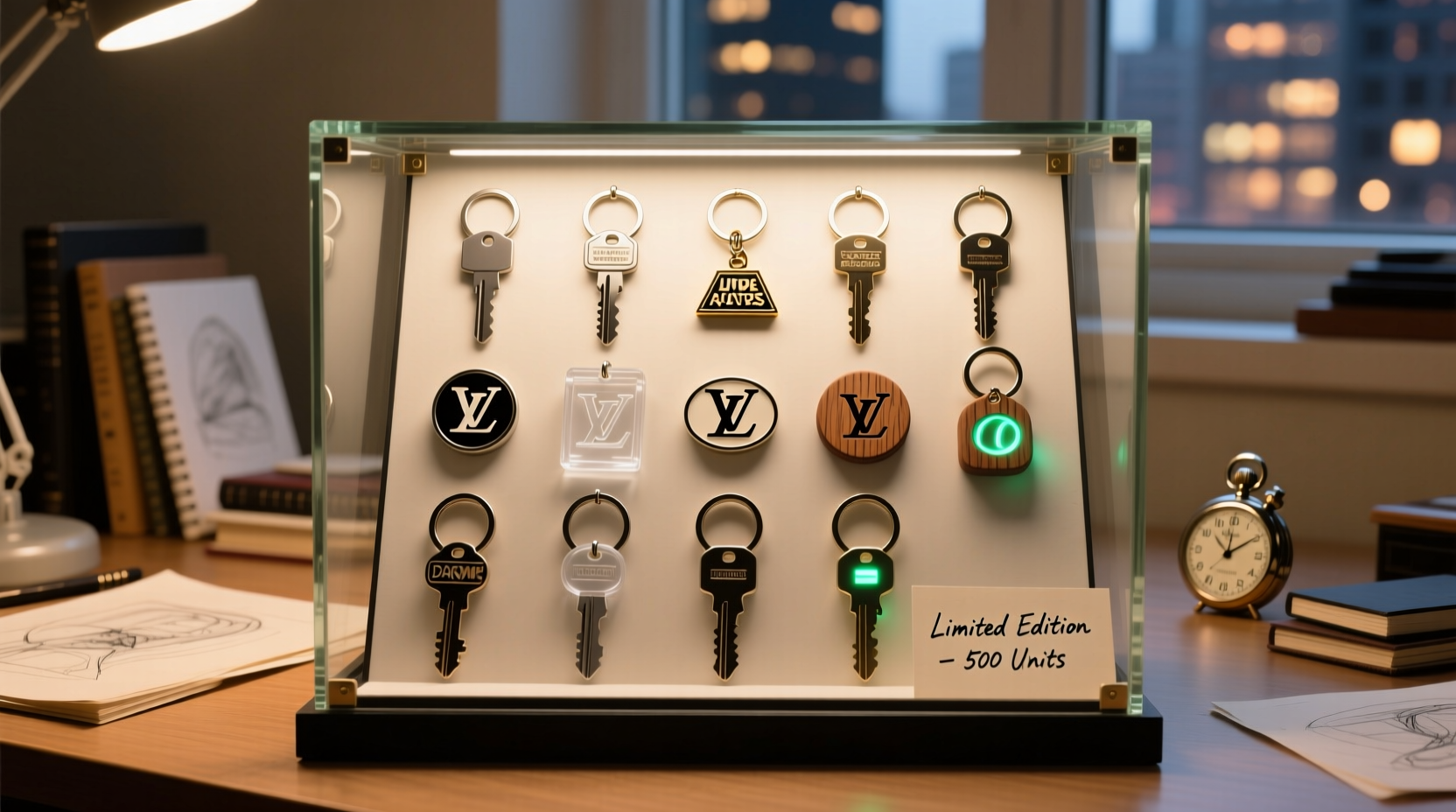
At its core, collecting is a deeply human behavior. It satisfies a desire for order, meaning, and personal expression. Limited edition keychains, though modest in size, serve as tangible symbols of experiences, affiliations, and passions. For many, each piece represents a moment in time: a concert attended, a trip taken, or a milestone achieved. The act of acquiring and curating these items fosters a sense of continuity and accomplishment.
Psychologists often link collecting to emotional attachment and identity formation. A keychain from a favorite band tour isn’t just metal and enamel—it’s a memory trigger. Similarly, owning a rare Disney Parks exclusive can evoke childhood nostalgia while also signaling insider knowledge within a fan community. This emotional layer amplifies perceived value beyond material cost.
Moreover, the thrill of the hunt plays a crucial role. Scarcity breeds excitement. When a keychain is released in a run of only 500 units, the pursuit becomes part of the experience. Whether securing one through a timed online drop or finding it secondhand after months of searching, the journey adds narrative depth to the object itself.
What Makes a Limited Edition Keychain Valuable?
Not all keychains appreciate in value. What separates a mass-produced souvenir from a prized collectible? Several interrelated factors determine worth:
- Rarity: The fewer units produced, the higher the demand if interest persists.
- Design Quality: Intricate detailing, use of premium materials (like enamel, metal alloys, or resin), and artistic merit elevate desirability.
- Brand or Franchise Association: Items tied to globally recognized names—such as Studio Ghibli, Supreme, or Sanrio—gain instant credibility and audience reach.
- Release Context: Was it part of a commemorative event, collaboration, or anniversary? Provenance matters.
- Condition: Mint condition with original packaging commands top prices, especially in secondary markets.
For example, a 2019 My Neighbor Totoro x Uniqlo acrylic keychain set, originally priced at $15, now sells for over $100 on resale platforms due to high demand and low reissue probability. Conversely, widely available replicas lack scarcity and thus remain low-value despite similar appearance.
“Collectibles aren’t just about ownership—they’re about storytelling. Each piece tells a story of culture, timing, and passion.” — Dr. Lena Tran, Cultural Anthropologist specializing in consumer rituals
How Scarcity and Exclusivity Drive Demand
Scarcity is perhaps the most powerful driver of value in the collectibles market. Brands and creators intentionally limit production runs to generate urgency and exclusivity. A “limited to 300 pieces worldwide” label transforms a functional item into a status symbol.
This strategy works because it taps into behavioral economics principles such as FOMO (fear of missing out) and social proof. When collectors see others pursuing an item, their own desire intensifies. Platforms like StockX and eBay now track historical sales data, allowing buyers to monitor price trends and anticipate future appreciation.
Some brands go further by introducing tiered access. For instance, Japanese retailers often release keychains exclusively to members of fan clubs or those who spend above a certain threshold during promotional periods. This creates a hierarchy among collectors, where possession signals not just taste but also dedication and privilege.
Real Example: The Case of the Lost Pikachu Keychain
In 2021, a translucent yellow Pikachu keychain was briefly sold at a pop-up shop in Osaka before being pulled due to a design error—the character’s cheeks lacked the signature red dots. Only 78 were distributed before the recall. Initially ignored, the “error” version gained cult status after a Reddit thread highlighted its uniqueness.
By 2023, one unopened unit sold on Yahoo Auctions Japan for ¥87,000 (~$570 USD). The buyer, a long-time Pokémon collector from Singapore, described it as “a glitch in perfection that became legendary.” This case illustrates how unintended scarcity, combined with community validation, can turn a minor accessory into a trophy piece.
Investment Potential and Market Trends
While most collectors start out of passion rather than profit, many limited edition keychains have proven to be surprisingly sound micro-investments. Unlike larger collectibles (e.g., sneakers or watches), keychains require minimal storage space and lower upfront costs, making them accessible entry points into the alternative assets market.
Platforms like Mercari, Grailed, and Mandarake specialize in Japanese and global collectibles, offering transparent pricing history and authentication services. Savvy collectors monitor release calendars, pre-order strategically, and hold items until demand spikes—often years later.
| Keychain Type | Original Price | Avg. Resale Value (5 yrs) | Appreciation Rate |
|---|---|---|---|
| Sanrio × Comme des Garçons Heart Bear | $28 | $190 | +578% |
| Nintendo 35th Anniversary Metal Link | $20 | $85 | +325% |
| General Admission Theme Park Souvenir | $12 | $10 | -17% |
| Bandai S.H. Figuarts Accessory Pack | $18 | $60 | +233% |
The data shows a clear pattern: collaborative releases between high-fashion labels and pop culture icons yield the highest returns. Meanwhile, generic souvenirs rarely retain value unless associated with a closed or iconic location (e.g., a discontinued theme park ride).
Step-by-Step Guide to Building a Valuable Keychain Collection
Starting a collection with both enjoyment and long-term value in mind requires strategy. Follow this timeline to build thoughtfully:
- Define Your Niche (Month 1): Focus on a specific theme—anime, streetwear, music, or travel. Specialization increases expertise and recognition.
- Research Past Releases (Months 2–3): Use forums like Reddit’s r/keychaincollectors or Japanese auction archives to identify patterns in value growth.
- Set a Budget & Track Drops (Ongoing): Allocate monthly funds and subscribe to brand newsletters or Discord groups for early alerts.
- Purchase Strategically (As Opportunities Arise): Prioritize sealed, numbered editions. Avoid damaged or heavily used pieces unless historically significant.
- Store Properly (Immediately After Purchase): Use acid-free sleeves or display cases away from sunlight and humidity.
- Evaluate Annually (Every 12 Months): Compare current resale values against your acquisition cost. Consider selling underperformers to reinvest in stronger assets.
Common Pitfalls to Avoid
New collectors often make mistakes that diminish value or lead to disappointment. Awareness helps prevent costly errors:
- Overpaying at Launch: Hype can inflate initial resale prices. Wait 3–6 months to assess true market demand.
- Neglecting Provenance: Without receipts or certificates, authenticity claims weaken, especially for high-value items.
- Improper Storage: Exposure to moisture causes tarnishing; UV light fades colors. Store flat and shielded.
- Ignoring Counterfeits: The keychain market has seen a rise in bootlegs, particularly from popular anime or luxury crossovers. Buy from verified sellers only.
“Authenticity isn’t assumed—it’s documented. Always keep purchase records and compare details against official product images.” — Hiroshi Nakamura, Vintage Merchandise Authenticator
Frequently Asked Questions
Are limited edition keychains a good investment?
They can be, but only if chosen carefully. Like any collectible, success depends on rarity, condition, and sustained cultural relevance. While not as liquid as stocks, some keychains have outperformed traditional investments over five-year horizons. Treat them as passion-driven assets, not guaranteed profit vehicles.
How do I verify the authenticity of a rare keychain?
Check manufacturer markings, weight, paint finish, and packaging details. Compare with official product photos or consult expert forums. For high-value purchases, consider third-party authentication services like JCGA (Japan Collectible Goods Association) or platform-specific verification programs.
Can I wear my limited edition keychains daily?
You can, but doing so risks scratches, dents, and fading—especially with enamel or soft metals. Most serious collectors maintain two sets: one for display and another for casual use. If worn, rotate frequently to minimize wear on any single piece.
Conclusion: More Than Just Metal and Memory
Limited edition keychains occupy a unique space between utility and artistry. They are small enough to fit in a pocket, yet capable of carrying immense personal and cultural significance. Their value emerges not from intrinsic material worth, but from the stories they tell, the communities they connect, and the discipline of thoughtful collecting.
Whether you're drawn to them for nostalgia, design, or investment potential, approaching keychain collecting with intention transforms it from a hobby into a meaningful practice. Start with curiosity, build with knowledge, and preserve with care. Over time, even the smallest charm might become your most treasured possession.




 浙公网安备
33010002000092号
浙公网安备
33010002000092号 浙B2-20120091-4
Comments
No comments yet. Why don't you start the discussion?