
As holiday seasons roll around, homes light up with festive cheer—much of it powered by LED Christmas lights. Known for their energy efficiency and long lifespan, LEDs have largely replaced traditional incandescent bulbs. Yet many homeowners notice a curious detail: some strings of LED lights feel warm to the touch, while others remain cool. This raises questions about performance, safety, and even product quality. Understanding why this happens—and what it means—can help you make smarter, safer decorating choices.
The Science Behind LED Heat Generation
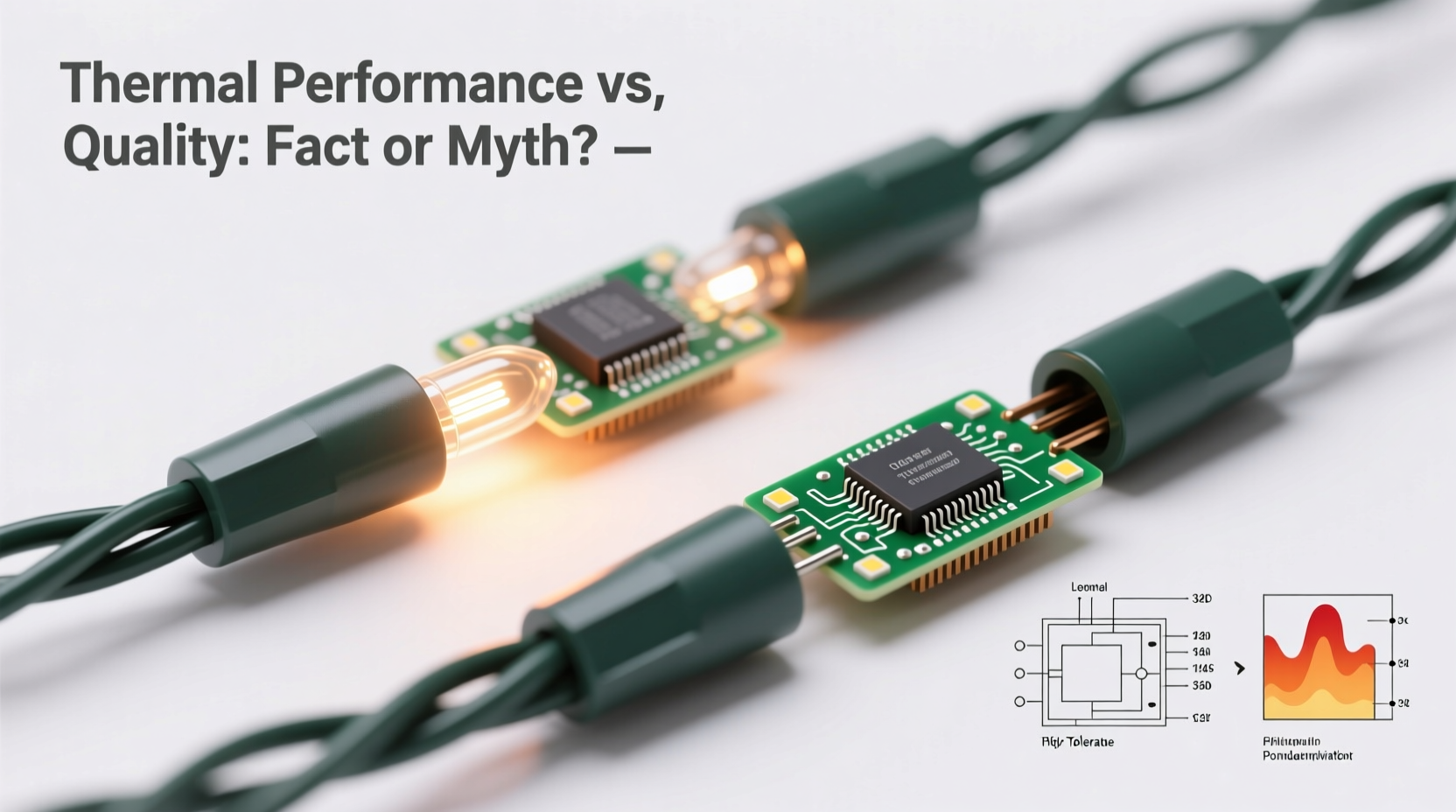
Despite common belief, LED (light-emitting diode) bulbs are not 100% efficient at converting electricity into visible light. While they produce far less heat than incandescent or halogen bulbs, they still generate some thermal energy. The difference lies in how and where that heat is produced.
In an incandescent bulb, heat is a byproduct of resistance heating—a filament heated until it glows. Over 90% of the energy consumed becomes heat, not light. In contrast, LEDs generate light through electroluminescence, a process that excites electrons within a semiconductor material. This method is vastly more efficient, typically converting 80–90% of energy into light. However, the remaining 10–20% becomes heat, primarily concentrated at the base of the LED chip—the junction point.
This heat doesn’t radiate outward like in traditional bulbs; instead, it builds up at the semiconductor level. If not properly dissipated, it can reduce efficiency, shorten lifespan, and even cause premature failure. That’s why well-designed LED systems incorporate heat sinks, circuit regulation, and quality materials to manage thermal output.
“LEDs don’t emit infrared radiation like incandescents, but they still require thermal management. The heat you feel isn’t from the light—it’s from electrical resistance in the circuitry.” — Dr. Alan Reyes, Electrical Engineer & Lighting Specialist
Why Some LED Lights Feel Warm and Others Stay Cool
The temperature variation between different LED Christmas light strings comes down to three primary factors: design, power load, and component quality.
1. Circuit Design and Power Density
Lights designed with higher lumen output or densely packed LEDs often draw more current. Even though each individual LED uses minimal power, a string of 100 or more LEDs on a single circuit increases total energy consumption and resistive heating in wires and connectors. This cumulative effect can make the central plug, transformer, or wire sections noticeably warm.
Cheaply made strings may use thinner gauge wiring, which has higher resistance and thus generates more heat under load. In contrast, premium lights often use thicker wires and better-insulated circuits to minimize resistance and heat buildup.
2. Presence of Resistors and Drivers
Most low-voltage LED strings include current-limiting resistors or small driver circuits to regulate power. These components inherently generate heat as they dissipate excess voltage. The warmth you feel is often localized near these electronic parts—especially at the male plug end or inline transformer.
Higher-end LED strings may use constant-current drivers that are more efficient and produce less waste heat. Cheaper models often rely on simple resistors, which are less efficient and hotter under continuous operation.
3. Heat Dissipation Materials
Premium LED lights sometimes feature small metal heat sinks embedded in the bulb base or housing. These help draw heat away from the diode junction. Most mini Christmas lights, however, are molded in plastic with no dedicated cooling mechanism. As a result, heat remains trapped near the circuit board or connector points.
Does Warmth Indicate Poor Quality?
Not necessarily. A slight warmth in LED Christmas lights—particularly at connection points—is normal and not a sign of defect. However, excessive heat, especially if accompanied by flickering, dimming, or a burning smell, can signal underlying issues.
Quality indicators related to heat include:
- Consistent temperature: High-quality lights maintain stable operating temperatures even after hours of use.
- Localized heating: Heat should be confined to the plug or driver—not spread across multiple bulbs or wires.
- No discoloration or melting: Overheating can warp plastic housings or degrade insulation, indicating inadequate thermal design.
- UL certification: Reputable brands undergo safety testing to ensure safe thermal performance under normal conditions.
That said, cooler-running lights aren’t automatically superior. Some ultra-efficient LEDs run cool because they operate at lower brightness levels. Conversely, brighter, high-output LED strings may run slightly warmer due to increased power draw—but still remain within safe limits if properly engineered.
Case Study: Comparing Two Popular Brands
A homeowner purchased two sets of 100-light LED Christmas strings for her porch display—one from a national discount retailer ($7.99), the other from a specialty lighting brand ($24.99). Both were labeled “energy-saving” and “long-lasting.” After four hours of continuous use:
- The budget set felt warm along the first 12 inches of wire near the plug, with one bulb showing slight discoloration.
- The premium set remained cool throughout, with only mild warmth at the transformer.
An electrician inspected both using a thermal camera. The budget string showed a hotspot of 118°F (48°C) at the plug, while the premium model peaked at 95°F (35°C). Further analysis revealed the cheaper set used undersized resistors and thinner copper traces on its circuit board, increasing resistance and heat. Though neither posed an immediate fire hazard, the budget lights were more likely to fail prematurely due to thermal stress.
This example illustrates that while some warmth is expected, how and where heat builds up matters significantly for longevity and safety.
How to Choose Safe, High-Quality LED Christmas Lights
Selecting lights that balance performance, efficiency, and thermal safety requires attention to detail. Use the following checklist when shopping.
✅ LED Christmas Light Quality Checklist
- Look for UL, ETL, or CSA certification marks—these indicate independent safety testing.
- Check wire gauge: Thicker wires (lower AWG number) handle current better and resist overheating.
- Inspect the plug and transformer: They should feel warm, not hot, after several hours of use.
- Avoid strings with loose connections, frayed wires, or uneven bulb alignment.
- Prefer lights with constant-current drivers over resistor-based designs when possible.
- Consider lower-density strings (fewer LEDs per foot) for longer runs—they generate less cumulative heat.
- Read customer reviews specifically mentioning heat, burnout, or durability.
Heat Comparison: LED vs. Incandescent vs. Premium LED
| Light Type | Avg. Surface Temp (after 4 hrs) | Energy Use (per 100 lights) | Heat Source | Safety Risk |
|---|---|---|---|---|
| Traditional Incandescent | 180–250°F (82–121°C) | 40 watts | Filament radiation | High – fire hazard near dry materials |
| Budget LED (resistor-driven) | 90–115°F (32–46°C) | 4.8 watts | Circuit resistance, poor heat dissipation | Moderate – risk of early failure |
| Premium LED (driver-regulated) | 80–95°F (27–35°C) | 5.0 watts | Minimal junction/driver heat | Low – safe for indoor/outdoor use |
Note: Despite using slightly more power, premium LEDs often run cooler due to better thermal engineering and efficient current regulation.
Best Practices for Safe Operation
Even high-quality LED lights require proper handling to ensure long-term safety and performance. Follow this step-by-step guide to minimize risks associated with heat buildup.
Step-by-Step: Installing and Monitoring LED Christmas Lights
- Unbox and inspect: Check for damaged wires, cracked bulbs, or loose plugs before use.
- Test indoors first: Plug in the string and let it run for 3–4 hours in a safe location.
- Monitor temperature: Touch the plug, transformer, and mid-section wires. They should be warm, not hot enough to cause discomfort.
- Check for flickering: Intermittent lighting can indicate voltage fluctuations or failing components.
- Install with airflow: Avoid bundling wires tightly or covering them with insulation. Allow space for passive cooling.
- Use outdoor-rated extension cords: Never overload outlets or daisy-chain more than three strings unless rated for it.
- Turn off when unattended: Especially overnight or during storms, reduce fire risk by switching off displays.
Frequently Asked Questions
Can warm LED Christmas lights catch fire?
It is extremely unlikely for modern, certified LED lights to cause a fire. Their operating temperatures are far below ignition points of common materials. However, faulty wiring, damaged insulation, or misuse (e.g., indoor lights used outdoors) can increase risk. Always follow manufacturer guidelines and avoid covering lights with flammable materials.
Do cooler-running LED lights last longer?
Generally, yes. Lower operating temperatures reduce thermal stress on the LED junction and electronic components, slowing degradation. LEDs operated at 68°F (20°C) can last over 50,000 hours, while those consistently above 104°F (40°C) may see lifespan reduced by up to 30%. Proper heat management is key to longevity.
Is it safe to leave LED Christmas lights on all night?
For UL-listed, undamaged lights used according to instructions, overnight operation is generally safe. However, turning them off when not needed saves energy, reduces wear, and minimizes any residual risk. Using a timer is a smart compromise—automating shut-off during late-night hours.
Final Thoughts: Warmth Is Normal—But Manage It Wisely
The warmth you feel from some LED Christmas lights is not inherently dangerous, nor is it always a red flag. It’s often the result of normal electrical resistance in drivers, resistors, or wiring. What matters most is the degree of heat, its location, and the overall build quality.
High-end LED strings prioritize thermal design, using better materials and engineering to keep temperatures in check—even under prolonged use. Budget options may cut corners, leading to hotter operation and shorter lifespans. By understanding the technology behind the glow, you can decorate with confidence, knowing which lights are built to last and which might need closer monitoring.
Ultimately, the best holiday lighting combines beauty, efficiency, and safety. A slightly warm plug isn’t cause for alarm, but consistent attention to product quality, installation practices, and operational habits ensures your celebrations stay bright—and safe—for years to come.




 浙公网安备
33010002000092号
浙公网安备
33010002000092号 浙B2-20120091-4
Comments
No comments yet. Why don't you start the discussion?