
For many people, a quick spritz of air freshener promises freshness—banishing cooking odors, pet smells, or stale air with a burst of floral or citrus scent. But instead of feeling refreshed, some experience an immediate headache, dizziness, or even nausea. If this sounds familiar, you're not alone. Millions report adverse reactions to common room sprays, and the culprits often lie hidden in their ingredient lists. Understanding what's behind these symptoms—and how to identify harmful components—can make a significant difference in your indoor air quality and overall well-being.
The Hidden Cost of Freshness: How Air Fresheners Affect Health
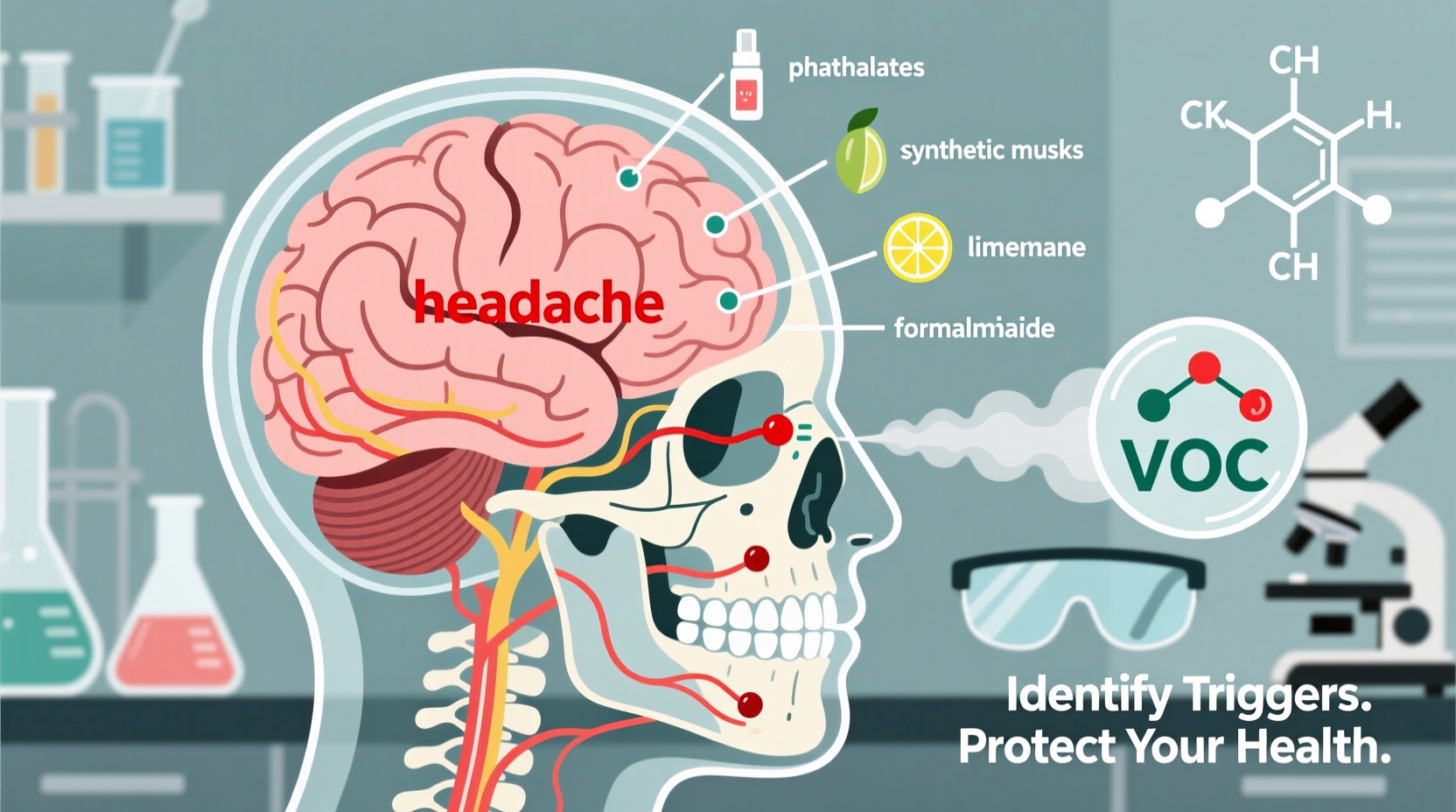
Room sprays are designed to alter the sensory environment, but they do so by releasing volatile organic compounds (VOCs) into the air. These chemicals evaporate at room temperature and can be inhaled directly into the lungs and bloodstream. While manufacturers often list only a few ingredients, many fragrances contain dozens—or even hundreds—of undisclosed chemical compounds protected under trade secret laws.
The U.S. Environmental Protection Agency (EPA) has found that indoor VOC levels can be up to five times higher than outdoor levels, especially after using products like aerosol sprays. Common health effects include:
- Headaches and migraines
- Eye, nose, and throat irritation
- Dizziness and fatigue
- Asthma exacerbation
- Allergic skin reactions
According to Dr. Anne Steinemann, a leading researcher on fragrance chemicals at the University of Melbourne, “Fragranced products emit hazardous air pollutants—even those labeled ‘green’ or ‘natural.’ In one study, we found that nearly 20% of Americans reported health problems from air fresheners.”
“Fragranced products emit hazardous air pollutants—even those labeled ‘green’ or ‘natural.’” — Dr. Anne Steinemann, Environmental Scientist
Top Headache-Inducing Ingredients in Room Sprays
While not everyone reacts the same way, certain chemicals are consistently linked to neurological and respiratory sensitivity. Below are the most common offenders found in commercial room sprays.
1. Phthalates
Used to make fragrances last longer, phthalates are endocrine disruptors linked to hormonal imbalances, reproductive issues, and neurodevelopmental concerns. They are rarely listed explicitly—often hidden under the term “fragrance” or “parfum.” Diethyl phthalate (DEP) is frequently used in sprays and has been associated with headaches and dizziness upon exposure.
2. Formaldehyde-Releasing Preservatives
Some sprays contain preservatives like quaternium-15 or DMDM hydantoin, which slowly release formaldehyde—a known carcinogen and potent irritant. Even low-level exposure can trigger headaches, coughing, and watery eyes, particularly in sensitive individuals.
3. Ethanol and Isopropyl Alcohol
These solvents help disperse fragrance oils but can evaporate quickly, contributing to VOC buildup. In poorly ventilated spaces, alcohol-based propellants may lead to lightheadedness and headaches, especially in people with chemical sensitivities.
4. Synthetic Musks (Galaxolide, Tonalide)
Commonly used to create long-lasting base notes in perfumes and sprays, synthetic musks are persistent environmental pollutants. Studies suggest they may cross the blood-brain barrier and have been detected in human tissue samples. Anecdotal reports link them to migraines and cognitive fog.
5. Parabens
Used as antimicrobial agents, parabens such as methylparaben and propylparaben can mimic estrogen and have been found in breast tumor biopsies. Though primarily dermal concerns, when aerosolized, they may contribute to systemic load and indirect neurological effects.
Who’s Most at Risk?
Not everyone experiences headaches from room sprays, but certain groups are more vulnerable due to biological sensitivity or pre-existing conditions:
- Migraine sufferers: Strong scents are a well-documented migraine trigger. The trigeminal nerve, responsible for facial sensation, can be activated by airborne irritants, leading to pain.
- People with Multiple Chemical Sensitivity (MCS): This condition involves severe reactions to low levels of everyday chemicals. For these individuals, even brief exposure can result in debilitating symptoms.
- Children and pregnant women: Developing brains and bodies are more susceptible to endocrine-disrupting chemicals. Early exposure may have long-term consequences.
- Asthmatics and allergy sufferers: Irritating vapors can provoke bronchoconstriction, wheezing, and sinus pressure that mimics or worsens headaches.
How to Identify Problematic Ingredients: A Step-by-Step Guide
Since full disclosure isn’t mandatory, detecting harmful ingredients requires diligence. Follow this process to assess any room spray before use:
- Read the label carefully. Look for terms like “fragrance,” “parfum,” “phthalate,” “paraben,” or “formaldehyde-releasing.” Avoid products with vague labeling.
- Check for third-party certifications. Look for EPA Safer Choice, MADE SAFE®, or Cradle to Cradle certification, which require full ingredient transparency and toxicity screening.
- Search the product in open databases. Use resources like the Environmental Working Group’s (EWG) Skin Deep database or the Healthy Building Network’s Pharos Project to evaluate safety ratings.
- Test in small doses. Spray once in a well-ventilated area and wait 15–30 minutes. Monitor for any physical reaction before regular use.
- Track symptoms. Keep a journal noting which products you use and any subsequent headaches or discomfort. Patterns will help identify triggers.
Case Study: Sarah’s Experience with Daily Spray Use
Sarah, a 34-year-old office worker from Portland, began experiencing frequent afternoon headaches. Initially, she blamed stress or screen time. After weeks of worsening symptoms, she noticed the headaches always started shortly after her colleague sprayed a popular brand of citrus-scented room mist each morning.
She decided to experiment: On days when the spray wasn’t used, her headaches disappeared. Curious, she looked up the product’s ingredients online and discovered it contained ethanol, phthalates, and undisclosed “fragrance.” With guidance from her allergist, she confirmed a sensitivity to synthetic fragrances.
After advocating for fragrance-free policies in her workspace and switching to essential oil diffusers at home, Sarah’s headaches resolved completely within two weeks. Her case highlights how routine exposures can go unnoticed until systematically evaluated.
Do’s and Don’ts: Room Spray Safety Checklist
| Do | Don't |
|---|---|
| Choose fragrance-free or naturally derived options with full ingredient disclosure | Assume “natural” or “organic” means safe—these terms are unregulated in cleaning products |
| Ventilate rooms before and after spraying | Use sprays in enclosed spaces like bathrooms or small bedrooms without opening windows |
| Opt for non-aerosol alternatives like reed diffusers or linen mists in glass bottles | Use pressurized cans near flames or heat sources—they’re flammable |
| Store sprays out of reach of children and pets | Leave sprays in direct sunlight or hot environments where pressure can build |
| Monitor your body’s response and discontinue use if symptoms arise | Ignore early warning signs like eye irritation or mild dizziness |
Better Alternatives to Conventional Room Sprays
You don’t need synthetic chemicals to keep your space smelling pleasant. Consider these safer, effective substitutes:
- DIY Vinegar-Based Sprays: Mix equal parts water and white vinegar with 10–15 drops of essential oil (e.g., lavender, eucalyptus). Vinegar neutralizes odors rather than masking them.
- Essential Oil Diffusers: Use ultrasonic diffusers with pure essential oils. Avoid heated diffusers, which can degrade oil compounds and increase VOC emissions.
- Baking Soda Bowls: Place bowls of baking soda with a few drops of essential oil in corners of rooms to absorb odors passively.
- Houseplants: Certain plants like peace lilies, spider plants, and snake plants naturally filter indoor air and reduce VOC concentrations.
- Beeswax Candles: When burned, they release negative ions that bind to airborne particles, helping purify the air—unlike paraffin candles, which emit soot and toxins.
Frequently Asked Questions
Can natural essential oils also cause headaches?
Yes. While generally safer, essential oils are highly concentrated plant extracts and can still trigger headaches in sensitive individuals. Peppermint, eucalyptus, and citrus oils are common culprits due to their strong volatility. Always dilute properly and use sparingly in well-ventilated areas.
Why don’t all room sprays list every ingredient?
In many countries, fragrance formulas are considered proprietary information and protected under trade secret laws. This allows companies to group hundreds of chemicals under the single term “fragrance” without disclosing specifics. Advocacy groups are pushing for greater transparency, but regulation remains limited.
Are “unscented” products truly fragrance-free?
Not necessarily. “Unscented” often means that masking fragrances have been added to neutralize odor, not that no fragrance chemicals are present. These masking agents can still contain VOCs and irritants. For true safety, look for “fragrance-free” labels and verified non-toxic certifications.
Taking Control of Your Indoor Environment
Your home should be a sanctuary, not a source of chronic discomfort. Headaches caused by room sprays are not just inconvenient—they’re signals that your body is reacting to invisible chemical stressors. By learning to decode labels, choosing transparent brands, and adopting safer alternatives, you can maintain a fresh-smelling space without compromising your health.
Start small: Replace one conventional spray with a DIY version. Read labels more closely. Pay attention to how different environments make you feel. Over time, these choices add up to cleaner air, fewer headaches, and greater control over your personal wellness.




 浙公网安备
33010002000092号
浙公网安备
33010002000092号 浙B2-20120091-4
Comments
No comments yet. Why don't you start the discussion?