
Thrift shopping is a sustainable, budget-friendly way to refresh your wardrobe. But anyone who’s ever rummaged through racks at a secondhand store knows the familiar scent—damp, musty, or faintly like mothballs. That lingering odor isn’t just unpleasant; it can be puzzling. Why do some gently used garments carry such strong smells? And more importantly, can you get rid of them for good?
The truth is, unwanted odors in thrifted clothing are common but rarely permanent. Understanding their sources—and knowing which cleaning techniques actually work—can transform your finds from “almost great” to wardrobe staples. This guide breaks down the science behind the stink, offers practical solutions backed by textile experts, and gives you a step-by-step plan to restore freshness to every piece.
Why Do Thrift Store Clothes Smell Weird?
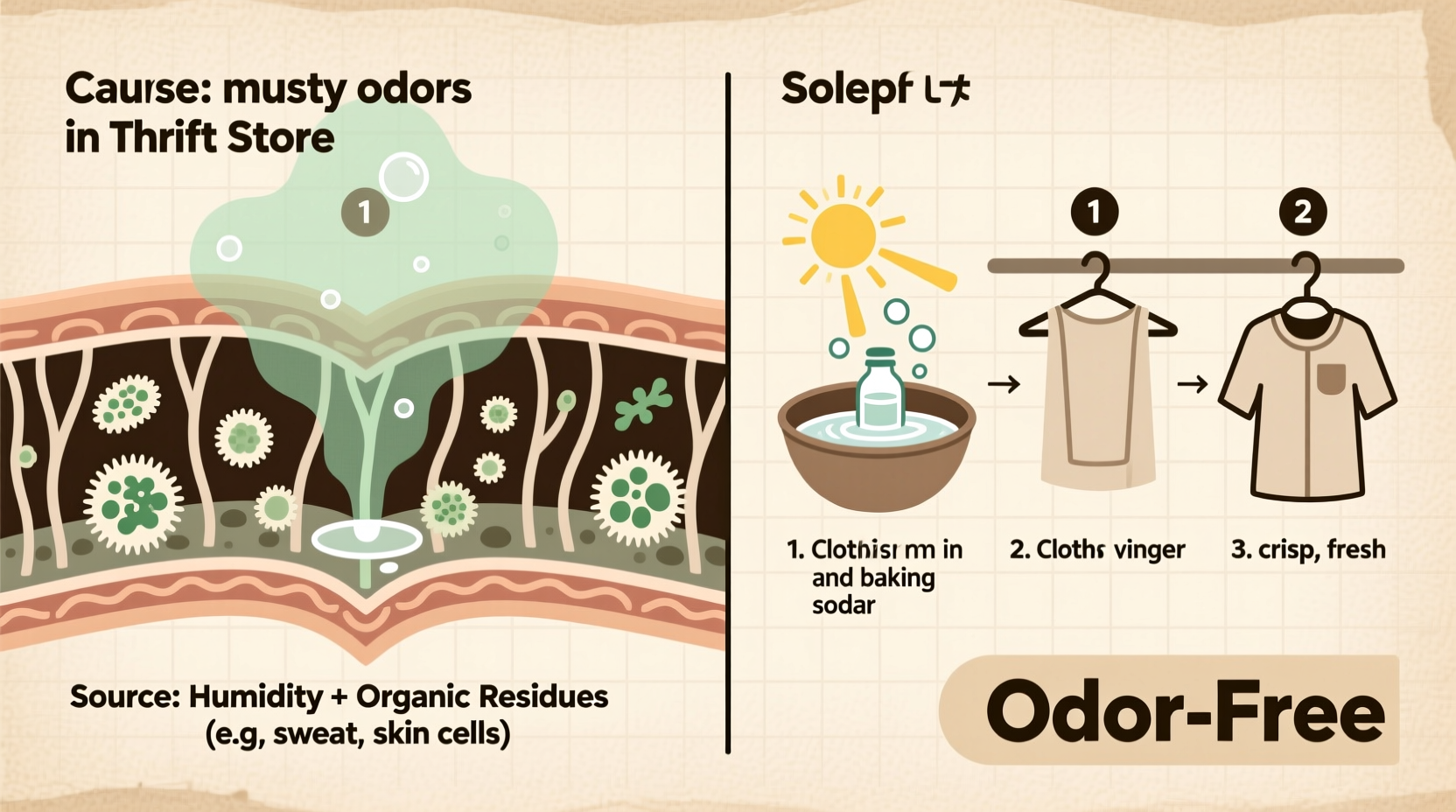
Clothes absorb environmental scents over time, especially when stored improperly. The musty, stale, or chemical odors often found in secondhand garments stem from a combination of biological, chemical, and storage-related factors.
Moisture and Mildew Buildup
One of the most common causes of persistent odor is mildew. When clothes are stored in damp basements, humid attics, or poorly ventilated closets, moisture becomes trapped in the fibers. This creates an ideal breeding ground for mold and mildew spores, which produce volatile organic compounds (VOCs) responsible for that sour, earthy smell.
Fabrics like cotton, wool, and rayon are particularly prone because they’re highly absorbent. Even if the garment looks clean, microscopic moisture can linger deep within the weave.
Long-Term Storage and Poor Ventilation
Many donated items sit in storage for weeks or months before reaching the sales floor. If packed in plastic bags or cardboard boxes without airflow, fabrics begin to off-gas, trapping body oils, perfume residues, and ambient odors. Over time, this leads to a stale, “closed-up” scent similar to old books or unused rooms.
Chemical Residues and Perfume Overload
Some donors attempt to mask odors before donating by dousing clothes in air fresheners, fabric sprays, or perfumes. These synthetic fragrances don’t eliminate bacteria—they merely cover it up. Worse, they can react with natural oils in the fabric, creating new, more pungent compounds. You might detect a cloying sweetness mixed with a sharp chemical aftertaste.
Smoke, Pet, and Kitchen Exposure
Secondhand smoke, pet dander, and cooking fumes (especially frying oil or garlic) deeply penetrate fabric fibers. Unlike surface dirt, these odors bind chemically to textiles and resist standard washing. A jacket from a smoker’s closet or a kitchen apron from a home cook may retain traces long after use.
“Odors in thrifted clothing aren’t always about cleanliness—they’re about history. Every scent tells a story of where the garment has been.” — Dr. Lena Patel, Textile Preservation Specialist, University of Oregon
How to Remove Odors: Effective Methods That Work
Not all odor-removal techniques are created equal. Some popular hacks—like leaving clothes in the freezer or spraying vinegar directly onto delicate fabrics—can damage fibers or set stains. The right method depends on the fabric type, severity of odor, and cause.
Vinegar Soak (For Cotton, Linen, Durable Synthetics)
White distilled vinegar is a natural deodorizer and pH balancer. Its acetic acid neutralizes alkaline odor molecules (like sweat and smoke residue) without bleaching or weakening most fabrics.
To perform a vinegar soak:
- Mix 1 cup of white vinegar with 4 liters of cool water in a basin or bathtub.
- Submerge the garment completely. Agitate gently to ensure full saturation.
- Soak for 30 minutes to 2 hours, depending on odor strength.
- Rinse thoroughly with cold water, then wash as usual with mild detergent.
Baking Soda Pre-Wash Treatment
Baking soda is a gentle abrasive and odor absorber. It works best on dry fabrics or as an additive during washing.
For heavily soiled or smelly items:
- Sprinkle baking soda liberally inside collars, underarms, and linings.
- Let sit for 4–8 hours in a well-ventilated area.
- Shake out excess powder before washing.
Add ½ cup to your laundry detergent during the wash cycle for extra deodorizing power.
Enzyme-Based Cleaners for Organic Odors
Sweat, food spills, and bodily fluids contain proteins that break down into smelly compounds. Regular detergents often fail to fully digest these residues. Enzyme cleaners (like those designed for pet stains) use natural microbes to break down organic matter at the molecular level.
Apply directly to problem areas, allow 15–30 minutes of dwell time, then launder as normal. Safe for most washable fabrics, but test on a hidden seam first.
Airing Out with Sunlight and Fresh Air
Nature’s oldest deodorizer: sunlight. Ultraviolet (UV) rays have mild antibacterial properties and help dissipate trapped VOCs. Hang clothes outside on a breezy day for 2–4 hours. Avoid prolonged exposure, as UV can fade colors and weaken delicate fibers like silk or elastane.
If outdoor space isn’t available, place garments near an open window with a fan blowing across them for several hours.
Step-by-Step Guide: Reviving Smelly Thrift Finds
Follow this systematic approach to maximize odor removal while preserving fabric integrity.
- Inspect and Sort: Check labels for care instructions. Separate by fabric type and colorfastness.
- Dry Evaluation: Smell each item dry. Strong chemical or smoke odors may require specialized treatment.
- Pre-Treat Stains and Odor Zones: Apply enzyme cleaner or baking soda paste to armpits, collars, and hems.
- Choose Cleaning Method: Use vinegar soak for musty items, baking soda for stale smells, enzyme spray for biological odors.
- Wash Gently: Use cold water and a mild, fragrance-free detergent. Avoid overloading the machine.
- Air Dry: Skip the dryer initially. Heat can bake in odors. Line dry outdoors if possible.
- Final Assessment: After drying, re-smell the garment. Repeat treatment if needed.
Do’s and Don’ts of Odor Removal
| Do’s | Don’ts |
|---|---|
| Test treatments on a small, hidden area first | Use bleach on colored or delicate fabrics |
| Wash in cold water to preserve fibers | Overuse vinegar—excess acidity can degrade elastic |
| Air clothes outside when weather permits | Put smelly clothes straight into your closet |
| Use activated charcoal bags for storage odor control | Assume one wash will fix everything—some odors need multiple treatments |
| Store cleaned items with cedar blocks or lavender sachets | Use scented dryer sheets to \"cover up\" odors—they trap residue |
Real Example: From Musty Sweater to Wardrobe Favorite
Jamie, a thrifter from Portland, bought a vintage wool cardigan for $7. It had minor pilling but excellent structure—except for a strong basement smell. She tried washing it once with regular detergent, but the odor remained.
Following a vinegar soak (1 cup per gallon, 1 hour), she rinsed and washed it again with a wool-specific detergent and a handful of baking soda. After line-drying in her backyard for two days, the sweater was completely fresh. She now wears it weekly and stores it with cedar blocks to prevent recurrence.
This case illustrates that even stubborn odors can be eliminated with patience and the right method—no dry cleaning required.
Frequently Asked Questions
Can I use essential oils to make thrifted clothes smell nice?
Yes, but cautiously. Add 5–10 drops of tea tree, lavender, or eucalyptus oil to a vinegar soak or DIY linen spray. Avoid applying undiluted oils directly to fabric, as they can stain or irritate skin. Note: Essential oils mask odors but don’t eliminate them—always clean first.
What should I do if the smell persists after multiple washes?
Persistent odors may indicate deeply embedded smoke or mildew. Try a longer vinegar soak (up to 8 hours), followed by a wash with oxygen bleach (not chlorine). For smoke-affected items, consider professional ozone treatment—available at some eco-cleaners—or sealing the garment in a container with activated charcoal for 48 hours.
Is it safe to wear thrifted clothes without washing them?
No. Even if clothes appear clean, they may harbor bacteria, dust mites, or allergens. Always wash or sanitize before wearing. This is especially important for undergarments, children’s clothing, and items with close facial contact (like scarves or hoodies).
Expert-Recommended Odor Removal Checklist
Use this checklist before adding any thrifted item to your closet:
- ✅ Inspect for stains, holes, and odors
- ✅ Read care labels and sort by fabric type
- ✅ Pre-treat high-odor zones (underarms, collars)
- ✅ Choose appropriate method: vinegar, baking soda, enzyme, or airing
- ✅ Wash with fragrance-free detergent in cold water
- ✅ Air dry whenever possible
- ✅ Re-evaluate after drying—repeat if necessary
- ✅ Store properly with natural odor absorbers
“Cleaning thrifted clothes isn’t just about smell—it’s about respect for the garment and yourself. Proper care honors both sustainability and hygiene.” — Marcus Tran, Sustainable Fashion Educator
Conclusion: Freshen Up Your Secondhand Style
That strange smell from a thrift store rack doesn’t mean the garment is ruined. With the right knowledge and tools, nearly any odor can be removed safely and effectively. Whether it’s mildew from damp storage or lingering perfume from a previous owner, targeted treatments like vinegar soaks, enzyme cleaners, and proper airing can restore freshness without damaging fabric.
Thrift shopping is an act of environmental responsibility and personal expression. By mastering odor removal, you expand your options, save money, and reduce waste—all while building a unique, well-cared-for wardrobe.




 浙公网安备
33010002000092号
浙公网安备
33010002000092号 浙B2-20120091-4
Comments
No comments yet. Why don't you start the discussion?