
White clothing is a wardrobe staple—crisp, clean, and timeless. But over time, even the most carefully washed whites can lose their luster, fading into a dull, grayish hue that makes them look old and worn. This transformation isn't inevitable, nor does it mean your garments are beyond saving. Understanding the science behind graying and adopting natural restoration techniques can breathe new life into your laundry routine. The good news? You don’t need bleach or synthetic brighteners to reclaim that fresh-from-the-store glow.
The Science Behind Graying: Why White Clothes Lose Their Brightness
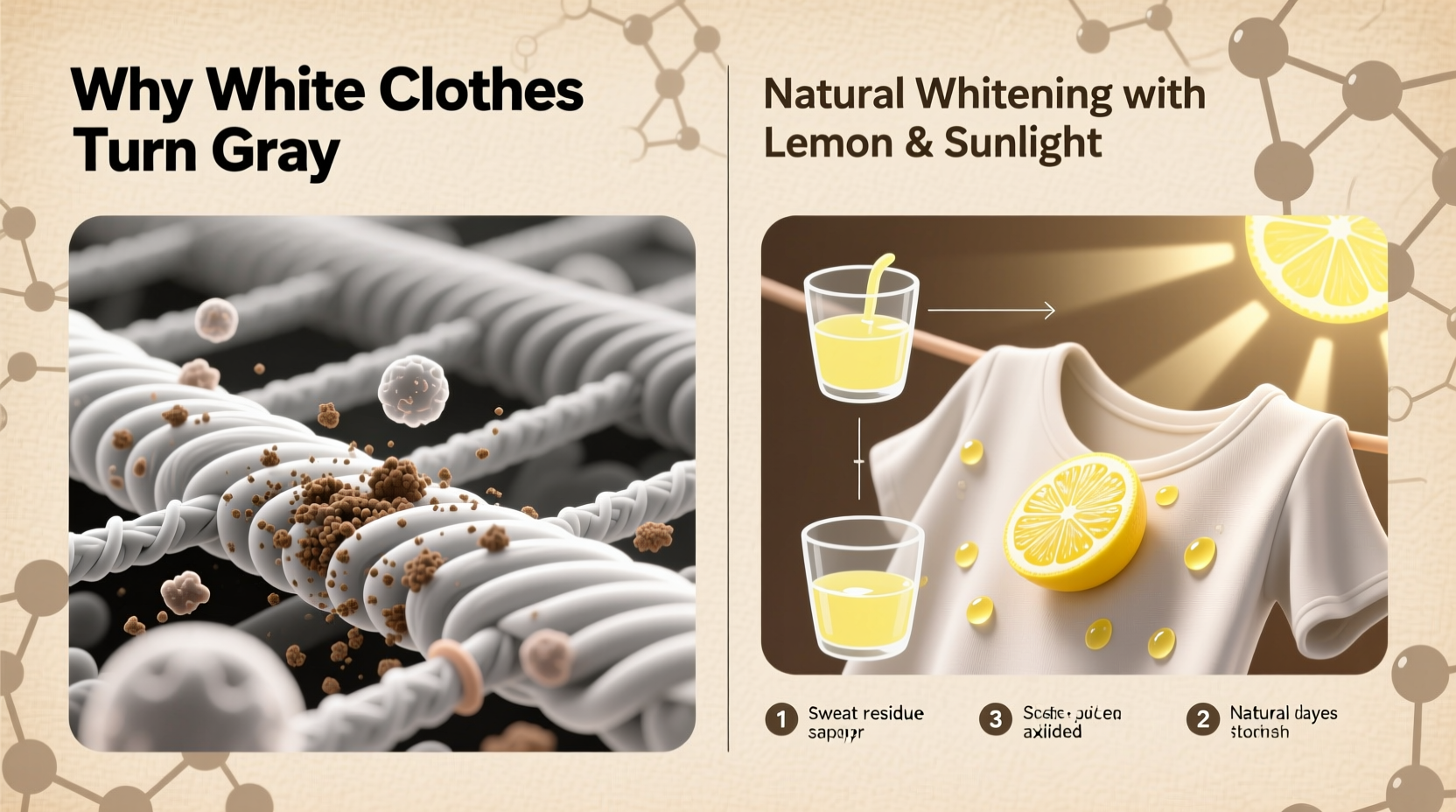
White fabrics don’t “age” in the same way skin does, but they do degrade under repeated stress from washing, environmental exposure, and chemical interactions. The primary reasons white clothes turn gray include:
- Mineral buildup: Hard water contains calcium and magnesium ions that bind to fabric fibers, creating a cloudy residue that dulls color.
- Detergent residue: Overuse of detergent, especially in cold water, prevents full rinsing. Leftover soap coats fibers, attracting dirt and causing grime accumulation.
- Fabric softener coating: While marketed as beneficial, many liquid fabric softeners leave a waxy film on fibers that reduces absorbency and traps stains.
- Cross-contamination: Washing whites with colored or heavily soiled items transfers microfibers and soil particles, gradually tinting light fabrics.
- Body oils and sweat: Natural sebum, perspiration, and deodorant residues embed into cotton and polyester blends, yellowing and darkening over time.
- Mechanical abrasion: Frequent tumbling in dryers and washing machines breaks down fiber surfaces, making them more prone to trapping dirt.
These factors combine silently across multiple wash cycles. The result? A subtle shift from brilliant white to an unappealing gray—often unnoticed until it’s advanced.
Natural Whitening Agents That Actually Work
Before reaching for chlorine bleach—which weakens fibers and releases toxic fumes—consider nature-based alternatives that safely lift stains and brighten fabric. These household staples are effective, eco-friendly, and gentle on both skin and textiles.
1. Baking Soda (Sodium Bicarbonate)
A mild alkali, baking soda helps neutralize acidic residues like sweat and deodorant. It also softens water by reducing mineral interference during washing, allowing detergents to work more efficiently. When agitated in water, baking soda lifts embedded soils from fabric pores.
2. White Vinegar (Acetic Acid)
Vinegar dissolves mineral deposits and removes detergent buildup. Its slight acidity breaks down alkaline residues left by soaps and softeners. Used in the rinse cycle, vinegar leaves no scent once dried and improves fabric softness without coating fibers.
3. Hydrogen Peroxide (H₂O₂)
Unlike chlorine bleach, hydrogen peroxide oxidizes stains without producing harmful byproducts. It's particularly effective on organic stains like blood, sweat, and food. Safe for most cotton and synthetic blends when diluted properly.
4. Sunlight (UV Radiation)
Ultraviolet rays act as a natural bleaching agent through photodegradation. UV light breaks down chromophores—the parts of molecules responsible for color—in stains and discoloration. Line-drying white clothes in direct sunlight significantly enhances brightness over time.
5. Lemon Juice (Citric Acid + Natural Bleaching)
Lemon juice contains citric acid, which helps dissolve mineral scale and acts as a mild bleaching agent when activated by heat or sunlight. Combined with sun exposure, lemon juice accelerates whitening without damaging most fabrics.
“Natural whitening works best when aligned with fabric chemistry. For example, vinegar excels at removing soap scum, while peroxide targets biological stains.” — Dr. Lena Torres, Textile Chemist at Sustainable Fabric Institute
Step-by-Step Guide to Naturally Whiten Grayed Whites
Restoring your faded whites doesn’t require expensive products or complicated routines. Follow this proven method to revive dingy garments using only common kitchen ingredients.
- Sort and inspect garments: Separate whites from colors. Check labels for care instructions. Remove any loose debris or visible stains first.
- Pre-soak in oxygen-based solution: Fill a basin with warm water (not exceeding 40°C). Add ½ cup hydrogen peroxide and ½ cup baking soda. Submerge clothes for 1–2 hours. For heavily stained items, extend to 4 hours.
- Wash with natural boosters: In your washing machine, use regular detergent along with ½ cup baking soda added directly to the drum. Set the wash cycle to warm water (if fabric allows).
- Rinse with vinegar: During the final rinse, add 1 cup of distilled white vinegar to the fabric softener dispenser or directly into the drum. This removes residual minerals and soap, leaving fibers clean and open.
- Line-dry in direct sunlight: Hang clothes outside on a sunny day. Position them so both sides receive equal UV exposure. If possible, mist lightly with lemon juice before hanging to enhance the bleaching effect.
- Repeat if necessary: For deeply grayed items, repeat the process once weekly for up to three weeks. Most fabrics show noticeable improvement after two treatments.
Do’s and Don’ts: Best Practices for Maintaining Bright Whites
| Do’s | Don’ts |
|---|---|
| Wash whites separately to prevent dye transfer | Never wash whites with dark or new colored clothes |
| Use cold to warm water (max 40°C) to preserve fibers | Avoid hot water unless sanitization is needed—it sets stains |
| Add ½ cup baking soda per load for brighter results | Don’t overload the machine; clothes need room to agitate |
| Rinse with white vinegar to eliminate residue | Don’t use liquid fabric softener regularly—it coats fibers |
| Dry in sunlight whenever possible | Avoid prolonged dryer use—it causes yellowing over time |
| Treat stains immediately with natural removers (e.g., paste of baking soda and water) | Don’t let soiled clothes sit—stains set with time and washing |
Real Example: Reviving a Family’s Grayed Towel Collection
The Patel family in Portland had noticed their white bath towels becoming increasingly stiff and gray after two years of regular use. Despite using a popular brand-name detergent and fabric softener, the towels no longer felt plush or looked clean—even after washing.
They decided to try a natural restoration approach. First, they discontinued fabric softener and switched to adding ½ cup baking soda in the wash and 1 cup vinegar in the rinse. They pre-soaked the entire stack in a hydrogen peroxide and warm water solution for 90 minutes, then washed on warm. Afterward, they hung the towels outside on a clear spring day.
After just one treatment, the towels were noticeably softer and visibly brighter. After three weekly treatments, they regained nearly their original brightness. Six months later, with consistent maintenance, the towels remain fresh-looking and fully functional—without ever using bleach.
Checklist: How to Keep Your Whites Naturally Bright
Use this checklist monthly to maintain your white garments and linens:
- ☐ Wash whites separately from colored laundry
- ☐ Avoid fabric softeners; opt for vinegar instead
- ☐ Pre-treat visible stains before washing
- ☐ Soak dingy items in baking soda + hydrogen peroxide solution every 4–6 weeks
- ☐ Add vinegar to the rinse cycle to remove buildup
- ☐ Dry whites in direct sunlight at least once a month
- ☐ Inspect washing machine monthly for mold or residue
- ☐ Clean detergent drawers and seals to prevent bacterial transfer
Frequently Asked Questions
Can I use apple cider vinegar instead of white vinegar?
While apple cider vinegar has similar acidity, its pigments may stain light fabrics over time. Stick to clear, distilled white vinegar for laundry purposes to avoid unintended discoloration.
Is hydrogen peroxide safe for all white fabrics?
Mostly yes—but always spot-test first. Delicate fabrics like silk or wool should not be treated with hydrogen peroxide. It’s safest for cotton, linen, rayon, and synthetic blends labeled as bleach-safe.
How often should I deep-clean my white clothes?
For regular wear items like t-shirts and underwear, a deep clean every 4–6 washes is sufficient. Bed linens and towels benefit from monthly soaking. Heavily used workwear may need bi-weekly attention.
Conclusion: Restore and Maintain with Nature’s Tools
Grayed whites are not a lost cause—they’re a sign of accumulated wear that can be reversed with informed care. By understanding the root causes of discoloration and leveraging simple, natural solutions, you can keep your white clothes looking fresh, clean, and radiant for years. The methods outlined here are sustainable, cost-effective, and safer for your health and the environment than conventional bleaching agents.




 浙公网安备
33010002000092号
浙公网安备
33010002000092号 浙B2-20120091-4
Comments
No comments yet. Why don't you start the discussion?