
White clothing is a wardrobe staple—crisp, clean, and timeless. But even with careful washing, many people notice that their whites gradually lose their luster, turning dull or even grey after repeated use. This common frustration isn’t inevitable. Understanding the root causes behind this discoloration is the first step toward reversing it. More importantly, knowing how to properly care for white fabrics can prevent greying before it starts. From detergent choices to water hardness and drying habits, multiple factors contribute to the decline in brightness. With targeted strategies and consistent maintenance, faded whites can be revived—and kept brilliantly white for years.
The Science Behind Why Whites Turn Grey
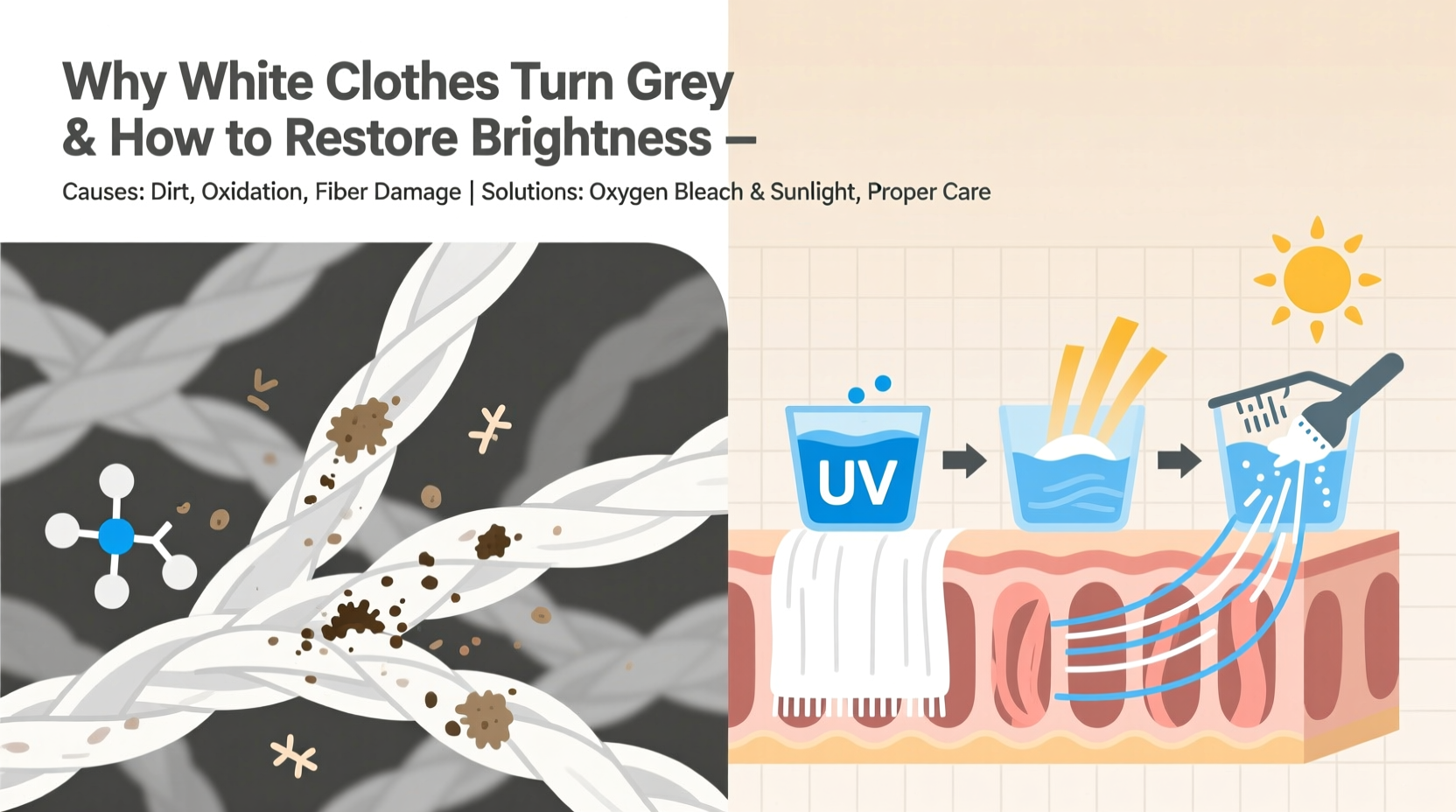
At first glance, a greyed white garment might seem like a simple case of dirt buildup. However, the process is more complex than surface-level soiling. Greying occurs due to a combination of physical, chemical, and environmental factors that degrade fabric fibers and trap residues over time.
One primary cause is incomplete rinsing. When detergent doesn’t fully wash out during the rinse cycle, it binds with minerals in hard water—such as calcium and magnesium—to form insoluble deposits on fabric. These deposits scatter light, making the fabric appear dull or grey rather than bright white.
Another major contributor is lint transfer. Dark-colored garments shed microfibers during washing, which then adhere to lighter fabrics. Over time, this creates a subtle but noticeable grey tint, especially on towels and cotton shirts. Synthetic blends are particularly prone to holding onto these particles due to static charge and fiber structure.
Fabric softeners also play a role. While they make clothes feel softer, they leave behind a waxy coating that builds up on fibers. This residue reduces absorbency and reflects less light, contributing to a dingy appearance. Similarly, insufficient detergent in cold water cycles may fail to break down oils and sweat, allowing organic matter to oxidize and yellow over time.
“Greying isn't just about dirt—it’s often a symptom of poor laundry chemistry. Residue buildup, water quality, and mechanical wear all conspire against brightness.” — Dr. Lena Patel, Textile Chemist at the Institute for Fabric Innovation
Common Mistakes That Accelerate Fabric Dulling
Even with good intentions, everyday laundry habits can unintentionally damage white fabrics. Recognizing these errors is crucial for prevention.
- Overloading the washer: Crowding clothes limits water circulation, leading to inadequate cleaning and increased friction between garments, which breaks down fibers.
- Using too much detergent: Excess suds don’t clean better—they leave behind more residue, especially in high-efficiency machines designed for low-suds formulas.
- Washing whites with darks: Despite using cold water, color bleeding and lint transfer still occur, particularly with new or poorly dyed fabrics.
- Skipping pre-treatment: Sweat stains, deodorant marks, and food spills embed deeper if not addressed before washing, accelerating yellowing and texture changes.
- Drying in direct sunlight for long periods: While UV light has natural bleaching properties, prolonged exposure weakens fibers and can cause yellowing in synthetic blends.
How to Restore Brightness: A Step-by-Step Guide
Reviving greyed whites requires more than just another trip through the wash. A targeted restoration process removes accumulated residues and reactivates the fabric’s reflective properties. Follow this five-step method for best results.
- Sort and inspect garments. Remove any items with irreversible damage (e.g., thinning fabric, permanent stains). Group by fiber type—cotton, polyester, and blends respond differently to treatments.
- Pre-soak in an oxygen-based solution. Fill a basin with warm water (not hot, to avoid setting stains) and add ¾ cup of oxygen bleach (sodium percarbonate). Submerge clothes for 4–6 hours or overnight. This breaks down organic soils and lifts embedded grime without damaging fibers.
- Wash with a high-quality detergent and booster. Use a heavy-duty liquid detergent formulated for whites. Add ½ cup of washing soda (sodium carbonate) to soften water and enhance cleaning power. Avoid chlorine bleach unless absolutely necessary, as it weakens fibers over time.
- Rinse twice. If your machine allows, run an extra rinse cycle to ensure all detergents and loosened particles are flushed away.
- Air-dry when possible. Tumble drying generates static and heat that can bake in residues. Line drying in indirect sunlight gently whitens while preserving fabric integrity.
For severely dulled items, repeat the process once weekly for three weeks. Most garments show visible improvement within two cycles.
Do’s and Don’ts for Maintaining White Clothing
Prevention is far more effective than restoration. Incorporating smart habits into your routine keeps whites brighter longer. The table below outlines key practices to adopt—or avoid.
| Do’s | Don’ts |
|---|---|
| Use oxygen-based bleach regularly (weekly or biweekly) | Use chlorine bleach frequently—it degrades cotton and causes yellowing in synthetics |
| Wash whites inside out to reduce surface abrasion | Overload the washing machine—allow space for movement |
| Treat stains immediately with enzyme-based stain removers | Ignore armpit stains—they contain salts and proteins that oxidize and yellow |
| Use distilled white vinegar in the rinse cycle (½ cup) to remove residue | Use fabric softener—opt for wool dryer balls instead |
| Store clean whites in breathable cotton bags or drawers | Leave damp clothes in the hamper—moisture promotes mildew and yellowing |
Real Example: Restoring a Family’s Faded Towel Collection
The Thompson family had grown used to their bathroom towels appearing permanently dingy, despite regular washing. After switching to a front-loading HE washer, they noticed the problem worsened—towels felt stiff and looked grey after only a few uses.
Upon investigation, they realized they were using double the recommended detergent amount, believing it would improve cleanliness. They also washed towels with bath mats and dark washcloths, unknowingly introducing lint and dye transfer. Their water tested as moderately hard, exacerbating residue buildup.
They implemented a new routine: sorting towels separately, reducing detergent to one capful, adding ½ cup of washing soda, and running an extra rinse. Once a month, they soaked towels in oxygen bleach. Within four weeks, the towels regained their fluffiness and brightness. Six months later, they report that whites stay cleaner longer and require fewer special treatments.
Checklist: How to Keep Whites Bright Long-Term
Consistency is key. Use this checklist monthly to maintain optimal whiteness across your wardrobe and linens.
- ✅ Separate whites from all other colors—including off-white and light grey items
- ✅ Use the correct amount of HE-compatible detergent based on soil level and load size
- ✅ Add oxygen bleach (non-chlorine) every 1–2 washes for preventive maintenance
- ✅ Include ½ cup of white vinegar in the rinse cycle to dissolve mineral and soap deposits
- ✅ Treat underarm, collar, and food stains before washing
- ✅ Avoid fabric softeners; use dryer balls to reduce static and soften naturally
- ✅ Air-dry when possible, especially for delicate or frequently worn items
- ✅ Inspect washing machine monthly for mold, lint buildup, or odor—run a cleaning cycle if needed
Frequently Asked Questions
Can I use lemon juice to whiten clothes?
Yes, but with caution. Lemon juice contains citric acid, which acts as a natural bleaching agent when activated by sunlight. Soak garments in water with ½ cup of lemon juice, then lay them in the sun for 1–2 hours. However, prolonged exposure can weaken fibers, so limit use to sturdy cotton items and never apply directly to synthetics.
Why do my white clothes smell musty even after washing?
This usually indicates microbial growth from trapped moisture or detergent buildup. It’s common in high-efficiency machines that retain water. To fix it, wash affected clothes again with oxygen bleach and vinegar, and ensure they dry completely. Also, leave the washer door open between loads to air it out.
Is it safe to mix vinegar and baking soda in the wash?
Mixing them directly causes a fizzing reaction that neutralizes both substances, reducing their effectiveness. Instead, use them separately: add baking soda to the drum with your detergent for cleaning boost, and use vinegar in the fabric softener dispenser for rinsing.
Conclusion: Reclaim the Brilliance of Your Whites
Greyed white clothes aren’t a lost cause—they’re a signal that your laundry system needs adjustment. By understanding the interplay of water quality, detergent chemistry, and mechanical wear, you can reverse fading and build a sustainable routine that preserves brightness. The transformation doesn’t require expensive products or drastic measures. Simple changes—like proper sorting, using oxygen bleach, avoiding fabric softeners, and ensuring thorough rinsing—make a dramatic difference over time.
Bright whites aren’t just about appearance; they reflect care, attention, and respect for your belongings. Whether it’s a favorite dress shirt, a set of bed linens, or kitchen towels, restoring and maintaining their clarity enhances both confidence and longevity. Start today: pull out one greyed item, treat it with the soaking method outlined here, and see the change for yourself.




 浙公网安备
33010002000092号
浙公网安备
33010002000092号 浙B2-20120091-4
Comments
No comments yet. Why don't you start the discussion?