
At first glance, the phrase “why do wo words matter” appears to be a typo—perhaps a missing “r” in “words.” But even this small error opens a door into a much deeper inquiry: why *do* words matter at all? Beyond grammar and spelling, words are the foundation of human thought, culture, and connection. They shape how we see the world, influence our decisions, and carry centuries of history in their roots. This article explores the power of words—not just as tools for communication, but as living artifacts of human experience.
The Origins of Words: Tracing Language Through Time
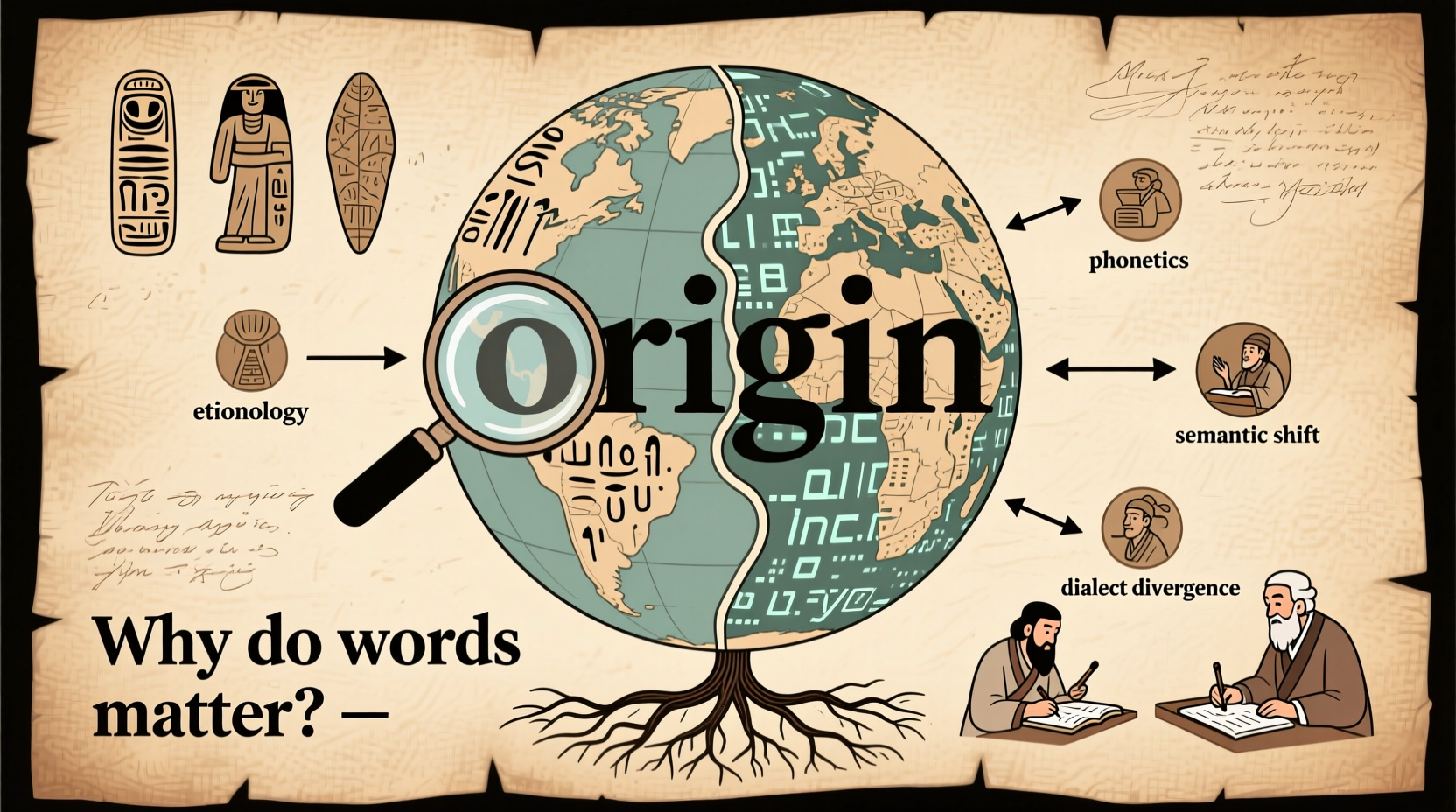
Every word has a story. The English language, for instance, is a mosaic built from Latin, Germanic, French, Norse, and countless other linguistic traditions. Take the word “democracy.” It originates from the Greek *dēmokratia*, meaning “rule by the people,” combining *dēmos* (people) and *kratos* (power). Understanding such roots reveals not just etymology, but ideology—how ancient societies conceptualized governance.
Linguists use comparative methods to trace words back through time, reconstructing proto-languages like Proto-Indo-European. These reconstructions help explain why similar-sounding words exist across vastly different modern languages. For example:
| Word | English | German | Dutch | Origin |
|---|---|---|---|---|
| Mother | Mother | Mutter | Moeder | *méh₂tēr* (PIE) |
| Water | Water | Wasser | Water | *wódr̥* (PIE) |
| Two | Two | Zwei | Twee | *dwóh₁* (PIE) |
This shared vocabulary illustrates how migration, conquest, and trade shaped language. Words are not static; they evolve with society, absorbing new meanings or shedding old ones.
Words Shape Thought and Perception
The Sapir-Whorf hypothesis, a foundational concept in linguistic anthropology, suggests that the structure of a language affects its speakers' worldview. While debated, evidence supports the idea that vocabulary influences cognition. For instance, the Inuit languages have multiple distinct terms for types of snow—each describing texture, condition, or use. This specificity allows speakers to perceive subtle environmental differences that might go unnoticed in English.
Likewise, some cultures lack a direct translation for “privacy,” reflecting differing social norms around personal space. Words don’t merely describe reality—they help construct it.
“Language is not just a tool for expressing thoughts. It is the framework within which thoughts occur.” — Dr. Lila Gleitman, Cognitive Scientist
The Power of Words in Social and Political Contexts
Throughout history, words have been used to inspire, manipulate, and unite—or divide. Consider the shift in terminology around mental health: “lunatic” gave way to “mentally ill,” which is now often replaced with “person living with a mental health condition.” Each change reflects evolving empathy and reduces stigma.
Conversely, euphemisms can obscure truth. Governments may refer to “collateral damage” instead of “civilian deaths,” softening the moral weight of war. Similarly, corporate jargon like “downsizing” masks the human cost of layoffs.
In media and politics, framing matters. Describing an individual as an “illegal immigrant” versus a “migrant seeking asylum” evokes entirely different emotional responses. The choice of words shapes public opinion, policy, and justice.
Real Example: The Evolution of Gendered Language
In the early 20th century, job titles like “policeman,” “fireman,” and “chairman” were standard. As gender roles evolved, so did language. Today, “police officer,” “firefighter,” and “chairperson” reflect inclusivity. A 2018 study at Stanford found that gender-neutral job postings increased applicant diversity by up to 42%. This case demonstrates that changing a single word can expand opportunity and reshape institutional culture.
How Word Usage Reflects Cultural Shifts
Language is a cultural barometer. Slang, neologisms, and borrowed terms signal societal changes. The rise of digital communication introduced words like “selfie,” “tweet,” and “ghosting”—terms that barely existed two decades ago. Emoji and abbreviations (e.g., “LOL,” “BRB”) have become part of global vernacular, especially among younger generations.
Social movements also drive lexical innovation. Terms like “intersectionality,” “microaggression,” and “allyship” emerged from academic discourse into mainstream conversation, reflecting growing awareness of systemic inequality.
Yet, misuse or appropriation of words can dilute meaning. When “trauma” is used casually (“I’m traumatized by this test”), it risks minimizing the experiences of those with clinical PTSD. Precision in language preserves its integrity and impact.
Checklist: Using Words with Intention and Care
- Pause before speaking or writing—consider the connotation of your words.
- Use inclusive language that respects identity and diversity.
- Avoid euphemisms that obscure harm or responsibility.
- Update outdated terms that perpetuate stereotypes.
- Listen actively to how others name their experiences.
- Clarify meaning when ambiguity could cause misunderstanding.
Step-by-Step Guide to Mindful Communication
Becoming more conscious of word choice isn’t about perfection—it’s about progress. Follow these steps to cultivate thoughtful expression:
- Identify your intent. Are you informing, persuading, comforting, or challenging?
- Consider your audience. What background, values, or sensitivities might affect interpretation?
- Choose precise vocabulary. Replace vague or loaded terms with neutral, accurate ones.
- Edit for tone. Read aloud to detect unintended harshness or ambiguity.
- Invite feedback. Ask trusted individuals how your message landed.
- Reflect and revise. Learn from miscommunications without self-judgment.
Frequently Asked Questions
Can changing one word really make a difference?
Yes. Small shifts in language can alter perception and behavior. For example, replacing “obese” with “living with obesity” emphasizes personhood over pathology, influencing both patient care and self-image.
Is political correctness silencing free speech?
Not necessarily. What some call “political correctness” is often basic respect and accuracy. Free speech includes the right to speak—but also carries responsibility for impact. Choosing respectful language doesn’t erase debate; it elevates it.
How can I keep up with evolving language?
Stay curious. Follow reputable sources like dictionaries (Oxford, Merriam-Webster), linguistic journals, or organizations focused on equity. Be open to correction—updating your language is a sign of growth, not guilt.
Conclusion: Words as Tools of Transformation
The typo in “wo words” may seem trivial, but it underscores a vital truth: every letter, every syllable, every pause between words carries weight. Words are not passive vessels—they are active forces that build relationships, define identities, and shape history. From the ancient roots of “peace” (*pax* in Latin) to the modern reclamation of slurs, language evolves because we do.
When we choose words with care, we honor complexity, foster inclusion, and deepen understanding. Whether writing an email, speaking to a child, or crafting policy, remember: you are not just using language. You are shaping reality with it.




 浙公网安备
33010002000092号
浙公网安备
33010002000092号 浙B2-20120091-4
Comments
No comments yet. Why don't you start the discussion?