
Nonstick pans are a staple in modern kitchens for good reason: they make cooking easier, cleanup faster, and reduce the need for excess oil. But even the best nonstick cookware can fail when food stubbornly clings to the surface. This frustrating issue doesn’t always mean your pan is defective—it’s often the result of common mistakes in heating, seasoning, or maintenance. Understanding the science behind sticking and adopting proper techniques can restore your pan’s performance and extend its lifespan.
The Science Behind Sticking: What Really Happens
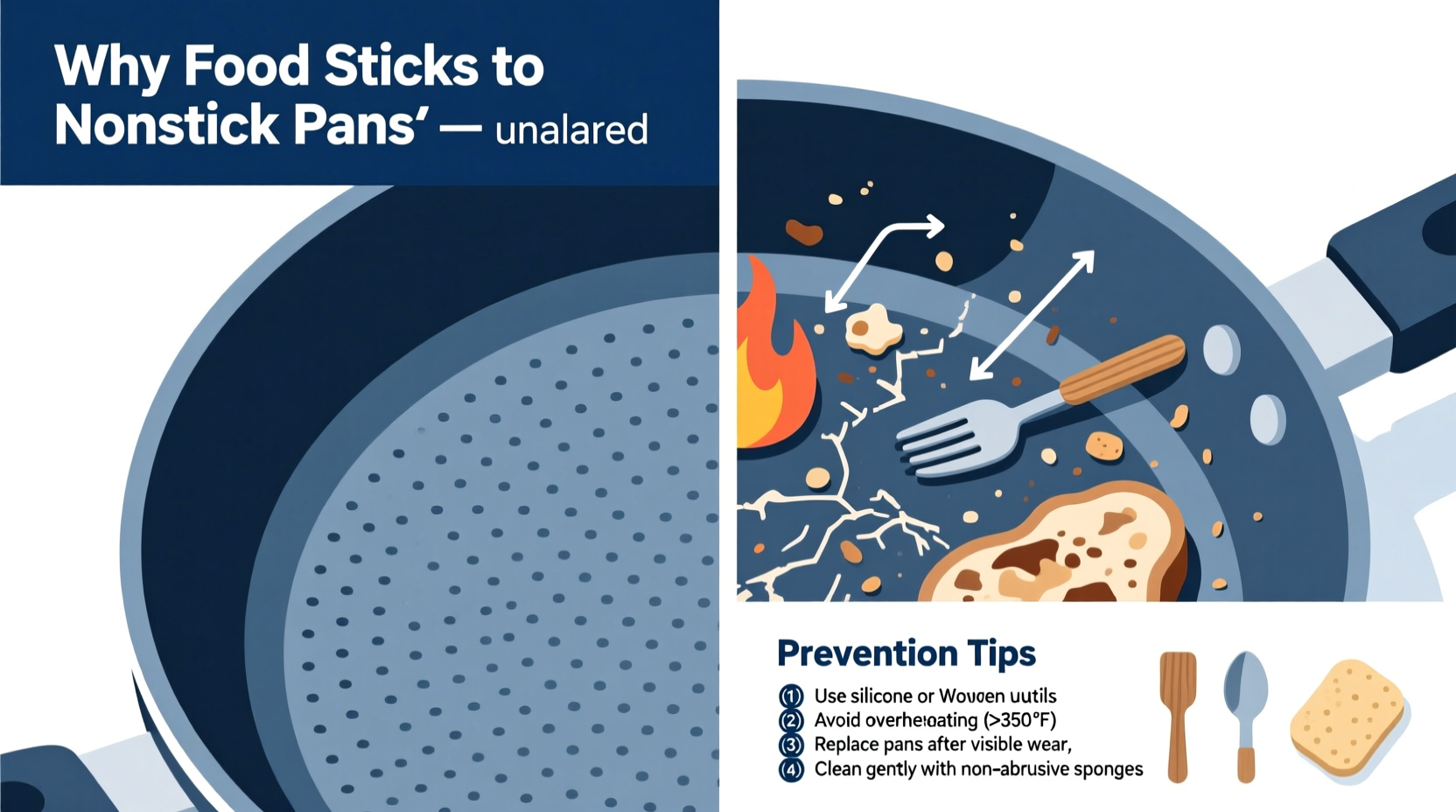
Despite their name, nonstick pans aren’t truly “non-stick” under all conditions. The coating—typically made from polytetrafluoroethylene (PTFE), commonly known as Teflon—is designed to repel water and fat molecules, creating a smooth surface that resists adhesion. However, several physical and chemical factors can override this property.
When food hits a cold or improperly heated pan, proteins and sugars begin to bond with the metal beneath the coating through a process called adsorption. Even with a nonstick layer, microscopic imperfections or degraded areas allow these bonds to form. High-moisture foods like eggs or fish release water upon contact, which cools the pan surface locally and prevents the rapid formation of a vapor barrier—critical for effective searing.
Additionally, if the pan isn’t preheated correctly, there’s no thermal lift to create steam between the food and the surface. This steam acts as a natural cushion, minimizing direct contact. Without it, food sits flat against the pan, increasing surface tension and the likelihood of sticking.
“Many people assume nonstick means no prep, but temperature control and surface readiness are just as important as the coating itself.” — Dr. Lena Ruiz, Materials Scientist at Culinary Innovations Lab
Common Causes of Food Sticking to Nonstick Pans
Understanding what goes wrong is half the battle. Here are the most frequent culprits behind stuck food:
- Cold pan, cold food: Placing cold ingredients into an unheated or underheated pan increases the time food spends in direct contact before vaporization begins.
- Excessive heat: Overheating damages the nonstick coating over time and can cause food to burn and fuse to the surface.
- Using metal utensils: Scratches compromise the integrity of the coating, creating rough spots where food can catch.
- Improper cleaning: Abrasive sponges or dishwasher detergents degrade the surface, reducing its effectiveness.
- Fat or oil applied incorrectly: Adding oil after food, or using too little, limits lubrication precisely when it’s needed most.
- Worn-out coating: All nonstick surfaces degrade with use. Once the coating shows signs of flaking or discoloration, sticking becomes inevitable.
Best Practices to Prevent Food from Sticking
Preventing sticking isn’t about luck—it’s about consistency in method. Follow these evidence-based practices to maintain optimal performance from your nonstick cookware.
1. Preheat Properly
Start on medium heat and allow the empty pan to warm for 1–2 minutes. To test readiness, sprinkle a few drops of water onto the surface. If they bead up and dance (the Leidenfrost effect), the pan is hot enough. This ensures immediate vaporization when food is added, reducing contact time.
2. Use Oil Correctly
Add a thin layer of oil *after* preheating the pan but *before* adding food. High-smoke-point oils like avocado, grapeseed, or refined coconut work well. Avoid extra virgin olive oil at high temperatures—it smokes early and leaves residue.
3. Control Cooking Temperature
Never exceed medium heat with nonstick pans. High heat accelerates coating breakdown and promotes carbonization of food particles. For searing, consider switching to cast iron or stainless steel.
4. Choose the Right Utensils
Stick to silicone, wood, or nylon tools. Metal tongs, spatulas, or whisks will scratch the surface, even if damage isn’t immediately visible.
5. Don’t Crowd the Pan
Overloading lowers the pan’s temperature rapidly and traps moisture, leading to steaming instead of searing. Cook in batches when necessary to maintain consistent heat distribution.
6. Allow Natural Release
Resist the urge to move food immediately after placing it in the pan. Let proteins like chicken, fish, or eggs develop a slight crust first—usually 1–2 minutes. Once properly seared, they’ll release naturally with minimal effort.
Step-by-Step Guide: How to Cook Eggs Without Sticking
Eggs are notorious for clinging to nonstick surfaces, especially scrambled or fried varieties. Follow this sequence for flawless results every time:
- Place the clean, dry pan on the stove over medium heat.
- Allow it to heat for 90 seconds until uniformly warm.
- Pour in 1 teaspoon of neutral oil and swirl to coat the bottom.
- Wait 30 seconds for the oil to heat (it should shimmer slightly).
- Add beaten eggs or place a whole egg gently into the center.
- Let sit undisturbed for 60–90 seconds until edges begin to set.
- Use a silicone spatula to gently lift and fold, continuing until cooked to preference.
Maintenance Checklist: Extend Your Pan’s Lifespan
To keep your nonstick pans performing like new, follow this weekly and long-term care checklist:
- ✔ Clean by hand with mild dish soap and a soft sponge—never steel wool.
- ✔ Dry thoroughly after washing to prevent water spots and corrosion.
- ✔ Store with protective liners or hang individually to avoid scratches.
- ✔ Inspect monthly for signs of wear: discoloration, flaking, or dull patches.
- ✔ Replace every 3–5 years, or sooner if performance declines noticeably.
- ✔ Never use cooking sprays containing lecithin or propellants—they build up and become sticky over time.
Do’s and Don’ts of Nonstick Pan Use
| Do’s | Don’ts |
|---|---|
| Preheat the pan on medium heat | Heat an empty pan on high for extended periods |
| Use silicone, wood, or nylon utensils | Use metal spatulas or whisks |
| Add oil after preheating, before food | Use aerosol cooking sprays regularly |
| Hand-wash with gentle detergent | Put in the dishwasher |
| Replace pans every 3–5 years | Continue using a visibly damaged pan |
| Cook delicate foods like eggs and fish | Sear meats at high temperatures |
Real Example: A Home Cook’s Turning Point
Sarah, a home cook from Portland, struggled for years with eggs welding themselves to her favorite nonstick skillet. She assumed the pan was faulty and replaced it twice within two years. After attending a local cooking workshop, she learned she had been turning on the heat, cracking the egg, and pouring it in—all within 20 seconds. The pan was nowhere near hot enough.
She began preheating the pan for a full minute, adding oil, waiting for it to shimmer, and only then adding her eggs. The difference was immediate: eggs slid freely, required less oil, and cleaned up effortlessly. By adjusting just one habit, she extended the life of her next pan by over three years.
“The right technique transformed my morning routine. I didn’t need a new pan—I needed better timing.” — Sarah M., avid home cook
FAQ: Common Questions About Nonstick Pans
Can I use butter in a nonstick pan?
Yes, but carefully. Butter adds flavor but burns at lower temperatures (around 300°F/150°C). Use it on low to medium heat and combine with a higher smoke point oil if needed. Avoid charring, as burnt milk solids stick aggressively and are hard to remove.
Why does my nonstick pan smell when I heat it?
A faint odor during initial use may occur due to residual manufacturing compounds, but persistent fumes—especially strong chemical smells—indicate overheating. PTFE coatings can release toxic gases above 500°F (260°C). If your pan consistently emits odors, discontinue use immediately and replace it.
Is it safe to use a scratched nonstick pan?
No. While ingesting small flakes isn’t acutely dangerous, scratches harbor bacteria, reduce nonstick performance, and increase the risk of further degradation. Replace pans with deep gouges or peeling surfaces.
Conclusion: Master the Basics, Maximize Performance
Food sticking to a nonstick pan isn’t inevitable—it’s usually preventable with the right knowledge and habits. From proper preheating to mindful cleaning, each step plays a role in preserving the delicate balance that makes nonstick technology effective. These pans excel at specific tasks: delicate frying, low-oil cooking, and easy cleanup. They’re not designed for high-heat searing or heavy-duty scraping.
By treating your nonstick cookware with care, you protect both your investment and your daily cooking experience. Replacing bad habits with smart techniques ensures consistent results and reduces frustration in the kitchen. Whether you're frying eggs, sautéing vegetables, or reheating leftovers, a well-maintained nonstick pan should glide through meals with ease.




 浙公网安备
33010002000092号
浙公网安备
33010002000092号 浙B2-20120091-4
Comments
No comments yet. Why don't you start the discussion?