
A musty odor wafting from your air conditioner is more than just unpleasant—it’s often a red flag. While mild smells may stem from simple buildup, persistent or worsening odors can point to mold, bacterial growth, or system failure. Ignoring the issue risks indoor air quality, comfort, and even long-term health. Understanding the root causes and knowing when to seek expert help ensures your cooling system operates efficiently and safely.
Common Causes of Musty AC Smells
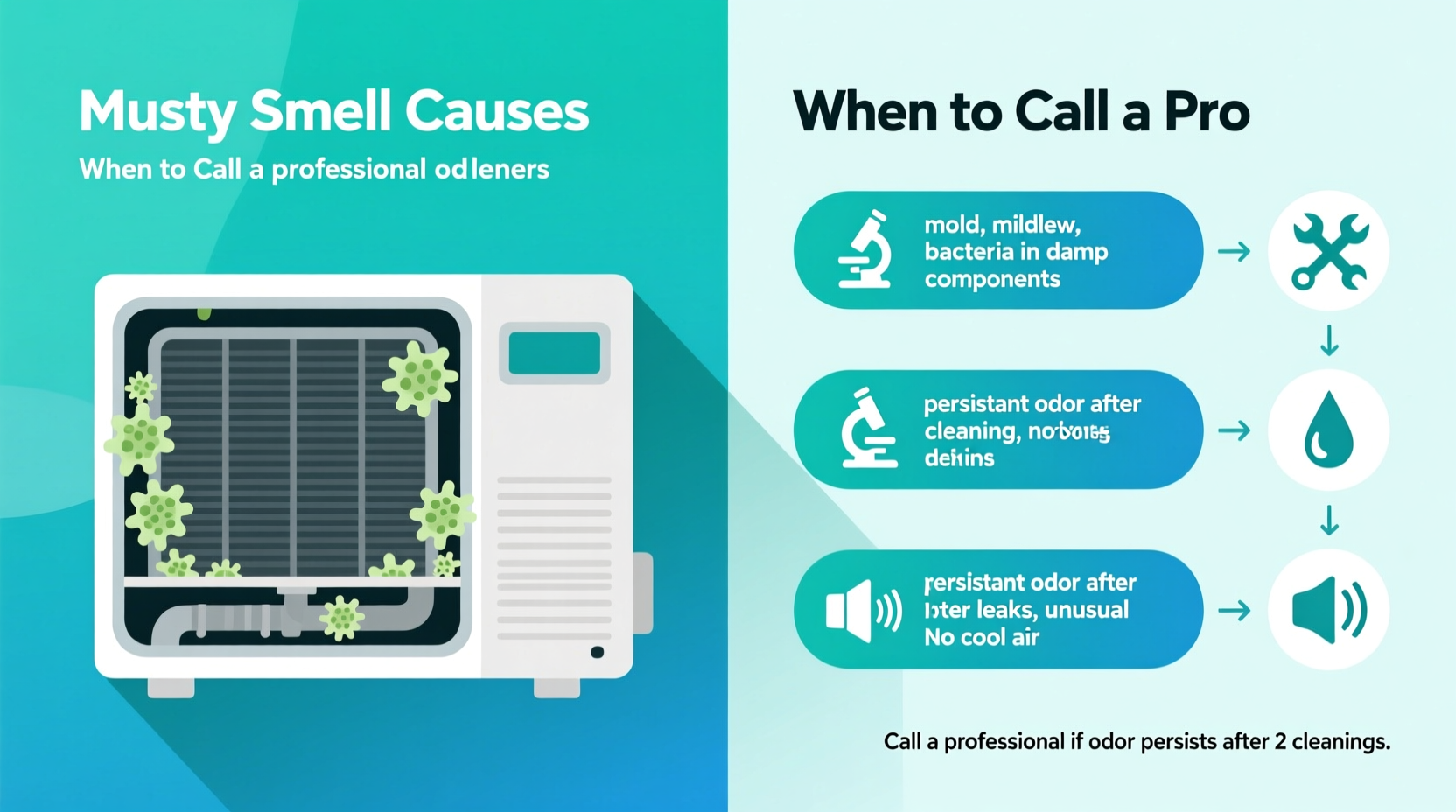
The most frequent reason for a musty smell in your air conditioning system is biological growth—mold, mildew, or bacteria thriving in damp, dark areas within the unit. These organisms feed on organic debris and moisture, producing volatile organic compounds (VOCs) that create that signature \"dirty sock\" or basement-like odor.
Key contributors include:
- Condensation buildup: AC units naturally produce condensation as they cool air. If the drain line clogs or the drip pan doesn’t dry properly, standing water becomes a breeding ground.
- Clogged drain lines: Algae and sludge can block the condensate drain, causing overflow and prolonged moisture exposure.
- Dirty evaporator coils: Over time, dust accumulates on cold coils. When combined with moisture, this forms a sticky biofilm ideal for microbial growth.
- Poor airflow: Blocked filters or closed vents reduce circulation, increasing humidity inside the system and promoting mold development.
- Stagnant operation: Running the AC infrequently or only at low settings prevents proper drying cycles, leaving components damp between uses.
In older systems, insulation materials near the evaporator coil can also degrade and absorb moisture, harboring mold spores deep within the unit—often beyond reach of routine cleaning.
When to Try DIY Fixes vs. Calling a Professional
Not every musty smell requires an emergency service call. Some issues can be resolved with basic maintenance. However, misdiagnosis or improper handling can worsen the problem or damage your system.
Start by identifying how quickly the smell appears after turning on the AC:
- If it fades after a few minutes, it may be surface-level mold due to humidity.
- If it persists or intensifies, there’s likely active microbial growth inside ductwork or internal components.
DIY-Friendly Solutions
- Inspect and replace the air filter: A clogged, dirty filter restricts airflow and traps moisture. Swap it out with a clean one rated MERV 8–13.
- Clean or vacuum supply vents: Dust and debris around registers can emit stale odors when air passes through.
- Check the condensate drain line: Look for visible blockages or algae. Pour 1/4 cup of distilled white vinegar down the drain access point monthly to inhibit buildup.
- Run the fan continuously: After cooling cycles, keep the blower running for 15–30 extra minutes to dry internal components.
These steps often resolve mild cases. But if the smell returns within days, further investigation is needed.
Hidden Sources of AC Odors You Can’t See
Much of your HVAC system is concealed behind walls, ceilings, or mechanical enclosures. What you smell might originate from places you can’t easily access.
| Component | Potential Issue | Risk Level |
|---|---|---|
| Evaporator Coil | Mold trapped beneath fins; biofilm accumulation | High – Requires chemical cleaning |
| Drip Pan | Standing water; algae growth; rust | Moderate – Accessible but needs disinfection |
| Ductwork | Internal mold colonies; rodent droppings; debris | High – Contamination spreads throughout home |
| Air Handler Insulation | Water-damaged liner harboring spores | Critical – Often requires replacement |
| Drain Line Trap | Organic sludge blocking flow | Low to Moderate – Easy fix if accessible |
One of the most insidious sources is degraded air handler insulation. Many older systems use fiberglass-lined panels to reduce noise. When exposed to repeated moisture, these materials break down, lose their integrity, and become permanent reservoirs for mold—even after cleaning attempts.
“Once mold penetrates porous insulation inside the air handler, it cannot be fully sanitized. Replacement is the only safe solution.” — Dr. Linda Harper, Indoor Air Quality Specialist, ASHRAE
Step-by-Step Guide to Diagnosing a Musty AC Smell
Follow this structured approach to determine whether the issue is manageable on your own or requires professional intervention.
- Turn off the system and inspect visible parts: Check the return air grill and nearby supply vents for visible mold, dust clumps, or dampness.
- Replace the air filter: Use a fresh filter and restart the system. Wait 15 minutes. Does the smell persist?
- Sniff near the outdoor unit: No odor outside? Then the source is likely indoors—in ducts or the air handler.
- Listen for gurgling sounds: This may indicate a clogged condensate line. Locate the drain pipe and check for slow drainage.
- Flush the drain line: Use a wet/dry vac to suction the line or pour a mixture of vinegar and water into the access point.
- Observe post-cleaning behavior: Run the system for 24 hours. If the smell returns, internal contamination is probable.
- Assess frequency and intensity: Occasional mild odor after long idle periods may not require immediate action. Persistent, strong smells do.
If you’ve completed all steps and the odor remains, it’s time to involve a licensed HVAC technician.
Mini Case Study: The Office Building That Couldn’t Shake the Smell
A small law firm in Tampa began noticing a persistent musty smell every time the AC turned on. Staff reported headaches and nasal irritation. The office manager replaced filters and cleaned vents, but the odor returned weekly.
An HVAC contractor was called in. Inspection revealed a cracked condensate drain pan under the air handler in the ceiling plenum. Water had been leaking slowly for months, soaking the fiberglass insulation lining the ductboard. Mold had colonized both the insulation and adjacent drywall.
The technician removed and replaced the damaged insulation, installed a new PVC drain pan, and applied antimicrobial treatment to accessible metal surfaces. The firm also upgraded to a UV-C light system inside the air handler to inhibit future microbial growth.
Within 48 hours, the smell disappeared. Follow-up air testing showed a 92% reduction in airborne mold spores. This case underscores how hidden leaks and compromised materials can silently degrade indoor air quality—even when surface maintenance seems adequate.
Checklist: When to Call an HVAC Professional Immediately
Don’t wait if you observe any of the following signs:
- ✅ Musty odor persists after replacing the filter and clearing the drain line
- ✅ Visible mold around vents, return grills, or indoor unit
- ✅ Water stains near the air handler or furnace
- ✅ Increased allergy symptoms among household members
- ✅ Unusual noises (gurgling, dripping) from the indoor unit
- ✅ High humidity levels despite AC running
- ✅ Recent flooding or known water intrusion near HVAC equipment
- ✅ System is over 10 years old with no recent deep cleaning
Professionals have tools like borescopes to inspect internal coils, moisture meters to detect hidden dampness, and biocides approved for HVAC use that safely eliminate microbial colonies without damaging components.
Frequently Asked Questions
Can a dirty air filter cause a musty smell?
Yes. A saturated or clogged filter traps moisture and organic material, creating a mini ecosystem for mold and bacteria. As air passes through, spores and VOCs are released into your space. Replacing the filter regularly helps prevent this—but won’t fix existing mold deeper in the system.
Is a musty AC smell dangerous to health?
For most people, occasional exposure isn’t harmful. However, prolonged inhalation of mold spores and microbial VOCs can trigger respiratory issues, especially in individuals with asthma, allergies, or weakened immune systems. Children and elderly occupants are particularly vulnerable. Chronic exposure has been linked to sinusitis, coughing, and fatigue.
Will bleach kill mold in my AC drain line?
Bleach can clean surface algae in the drain line but is less effective against established biofilm and poses risks. It’s corrosive to metal and PVC components over time and produces toxic fumes when mixed with other cleaners. A safer alternative is a 50/50 mix of white vinegar and water, which naturally breaks down organic buildup without damaging pipes.
Preventive Maintenance Tips for Long-Term Freshness
Preventing musty odors is far easier—and cheaper—than fixing them. Integrate these habits into your home care routine:
- Schedule annual HVAC inspections, ideally before peak cooling season.
- Install a high-efficiency pleated filter and change it consistently.
- Consider adding a UV germicidal lamp inside the air handler to suppress microbial growth.
- Ensure proper refrigerant charge—low levels cause coils to freeze and thaw, increasing moisture.
- Keep indoor humidity below 60%, preferably between 40–50%, using a dehumidifier if needed.
Regular maintenance not only prevents odors but extends your system’s lifespan and improves energy efficiency. Units operating with clean coils and unrestricted airflow consume up to 15% less energy than neglected ones.
Conclusion: Act Early, Breathe Easier
A musty-smelling AC unit is a symptom—not just of dirt, but often of underlying moisture problems that compromise both performance and health. While some causes are simple to address, others demand specialized knowledge and tools. Recognizing the difference saves time, money, and peace of mind.
If DIY efforts fail or warning signs appear, don’t delay calling a qualified HVAC technician. Early intervention stops minor issues from becoming major repairs. Your indoor air quality—and your family’s well-being—depends on it.




 浙公网安备
33010002000092号
浙公网安备
33010002000092号 浙B2-20120091-4
Comments
No comments yet. Why don't you start the discussion?