
Ankle swelling after prolonged sitting is a surprisingly common issue that affects millions of people—office workers, frequent travelers, and even those managing chronic conditions. While occasional puffiness may seem harmless, recurring swelling can signal underlying circulatory problems or lifestyle imbalances. Understanding the root causes and knowing how to respond promptly not only relieves discomfort but also supports long-term vascular health.
The human body is designed for movement. When you remain seated for extended periods, gravity pulls fluid into the lower extremities. Without regular muscle contractions from walking or shifting posture, blood and lymphatic fluid struggle to return efficiently to the heart. This stagnation leads to edema—fluid accumulation in the tissues—most visibly around the ankles and feet.
This article explores the physiological mechanisms behind post-sitting ankle swelling, identifies risk factors, and provides practical, immediate actions to restore healthy circulation. Whether you're working at a desk, flying across time zones, or recovering from injury, these insights can help you maintain comfort and prevent complications.
The Science Behind Ankle Swelling After Sitting
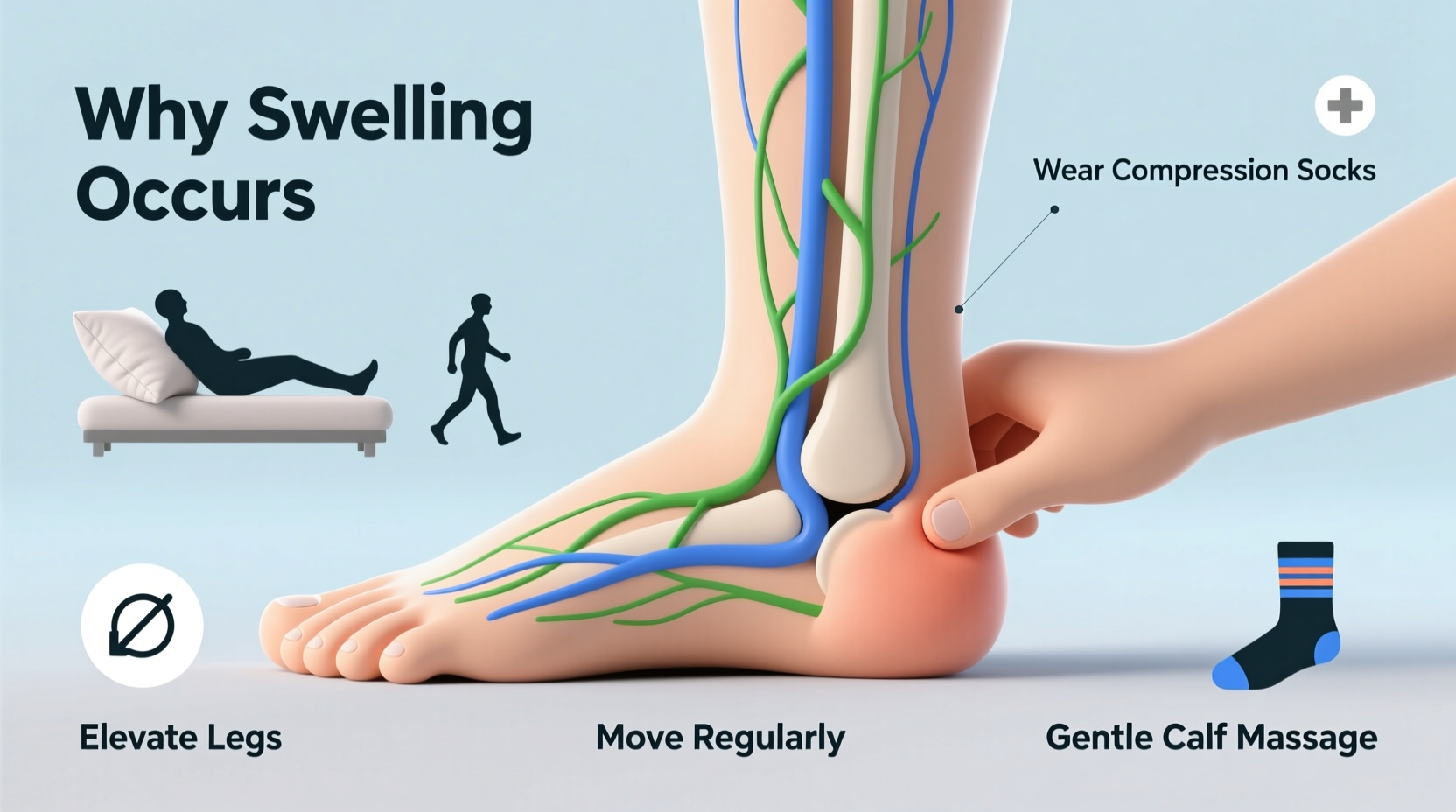
Swelling in the ankles, medically termed peripheral edema, occurs when excess fluid leaks from blood vessels into surrounding tissues. The lower limbs are especially vulnerable due to their distance from the heart and exposure to gravitational pressure. During prolonged sitting—especially with legs bent or feet dangling—several interrelated systems are compromised:
- Reduced muscular pump activity: Calf muscles act as secondary pumps, squeezing veins upward with each step. Sitting eliminates this mechanism.
- Increased venous pressure: Immobility raises hydrostatic pressure in leg veins, forcing fluid into interstitial spaces.
- Lymphatic stasis: The lymph system, responsible for draining excess fluid, slows without movement.
- Capillary filtration imbalance: Prolonged dependency increases capillary permeability, allowing plasma proteins and fluid to escape.
A 2022 study published in the Journal of Vascular Health and Risk Management found that individuals who sat for more than six hours daily had a 34% higher incidence of lower-limb edema compared to those with active routines—even after adjusting for BMI and comorbidities.
“Sustained sitting disrupts the natural rhythm of circulation. The calf muscle pump is our most powerful ally against venous pooling—and it’s switched off when we’re stationary.” — Dr. Lena Patel, Vascular Physiologist, University of Colorado School of Medicine
Common Causes and Risk Factors
While inactivity is the primary trigger, several conditions amplify susceptibility to post-sitting swelling:
| Cause | Description | When to Seek Help |
|---|---|---|
| Sedentary Lifestyle | Lack of regular movement reduces venous return efficiency. | If swelling persists despite activity changes. |
| Pregnancy | Hormonal shifts and increased blood volume raise fluid retention. | With sudden swelling, headaches, or vision changes (signs of preeclampsia). |
| Chronic Venous Insufficiency (CVI) | Valve damage in leg veins prevents proper blood flow upward. | Visible varicose veins, skin discoloration, or ulcers. |
| Heart Failure | Weakened heart struggles to circulate blood, causing backup in veins. | Accompanied by shortness of breath, fatigue, or chest pain. |
| Kidney Disease | Impaired filtration leads to sodium and water retention. | Swelling in face, hands, or generalized puffiness. |
| Lymphedema | Damaged or blocked lymph nodes impair fluid drainage. | Firm, non-pitting swelling; history of cancer treatment. |
Medications such as calcium channel blockers, NSAIDs, steroids, and some diabetes drugs can also contribute to fluid retention. Always review prescriptions with your healthcare provider if swelling correlates with medication changes.
Immediate Fixes to Reduce Swelling and Improve Circulation
When you notice ankle puffiness after sitting, prompt action can reverse mild edema within hours. These techniques work by enhancing venous return, stimulating lymphatic drainage, and reducing hydrostatic pressure.
1. Perform Ankle Pumps and Circles
Seated ankle exercises mimic the calf pump effect. Do 20 repetitions of each movement every hour during prolonged sitting:
- Ankle pumps: Point toes forward, then pull them back toward your shin.
- Ankle circles: Rotate each foot clockwise and counterclockwise.
- Toes raises: Lift heels while keeping toes on the floor, then reverse.
2. Elevate Your Legs
Lie down and prop your legs on pillows so your feet are above heart level. This uses gravity to assist venous return. Aim for 15–20 minutes twice daily, especially after flights or long workdays.
3. Hydrate with Electrolyte Balance
Dehydration triggers fluid retention as the body holds onto water. Drink water consistently throughout the day. Include potassium-rich foods like bananas, spinach, and avocados to counter sodium-induced swelling.
4. Use Compression Socks
Graduated compression stockings apply gentle pressure from ankle to calf, preventing blood pooling. Choose 15–20 mmHg strength for everyday use. Put them on before rising in the morning for best results.
5. Take Movement Breaks
Stand up and walk for 2–3 minutes every 30–60 minutes. Even standing shifts weight and activates venous return. Set phone alarms or use productivity apps to remind you.
“Just two minutes of walking every hour can reduce ankle swelling by up to 60% over the course of a workday.” — Dr. Marcus Tran, Sports Medicine Specialist, Cleveland Clinic
Long-Term Strategies for Prevention
While quick fixes offer relief, sustainable habits are essential for lasting improvement. Incorporating these practices into your routine strengthens circulatory resilience:
Create an Active Workspace
Use a standing desk or sit-stand converter. Alternate positions every 30 minutes. Add resistance bands under your desk for subtle leg engagement while seated.
Optimize Sleep Position
Place a pillow under your feet at night to maintain slight elevation. Avoid sleeping with legs bent sharply, which compresses popliteal veins behind the knees.
Exercise Regularly
Aerobic activities like walking, swimming, or cycling enhance overall circulation. Strength training builds calf muscles, improving the venous pump. Aim for 150 minutes of moderate exercise weekly.
Monitor Sodium Intake
Excess salt increases water retention. Limit processed foods and read labels carefully. The American Heart Association recommends no more than 2,300 mg daily, ideally closer to 1,500 mg for those prone to edema.
Mini Case Study: Office Worker Finds Relief
James, a 42-year-old software developer, began noticing persistent ankle swelling after his company shifted to remote work. Working 9–10 hours daily at a desk, he often didn’t stand until evening. His ankles became visibly puffy by mid-afternoon, accompanied by tightness in his shoes.
After consulting his physician and ruling out cardiac or renal issues, James implemented a four-part strategy:
- Set a timer to stand and stretch every 45 minutes.
- Began wearing low-compression socks daily.
- Added 20-minute walks after lunch and dinner.
- Replaced afternoon snacks with cucumber slices and herbal tea.
Within three weeks, his swelling decreased significantly. By week six, he reported no noticeable puffiness, improved energy, and better focus. His doctor noted improved venous tone during follow-up ultrasound.
Checklist: Daily Routine to Prevent Ankle Swelling
Follow this actionable checklist to maintain healthy circulation and minimize fluid buildup:
- ✅ Wear supportive shoes with good arch support
- ✅ Drink at least 8 glasses of water daily
- ✅ Take a 2–3 minute walk every hour
- ✅ Perform ankle pumps hourly while seated
- ✅ Use a footrest if feet don’t touch the floor
- ✅ Sleep with legs slightly elevated
- ✅ Limit salty processed foods
- ✅ Wear compression socks during travel or long workdays
- ✅ Exercise for at least 30 minutes most days
- ✅ Monitor swelling patterns and report changes to your doctor
Frequently Asked Questions
Is ankle swelling after sitting dangerous?
Mild, temporary swelling due to inactivity is usually not dangerous. However, persistent or one-sided swelling, especially when paired with pain, redness, or warmth, could indicate deep vein thrombosis (DVT) or other serious conditions and requires medical evaluation.
Can drinking more water really reduce swelling?
Yes. When dehydrated, the body retains fluid to compensate. Consistent hydration signals the kidneys to excrete excess sodium and water, reducing edema. Avoid sugary drinks and alcohol, which worsen dehydration.
How long should swelling last after standing up?
In healthy individuals, mild swelling should resolve within 20–30 minutes of walking or elevating the legs. If puffiness remains after an hour of activity, consider underlying circulatory issues and consult a healthcare provider.
Conclusion: Take Control of Your Circulatory Health
Ankle swelling after sitting isn’t just a minor inconvenience—it’s a visible sign that your circulatory system needs attention. By understanding the role of movement, posture, and lifestyle choices, you can take meaningful steps to support vascular function and overall well-being. Simple habits like hourly stretching, proper hydration, and using compression gear can make a profound difference.
Your body thrives on motion. Even small changes, consistently applied, lead to significant improvements in how you feel and function. Don’t wait for discomfort to escalate. Start integrating these strategies today and give your circulation the support it deserves.




 浙公网安备
33010002000092号
浙公网安备
33010002000092号 浙B2-20120091-4
Comments
No comments yet. Why don't you start the discussion?