
Spicy food lovers know the ritual: the first bite of a fiery curry, a chili-laden taco, or a plate of Sichuan mapo tofu brings a rush of heat, followed by an inevitable drip from the nose. It’s common, harmless, and surprisingly rooted in solid physiology. But what exactly triggers this response? And more importantly, can you do anything to minimize or stop it? Understanding the biological mechanisms behind a runny nose during spicy meals—and learning how to manage it—can make enjoying bold flavors a more comfortable experience.
The Science Behind the Sniffles
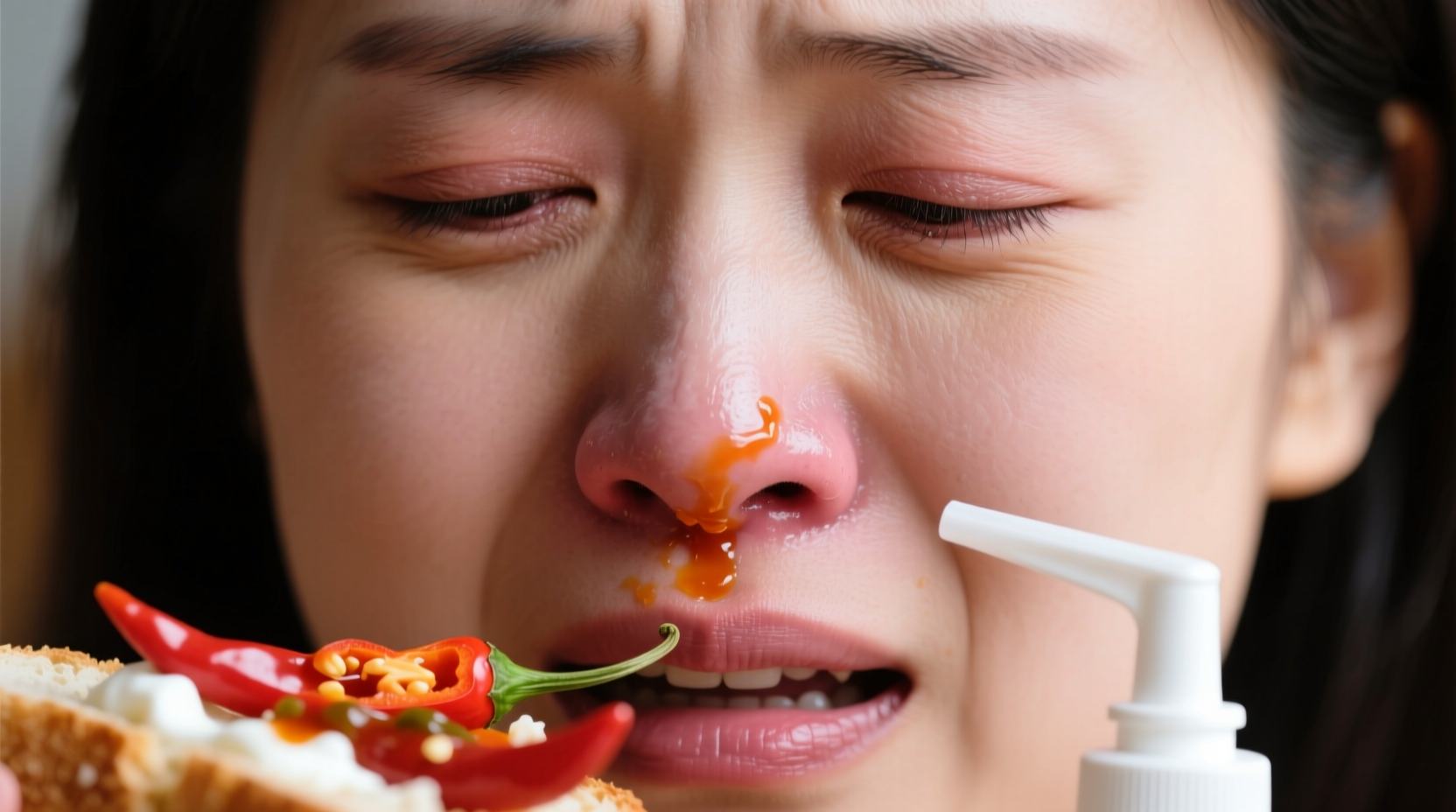
When you eat spicy food, especially dishes containing capsaicin—the compound responsible for the heat in chili peppers—your body reacts as if it's under physical threat. Capsaicin binds to TRPV1 receptors, which are part of your sensory nervous system and primarily detect heat and pain. These receptors aren't just in your mouth; they're also located in your nasal passages, eyes, and throat.
As capsaicin activates these receptors, your brain interprets the signal as a rise in temperature or tissue irritation. In response, it triggers defensive reflexes to cool down or protect the body. One such reflex is increased mucus production in the nasal cavity. This is not an allergic reaction but rather a neurological chain reaction known as gustatory rhinitis—a condition where eating certain foods stimulates nasal discharge.
“Capsaicin doesn’t damage tissue, but it tricks your nervous system into thinking it has. The runny nose is your body’s attempt to ‘cool down’ and flush out the perceived irritant.” — Dr. Lena Park, Otolaryngologist and Head & Neck Surgeon
This phenomenon isn’t limited to chilies. Other pungent compounds like allyl isothiocyanate (found in wasabi and horseradish) and piperine (in black pepper) can produce similar effects by stimulating the same nerve pathways.
How Your Body Responds to Spicy Stimuli
The trigeminal nerve, one of the largest cranial nerves, plays a central role in this process. It carries sensory information from your face—including your mouth, nose, and sinuses—to your brain. When activated by capsaicin, it sends signals that prompt several autonomic responses:
- Nasal congestion and discharge: Blood vessels in the nasal lining dilate, increasing blood flow and prompting mucus glands to secrete fluid.
- Tearing eyes: The same nerve stimulates the lacrimal glands, causing tears.
- Sweating: Especially on the forehead and upper lip, as the body attempts to “cool down.”
- Increased salivation: To help dilute and wash away the irritant.
These reactions are entirely normal and vary in intensity depending on individual sensitivity, genetics, and prior exposure to spicy foods. People who regularly consume spicy cuisine often develop a higher tolerance over time, experiencing less dramatic symptoms.
Effective Ways to Reduce or Stop a Runny Nose from Spicy Food
While you can’t completely eliminate the physiological response to capsaicin, you can take steps to minimize its impact. Below are evidence-based strategies to help control the drip without sacrificing flavor.
1. Choose Dairy Before Water
When your nose starts running mid-bite, reaching for water might seem natural—but it’s ineffective. Water doesn’t dissolve capsaicin, which is fat-soluble. Instead, dairy products like milk, yogurt, or sour cream contain casein, a protein that helps break down capsaicin and calm nerve receptors.
2. Eat Slower and in Smaller Bites
Rushing through a spicy dish overwhelms your sensory system. Eating slowly allows your body to adjust gradually, reducing the intensity of the neural response. Smaller bites also limit the amount of capsaicin released at once, giving your system time to manage the stimulus.
3. Pair Spicy Foods with Starchy Carbohydrates
Foods like rice, bread, or potatoes act as physical buffers. They absorb some of the capsaicin and reduce direct contact with sensitive oral tissues. A bowl of steamed jasmine rice alongside a hot curry isn’t just traditional—it’s functional.
4. Use Cooling Ingredients Strategically
Incorporate cooling agents into your meal design. Cucumber, mint, cilantro, avocado, and lime juice don’t neutralize capsaicin but provide a sensory contrast that counteracts the perception of heat and may reduce reflexive mucus production.
5. Pre-Treat with Antihistamines (With Caution)
Although gustatory rhinitis isn’t an allergic reaction, some people find relief using non-sedating antihistamines like loratadine before consuming very spicy foods. These medications can slightly reduce nasal secretions, though they won’t block the heat sensation. Consult a doctor before using this method regularly.
| Method | Effectiveness | Best For |
|---|---|---|
| Dairy (milk, yogurt) | High | Immediate relief during meals |
| Starchy foods (rice, bread) | High | Mitigating capsaicin absorption |
| Cool beverages | Medium | Temporary soothing effect |
| Antihistamines | Low-Medium | Occasional high-spice events |
| Water | Low | Hydration only—not symptom relief |
Building Tolerance Over Time
Just as regular exercise builds endurance, consistent exposure to capsaicin can desensitize your TRPV1 receptors. Studies show that individuals who consume spicy foods frequently report less burning, sweating, and nasal discharge over time. This adaptation occurs because repeated activation reduces receptor sensitivity, effectively “resetting” your threshold for heat.
Start with mildly spicy dishes and gradually increase the heat level every few weeks. Allow your body time to adjust—don’t rush the process. Some cultures, like those in Thailand, India, and Mexico, naturally build this tolerance from childhood, making intense spice levels feel normal.
“I used to sneeze and cry after two bites of jalapeño. Now I eat ghost pepper sauces regularly. It took about six months of weekly exposure, but my body adapted.” — Carlos Mendez, home cook and spice enthusiast
Keep in mind that tolerance is reversible. If you stop eating spicy foods for several months, your sensitivity may return.
When a Runny Nose Might Signal Something Else
In most cases, a runny nose while eating spicy food is benign. However, if you experience additional symptoms—such as facial pain, prolonged congestion, postnasal drip, or nasal polyps—it could indicate an underlying condition like chronic rhinosinusitis or vasomotor rhinitis.
Vasomotor rhinitis involves oversensitive nasal blood vessels that react strongly to environmental stimuli, including temperature changes, strong odors, and spicy food. Unlike gustatory rhinitis, it may require medical management such as nasal sprays or lifestyle adjustments.
If your nasal response seems disproportionate or worsens over time despite reduced spice intake, consult an ENT specialist for evaluation.
Step-by-Step Guide to Enjoying Spicy Food Without the Drip
Follow this sequence to minimize discomfort while still savoring bold flavors:
- Prepare your palate: Begin the meal with a spoonful of plain yogurt or a sip of cold milk to create a protective layer in your mouth.
- Balance your plate: Ensure at least half includes starchy or creamy components to buffer the heat.
- Eat mindfully: Take small bites and chew thoroughly to avoid overwhelming your system.
- Pause between bites: Give your nerves 15–20 seconds to reset before taking another spicy portion.
- Have dairy on hand: Keep a glass of milk or a side of raita nearby for quick relief.
- Finish strong: End with a cooling dessert like mango lassi or frozen yogurt to soothe lingering sensations.
Frequently Asked Questions
Is a runny nose from spicy food harmful?
No. It’s a temporary, natural reflex caused by nerve stimulation, not tissue damage. As long as symptoms resolve after the meal, there’s no cause for concern.
Why don’t some people get a runny nose from spicy food?
Individual variation in TRPV1 receptor density and prior dietary exposure play key roles. People with higher spice tolerance or genetic differences may experience little to no nasal response.
Can children develop tolerance to spicy food safely?
Yes, but gradually. Introduce mild spices early in life, paired with familiar foods. Avoid forcing high-heat dishes, as this can create negative associations. Always monitor for signs of discomfort or digestive upset.
Practical Checklist: Minimize Nasal Drip During Spicy Meals
- ✅ Serve dairy on the side (yogurt, cheese, milk)
- ✅ Include rice, bread, or potatoes as base ingredients
- ✅ Avoid drinking plain water as primary coolant
- ✅ Chew slowly and allow breaks between bites
- ✅ Use citrus or herbs to balance heat perception
- ✅ Limit alcohol consumption during the meal
- ✅ Consider pre-meal antihistamine (only occasionally and with medical advice)
Conclusion: Embrace the Heat, Manage the Drip
A runny nose when eating spicy food is not a flaw—it’s proof your nervous system is working exactly as designed. Rather than avoiding fiery dishes, use science-backed strategies to enjoy them more comfortably. From choosing the right food pairings to building long-term tolerance, small adjustments can make a big difference. Whether you're a cautious beginner or a seasoned heat-seeker, understanding your body’s responses empowers you to eat boldly without constant sniffles.




 浙公网安备
33010002000092号
浙公网安备
33010002000092号 浙B2-20120091-4
Comments
No comments yet. Why don't you start the discussion?