
If you’ve noticed your aquarium water turning a murky green, you’re not alone. This common issue affects both new and experienced fishkeepers. The green tint is caused by a rapid growth of microscopic algae known as phytoplankton, which float freely in the water column. While not immediately dangerous, persistent green water can stress fish, block light from plants, and signal underlying imbalances in your tank’s ecosystem. Understanding the root causes—and how to fix them—is essential for restoring clarity and maintaining a thriving aquatic environment.
What Causes Green Aquarium Water?
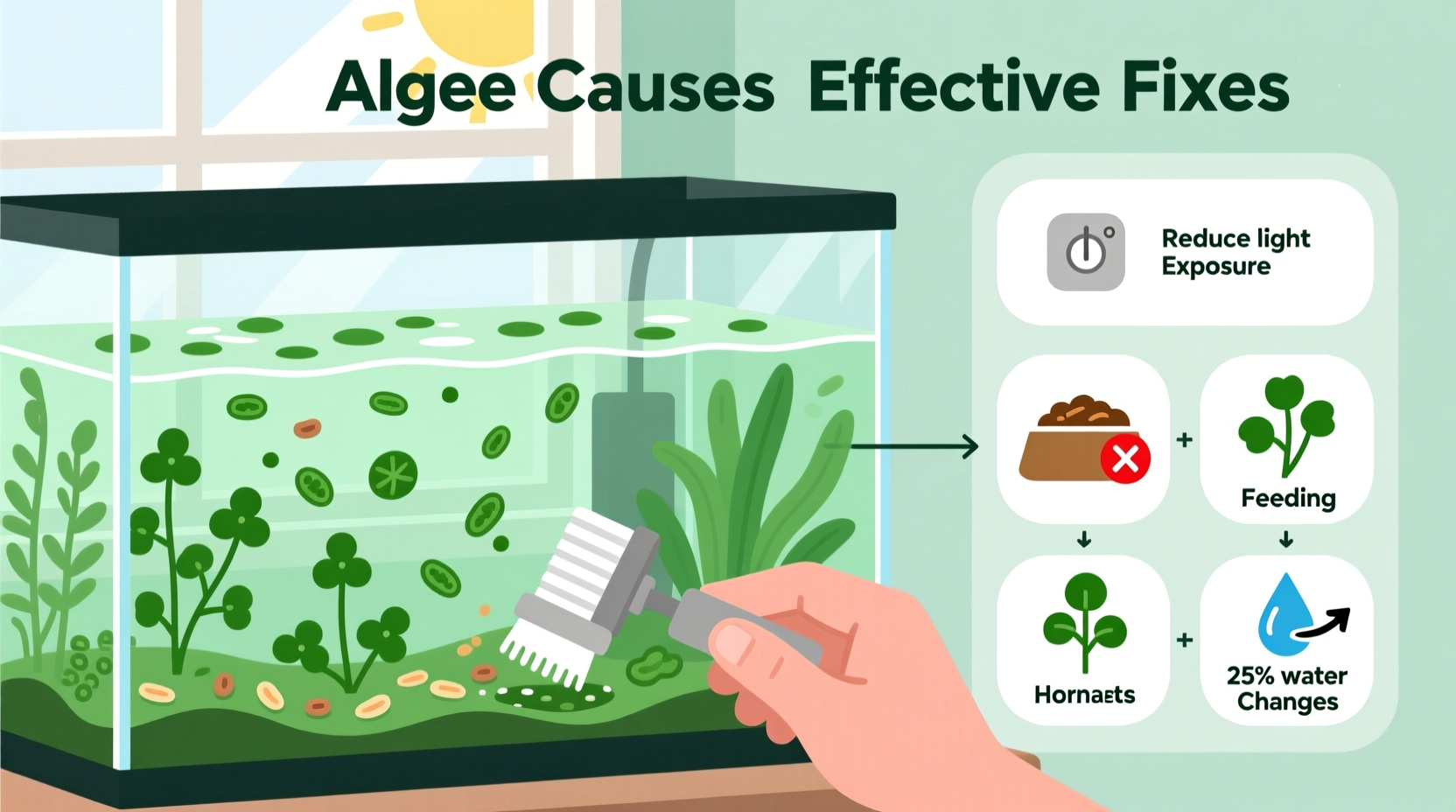
Green water is not dirt or poor filtration—it’s a biological bloom of single-celled algae. These organisms thrive under specific conditions that are often unintentionally created in home aquariums. The primary driver is an overabundance of nutrients combined with excessive light. When these two elements align, algae multiply rapidly, turning the water pea-soup green within days.
The most common contributing factors include:
- Excessive Light Exposure: Direct sunlight or prolonged artificial lighting encourages photosynthesis in free-floating algae.
- Nutrient Imbalance: High levels of nitrates and phosphates from fish waste, uneaten food, or decaying plant matter fuel algal growth.
- Poor Filtration: Inadequate mechanical or biological filtration fails to remove suspended particles and control nutrient buildup.
- Lack of Competing Plants: Live plants consume the same nutrients as algae. Without them, algae dominate.
- Overfeeding: Excess food breaks down into ammonia, which converts to nitrate—a key algae fertilizer.
- Infrequent Maintenance: Skipping water changes allows organic waste to accumulate, creating ideal conditions for blooms.
How to Fix Green Water: A Step-by-Step Guide
Resolving green water requires more than just a quick filter change. It involves addressing the environmental triggers that allowed the bloom to occur. Follow this structured approach to regain crystal-clear water.
- Assess Lighting Conditions
Move the tank away from windows and use a timer to restrict lights to no more than 10 hours daily. Consider switching to LED bulbs with adjustable spectrums to reduce blue/green wavelengths that promote algae growth. - Perform a 30–50% Water Change
Use a gravel vacuum to clean the substrate and remove detritus. Replace with dechlorinated water matched in temperature to avoid shocking fish. - Clean or Upgrade Your Filter
Rinse mechanical media (sponges, floss) in old tank water—never tap water, as chlorine kills beneficial bacteria. Ensure biological media (ceramic rings, bio-balls) is intact and properly cycled. - Reduce Feeding Temporarily
Cut back to once daily and feed only what fish consume in 2 minutes. Remove any leftover food after feeding. - Add Live Plants
Introduce fast-growing species like hornwort, duckweed, or java moss. They absorb excess nitrates and compete with algae for resources. - Install a UV Sterilizer (if needed)
UV units pass water through a chamber where ultraviolet light kills free-floating algae cells. Most tanks show improvement within 3–7 days of continuous use. - Wait and Monitor
Avoid drastic interventions. Allow 1–2 weeks for changes to take effect. Test water parameters regularly to track progress.
Do’s and Don’ts: Managing Algae Growth
| Do’s | Don’ts |
|---|---|
| Perform weekly 25% water changes | Change all the water at once (disrupts beneficial bacteria) |
| Use live plants to outcompete algae | Add too many plants without adjusting lighting |
| Test water weekly for nitrates and phosphates | Ignore rising nitrate levels above 40 ppm |
| Run a protein skimmer in saltwater setups | Use chemical algaecides unless absolutely necessary |
| Quarantine new plants to prevent introducing spores | Scrub algae off glass then leave lights on for hours |
When to Use a UV Sterilizer: Real-World Example
Consider Mark, a hobbyist with a 55-gallon freshwater community tank. Despite regular maintenance, his water turned green every few weeks. He reduced lighting, cut back on feeding, and added Amazon swords—but the problem persisted. After testing, he found phosphate levels were high due to tap water rich in fertilizers from nearby agriculture.
Mark installed a UV sterilizer rated for his tank size and ran it continuously for one week. Within four days, the water began clearing. By day seven, it was transparent. He continued weekly water changes and started using a phosphate remover in his filter. Over time, even after turning off the UV unit, the water remained clear because the underlying nutrient imbalance had been corrected.
This case illustrates that while UV sterilization offers a fast fix, long-term success depends on identifying and resolving root causes.
“UV sterilizers are excellent emergency tools, but they don’t replace good husbandry. You can’t sterilize your way out of chronic overfeeding or poor maintenance.” — Dr. Lena Patel, Aquatic Biologist & Aquarium Consultant
Preventive Checklist for Long-Term Clarity
Maintaining clear water isn’t about reacting to problems—it’s about consistent prevention. Use this checklist weekly to stay ahead of algae issues:
- ✅ Test water for ammonia, nitrite, nitrate, and pH
- ✅ Perform a 25% water change
- ✅ Vacuum substrate to remove debris
- ✅ Wipe algae from viewing panels with a magnetic scraper
- ✓ Check filter flow rate and clean if sluggish
- ✅ Trim overgrown plants to improve circulation
- ✅ Confirm lighting schedule hasn’t drifted beyond 10 hours
- ✅ Inspect for decaying plant matter or dead snails
Frequently Asked Questions
Is green water harmful to fish?
Not directly. Short-term green water won’t poison fish, but prolonged blooms can reduce oxygen levels at night when algae respire instead of photosynthesize. In extreme cases, this may stress sensitive species. Additionally, poor water quality associated with green water—such as high nitrates—can weaken immune systems over time.
Can I use bleach to clean algae from decorations?
You can, but only outside the tank and with strict precautions. Mix one part household bleach with nine parts water. Soak non-porous items (rocks, plastic) for 15 minutes, then rinse thoroughly with clean water and air-dry for 24 hours. Never use bleach on filters, sponges, or biological media. Better yet, scrub with hot water or vinegar solution to avoid chemical residue risks.
Will blackouts work to kill green algae?
The blackout method—covering the tank completely to block all light for 3–5 days—can be effective. Algae die without light, while fish and hardy plants usually survive. However, this is a temporary solution. If nutrient levels remain high, the bloom will return once light is restored. Use blackouts only as a last resort and combine with water changes and nutrient control for lasting results.
Conclusion: Clarity Starts with Balance
Green aquarium water is a symptom, not the disease. Treating it effectively means looking beyond the surface to understand the interplay between light, nutrients, and biological balance. Quick fixes like UV sterilizers or blackouts offer relief, but sustainable clarity comes from disciplined maintenance, smart feeding habits, and thoughtful tank design.
Every aquarium is a miniature ecosystem. When algae take over, it’s nature’s way of signaling imbalance. By responding with informed care—not frustration—you create a healthier, more stable environment for your fish, plants, and enjoyment. Start applying these strategies today, and within weeks, you’ll see the difference in both water quality and confidence as an aquarist.




 浙公网安备
33010002000092号
浙公网安备
33010002000092号 浙B2-20120091-4
Comments
No comments yet. Why don't you start the discussion?