
Armpit pain can range from a mild annoyance to sharp, debilitating discomfort. While it’s often linked to something minor—like muscle strain or an ingrown hair—it can sometimes signal a more serious underlying condition. Understanding the root cause is essential to determine whether home care is sufficient or if medical attention is needed.
The armpit contains lymph nodes, sweat glands, blood vessels, nerves, and hair follicles—all of which can contribute to pain under certain conditions. Because this area is sensitive and involved in immune response, even small changes can trigger noticeable discomfort.
Common Causes of Armpit Pain
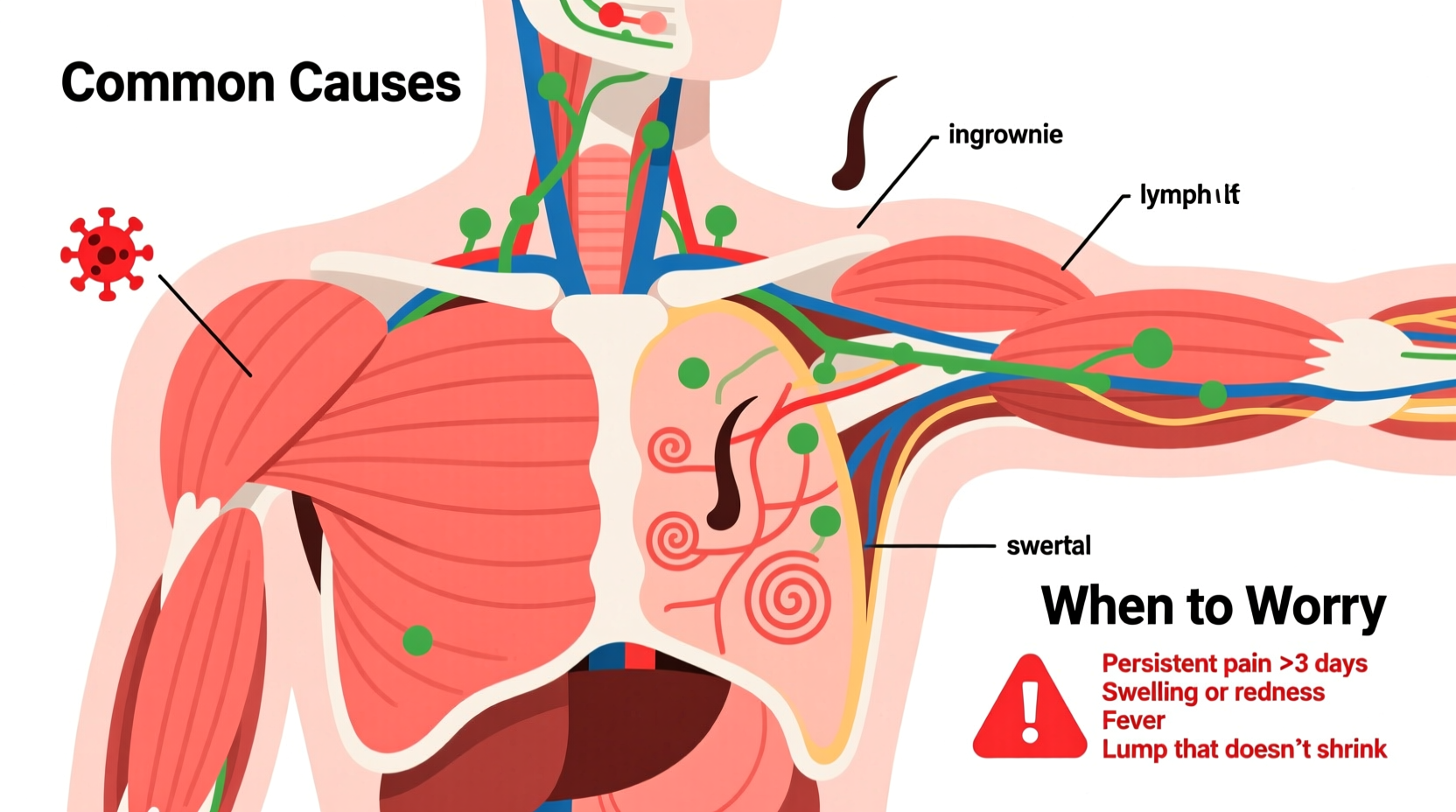
Most cases of armpit pain are temporary and resolve on their own. Here are some of the most frequent triggers:
- Muscle strain: Overuse of the arms during exercise, lifting, or repetitive motions can pull chest or shoulder muscles that extend into the armpit.
- Ingrown hairs or razor burn: Shaving can irritate hair follicles, leading to inflammation, redness, and painful bumps.
- Antiperspirant irritation: Some deodorants contain alcohol or fragrances that may cause skin sensitivity or allergic reactions.
- Cysts or abscesses: Blocked sweat glands (such as in hidradenitis suppurativa) can form painful lumps filled with fluid or pus.
- Lymph node swelling: Infections like colds, flu, or skin infections near the arm or chest can cause lymph nodes in the armpit to swell and become tender.
- Vaccination side effects: Recent vaccines (e.g., flu shot, shingles, or COVID-19) often cause temporary lymph node enlargement.
- Breast-related issues: Women may experience referred pain from breast tissue, cysts, or hormonal changes, especially around menstruation.
When to Worry: Red Flags That Require Medical Attention
While occasional armpit soreness is normal, certain symptoms should not be ignored. Persistent or worsening pain could indicate a more serious issue requiring evaluation by a healthcare provider.
“Swollen lymph nodes that persist beyond two to three weeks, especially without an obvious infection, should be evaluated.” — Dr. Lena Torres, Internal Medicine Specialist
Seek prompt medical advice if you experience any of the following:
- A hard, immovable lump in the armpit
- Pain that lasts longer than 10–14 days despite rest and care
- Redness, warmth, or pus indicating possible infection
- Fever, night sweats, or unexplained weight loss
- New breast changes, nipple discharge, or skin dimpling
- Pain radiating down the arm or accompanied by numbness/tingling
Could It Be Breast Cancer?
One of the most concerning possibilities tied to armpit pain is breast cancer. Lymph nodes in the armpit are among the first places breast cancer spreads. However, it's important to emphasize: pain alone is rarely the only symptom.
Early-stage breast cancer often doesn’t cause pain at all. When armpit discomfort occurs alongside cancer, it usually comes with other signs such as:
- A painless lump in the breast or armpit
- Thickening or puckering of the skin
- Changes in breast size or shape
- Nipple inversion or discharge
If you’re over 40 or have a family history of breast cancer, regular mammograms and self-exams are crucial for early detection.
Diagnosing the Cause: What to Expect at the Doctor
If your symptoms persist or raise concern, your doctor will likely perform a physical exam and may order diagnostic tests. Here’s a typical timeline of evaluation:
- Medical history review: You’ll be asked about recent illnesses, shaving habits, product use, vaccination history, and menstrual cycle patterns. <2> Physical examination: The doctor will check for lumps, swelling, skin changes, and assess lymph node size and mobility.
- Imaging: An ultrasound or mammogram may be used to examine breast tissue and lymph nodes.
- Blood tests: To check for signs of infection or systemic illness.
- Biopsy: If a suspicious mass is found, a tissue sample may be taken for analysis.
Most patients find reassurance after a thorough evaluation—even if further testing is needed, catching issues early greatly improves outcomes.
Tips for Relief and Prevention
For mild, non-worrisome armpit pain, several self-care strategies can help reduce discomfort and prevent recurrence.
| Do | Don't |
|---|---|
| Use gentle, fragrance-free deodorants | Apply heavy antiperspirants right after shaving |
| Shave with clean tools and moisturizing gel | Share razors or reuse dull blades |
| Wear loose, breathable clothing | Wear tight synthetic fabrics daily |
| Apply warm compresses to soothe swollen glands | Squeeze or pop armpit bumps |
| Monitor changes with monthly self-checks | Ignore lumps that don’t go away |
Real-Life Example: Sarah’s Experience
Sarah, a 38-year-old teacher, noticed tenderness under her left arm two weeks after receiving a tetanus booster. At first, she assumed it was related to the vaccine. But when the lump remained firm and slightly enlarged after three weeks—and she began feeling fatigued—she scheduled a visit with her primary care physician.
An ultrasound revealed mildly enlarged but reactive lymph nodes. Blood work showed no infection markers. Her doctor advised monitoring and a follow-up in four weeks. The nodes gradually shrank, and no further action was needed. Sarah now tracks her health more closely and schedules annual wellness exams.
Her case highlights how even benign causes can cause anxiety—but timely medical input brings clarity and peace of mind.
FAQ: Frequently Asked Questions
Can stress cause armpit pain?
Stress itself doesn’t directly cause armpit pain, but it can weaken your immune system, making you more prone to infections that lead to swollen lymph nodes. Additionally, stress-related muscle tension may contribute to referred pain in the chest and armpit area.
Is armpit pain before my period normal?
Yes. Hormonal fluctuations during the menstrual cycle can cause breast and armpit tenderness due to increased blood flow and fluid retention in glandular tissues. This typically resolves once menstruation begins.
How long should armpit pain last after vaccination?
Lymph node swelling from vaccines usually peaks within 1–2 weeks and subsides within 4 weeks. If swelling persists beyond a month or worsens, consult your doctor.
Final Thoughts: Know Your Body, Trust Your Instincts
Armpit pain is common and often harmless, but it shouldn’t be dismissed outright—especially when it lingers or appears without clear cause. The key is awareness: knowing what’s normal for your body and recognizing when something feels off.
You don’t need to panic over every twinge, but you also shouldn’t ignore persistent symptoms. Early evaluation can distinguish between a simple skin irritation and something needing treatment. Whether it’s adjusting your grooming routine or scheduling a check-up, taking proactive steps protects your long-term health.




 浙公网安备
33010002000092号
浙公网安备
33010002000092号 浙B2-20120091-4
Comments
No comments yet. Why don't you start the discussion?