
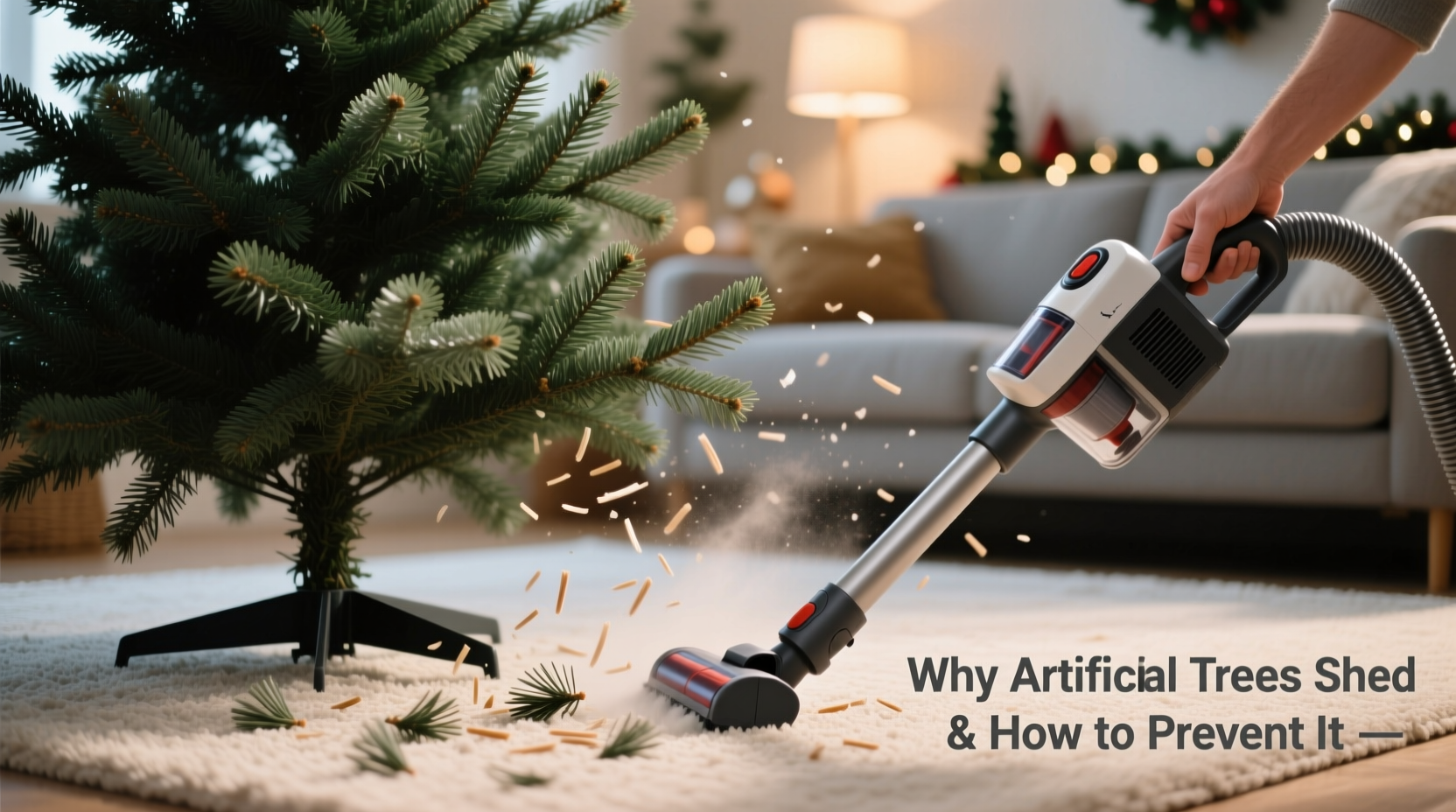
Every holiday season, millions of households across the world set up their artificial Christmas trees with care—fluffing branches, stringing lights, and placing ornaments just right. Yet, despite being made of plastic and metal, many people are surprised when they find small green flecks scattered across the floor: shedding synthetic needles. Unlike real trees, which naturally drop foliage as they dry out, artificial trees aren’t supposed to lose needles at all. So when they do, it raises a common concern: Why is this happening, and more importantly, how can you stop it?
The truth is, while artificial trees are designed for long-term use, they’re not immune to wear and tear. Needle shedding is a sign of material degradation, poor handling, or environmental stress. Understanding the root causes—and taking proactive steps—can help preserve your tree’s appearance and extend its usable life by decades.
Understanding Artificial Tree Construction
Modern artificial Christmas trees are typically made from one of two materials: polyvinyl chloride (PVC) or polyethylene (PE). Each has distinct characteristics that affect durability, realism, and susceptibility to shedding.
- PVC Trees: These are the most common and affordable. They consist of flat, layered sheets cut into needle shapes and attached to wire frames. While cost-effective, PVC is more brittle and prone to cracking over time, especially when exposed to heat or sunlight.
- PE Trees: Made from molded polyethylene, these needles are individually formed to resemble real spruce or pine. They feel more realistic and are generally sturdier than PVC, but still vulnerable to physical damage and improper storage.
The method of needle attachment also plays a role. In lower-quality models, needles are glued or loosely wrapped onto branch tips. Over time, adhesives weaken, wires loosen, and repeated assembly increases friction—leading to gradual dislodging.
“Even high-end artificial trees experience some level of needle loss over time if not handled carefully. It’s less about quality and more about cumulative stress.” — Daniel Reeves, Holiday Decor Materials Engineer
Common Causes of Needle Shedding
Needle loss in artificial trees isn’t random—it’s usually the result of identifiable factors. Recognizing these triggers is the first step toward prevention.
1. Age and Material Fatigue
Like any plastic product, artificial tree needles degrade over time. Exposure to oxygen, temperature fluctuations, and UV light breaks down polymer chains, making PVC and PE more brittle. After 5–10 years, even well-maintained trees may begin shedding due to natural aging.
2. Poor Storage Conditions
Storing your tree in an attic, garage, or basement without climate control exposes it to extreme temperatures, humidity, and pests. Heat warps branches, moisture promotes mold, and rodents may chew on wiring or plastic—accelerating needle detachment.
3. Rough Handling During Setup and Takedown
Yanking branches into place, forcing sections together, or dragging the tree across floors creates micro-fractures in stems and weakens attachment points. The more aggressively a tree is assembled each year, the faster it deteriorates.
4. Exposure to Heat and Sunlight
Placing your tree near radiators, fireplaces, or south-facing windows accelerates plastic degradation. UV radiation from sunlight causes discoloration and embrittlement, making needles snap off easily during routine fluffing.
5. Low-Quality Manufacturing
Budget-friendly trees often cut corners: thinner plastics, minimal backing, and weak branch construction. These design flaws manifest quickly as shedding, splaying limbs, or broken tips—even within the first few uses.
How to Prevent Artificial Tree Needle Loss
Prevention starts the moment you unbox your tree—and continues long after New Year’s. A consistent care routine significantly reduces wear and keeps your tree looking full and vibrant.
Step-by-Step Guide to Long-Term Tree Care
- Inspect Upon Unboxing: Before assembling, examine each section for loose needles, cracked tips, or damaged wires. Address minor issues early to prevent worsening.
- Fluff Gently: Use both hands to separate branches from the inside out. Avoid pulling needles outward, which stresses attachment points.
- Position Away From Heat Sources: Keep at least three feet away from heaters, vents, candles, and direct sunlight.
- Dust Regularly: Use a microfiber cloth or soft brush to remove dust buildup, which can trap moisture and accelerate material breakdown.
- Disassemble Carefully: Reverse the setup process slowly. Do not force branches back into folded positions.
- Clean Before Storage: Wipe down trunks and stands to remove dust, pet hair, or sap residue from ornaments.
- Use Proper Storage Containers: Invest in a vertical tree bag with padding or individual compartmentalized boxes to prevent crushing.
Storage Do’s and Don’ts
| Do | Don’t |
|---|---|
| Store in a cool, dry, dark place (e.g., interior closet or climate-controlled storage) | Leave in an attic, garage, or damp basement |
| Use padded tree bags or rigid containers with dividers | Compress the tree with bungee cords or stack heavy items on top |
| Allow the tree to air out briefly before sealing in storage | Store while damp or dusty |
| Wrap delicate tips with tissue paper or soft cloth | Place directly on concrete floors or expose to rodents |
Real Example: The 15-Year Tree That Still Looks New
Sarah M., a homeowner in Vermont, has used the same 7.5-foot artificial tree every holiday since 2009. Despite annual use, her tree shows minimal shedding and maintains a lush appearance. Her secret? A strict maintenance protocol.
Each January, Sarah disassembles the tree piece by piece, inspecting each branch. She gently brushes off dust with a soft paintbrush, then stores each section in a custom-fitted canvas bag with breathable lining. The bags sit upright in a bedroom closet, away from temperature swings. Before reassembling, she spends extra time fluffing inner branches to restore volume.
“People think I bought a new tree every few years,” she says. “But no—I just treat it like a valuable seasonal investment. A little care goes a long way.”
Expert Tips to Extend Your Tree’s Lifespan
- Rotate Sections Annually: Use different parts of the tree as the “front” each year to distribute wear evenly.
- Avoid Overloading Branches: Heavy ornaments pull down limbs and strain connection points. Distribute weight toward the trunk.
- Use LED Lights Only: They emit minimal heat, reducing the risk of melting or warping nearby needles.
- Consider a Pre-Lit Model: Fewer plug-in connections mean less handling of branches during lighting setup.
“The biggest mistake people make is treating artificial trees as disposable. With proper care, a good tree should last 20+ years. Think of it like furniture—you wouldn’t leave a sofa in the garage all year.” — Lena Torres, Sustainable Holiday Stylist
When to Replace Your Tree
Even with meticulous care, every artificial tree reaches the end of its functional life. Signs it’s time to retire yours include:
- Widespread needle loss (more than 20% of foliage missing)
- Visible cracks or brittleness in multiple branches
- Structural instability (wobbly stand, bent center pole)
- Frayed wiring in pre-lit models (a fire hazard)
- Persistent musty odor indicating mold or mildew
If safety or aesthetics are compromised, replacement is the best choice. When shopping for a new one, prioritize PE foliage, sturdy metal frames, and modular designs that allow for easier maintenance.
FAQ: Common Questions About Artificial Tree Shedding
Is it normal for a brand-new artificial tree to shed?
Some minimal shedding in the first use is normal, especially with PVC models. Loose fibers or excess molding flash may come off during initial fluffing. However, significant loss indicates poor manufacturing or damage during shipping.
Can I fix a shedding section of my tree?
In limited cases, yes. You can reinforce loose clusters with a small amount of clear craft glue applied at the base of the needles. However, this is a temporary cosmetic fix and won’t restore structural integrity.
Does keeping my tree in a case prevent shedding?
A proper storage case helps prevent physical damage and dust accumulation, which contribute to shedding. But it won’t stop material degradation from age or prior stress. The case is part of a broader care strategy—not a standalone solution.
Checklist: Prevent Artificial Tree Needle Shedding
- ✅ Inspect tree for damage before and after each season
- ✅ Fluff branches gently, starting from the trunk outward
- ✅ Keep tree away from heat sources and direct sunlight
- ✅ Dust regularly during display period
- ✅ Disassemble slowly and store in a padded, upright container
- ✅ Store in a cool, dry, pest-free environment
- ✅ Rotate visible sections yearly to balance wear
- ✅ Use lightweight ornaments and LED lights only
Conclusion: Protect Your Investment and Preserve the Magic
Your artificial Christmas tree is more than just decor—it’s a centerpiece of tradition, memory, and seasonal joy. Shedding needles don’t just create a mess; they signal the slow erosion of that experience. But with informed care, most shedding is preventable, and the lifespan of your tree can stretch far beyond expectations.
Start this year by treating your tree with the attention it deserves. Implement one or two new habits—better storage, gentler handling, or regular inspection—and build from there. Small changes compound into lasting results. A well-maintained tree doesn’t just look better; it reduces waste, saves money, and keeps the holidays feeling special, year after year.




 浙公网安备
33010002000092号
浙公网安备
33010002000092号 浙B2-20120091-4
Comments
No comments yet. Why don't you start the discussion?