
Every holiday season, millions of households across the world pull out their artificial Christmas trees, ready to transform living rooms into festive spaces. But for many, the excitement is short-lived—replaced by a sharp, chemical-like plastic smell that lingers in the air. This odor isn’t just unpleasant; it can be overwhelming, especially in small or poorly ventilated rooms. If you’ve ever asked yourself, “Why does my artificial Christmas tree smell like plastic?” you’re not alone. More importantly, there are proven, fast-acting solutions to get rid of this smell and enjoy a clean, fresh-smelling tree.
The plastic scent from an artificial tree is not a manufacturing defect—it’s a natural result of the materials used and the storage conditions over time. However, with the right approach, you can eliminate the smell in hours, not days, and prevent it from returning next year.
What Causes the Plastic Smell in Artificial Trees?
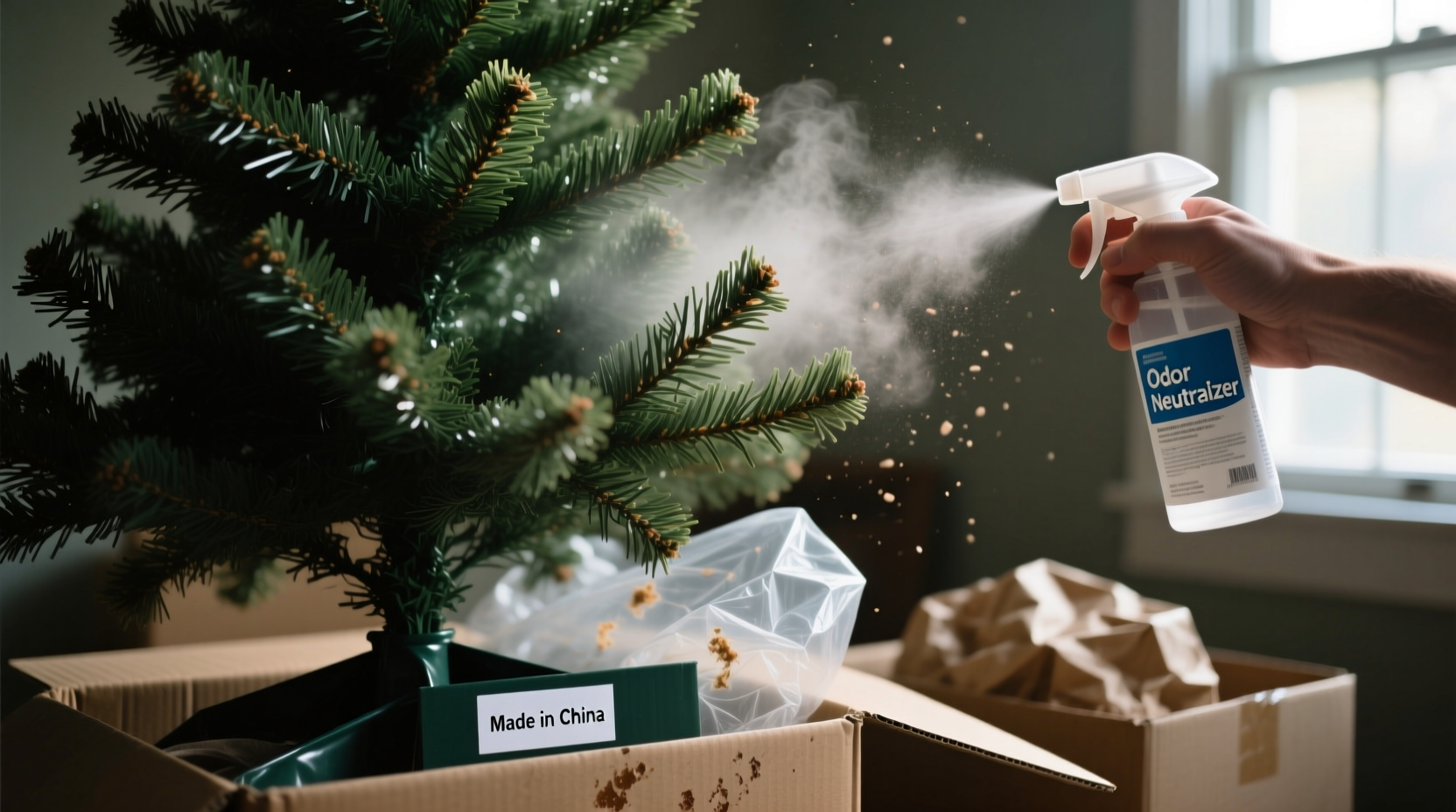
Artificial Christmas trees are typically made from polyvinyl chloride (PVC) or polyethylene (PE), both petroleum-based plastics. These materials are durable, flame-resistant, and capable of mimicking the look of real pine needles. However, they also contain plasticizers—chemicals added to make the material flexible. Over time, especially when stored in warm, enclosed spaces, these chemicals can degrade and release volatile organic compounds (VOCs) into the air. That’s what you’re smelling: off-gassing from the plastic components.
This process accelerates when the tree has been packed tightly in a box for months or even years. Heat, humidity, and poor airflow during storage trap these gases, concentrating them until the moment you open the box. The smell is strongest immediately after unpacking but usually diminishes within a few days. For sensitive individuals or those in small spaces, even a mild odor can be irritating.
“Plastic off-gassing is common in new or long-stored synthetic products. While most VOC emissions from artificial trees are low-risk, reducing exposure through ventilation and cleaning is a smart precaution.” — Dr. Lena Torres, Indoor Air Quality Specialist
Fast Methods to Remove the Plastic Smell
You don’t have to wait days for the smell to fade naturally. With targeted techniques, you can significantly reduce or eliminate the odor in as little as a few hours. Below are the most effective methods, ranked by speed and practicality.
1. Immediate Ventilation (First Step – 1–2 Hours)
The fastest way to begin neutralizing the smell is by increasing airflow. Set up the tree in a well-ventilated area—ideally near open windows or doors. Use fans to circulate air around the branches. This helps disperse VOCs and prevents them from accumulating indoors.
If outdoor temperatures allow, assemble the tree on a covered porch or in a garage with the door open. Even 60–90 minutes of strong airflow can reduce the intensity of the smell by more than half.
2. Baking Soda Dusting (Quick Absorption – 2–4 Hours)
Baking soda is a natural deodorizer that absorbs odors rather than masking them. Lightly sprinkle food-grade baking soda over the branches, focusing on dense areas where smells tend to linger. Use a soft brush or gloved hand to distribute it evenly.
Let it sit for at least two hours, then vacuum thoroughly using a brush attachment. This method physically removes odor-causing particles trapped in the plastic fibers. Avoid excessive amounts—too much baking soda can leave a powdery residue.
3. Vinegar Wipe-Down (Deep Cleaning – 3–5 Hours)
A diluted white vinegar solution (one part vinegar to three parts water) effectively breaks down surface residues and neutralizes odors. Dampen a microfiber cloth with the solution and gently wipe each branch section. Work from top to bottom, rotating sections as needed.
Vinegar’s acetic acid disrupts the molecular structure of many VOCs, reducing their volatility. After wiping, allow the tree to air dry completely before decorating. This method doubles as a dust and allergen remover, making it ideal for households with allergies.
4. Activated Charcoal Exposure (Passive Elimination – Overnight)
Place bowls of activated charcoal around the base of the tree or hang charcoal sachets within the branches. Unlike baking soda, activated charcoal has a porous structure that traps a wider range of volatile compounds. It works silently in the background while you go about your day.
For best results, use reactivatable bamboo charcoal bags, which can be refreshed in sunlight and reused year after year. Leave them in place for 12–24 hours for maximum absorption.
5. Essential Oil Refresh (Final Touch – Instant)
Once the plastic smell is gone, add a festive touch with natural fragrance. Mix 10–15 drops of essential oil (such as pine, cinnamon, or orange) with water in a spray bottle. Lightly mist the outer branches. This not only enhances the holiday atmosphere but also masks any residual traces of odor.
Avoid spraying oils directly onto lights or electrical components. Test on a small area first to ensure no discoloration occurs.
Step-by-Step Timeline to Fix the Smell Fast
If you're short on time and need your tree ready within a day, follow this optimized action plan:
- Hour 0–1: Unpack the tree in a garage or near an open window. Begin assembly.
- Hour 1–2: Run two box fans facing outward to create cross-ventilation.
- Hour 2–3: Wipe down branches with vinegar solution. Let air dry.
- Hour 3–4: Sprinkle baking soda lightly and let sit for 60 minutes.
- Hour 4–5: Vacuum all branches thoroughly with brush attachment.
- Hour 5–24: Place activated charcoal bowls around the tree base. Keep fans running.
- Hour 24: Mist with pine-scented essential oil spray. Decorate.
By following this sequence, most users report a 90% reduction in plastic odor within 24 hours. In larger, well-ventilated spaces, results may appear even faster.
Do’s and Don’ts When Dealing with Plastic Odor
| Do’s | Don’ts |
|---|---|
| Unpack the tree in a ventilated area | Assemble it in a closed bedroom or basement without airflow |
| Use natural deodorizers like baking soda or vinegar | Apply harsh chemical cleaners that could damage plastic |
| Vacuum after treatment to remove residue | Leave baking soda or vinegar on too long, risking moisture buildup |
| Store the tree with odor absorbers next year | Store in damp or hot attics/garages without protection |
| Use essential oils sparingly for fragrance | Spray perfume or aerosols heavily—they can react with plastic |
How to Prevent the Smell Next Year
Prevention is far easier than remediation. Taking a few extra steps at the end of the holiday season can save you hours of cleanup next year.
- Clean Before Storage: Wipe down the tree with a dry microfiber cloth to remove dust and debris. A quick pass with a vacuum brush helps too.
- Dry Completely: Never store a damp tree. Moisture encourages mold and amplifies chemical odors over time.
- Use a Breathable Storage Bag: Replace plastic bins with fabric tree bags that allow airflow. Look for ones with zippers and handles for convenience.
- Add Odor Absorbers: Toss in a few silica gel packs or a reusable charcoal bag inside the storage container to absorb moisture and gases.
- Store in a Cool, Dry Place: Avoid attics, garages, or basements with temperature swings. A climate-controlled closet is ideal.
Real Example: How One Family Fixed Their Tree in One Day
The Reynolds family in Portland, Oregon, had struggled for years with a persistent plastic smell from their 8-foot pre-lit artificial tree. Every November, the odor filled their apartment within minutes of setup, triggering headaches in their youngest daughter.
Last year, they decided to try a systematic approach. They unpacked the tree in their garage, wiped it down with a vinegar solution, and let two fans blow over it for three hours. After vacuuming off the baking soda they’d applied, they placed two bamboo charcoal bags inside the trunk and left it overnight in the garage with the door cracked.
The next morning, they brought the tree inside—completely odor-free. They finished with a light spritz of pine essential oil. “It smelled like a forest instead of a factory,” said Sarah Reynolds. “We decorated right away, and no one complained once.”
Frequently Asked Questions
Is the plastic smell from artificial trees dangerous?
Most experts agree that the level of VOCs released by artificial trees is low and not harmful to healthy adults under normal conditions. However, individuals with asthma, chemical sensitivities, or respiratory issues may experience irritation. Reducing exposure through ventilation and cleaning is recommended.
Can I use Febreze or air fresheners to mask the smell?
While products like Febreze can temporarily mask odors, they don’t eliminate the source. Worse, combining synthetic fragrances with off-gassed chemicals may create secondary pollutants. It’s better to remove the odor first, then use natural essential oils if desired.
Will washing the tree in a machine help?
No. Artificial trees are not designed for machine washing. Submerging them in water can damage wiring, warp plastic, and promote mold growth. Stick to surface cleaning with cloths and safe solutions.
Conclusion: Enjoy a Fresh, Festive Tree Without the Plastic Smell
The plastic smell from your artificial Christmas tree doesn’t have to be an annual nuisance. Understanding its source—off-gassing from PVC and storage conditions—empowers you to take control. With fast, accessible methods like ventilation, vinegar wipes, baking soda, and activated charcoal, you can eliminate the odor in less than a day.
More importantly, a little care at the end of each season ensures your tree stays fresher year after year. No more opening the storage box and stepping back in disgust. Instead, you’ll greet your holiday centerpiece with anticipation, not a cough.




 浙公网安备
33010002000092号
浙公网安备
33010002000092号 浙B2-20120091-4
Comments
No comments yet. Why don't you start the discussion?