
Bringing home a new artificial Christmas tree is often a moment of seasonal joy. But instead of pine-scented nostalgia, many people are met with an unexpected chemical or plastic-like odor that lingers in the air. This off-putting smell can undermine the festive mood and even trigger sensitivities in some individuals. The good news? This issue is both common and fixable—without resorting to synthetic air fresheners or harsh chemicals. Understanding the root cause of the odor and applying safe, natural remedies can transform your tree into a clean, inviting centerpiece for the holidays.
Why Artificial Trees Emit a Plastic-Like Smell
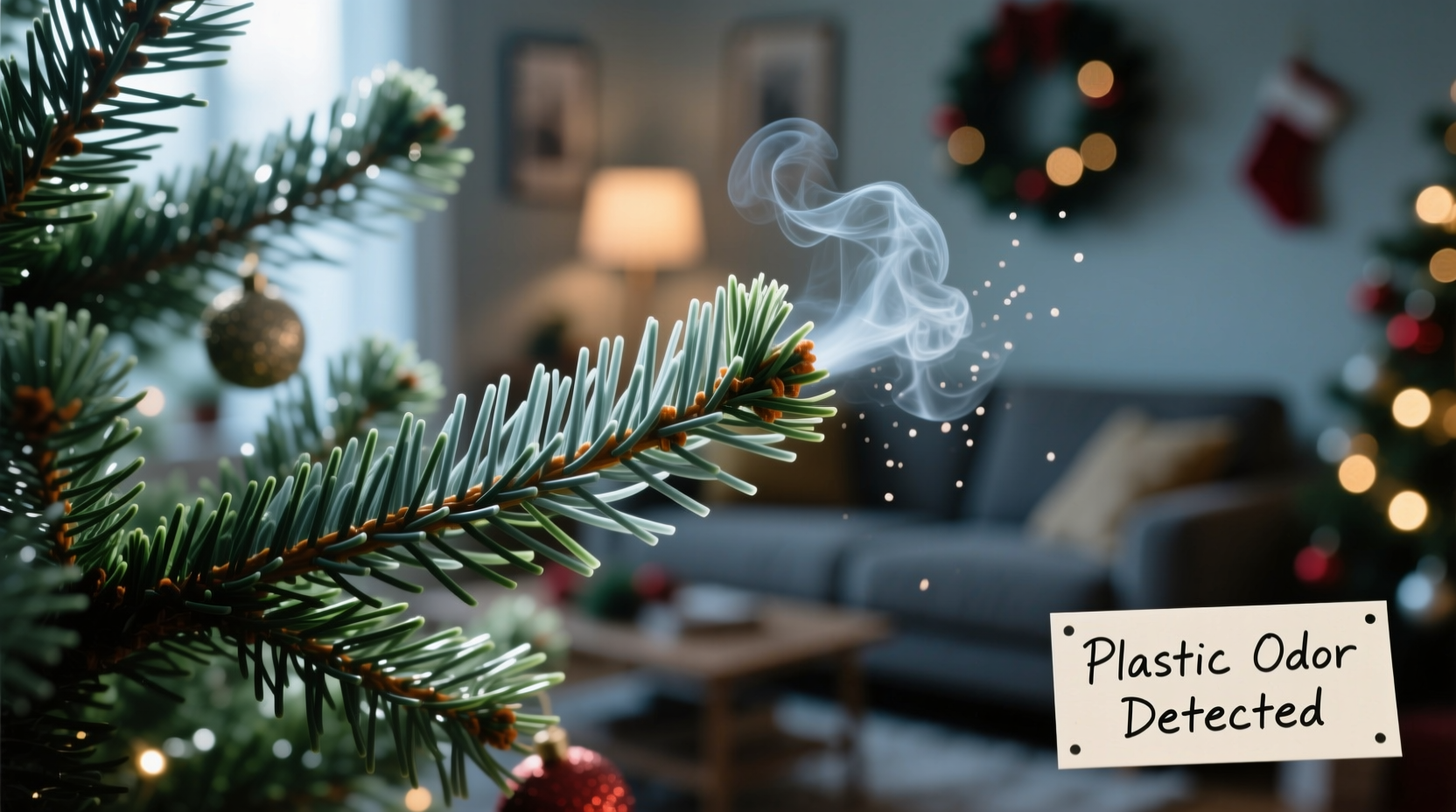
The scent most commonly described as “plastic,” “chemical,” or “burnt” from artificial trees primarily stems from the materials used in their construction. Most artificial trees are made from polyvinyl chloride (PVC), a durable synthetic plastic widely used in consumer goods. During manufacturing, PVC is combined with softening agents, flame retardants, and stabilizers—all of which can emit volatile organic compounds (VOCs) when exposed to air, especially after being sealed in packaging for months.
These VOCs are responsible for the initial strong odor. According to the U.S. Environmental Protection Agency (EPA), new plastics often release gases through a process called off-gassing, particularly in warm environments. When you unbox your tree, especially indoors where temperatures rise due to heating systems, this accelerates the release of trapped compounds.
Even older trees can develop odors if stored in damp basements, attics, or non-breathable plastic bags. Over time, dust, mold spores, and residual moisture contribute to stale or musty smells that mix with lingering plastic notes.
“New artificial trees can off-gas low levels of VOCs for several days after unpacking. While not typically dangerous in well-ventilated areas, these emissions can be irritating to those with respiratory conditions.” — Dr. Lena Pruitt, Indoor Air Quality Specialist
Natural Methods to Neutralize the Plastic Smell
Instead of masking the odor with aerosol sprays or plug-in diffusers, targeting the source with natural deodorizing techniques offers a safer, longer-lasting solution. These methods work by absorbing, breaking down, or displacing unwanted molecules in the air without introducing additional chemicals.
1. Sunlight and Outdoor Ventilation
One of the most effective and simplest solutions is airing out the tree outdoors. UV rays from sunlight help break down VOCs, while fresh airflow carries away trapped gases. If weather permits, set up the tree on a covered porch, balcony, or garage with open doors for 24 to 48 hours before bringing it inside.
2. Baking Soda Absorption
Baking soda is a proven odor absorber due to its alkaline properties, which neutralize acidic and neutral odor molecules. Lightly sprinkle baking soda over the branches, focusing on dense inner sections where smells tend to concentrate. Let it sit for 4–6 hours, then shake vigorously outdoors or vacuum using a brush attachment.
For ongoing protection, place shallow bowls of baking soda around the base of the tree once assembled. Replace every few days during the season.
3. Essential Oil Spritz
Create a natural fragrance spray using essential oils known for their purifying qualities. Combine 1 cup of distilled water, 1 tablespoon of witch hazel (to help disperse oils), and 15–20 drops of essential oil in a glass spray bottle. Good options include:
- Pine or fir needle oil – evokes a natural forest aroma
- Lemon or orange – cuts through chemical smells with bright citrus notes
- Tea tree or eucalyptus – antimicrobial and freshening
Mist lightly from a distance to avoid oversaturation. Never use undiluted oils directly on PVC, as they may degrade the material over time.
4. Activated Charcoal Placement
Activated charcoal has a highly porous structure capable of trapping odor-causing particles. Place small mesh bags or sachets of food-grade activated charcoal within the tree’s center or near the trunk. Unlike baking soda, charcoal works silently and doesn’t require shaking out. Replace or recharge by placing in sunlight for 2–3 hours every two weeks.
Step-by-Step Guide to Eliminate Tree Odor Naturally
Follow this timeline-based approach for best results, starting as early as possible before decorating:
- Day 1 – Unpack and Inspect
Remove the tree from storage or packaging in a well-ventilated area. Check for dust, mold, or insect residue. Disassemble if possible for easier handling. - Day 1–2 – Outdoor Airing
Set up the tree outside or in a garage with open ventilation. Allow at least 24 hours; extend to 48 if odor persists. - Day 2 – Dry Cleaning
Use a microfiber cloth or vacuum with a soft brush to remove surface dust. For stubborn grime, wipe metal or plastic parts with a cloth dampened with diluted white vinegar (1:3 ratio with water). - Day 3 – Baking Soda Treatment
Sprinkle baking soda throughout the inner branches. Let sit for 4–6 hours, then shake thoroughly. Repeat if necessary. - Day 4 – Essential Oil Refresh
Mist lightly with your chosen natural spray. Focus on lower sections and avoid lights or electrical components. - Ongoing – Odor Maintenance
Place bowls of baking soda or charcoal sachets near the base. Reapply spritz every 7–10 days as needed.
Storage Practices to Prevent Future Odors
How you store your tree after the holidays plays a crucial role in minimizing future smells. Poor storage leads to dust accumulation, moisture exposure, and compounding off-gassing upon reuse.
| Do | Don't |
|---|---|
| Store in a breathable fabric bag labeled for Christmas trees | Seal in airtight plastic bags or containers |
| Choose a cool, dry location like a climate-controlled closet | Leave in damp basements or hot attics |
| Include cedar blocks or silica gel packs to deter moisture and pests | Stack heavy items on top of the box |
| Clean gently before storing to prevent embedded odors | Store while still dusty or damp |
Mini Case Study: Recovering a 5-Year-Old Tree
Sarah from Portland, Oregon, pulled out her family’s pre-lit artificial tree each November, only to dread the sharp chemical smell that filled her living room. After five years of using scented candles and air fresheners—without lasting success—she decided to try a natural overhaul.
She began by dismantling the tree and airing it on her screened-in porch for two full days. Next, she wiped down the central pole with a vinegar-water solution and shook each section over grass to dislodge dust. She applied a baking soda treatment overnight, followed by a light mist of pine and lemon essential oil spray.
The result? Her husband, who previously complained of headaches during setup, noticed no irritation that year. “It actually smells like Christmas now,” he said. Sarah continues the routine annually and reports that each subsequent year requires less effort.
Frequently Asked Questions
Is the plastic smell from artificial trees harmful?
For most people, the odor is unpleasant but not dangerous, especially in ventilated spaces. However, individuals with asthma, chemical sensitivities, or compromised immune systems may experience eye, nose, or throat irritation. Limiting exposure through airing out and natural deodorizing reduces risks significantly.
Can I wash my artificial tree?
Full immersion washing is not recommended, as water can damage wiring, hinges, and connectors. Spot cleaning with a slightly damp cloth and mild detergent is acceptable for visible dirt. Always let parts air dry completely before reassembly or storage.
How long does off-gassing last?
New trees typically off-gas the strongest within the first 72 hours after unboxing. With proper ventilation, the majority of VOCs dissipate within one to two weeks. Older trees should not emit significant gases unless stored poorly or exposed to heat over time.
Checklist: Natural Odor Removal Routine
Use this checklist to ensure you cover all steps for a fresh-smelling tree:
- ☐ Unpack tree in a ventilated area
- ☐ Inspect for dust, mold, or damage
- ☐ Air out outdoors or in garage for 24–48 hours
- ☐ Dust branches with microfiber cloth or vacuum
- ☐ Apply baking soda treatment and shake out
- ☐ Mist lightly with natural essential oil spray
- ☐ Place odor absorbers (baking soda or charcoal) near base
- ☐ Store properly after season ends
Conclusion: Enjoy a Cleaner, Healthier Holiday Atmosphere
An artificial Christmas tree shouldn’t come at the cost of comfort or air quality. The plastic smell, while common, is manageable with informed, natural strategies. By understanding the science behind off-gassing and committing to simple, non-toxic solutions, you reclaim the essence of the season—freshness, warmth, and celebration—without compromise.




 浙公网安备
33010002000092号
浙公网安备
33010002000092号 浙B2-20120091-4
Comments
No comments yet. Why don't you start the discussion?