
There’s nothing more disheartening than setting up your holiday centerpiece—only to find tiny plastic shards scattered across the floor like snowfall. Your artificial Christmas tree, once pristine and full, now looks like it's going through a midlife crisis. The shedding of plastic needles isn’t just unsightly; it can ruin carpets, trigger allergies, and make hosting guests awkward. But here’s the good news: this problem is common, fixable, and often preventable.
Artificial trees are designed to last for years, but time, storage conditions, and manufacturing quality all play a role in their deterioration. Understanding why shedding happens—and knowing how to respond quickly—is essential, especially when company is on the way. This guide breaks down the root causes, offers immediate solutions, and provides long-term strategies to keep your tree looking lush and dignified for seasons to come.
What Causes Artificial Trees to Shed Plastic Needles?
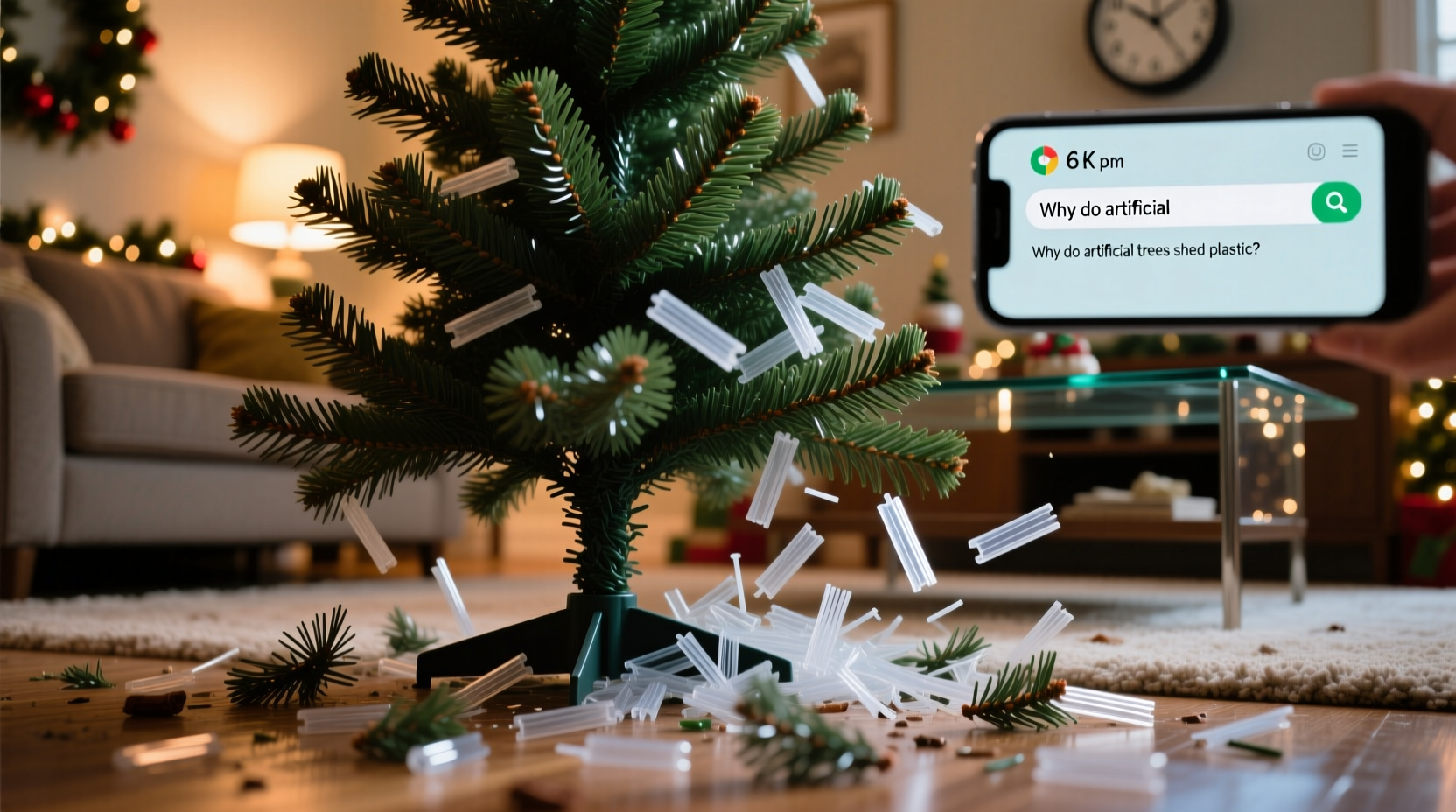
Unlike real trees that shed due to dehydration, artificial trees lose needles because of material fatigue, poor construction, or environmental stress. The “needles” on most fake trees are made from PVC (polyvinyl chloride) or PE (polyethylene), molded onto wire or plastic stems. Over time, these materials become brittle, especially when exposed to heat, dry air, or physical stress.
The primary causes of needle loss include:
- Poor initial quality: Budget-friendly trees often use thinner plastics and weaker bonding techniques between branches and trunks.
- Inadequate storage: Folding trees into tight boxes or leaving them exposed to dust, sunlight, or temperature swings accelerates wear.
- Age and repeated use: Each time you assemble and disassemble the tree, micro-fractures develop in the plastic, leading to breakage.
- Dry indoor environments: Central heating reduces humidity, making plastics more prone to cracking.
- Physical handling: Rough assembly, pet interaction, or children playing nearby can snap weak branches.
Manufacturers rarely advertise durability as a key feature, so many consumers don’t realize they’re buying a tree with a limited lifespan. According to Dr. Lena Whitmore, materials scientist at the Sustainable Holiday Institute, “PVC degrades under UV exposure and thermal cycling. Even indoor lighting can contribute to embrittlement over time.”
“Most artificial trees begin showing signs of degradation after five to seven years—but poor storage can cut that in half.” — Dr. Lena Whitmore, Materials Scientist
Immediate Fixes: How to Stop Shedding Before Guests Arrive
If you’ve noticed excessive shedding and guests are due within hours, you need fast, practical interventions. While you won’t reverse damage overnight, you can stabilize the tree and minimize further mess.
Step-by-Step Emergency Response (Under 2 Hours)
- Disassemble and inspect: Take the tree apart section by section. Gently shake each branch over a dark towel to catch loose debris. Identify the worst-offending sections—usually the lower or inner branches that bear the most weight.
- Vacuum thoroughly: Use a soft brush attachment to clean both the tree and surrounding area. Pay attention to base crevices where needles accumulate.
- Apply fabric stiffener (temporary bond): In a well-ventilated area, lightly spray a clear fabric stiffener (like Niagara Spray Starch or Aleene’s Fabric Stiffener & Driftwood) onto fragile branch clusters. Hold the can 10–12 inches away and apply a fine mist. This creates a thin polymer layer that reinforces weak joints. Let dry completely—about 45 minutes.
- Seal split stems with clear nail polish: For visibly cracked branch connectors, use a small brush to apply clear nail polish at the joint between the stem and trunk sleeve. This prevents further splitting during reassembly.
- Reassemble carefully: Rebuild the tree slowly, avoiding force. Rotate sections to hide sparse areas toward interior or back walls.
- Place a wide tree skirt: Use a thick fabric skirt that extends beyond the drip line to catch any residual shedding. Dark colors hide debris better.
Do’s and Don’ts When Treating a Shedding Tree
| Action | Recommended? | Reason |
|---|---|---|
| Using hairspray to stiffen branches | No | Hairspray contains alcohol and resins that dry out plastic and attract dust. |
| Spraying water to reduce static | Limited | A light mist can help temporarily, but standing moisture may corrode metal parts. |
| Applying clear glue to broken stems | Yes (sparingly) | Use cyanoacrylate (super glue) only on structural breaks—not on individual needles. |
| Shaking the tree vigorously | No | This accelerates needle loss and may dislodge entire branch clusters. |
| Using a lint roller on low branches | Yes | Effective for picking up stray needles without damaging the tree. |
Long-Term Prevention: Make Your Tree Last Years Longer
Once the holiday rush ends, take steps to ensure next year’s setup goes smoothly. Longevity starts with post-season care.
Proper Storage Techniques
The way you store your tree determines its condition the following year. Follow these guidelines:
- Use a dedicated tree storage bag or box: Rigid cylindrical containers offer better protection than foldable bags, preventing crushing.
- Disassemble in reverse order: Remove top sections first and label each part if your tree doesn’t have numbered poles.
- Clean before storing: Wipe down trunks and stands with a dry microfiber cloth. Remove dust, which acts as an abrasive over time.
- Avoid attics and garages: Store in a climate-controlled space. Extreme heat or cold weakens plastic bonds.
- Keep upright if possible: Laying a tree flat for months can warp branch alignment and stress internal supports.
Upgrade Key Components
Consider replacing worn parts:
- Invest in a sturdy stand: A wobbly base increases stress on lower branches. Metal stands with adjustable screws provide better support.
- Add internal lighting: Pre-lit trees reduce the need for taping or wrapping additional strands, minimizing branch manipulation.
- Rotate sections annually: Use different parts of the tree as the “front” each year to distribute wear evenly.
Real Example: How Sarah Saved Her Family’s Tree in 90 Minutes
Sarah Thompson of Portland, Oregon, faced a holiday disaster when her 8-foot pre-lit tree began shedding heavily two days before her annual open house. “I thought we’d have to cancel,” she recalls. “The living room looked like a confetti bomb went off.”
With 50 guests expected, she took action. She disassembled the tree, vacuumed every fragment, and used fabric stiffener on the three most damaged sections. She also replaced two broken pole connectors from a spare kit she’d kept from purchase day. After reassembling and adding a floor-length velvet skirt, the tree looked full and festive. “No one even noticed,” she says. “In fact, my sister asked where I got such a lush tree!”
Sarah now stores her tree in a vertical hard-case container in a closet under the stairs—away from furnace vents. She inspects it every spring and has extended its life by four years beyond the manufacturer’s estimate.
Expert-Approved Checklist for a Shed-Free Tree
- Inspect each branch for cracks or loose needles
- Vacuum or wipe down all sections before assembly
- Use fabric stiffener on weak clusters (test in inconspicuous area first)
- Seal broken stem joints with clear nail polish or super glue
- Assemble gently, aligning connectors without forcing
- Secure with a stable, appropriately sized stand
- Place a wide, dark-colored tree skirt to catch debris
- Run a handheld vacuum around the base daily for the first week
- Store in a cool, dry, upright position after the holidays
- Label sections and keep replacement parts in a sealed bag
Frequently Asked Questions
Is some shedding normal for artificial trees?
Minimal shedding during the first few days after setup is common, especially in new trees. However, heavy or ongoing loss—especially in trees over three years old—indicates wear or poor quality. If you're collecting a handful of needles daily, intervention is needed.
Can I return a shedding artificial tree?
It depends on the retailer and timeline. Most major stores accept returns within 30–90 days of purchase, particularly if the tree is pre-lit or advertised as \"premium.\" Keep your receipt and original packaging. Some manufacturers offer warranties against premature degradation—if you registered the product, you may qualify for a replacement.
Are certain tree types less prone to shedding?
Yes. Trees made with dual-tone PE (polyethylene) foliage tend to be more durable than basic PVC models. Look for terms like “hinged branch technology” or “realistic tip count” as indicators of higher build quality. Premium brands like Balsam Hill or National Tree Company use stronger materials and better assembly methods, reducing long-term shedding.
Final Thoughts: Preserve the Magic, Not the Mess
Your artificial Christmas tree should inspire joy, not cleanup marathons. Shedding plastic needles is more than a nuisance—it’s a sign that care routines need adjustment. Whether you’re dealing with an aging favorite or a disappointing new purchase, the solutions are within reach. Immediate treatments can restore dignity to a flaking tree, while smarter storage and maintenance habits ensure future seasons stay sparkling and stress-free.
The holidays are about connection, warmth, and tradition. Don’t let a crumbling centerpiece distract from what matters. With a little knowledge and proactive effort, you can enjoy a full, beautiful tree year after year—without hiding the carpet under a rug.




 浙公网安备
33010002000092号
浙公网安备
33010002000092号 浙B2-20120091-4
Comments
No comments yet. Why don't you start the discussion?