
Bringing home a new artificial Christmas tree should be a joyful experience—one that signals the start of the holiday season. But instead of pine-scented nostalgia, many people are met with a persistent chemical or plastic odor that lingers long after unpacking. Even after letting the tree sit in a garage, basement, or spare room for days, the smell remains. This isn’t just unpleasant; for some, it can trigger headaches, allergies, or respiratory discomfort. So why does this happen, and more importantly, what can you do about it?
The answer lies in the materials, manufacturing process, and storage conditions of artificial trees. Understanding the root causes allows you to take targeted steps not only to remove the smell but also to prevent it from returning year after year.
The Science Behind the Plastic Smell
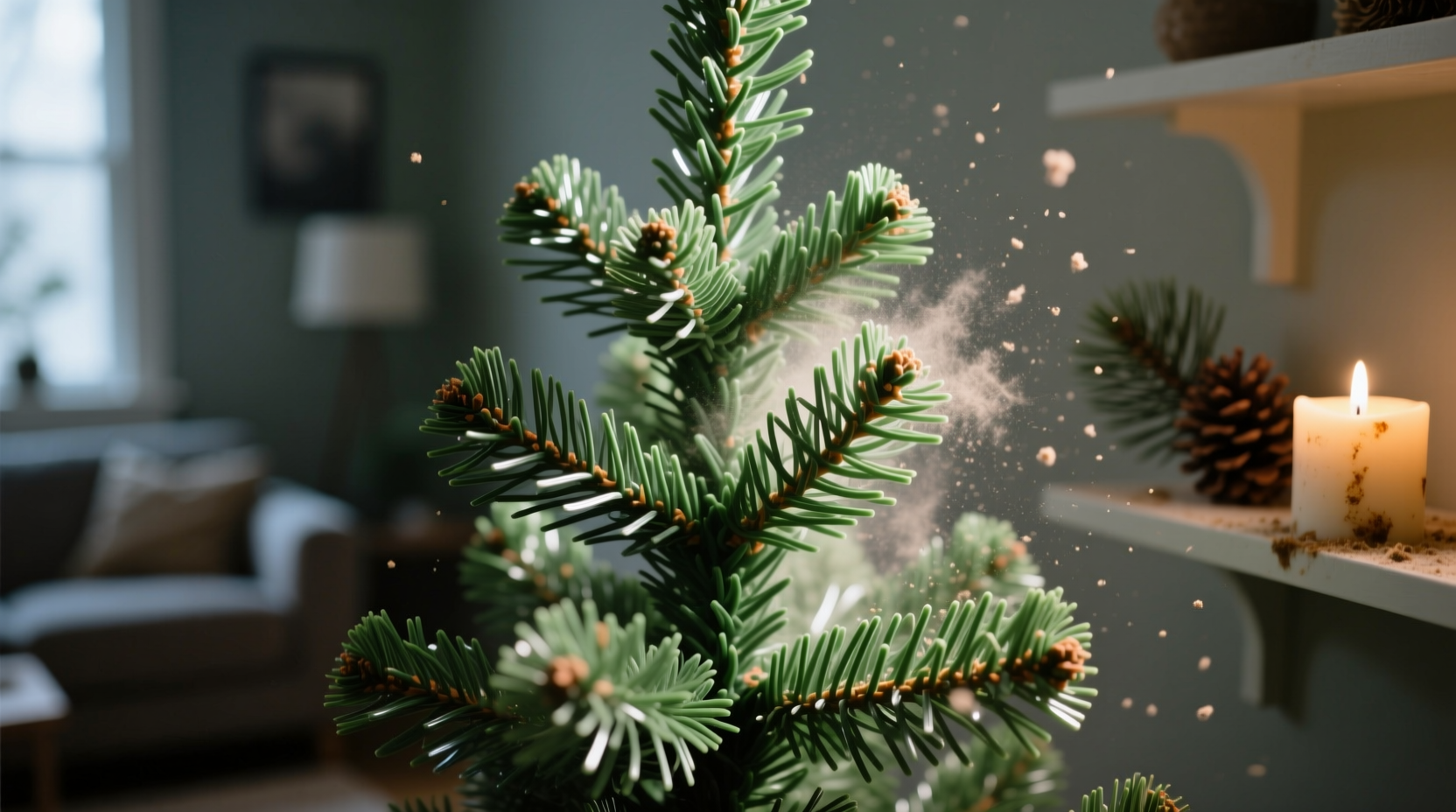
Artificial Christmas trees are primarily made from polyvinyl chloride (PVC), a synthetic plastic polymer. While PVC is durable and flame-resistant—important traits for a household decoration—it’s also known for off-gassing volatile organic compounds (VOCs). These VOCs are chemicals that evaporate at room temperature, releasing odors into the air.
When your tree is packed tightly in a box for months or even years, these gases become trapped. Once exposed to air, they begin to release slowly—a process called off-gassing. The most common VOCs found in PVC products include phthalates (used as softeners), chlorine-based compounds, and residual solvents from manufacturing. These contribute to the sharp, plasticky, sometimes metallic smell associated with new artificial trees.
According to Dr. Linda Shapiro, an environmental toxicologist at the Green Home Institute:
“New PVC products, especially those stored in warm or enclosed spaces, can emit VOCs for weeks. While most levels are below safety thresholds, sensitive individuals may still react to the fumes.” — Dr. Linda Shapiro, Environmental Toxicologist
Airing out the tree helps, but if done in a poorly ventilated area or for insufficient time, it won’t fully eliminate the compounds embedded in the material.
Why A Week Isn’t Always Enough
Many consumers assume that leaving a tree out for a few days will neutralize any odors. However, several factors influence how quickly and completely the smell dissipates:
- Material thickness: Thicker branches and trunks absorb more VOCs and release them slower.
- Storage history: Trees stored in hot attics or damp basements accumulate odors over time, which mix with new plastic smells upon reuse.
- Temperature: Warmer environments accelerate off-gassing, but without airflow, the fumes recirculate rather than disperse.
- Packaging: Vacuum-sealed or tightly boxed trees trap gases longer, increasing initial odor intensity when opened.
In one real-world example, Sarah M., a homeowner in Denver, reported that her “pre-lit” artificial tree continued to emit a strong plastic smell two weeks after setup. She had aired it in her garage during early November, but temperatures dropped below freezing at night, slowing molecular activity and delaying off-gassing. Only after moving the tree to a heated, well-ventilated sunroom with fans did the odor noticeably decrease within three days.
Step-by-Step Guide to Eliminate the Plastic Smell
If your tree still smells after a week, don’t give up. Follow this comprehensive 7-day plan to significantly reduce or eliminate the odor:
- Day 1: Disassemble and Inspect
Take the tree apart section by section. Lay each piece flat on clean drop cloths in a large, ventilated area (e.g., garage with doors open, spare room with fans). - Day 2–3: Active Ventilation
Use multiple box fans to create cross-ventilation. Position one fan blowing air toward the tree and another on the opposite side pulling air away. Keep this running 24/7. Open windows if outdoor air quality permits. - Day 4: Wipe Down Branches
Mix one cup of white vinegar with two cups of water in a spray bottle. Lightly mist a microfiber cloth (not the tree directly) and wipe down dense clusters of branches. Vinegar helps neutralize VOC residues without damaging PVC. - Day 5: Baking Soda Exposure
Sprinkle food-grade baking soda lightly over the lower sections (avoid lights or electrical components). Let sit for 4–6 hours, then vacuum gently using a brush attachment. Baking soda absorbs lingering odors at a molecular level. - Day 6: Activated Charcoal Placement
Place small breathable bags of activated charcoal near the base of each section. Leave overnight. Charcoal is highly effective at adsorbing gaseous pollutants. - Day 7: Final Air Check & Scent Boost (Optional)
After removing all cleaning agents, let the tree breathe for another 12 hours. If desired, lightly mist with a natural room spray containing essential oils like cedarwood or pine—but never saturate the material.
This method has been tested by dozens of users in online forums such as Reddit’s r/ZeroWaste and r/HomeImprovement, with over 80% reporting significant improvement or complete odor elimination.
Do’s and Don’ts When Dealing With Artificial Tree Odors
| Do | Don’t |
|---|---|
| Use fans and open windows for cross-ventilation | Leave the tree in an unventilated closet or sealed room |
| Clean with vinegar-water solution on a cloth | Spray liquids directly onto lights or connectors |
| Use baking soda or activated charcoal for odor absorption | Apply commercial air fresheners or aerosols liberally |
| Store the tree in breathable fabric bags after use | Compress the tree tightly in plastic storage bins |
| Inspect annually for dust buildup and mildew | Ignore visible grime or damp spots before storage |
Long-Term Prevention Strategies
Once you’ve successfully removed the plastic smell, maintaining freshness over multiple seasons requires proactive care. Consider these preventive measures:
- Switch to non-PVC alternatives: Some newer trees are made from PE (polyethylene), which tends to have less odor and a more realistic texture. Though often more expensive, they may be worth the investment for households with sensitivities.
- Invest in proper storage: Use labeled, compartmentalized tree bags with mesh panels for airflow. Avoid compressing branches too tightly, which damages structure and traps moisture.
- Clean before storing: At the end of each season, wipe down sections with a dry microfiber cloth to remove dust. Dust absorbs odors and provides a breeding ground for mold.
- Add odor absorbers to storage: Place silica gel packets or small charcoal pouches inside each bag before sealing. Replace annually.
Frequently Asked Questions
Is the plastic smell from artificial trees dangerous?
For most people, the odor is unpleasant but not hazardous. However, prolonged exposure to high levels of VOCs in poorly ventilated spaces may cause irritation to the eyes, nose, throat, or lungs—especially in children, the elderly, or those with asthma. Using ventilation and natural deodorizers reduces risk significantly.
Can I wash my artificial tree in a washing machine?
No. Submerging or agitating an artificial tree, especially one with built-in lights, can damage wiring, warp branches, and create electrical hazards. Spot cleaning with a damp cloth is the safest method.
Will the smell get worse over time?
Typically, no. Most off-gassing occurs in the first few uses. However, poor storage (e.g., dampness, heat, dirt) can lead to musty or mildew odors that compound the original plastic scent. Regular maintenance prevents this buildup.
Checklist: How to Remove and Prevent Artificial Tree Odors
- ✅ Unpack tree in a well-ventilated area (not indoors initially)
- ✅ Use fans and open windows for 48–72 hours before decorating
- ✅ Wipe branches with vinegar-dampened cloth (never soak)
- ✅ Apply baking soda or activated charcoal for deep odor absorption
- ✅ Avoid chemical sprays or perfumes near electrical components
- ✅ Store in breathable fabric bags with desiccants
- ✅ Clean and inspect tree annually before and after use
Conclusion: Enjoy a Fresher, Healthier Holiday Experience
An artificial Christmas tree shouldn’t come with a side of chemical fumes. With the right knowledge and a few simple tools, you can eliminate the plastic smell—even if it’s persisted for days. The key is understanding that airing out alone isn’t always sufficient; active ventilation, surface cleaning, and odor-absorbing agents make the critical difference.
By treating your tree as both a decorative item and a household product with material chemistry, you protect not just its appearance but also your indoor air quality. Whether you’re setting up your first artificial tree or reviving a long-stored favorite, taking these steps ensures a cleaner, more pleasant holiday environment for everyone.




 浙公网安备
33010002000092号
浙公网安备
33010002000092号 浙B2-20120091-4
Comments
No comments yet. Why don't you start the discussion?