
Gardening is a rewarding activity that connects us with nature, promotes mindfulness, and yields fresh produce or vibrant flowers. Yet, many people find themselves wincing in discomfort by the end of a long day among the plants. Back pain after gardening is not just common—it’s often preventable. The repetitive bending, lifting, twisting, and prolonged static postures place significant strain on the spine and supporting muscles. Understanding the biomechanics behind this discomfort is the first step toward enjoying your garden without paying for it afterward.
The human back isn’t designed for hours of forward bending or awkward reaching. When we ignore ergonomics in favor of productivity, the lower back—especially the lumbar region—bears the brunt. Over time, poor habits can lead to muscle strains, disc irritation, or even chronic issues. The good news? With mindful techniques, proper tools, and preventive care, you can continue gardening well into later years—pain-free.
Why Gardening Triggers Back Pain
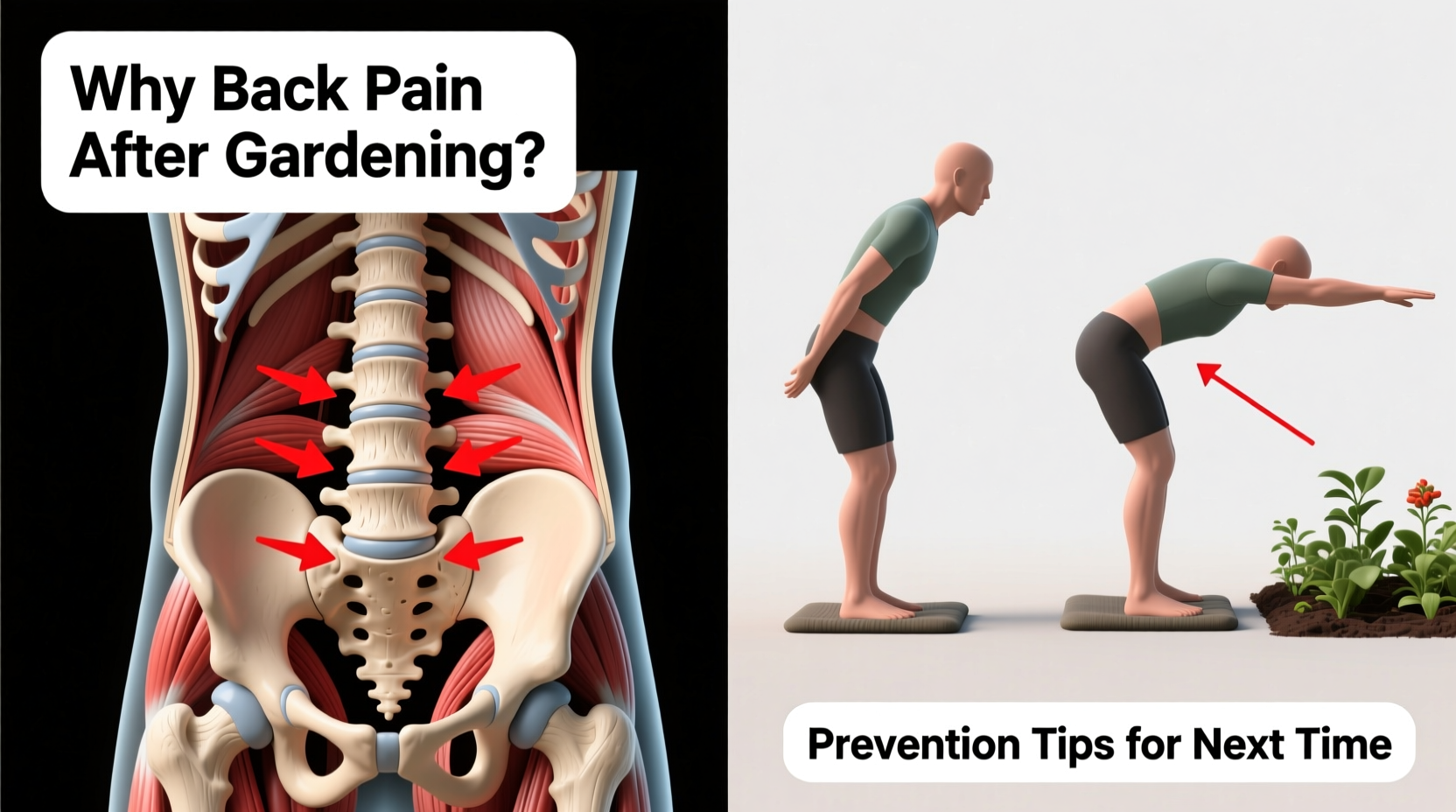
Gardening may seem gentle, but it involves physical demands that challenge the spine. Most backyard gardeners spend hours in positions that increase pressure on the lumbar discs. Bending at the waist instead of the hips, lifting heavy bags of soil incorrectly, or maintaining a hunched posture while weeding all contribute to mechanical stress.
One major culprit is sustained flexion—the act of repeatedly or continuously bending forward. Research shows that prolonged spinal flexion increases intradiscal pressure, which can irritate or damage intervertebral discs over time. Add to that unbalanced loads (like carrying a full watering can in one hand) or sudden twisting motions when reaching for tools, and the risk of injury rises significantly.
Muscle fatigue also plays a role. Core muscles that support the spine weaken with age or inactivity. Without adequate strength, smaller stabilizing muscles become overworked, leading to spasms or strain. Additionally, many gardeners underestimate the cumulative effect of small movements: thousands of micro-bends while planting seeds, pulling weeds, or raking leaves add up faster than expected.
“Gardening is a physically demanding activity disguised as leisure. Those who treat it like light recreation often end up with injuries they didn’t anticipate.” — Dr. Lena Torres, Physical Therapist and Ergonomics Consultant
Common Postural Mistakes That Cause Injury
Even experienced gardeners fall into harmful movement patterns. These mistakes are often subtle but have a lasting impact:
- Bending from the waist instead of the hips: This places excessive load on the lumbar vertebrae and discs.
- Twisting while lifting or carrying: Rotating the spine under load dramatically increases the risk of disc herniation.
- Working in one position too long: Remaining in a stooped or crouched posture fatigues muscles and reduces blood flow.
- Reaching excessively: Stretching across beds forces uneven weight distribution and strains shoulder and back muscles.
- Lifting heavy objects improperly: Using the back instead of the legs during lifts is a classic cause of acute injury.
Preventive Strategies to Protect Your Back
Prevention starts before you step outside with your trowel. Being proactive about body mechanics, tool selection, and work pacing makes a dramatic difference in comfort and safety.
Use Proper Lifting Techniques
When handling bags of soil, mulch, or potted plants, follow these steps:
- Stand close to the object.
- Place your feet shoulder-width apart.
- Hinge at the hips and bend your knees—do not round your back.
- Keep the load close to your body.
- Lift using your leg muscles, not your back.
- Avoid twisting while rising; turn your whole body if needed.
Modify Your Work Environment
Ergonomic adjustments reduce strain without sacrificing productivity:
- Raise garden beds to waist height using raised planters or benches.
- Kneel on a padded mat instead of bare ground to avoid hip and knee strain that indirectly affects posture.
- Use long-handled tools to minimize bending.
- Position frequently used tools within easy reach to avoid overextending.
Take Frequent Breaks and Change Positions
Your body thrives on variety. Alternate between standing, kneeling, and sitting tasks. Set a timer for every 20–30 minutes to stretch or walk around. Movement resets muscle tension and improves circulation.
Essential Tools and Equipment for Back-Friendly Gardening
The right gear can transform your gardening experience. Consider investing in tools designed with ergonomics in mind:
| Tool/Item | Benefit | Recommended Features |
|---|---|---|
| Extended-Handle Tools | Reduces need to bend over | Telescoping handles, angled heads for better reach |
| Kneeling Pad or Garden Seat | Supports posture while working low | Cushioned foam, dual-sided use, portable design |
| Wheeled Garden Caddy | Eliminates repeated trips and carrying | Sturdy frame, large wheels for soft soil |
| Ergonomic Gloves | Improves grip and reduces hand fatigue | Padded palms, breathable material, snug fit |
| Lightweight Watering Can | Minimizes asymmetric loading | Two-handled design, max 5–7 lbs when full |
Step-by-Step Guide to a Back-Safe Gardening Session
Follow this timeline to structure your gardening work with spine health in mind:
- 10 Minutes Before: Warm Up
Perform dynamic stretches: arm circles, torso twists, gentle knee lifts, and cat-cow motions to prepare your spine. - Start with Standing Tasks
Begin with pruning, harvesting, or watering—activities that keep you upright and mobile. - After 20–30 Minutes: Take a Break
Walk around, perform a standing forward fold with bent knees, or do a few pelvic tilts to reset your lower back. - Move to Ground-Level Work
Use a kneeling pad or sit on a low stool. Switch sides frequently to avoid favoring one side of the body. - Every Hour: Full Reset
Spend 3–5 minutes stretching: child’s pose, seated spinal twist, and standing side bends. - At the End: Cool Down
Finish with gentle stretches focusing on hamstrings, hips, and lower back. Hydrate and reflect on any areas of tension.
Real Example: Recovering From Recurrent Back Pain
Martha, a 58-year-old retiree from Oregon, loved her vegetable garden but began experiencing sharp lower back pain every spring after planting season. She’d spend entire weekends transplanting seedlings, bending over rows for hours. Initially, she dismissed the soreness as normal exertion. But after two consecutive seasons of needing anti-inflammatory medication and missing weeks of activity, she consulted a physical therapist.
The assessment revealed weak core muscles, tight hamstrings, and a habit of lifting trays of seedlings with a rounded back. Her therapist recommended raised beds, a garden kneeler with a seat, and a daily routine of core-strengthening exercises. Martha also started warming up before gardening and limiting sessions to 45-minute blocks with breaks.
Within one month, her pain decreased significantly. By mid-season, she was gardening more consistently than ever—without discomfort. “I realized I wasn’t getting older,” she said. “I was just doing it wrong.”
Do’s and Don’ts of Pain-Free Gardening
| Do’s | Don’ts |
|---|---|
| Hinge at the hips when picking up tools or plants | Bend forward from the waist with straight legs |
| Use both hands when carrying heavy items | Carry buckets or tools with one arm only |
| Keep your chest lifted and shoulders relaxed | Hunch forward or crane your neck while weeding |
| Work in short intervals with movement breaks | Stay in one position for over 30 minutes |
| Invest in ergonomic tools and supports | Use worn-out tools with poor grips or short handles |
FAQ: Common Questions About Gardening and Back Pain
Can gardening cause a herniated disc?
Yes, especially if you frequently lift heavy objects while twisted or bent. Repetitive spinal flexion combined with compression increases the risk of disc injury. Using proper form and avoiding high-risk movements greatly reduces this danger.
Is kneeling worse than bending over?
Not necessarily. Kneeling on a cushioned surface with good alignment can be less stressful than sustained forward bending. However, prolonged kneeling without support can strain the knees and lead to compensatory back arching. Alternating positions is ideal.
How can I strengthen my back for gardening?
Focus on core stability exercises like planks, bird-dogs, and bridges. Strengthening the glutes and hamstrings also supports safe lifting. Practicing hip hinges with bodyweight or light weights mimics gardening movements safely.
Conclusion: Garden Smarter, Not Harder
Back pain after gardening doesn’t have to be an inevitable part of the process. It’s a signal that your body is being asked to do too much in ways it wasn’t designed to handle. By adjusting your techniques, upgrading your tools, and respecting your physical limits, you can protect your spine and extend your ability to enjoy the garden for years to come.
Remember, gardening is a marathon, not a sprint. Pace yourself, listen to your body, and prioritize long-term health over short-term completion. Small changes today—like using a stool, warming up, or switching to ergonomic tools—can prevent chronic pain tomorrow.




 浙公网安备
33010002000092号
浙公网安备
33010002000092号 浙B2-20120091-4
Comments
No comments yet. Why don't you start the discussion?