
Beard growth is a rite of passage for many men, symbolizing maturity, style, and personal identity. But few anticipate the relentless itch that often accompanies those first few weeks. If you’ve ever found yourself scratching your face raw just days into your beard journey, you’re not alone. Itchiness is one of the most common complaints among new and even seasoned beard wearers. The good news? Most causes are temporary and highly treatable. Understanding why your beard itches—and knowing how to respond quickly—is the key to comfort and long-term beard health.
The Science Behind Beard Itch: What’s Really Happening?
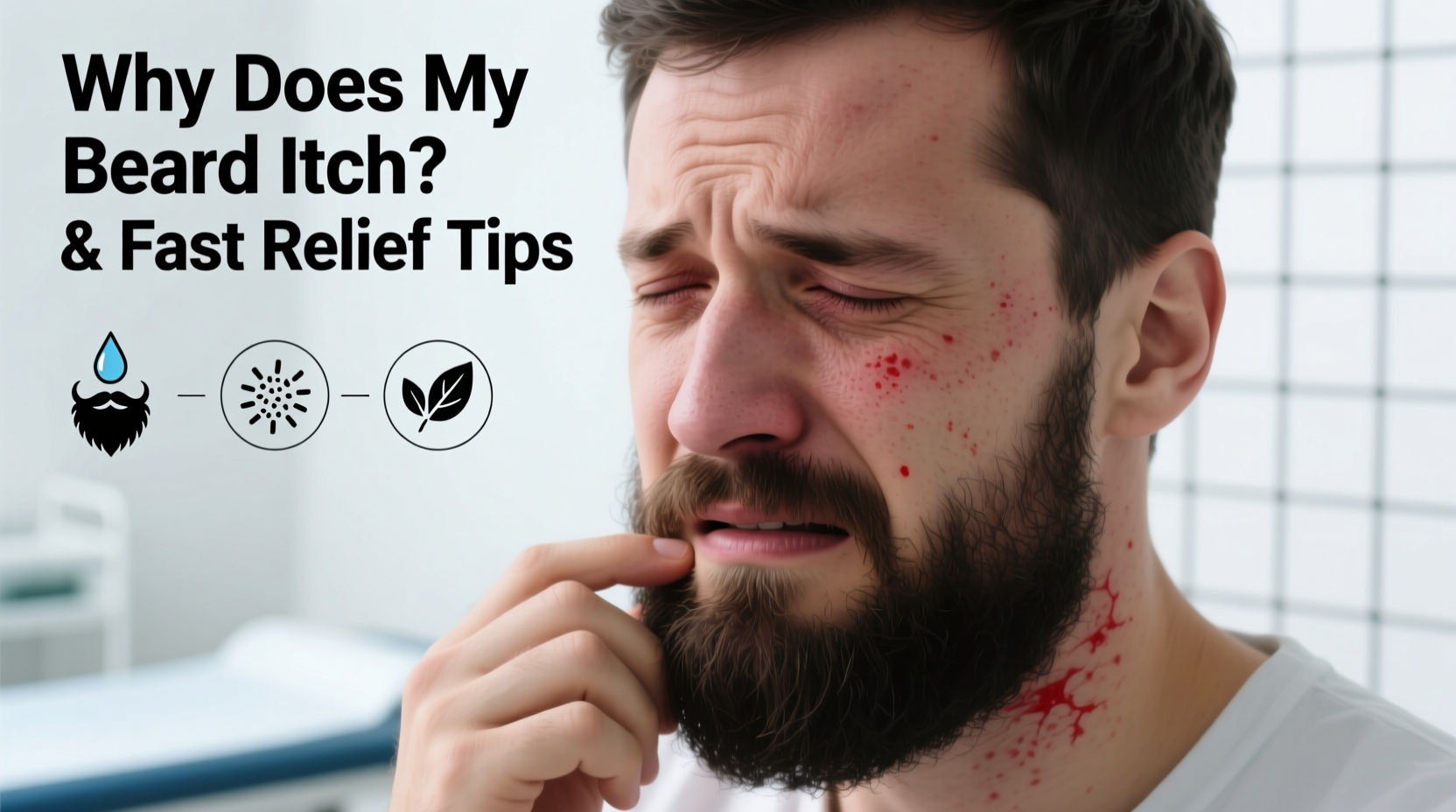
When facial hair begins to grow, especially after shaving, the skin undergoes significant changes. The sensation of itchiness isn’t usually caused by the hair itself but by how the skin reacts to it. As coarse hairs emerge from follicles, they can curl and rub against sensitive skin, triggering irritation. This is particularly common in individuals with curly or coarse hair types, where the strands may begin to \"kink\" beneath the surface, causing micro-abrasions.
Beneath the surface, inflammation plays a major role. Hair growth increases blood flow to the area, which can heighten skin sensitivity. Additionally, dead skin cells accumulate more easily under growing hair, creating a breeding ground for trapped debris and bacteria. This buildup leads to clogged pores and flaking—commonly known as “beardruff”—which further aggravates itching.
“The initial phase of beard growth mimics a mild inflammatory response. The body perceives new hair growth as a foreign intrusion, leading to localized histamine release and itch signals.” — Dr. Alan Prescott, Dermatologist & Skin Health Specialist
Common Causes of Beard Itch (And How to Identify Them)
Not all beard itch is created equal. Different triggers require different treatments. Pinpointing the root cause is essential for fast relief.
- Dry Skin: The most frequent culprit. Shaving strips natural oils, and new beard growth prevents moisturizers from reaching the skin underneath.
- Ingrown Hairs: Curled hairs re-enter the skin, causing redness, bumps, and intense localized itching.
- Beardruff (Seborrheic Dermatitis): Flaky, dry skin under the beard, often worsened by fungal overgrowth or poor hygiene.
- Poor Hygiene: Oil, food particles, sweat, and environmental pollutants collect in the beard, irritating the skin.
- Allergic Reaction: Sensitivity to beard products, detergents, or even certain foods can manifest as facial itching.
- Folliculitis: Inflamed or infected hair follicles, appearing as red pustules, often due to bacterial or fungal invasion.
Fast-Acting Relief: Step-by-Step Guide to Soothe Beard Itch
If your beard is driving you crazy, immediate action can bring rapid relief. Follow this timeline-based approach for best results.
- Day 1 – Cleanse Gently (5 Minutes): Use a sulfate-free beard wash to remove buildup without stripping moisture. Rinse thoroughly with lukewarm water.
- Day 1 – Apply a Soothing Toner (Optional): Dab witch hazel or diluted tea tree oil on irritated areas to reduce inflammation and kill bacteria.
- Day 1 – Moisturize Deeply: While skin is damp, apply a lightweight beard oil containing jojoba or argan oil. These mimic natural sebum and penetrate the skin.
- Day 2 – Exfoliate (2–3 Times Weekly): Use a soft facial scrub or exfoliating beard brush to lift dead skin and prevent ingrowns. Avoid harsh scrubs.
- Day 3 – Introduce Beard Balm: Once itch subsides slightly, switch to a balm with shea butter and beeswax for longer-lasting hydration and control.
- Ongoing – Maintain Routine: Wash every 2–3 days, oil daily, and comb regularly to distribute natural oils and prevent tangles.
Most users report noticeable improvement within 48 to 72 hours when following this protocol consistently. For severe cases, adding an over-the-counter hydrocortisone cream (1%) for short-term use (no more than 7 days) can calm intense flare-ups.
Do’s and Don’ts: Beard Care Table for Optimal Results
| Action | Do | Don't |
|---|---|---|
| Washing Frequency | Every 2–3 days with beard-specific shampoo | Every day with regular soap or body wash |
| Moisturizing | Apply beard oil daily, especially after showering | Use heavy lotions that clog pores |
| Exfoliation | 2–3 times per week with gentle scrub or brush | Scrub daily or with abrasive tools |
| Trimming | Shape weekly to prevent split ends and tangling | Over-trim during itchy phases—this worsens irritation |
| Product Selection | Choose fragrance-free, non-comedogenic formulas | Use cooking oils (e.g., coconut oil) without dilution |
Adhering to these guidelines minimizes friction, supports skin recovery, and accelerates the transition from itchy stubble to a soft, manageable beard.
Real Example: From Itch to Confidence in 10 Days
Take Mark, a 28-year-old software developer who decided to grow his first beard for Movember. By day five, he was miserable—his jawline burned, flakes appeared on his shirt, and constant scratching left red marks. He almost gave up. Instead, he researched solutions and made three critical changes:
- Switched from bar soap to a natural beard wash
- Started applying jojoba-based beard oil twice daily
- Began using a boar bristle brush to exfoliate and train hair growth
Within a week, the itching dropped by 80%. By day ten, his skin had calmed, and the beard began to feel softer. “I didn’t realize how much improper care was making it worse,” he said. “Once I treated the skin under the beard, not just the hair, everything changed.”
Expert-Backed Checklist: Stop Beard Itch Fast
Use this actionable checklist to address beard itch immediately and prevent recurrence:
- ✅ Switch to a sulfate-free beard shampoo
- ✅ Apply beard oil within 2 minutes of showering
- ✅ Exfoliate the skin beneath the beard 2–3 times per week
- ✅ Comb or brush beard daily to train hair direction and distribute oils
- ✅ Avoid touching or scratching with dirty hands
- ✅ Stay hydrated and maintain a balanced diet rich in omega-3s and vitamins A, C, and E
- ✅ Replace old trimmers or blades if pulling at hair
- ✅ Test new products on a small patch first to rule out allergies
This checklist targets both symptom relief and long-term skin health. Consistency matters more than intensity—small daily habits yield the best outcomes.
Frequently Asked Questions
How long does beard itch last?
For most men, the worst of the itching subsides within 2 to 4 weeks as the skin adjusts to new hair growth and proper care routines take effect. Some experience minor irritation for up to six weeks, especially with thicker or curlier beards. Persistent itching beyond two months may indicate an underlying skin condition like eczema or fungal infection and should be evaluated by a dermatologist.
Can I use coconut oil on my beard?
Coconut oil has antimicrobial properties and can work as a moisturizer, but it’s highly comedogenic—meaning it can clog pores—especially for men with oily or acne-prone skin. If you choose to use it, dilute it with jojoba or argan oil (e.g., 1 part coconut to 2 parts carrier oil) and apply sparingly. Monitor for breakouts or increased greasiness. Many dermatologists recommend jojoba oil as a safer, more skin-compatible alternative.
Is it bad to scratch my itchy beard?
Scratching may offer momentary relief but damages the skin barrier, increases inflammation, and introduces bacteria from your nails, raising the risk of infection. Instead, gently tap or massage the area, or apply a cool compress to numb the itch. Keep nails short and clean to minimize harm if scratching occurs unintentionally.
Long-Term Prevention: Building a Sustainable Beard Care Routine
Relief is important, but prevention ensures lasting comfort. A sustainable routine protects both skin and hair. Begin each morning with a few drops of beard oil massaged into the skin beneath the beard. This creates a moisture barrier that reduces friction throughout the day. At night, consider using a slightly heavier beard balm to lock in hydration while you sleep.
Diet also plays a crucial role. Omega-3 fatty acids (found in fish, flaxseeds, and walnuts) support skin elasticity and reduce inflammation. Vitamin E promotes healing, while zinc helps regulate oil production. Staying well-hydrated ensures your skin doesn’t dry out under the beard canopy.
Finally, invest in quality tools: a stainless steel comb for detangling and a boar bristle brush to exfoliate and condition. These simple upgrades make a dramatic difference in managing itch and maintaining a polished appearance.
Conclusion: Take Control of Your Beard Comfort Today
Beard itch doesn’t have to derail your grooming goals. With the right knowledge and tools, you can transform an uncomfortable phase into a smooth transition toward a healthier, more confident look. The root causes—dry skin, buildup, and improper care—are fixable with consistent attention. Whether you're days into growth or struggling with recurring irritation, the solutions are practical, science-backed, and within reach.




 浙公网安备
33010002000092号
浙公网安备
33010002000092号 浙B2-20120091-4
Comments
No comments yet. Why don't you start the discussion?