
Birds are expressive creatures, and their body language often speaks louder than their vocalizations. One of the most common behaviors pet owners observe is rapid wing flapping inside the cage. While this motion might seem harmless—or even amusing—it can signal a range of emotional states, from joy to anxiety. Understanding the context behind this behavior is essential for ensuring your bird’s well-being. Unlike mammals, birds don’t cry, frown, or smile in ways we easily recognize. Instead, they communicate through posture, movement, and vocal tone. Rapid wing flapping sits at the intersection of instinct, emotion, and environment. This article breaks down the possible reasons behind this action, how to differentiate between excitement and distress, and what you can do to support a healthy, balanced avian companion.
Decoding Wing Flapping: Natural Behavior vs. Emotional Signal
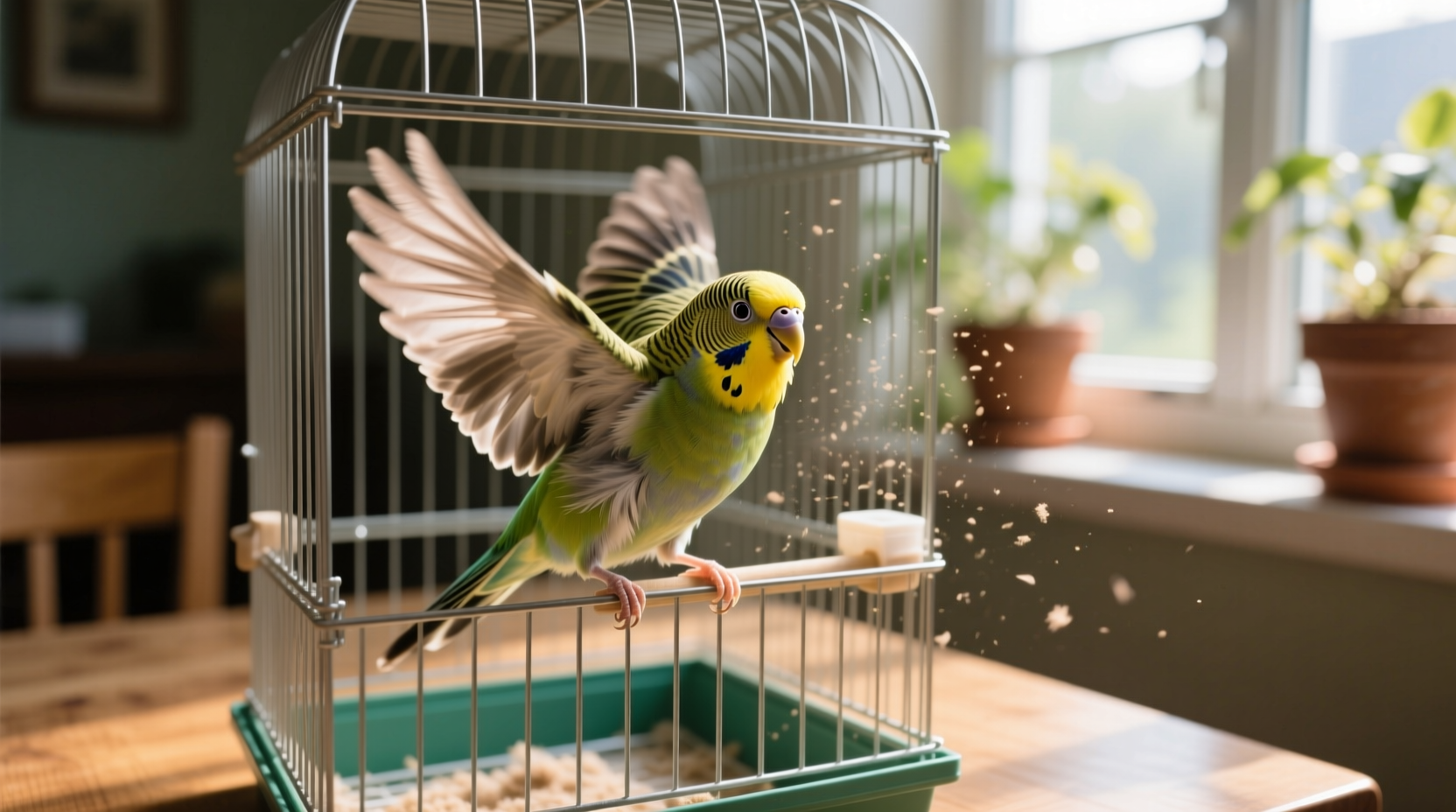
Wing flapping is not inherently negative. In fact, it’s a natural part of avian life. Wild birds flap their wings to prepare for flight, regulate body temperature, stretch muscles, or assert dominance. Captive birds retain these instincts, even without open skies. However, frequency, intensity, and accompanying behaviors determine whether flapping is healthy expression or a cry for help.
In captivity, wing flapping serves multiple purposes:
- Exercise: Birds need to move. Without flight, flapping helps maintain muscle tone.
- Thermoregulation: Flapping increases airflow, helping cool the body.
- Communication: It can be a social signal to humans or other birds.
- Attention-seeking: Some birds learn that flapping gets a reaction.
The key lies in reading the full behavioral picture. A bird flapping gently while chirping may be stretching after rest. The same bird flapping violently while crouching and hissing likely feels threatened.
Excitement: When Wing Flapping Is a Happy Dance
Rapid wing flapping isn’t always a red flag. In many cases, it’s a joyful expression. Birds often flap when excited by positive stimuli such as:
- Seeing their favorite human enter the room
- Hearing familiar songs or sounds
- Anticipating food or treats
- Reacting to mirror reflections (common in solitary birds)
This type of flapping is typically brief, rhythmic, and accompanied by upbeat vocalizations. The bird may hop, bob its head, or tilt its body playfully. Its eyes are bright, feathers sleek, and posture upright. Think of it as a bird’s version of clapping hands or jumping for joy.
Parrot species like budgies, cockatiels, and conures are especially prone to enthusiastic wing displays. These behaviors reinforce bonding and mental stimulation. Encouraging them in moderation supports emotional health.
“Birds use physical gestures much like toddlers—they haven’t evolved subtle emotional cues because survival in the wild depended on clear, visible signals.” — Dr. Lena Torres, Avian Ethologist, University of Queensland
Distress: Recognizing Signs of Anxiety or Discomfort
When rapid wing flapping becomes persistent, erratic, or paired with defensive postures, it often indicates stress. Distress-related flapping tends to be more forceful and may appear frantic. Common triggers include:
- Overstimulation from noise or sudden movements
- Poor cage placement (e.g., near foot traffic or predators like cats)
- Lack of mental stimulation or environmental enrichment
- Physical discomfort due to illness or injury
- Social isolation or perceived threats
A distressed bird may crouch low, tuck its head, flatten feathers, or avoid eye contact. Vocalizations turn sharp—screeches, growls, or silence where chatter is expected. Some birds flap one wing repeatedly, which could indicate pain or imbalance.
Chronic stress manifests in self-destructive behaviors like feather plucking or refusal to eat. Left unaddressed, it weakens the immune system and shortens lifespan.
Distinguishing Excitement from Distress: A Practical Guide
To accurately interpret wing flapping, consider timing, duration, and context. Use the following checklist to assess your bird’s state:
- Is the flapping brief (under 30 seconds) and intermittent? → Likely excitement.
- Does the bird return to normal activity afterward? → Positive sign.
- Are feathers puffed or body hunched? → Suggests discomfort.
- Is there vocal aggression or silence? → Possible distress.
- Has the behavior increased recently? → May indicate environmental change.
- Is the bird eating and preening normally? → Supports overall wellness.
Environmental Factors That Influence Wing Flapping
A bird’s surroundings play a crucial role in its emotional regulation. Even subtle changes in lighting, noise, or cage layout can trigger flapping episodes. Consider these factors:
| Factor | Supports Calmness | Triggers Stress |
|---|---|---|
| Cage Location | Quiet corner with partial wall coverage | High-traffic area or near windows with predator views |
| Lighting | Natural daylight cycles (10–12 hours) | Flickering lights or constant artificial brightness |
| Noise Level | Consistent background sound (e.g., soft music) | Sudden loud noises (vacuum, TV, shouting) |
| Enrichment | Toys, perches, foraging opportunities | Bare cage, no rotation of items |
| Social Interaction | Daily engagement within bird’s comfort zone | Infrequent contact or forced handling |
For example, placing a cage near a window may seem ideal, but if squirrels, cats, or aggressive birds are visible, your pet may perceive them as threats. Similarly, a cage in the middle of a busy kitchen may expose the bird to unpredictable movements and cooking fumes—both stressors.
Mini Case Study: Bella the Cockatiel
Bella, a 3-year-old female cockatiel, began flapping her wings rapidly every evening around 6 PM. Her owner initially assumed she was happy to see him after work. But over time, the flapping lasted longer, and Bella stopped singing. She also started avoiding her food dish during these episodes.
After consulting an avian veterinarian, the owner reviewed the environment. He discovered that the family turned on the television at 6 PM—right next to Bella’s cage. The flashing images and loud commercials were overwhelming her senses. By relocating the cage to a quieter room and using a cover during peak TV hours, Bella’s flapping decreased within days. She resumed normal feeding and began whistling again.
This case illustrates how seemingly benign routines can affect sensitive birds. Observation and adjustment made all the difference.
Responding Appropriately: What to Do When Your Bird Flaps Wings
Your response should align with the underlying cause. Reacting incorrectly—such as scolding an excited bird or ignoring a distressed one—can worsen the situation.
Step-by-Step Guide: Managing Rapid Wing Flapping
- Pause and Observe: Watch for 1–2 minutes. Note duration, body language, and surroundings.
- Assess Triggers: Was there a sudden sound? Did someone approach too quickly? Has the routine changed?
- Stay Calm: Avoid loud reactions. Move slowly and speak softly to avoid escalating anxiety.
- Modify Environment: If noise or light is the issue, adjust accordingly. Use a cage cover if needed.
- Offer Reassurance: For social birds, gentle talking or offering a favorite toy can redirect focus.
- Record Patterns: Keep a log of when flapping occurs, how long it lasts, and what preceded it.
- Consult a Professional: If flapping persists or worsens, seek advice from an avian vet or behaviorist.
Never punish wing flapping. Even if attention-seeking, punishment creates fear and damages trust. Instead, reinforce calm behavior with praise or treats.
Medical Causes: When Flapping Signals Health Issues
Not all wing flapping is behavioral. Physical ailments can manifest as abnormal movements. Conditions to rule out include:
- Respiratory infections: Labored breathing may cause wing extension to aid airflow.
- Neurological disorders: Seizures or nerve damage can lead to uncontrolled flapping.
- Musculoskeletal injuries: Pain in wings or shoulders may cause twitching or asymmetrical movement.
- Vestibular disease: Balance issues can result in flapping to stabilize.
If your bird flaps one wing more than the other, holds a wing away from the body, or shows weakness, schedule a veterinary exam. Diagnostic tools like X-rays or blood tests may be necessary.
“Half the birds I see for ‘behavioral issues’ have underlying medical conditions. Always rule out health problems first.” — Dr. Rajiv Mehta, DVM, Avian Medicine Specialist
Frequently Asked Questions
Is it normal for my bird to flap its wings every morning?
Yes, if it’s brief and part of a stretching routine. Many birds flap upon waking to activate circulation and loosen muscles. As long as the behavior stops quickly and the bird appears alert and healthy, it’s likely normal.
Can wing flapping damage my bird’s feathers or joints?
Rarely, if done excessively without space. Ensure the cage is large enough to allow full wing extension without hitting bars. Provide horizontal space for movement. Feather wear can occur if flapping happens against rough surfaces.
Should I let my bird flap its wings freely, even if it can’t fly?
Absolutely. Wing flapping is vital exercise, especially for clipped or flightless birds. Restricting movement leads to obesity, poor circulation, and depression. Allow supervised out-of-cage time daily for safe flapping and stretching.
Conclusion: Building Trust Through Understanding
Rapid wing flapping in a cage isn’t a standalone symptom—it’s a piece of a larger behavioral puzzle. Whether rooted in excitement or distress, it reflects your bird’s attempt to communicate. By learning to read the signs, adjusting the environment, and responding with empathy, you strengthen the bond between you and your feathered companion. Birds thrive on predictability, safety, and interaction. When their needs are met, excessive or anxious flapping diminishes naturally. Take time each day to observe, listen, and engage. Small changes can lead to profound improvements in your bird’s quality of life.




 浙公网安备
33010002000092号
浙公网安备
33010002000092号 浙B2-20120091-4
Comments
No comments yet. Why don't you start the discussion?