
Waking up, brushing your teeth thoroughly, using mouthwash—yet you still catch a whiff of something unpleasant when you speak or breathe into your hand. You're not alone. Millions struggle with morning breath that lingers despite what seems like proper oral hygiene. While occasional bad breath is normal, chronic halitosis—even after brushing—can signal deeper issues ranging from dry mouth to digestive problems. Understanding the root causes and refining your morning routine can make all the difference.
The Hidden Causes Behind Persistent Morning Breath
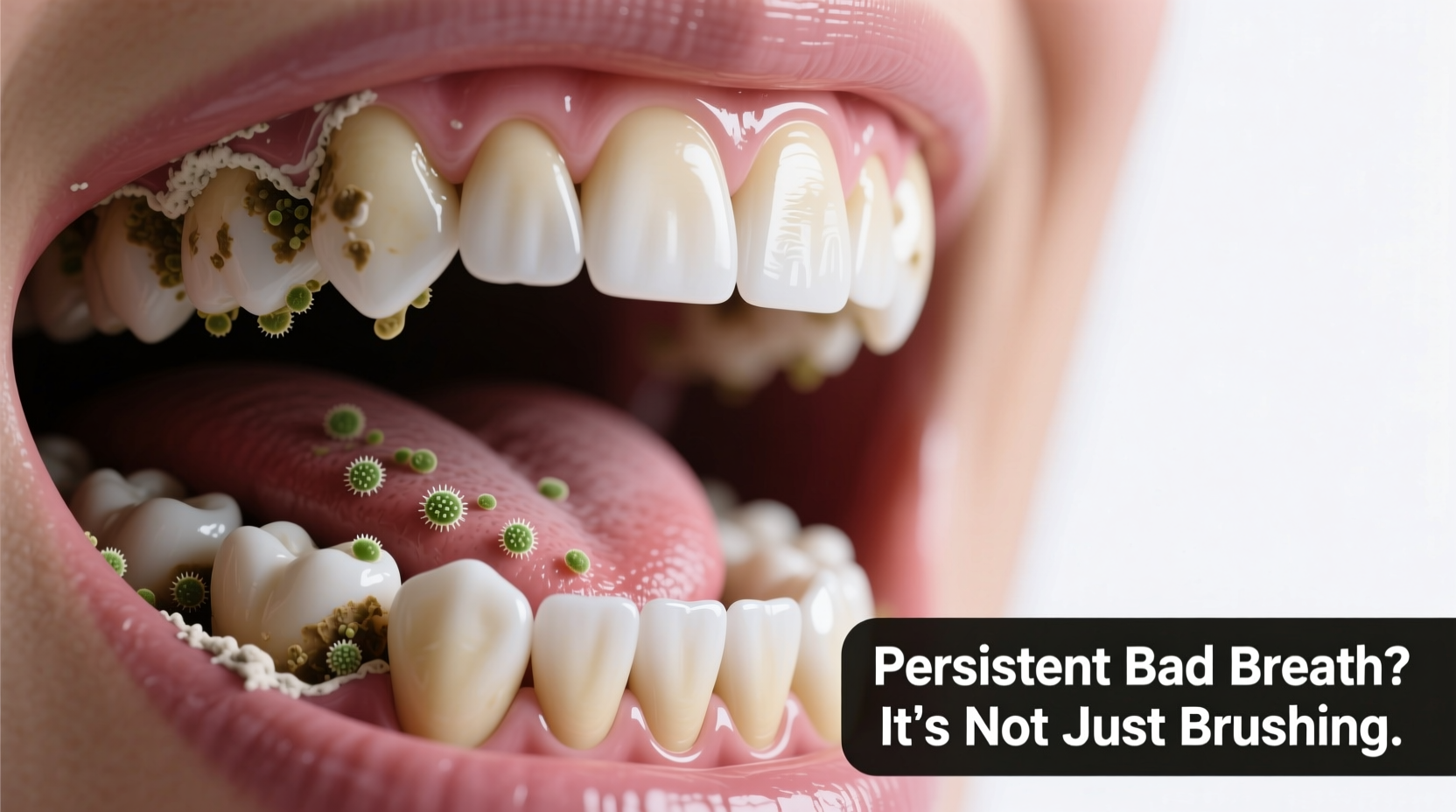
Brushing alone doesn’t guarantee fresh breath. The mouth is home to over 700 species of bacteria, many of which thrive overnight in warm, dark, low-oxygen environments. When saliva flow decreases during sleep—a natural process known as xerostomia—bacteria multiply rapidly, breaking down proteins in food debris, dead cells, and mucus. This metabolic process releases volatile sulfur compounds (VSCs), the primary culprits behind foul odors.
But bacterial buildup isn't the only cause. Other factors include:
- Dry mouth: Caused by mouth breathing, medications, or dehydration.
- Tonsil stones: Small calcified deposits in tonsil crypts that emit a rotten-egg smell.
- Sinus infections or postnasal drip: Mucus dripping down the back of the throat feeds odor-causing bacteria.
- Gastroesophageal reflux (GERD): Stomach acids and undigested food particles can rise into the esophagus, contributing to sour breath.
- Dietary habits: Foods like garlic, onions, coffee, and alcohol linger in the bloodstream and are exhaled through the lungs.
- Underlying health conditions: Diabetes, liver disease, and kidney disorders may produce distinct breath odors.
“Bad breath is rarely about poor brushing. It’s often a sign of systemic imbalance—from oral microbiome disruption to gut health issues.” — Dr. Lena Patel, Integrative Dentistry Specialist
Why Brushing Alone Isn’t Enough
Most people spend about 30–45 seconds brushing, far short of the recommended two minutes. Even those who brush thoroughly often miss critical areas: the tongue, gumline, and back molars. Toothbrushing primarily targets tooth surfaces but leaves behind biofilm on the dorsal surface of the tongue—home to up to 70% of odor-producing bacteria.
Mouthwash can help, but many commercial varieties contain alcohol, which further dries the mouth and may worsen the problem long-term. Antimicrobial rinses with chlorhexidine are effective short-term but disrupt healthy oral flora if used daily.
The key is understanding that oral hygiene must be comprehensive—not just focused on teeth, but on the entire ecosystem of the mouth.
A Science-Backed Morning Routine to Eliminate Bad Breath
To truly combat morning breath, adopt a layered approach that addresses both symptoms and root causes. Here’s a step-by-step sequence backed by dental research and clinical observation.
Step 1: Hydrate Before Brushing
Start your day with a glass of room-temperature water. Overnight dehydration concentrates bacteria and VSCs in saliva. Drinking water first stimulates salivary flow, washes away loose debris, and prepares the mouth for more effective cleaning.
Step 2: Clean Your Tongue Thoroughly
Use a copper or stainless steel tongue scraper from back to front. Do this before brushing to avoid pushing debris back into the throat. Studies show tongue scraping reduces VSC levels by up to 75% compared to brushing alone.
Step 3: Brush with Technique, Not Just Time
Use a soft-bristled toothbrush at a 45-degree angle to the gums. Focus on gentle circular motions, spending at least 30 seconds per quadrant. Don’t forget the inside surfaces of front teeth and chewing surfaces of molars. Electric toothbrushes with pressure sensors improve plaque removal and reduce gum damage.
Step 4: Floss or Use Interdental Brushes
Food particles trapped between teeth decompose and feed anaerobic bacteria. Daily flossing removes these residues and disrupts plaque biofilms. For tight spaces, interdental brushes are more effective than string floss.
Step 5: Rinse with Alcohol-Free Mouthwash
Choose a rinse containing cetylpyridinium chloride (CPC) or chlorine dioxide, both proven to neutralize sulfur compounds without disrupting microbial balance. Avoid alcohol-based formulas—they create a temporary “clean” feeling but exacerbate dryness.
Step 6: Stimulate Saliva Production
Chew sugar-free gum containing xylitol for 5–10 minutes after brushing. Xylitol inhibits Streptococcus mutans, a major contributor to plaque and decay, while chewing boosts natural saliva flow—nature’s best defense against odor.
Do’s and Don’ts: Morning Breath Edition
| Do’s | Don’ts |
|---|---|
| Drink water immediately upon waking | Smoke or vape first thing in the morning |
| Scrape your tongue daily | Use alcohol-heavy mouthwashes regularly |
| Floss or use interdental cleaners | Ignore persistent white coating on the tongue |
| Chew xylitol gum to stimulate saliva | Overuse hydrogen peroxide rinses (can irritate tissue) |
| Keep bedroom humidity above 40% | Breathe through your mouth while sleeping |
Real-Life Example: How Sarah Fixed Her Chronic Morning Breath
Sarah, a 34-year-old teacher, brushed twice daily, flossed occasionally, and used mouthwash every night. Yet her partner gently pointed out she had strong morning breath. Embarrassed, she visited her dentist, expecting a cavity or gum issue. Instead, the hygienist noticed a thick white coating on her tongue and asked about snoring and dry throat upon waking.
Sarah admitted she often breathed through her mouth at night due to seasonal allergies. She also drank coffee immediately after waking, which further dried her mouth. The solution wasn’t better toothpaste—it was addressing airflow and hydration.
Her new routine included nasal saline spray before bed, a humidifier in the bedroom, tongue scraping each morning, and delaying coffee by 30 minutes after hydration. Within two weeks, her breath improved dramatically. Her dentist confirmed reduced plaque and healthier gum tissue at her next visit.
Sarah’s case illustrates that oral health doesn’t exist in isolation. Breathing patterns, environment, and timing of habits all play crucial roles.
Checklist: Your 7-Step Morning Breath Solution
Follow this checklist daily to maintain consistently fresh breath:
- ✅ Drink one full glass of water upon waking
- ✅ Scrape your tongue from back to front (rinse scraper after)
- ✅ Brush teeth for two minutes with fluoride toothpaste
- ✅ Floss or use interdental brushes between all teeth
- ✅ Rinse with alcohol-free, antimicrobial mouthwash
- ✅ Chew xylitol gum for 5–10 minutes
- ✅ Delay coffee/alcohol until after breakfast and hydration
When to See a Professional
If you follow a thorough morning routine and still experience persistent bad breath, it may be time to consult a healthcare provider. Chronic halitosis can be a red flag for:
- Periodontal disease: Deep pockets around teeth trap bacteria and require professional scaling.
- Tonsillitis or chronic sinusitis: Infections produce pus and mucus with strong odors.
- Gastrointestinal disorders: H. pylori infection or GERD may present with sour or acidic breath.
- Metabolic conditions: Diabetics may notice a fruity (acetone-like) breath odor during ketoacidosis.
Your dentist can perform a halimeter test, which measures sulfur compound levels in breath, or refer you to an ENT or gastroenterologist if needed.
Frequently Asked Questions
Can fasting or low-carb diets cause bad breath?
Yes. Ketosis—the metabolic state triggered by low-carb diets—produces acetone, which is exhaled through the breath, causing a sweet, metallic, or fruity odor. While not harmful, it can be socially uncomfortable. Staying hydrated and practicing strict oral hygiene helps minimize the effect.
Is it possible to have bad breath no one tells you about?
Unfortunately, yes. Most people cannot accurately self-assess their breath due to olfactory adaptation—the nose becomes desensitized to constant odors. A simple test: lick the back of your hand, let it dry for 5 seconds, then smell it. Alternatively, ask a trusted friend or family member for honest feedback.
How often should I replace my toothbrush and tongue scraper?
Replace your toothbrush every 3–4 months, or sooner if bristles fray. Metal tongue scrapers last years with proper cleaning; plastic ones should be replaced monthly to prevent bacterial buildup in micro-cracks.
Conclusion: Fresh Breath Starts With Awareness and Consistency
Bad breath isn’t a life sentence—it’s a signal. Your body uses breath odor to communicate imbalances in hydration, microbial health, and even systemic wellness. By shifting from a narrow focus on brushing to a holistic morning protocol, you address the real sources of odor.
The habits that eliminate persistent breath issues don’t require expensive products or drastic changes. They demand consistency: hydrating first, cleaning the tongue, flossing daily, choosing the right rinse, and supporting natural defenses like saliva. Over time, these steps do more than freshen breath—they promote overall oral and systemic health.




 浙公网安备
33010002000092号
浙公网安备
33010002000092号 浙B2-20120091-4
Comments
No comments yet. Why don't you start the discussion?