
Experiencing a vibration or shaking sensation through the steering wheel or brake pedal when slowing down is more than just an annoyance—it’s a warning sign. While many drivers immediately assume worn brakes are to blame, the root cause might not be as straightforward. The distinction between rotor-related issues and wheel alignment problems is critical for accurate diagnosis and cost-effective repairs. Misdiagnosing one for the other can lead to unnecessary parts replacement or ignored safety risks. This guide breaks down the mechanics behind braking vibrations, identifies key symptoms, and provides actionable steps to determine whether your problem stems from warped rotors, uneven wear, misalignment, or another mechanical fault.
Understanding the Braking System: What Causes Shaking?
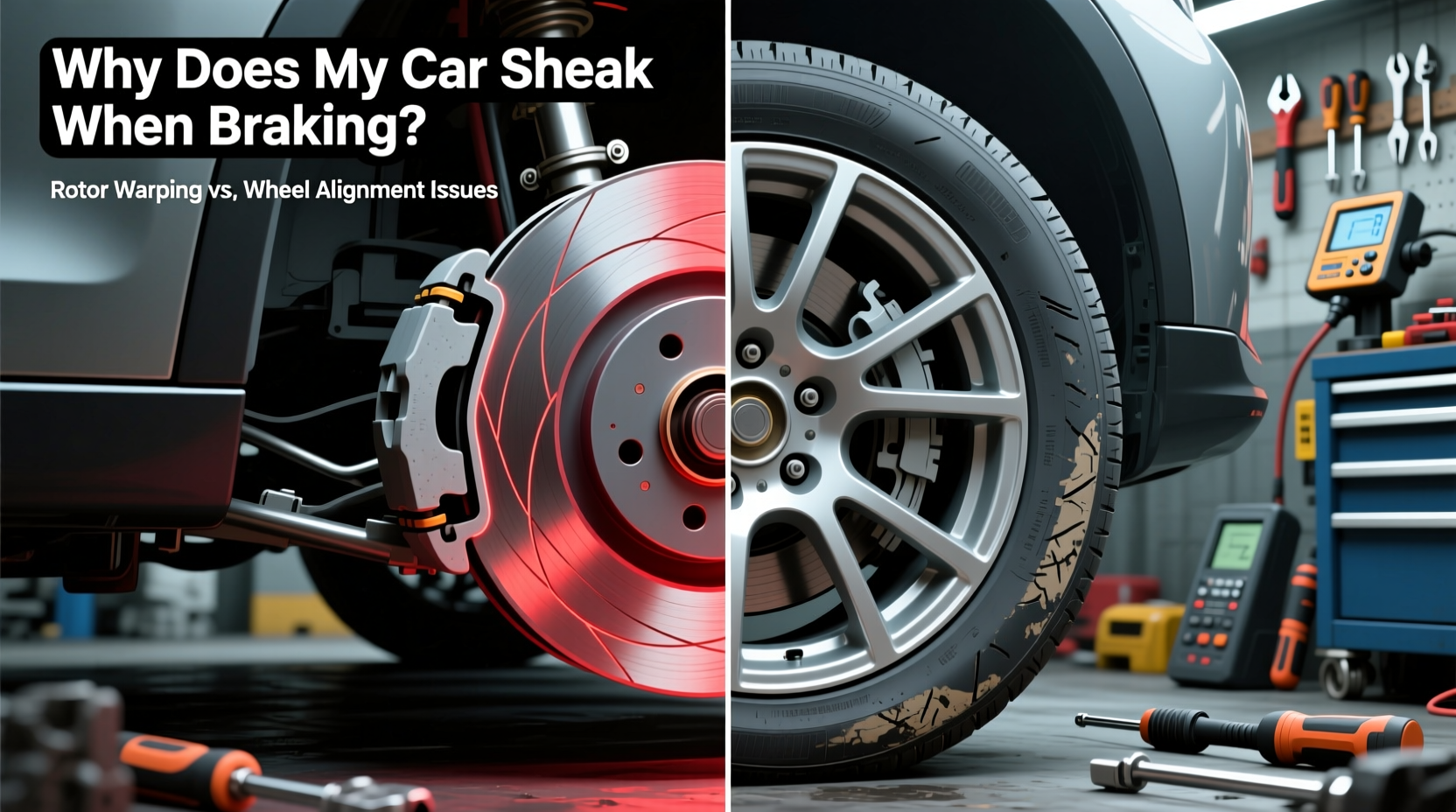
The sensation of shaking during braking typically originates in the front end of the vehicle, transmitted through the steering column or brake pedal. When you press the brake pedal, hydraulic pressure forces the brake pads against the rotors—metal discs attached to each wheel. Friction slows the wheels, bringing the car to a stop. If any component in this system is compromised, especially the rotors or suspension geometry, it disrupts smooth contact and creates pulsation.
Two primary culprits dominate discussions around brake-induced shaking: rotor warping and improper wheel alignment. Though both can result in similar symptoms, their underlying causes, diagnostic methods, and repair strategies differ significantly.
Common Rotor Issues That Cause Brake Shaking
Rotor problems are the most frequent reason drivers feel shaking under braking. Rotors endure extreme heat and stress every time the brakes are applied. Over time, this leads to wear patterns that interfere with consistent pad contact.
Warped Rotors
Despite the term \"warped,\" modern rotors rarely bend like a potato chip. Instead, they develop thickness variation (also called \"runout\") due to uneven heat distribution. One area may become slightly thicker than another, causing the brake pad to rise and fall as the rotor spins. This cyclical resistance translates into a rhythmic pulsing felt in the steering wheel or brake pedal.
Symptoms include:
- Pulsation increasing with speed
- Vibration only during braking
- Noise such as scraping or grinding if severe
Glazing and Hot Spots
Aggressive braking, especially from high speeds or repeated downhill stops, can create localized overheating. These \"hot spots\" change the metallurgy of the rotor surface, making certain areas harder than others. As the pads ride over these zones, inconsistent friction results in judder or shuddering.
Improper Installation or Resurfacing
Even brand-new rotors can cause shaking if installed incorrectly. Common mistakes include:
- Not cleaning the hub before mounting
- Using impact wrenches to tighten lug nuts (leading to uneven clamping force)
- Resurfacing old rotors below minimum thickness specifications
“Over 70% of brake pulsation complaints we see stem from improper rotor installation or inadequate hub cleaning—not actual warping.” — Carlos Mendez, ASE-Certified Master Technician
Alignment Problems: A Less Obvious Culprit
While less commonly associated with brake shake, poor wheel alignment can contribute to or mimic braking vibrations. Alignment refers to the angles at which your wheels meet the road—specifically camber, toe, and caster. When these settings are off, tires don’t roll straight, leading to irregular wear and handling imbalances.
Unlike rotor issues, alignment problems usually present symptoms even when not braking:
- Steering wheel pulling to one side
- Uneven tire wear (feathering, cupping)
- Vibration at steady speed, worsening under load
However, during braking, misaligned wheels can amplify instability. For example, excessive toe-in causes tires to scrub laterally under deceleration, creating a shimmy that feels like brake pulsation. In such cases, replacing rotors won’t solve the core issue—the alignment must be corrected first.
When Alignment Mimics Rotor Problems
It's possible to have both conditions simultaneously. A vehicle with slightly warped rotors and poor alignment will exhibit compounded symptoms. Mechanics who fail to inspect alignment may replace brakes unnecessarily, only for the vibration to return weeks later.
Diagnosing the Real Cause: Step-by-Step Guide
Determining whether your shake comes from rotors or alignment requires systematic evaluation. Follow this process before authorizing repairs:
- Observe when the shaking occurs: Does it happen only during braking? Then suspect rotors. Is there vibration at cruising speed regardless of brake use? Likely alignment or tire imbalance.
- Note where the vibration is felt: Steering wheel shake points to front rotors; seat or floorboard vibration suggests rear brakes or drivetrain issues.
- Check for directional pull: Does the car drift left or right without input? This indicates alignment deviation.
- Inspect tire tread wear: Uneven wear patterns—especially feathering or inside/outside shoulder wear—are telltale signs of misalignment.
- Review recent maintenance: Were brakes replaced or resurfaced recently? Improper torque or dirty hubs could be the source.
- Visit a trusted shop for measurement: Use a dial indicator to measure rotor runout (should be less than 0.002 inches). Also request a digital alignment check using current specs.
DIY Checks You Can Perform
- Spin each front wheel by hand after lifting the car safely—listen for scraping sounds indicating warped rotors.
- Look behind the wheel for visible grooves or bluing (heat discoloration) on the rotor surface.
- Check lug nut tightness with a torque wrench set to manufacturer spec (typically 80–100 ft-lbs).
Comparison Table: Rotor Issues vs. Alignment Problems
| Factor | Rotor Issues | Alignment Problems |
|---|---|---|
| Primary Symptom | Shaking only during braking | Drifting, pulling, or constant vibration |
| Felt In | Steering wheel or brake pedal | Entire chassis or steering wheel |
| Speed Dependency | Worse at higher speeds when braking | Present at highway speeds, even without braking |
| Tire Wear Pattern | Usually normal unless neglected long-term | Feathering, cupping, inner/outer edge wear |
| Repair Solution | Resurface or replace rotors, clean hubs, proper torque | Adjust camber, toe, and caster angles |
| Cost Range (Front Axle) | $200–$500 (parts + labor) | $80–$150 (alignment), $100+ if components damaged |
Real-World Example: Sarah’s SUV Shaking Mystery
Sarah noticed her 2018 Honda CR-V began vibrating during highway braking. She took it to a quick-lube shop where she was told her front rotors were “severely warped” and needed immediate replacement—quoted at $420. She proceeded with the work, but within three weeks, the same shaking returned.
At a second opinion from a certified suspension specialist, the technician measured minimal rotor runout and instead found excessive toe-in on the front axle. Further inspection revealed a bent control arm from a prior minor curb strike Sarah hadn’t reported. After replacing the damaged part and aligning the wheels, the vibration disappeared completely. The initial shop had misdiagnosed an alignment and suspension issue as purely a brake problem.
This case illustrates why comprehensive diagnostics matter. Replacing parts without root-cause analysis wastes money and fails to restore safety.
Maintenance Checklist: Prevent Brake and Alignment Issues
Stay ahead of problems with regular checks and smart driving habits:
- ✅ Inspect brake pads and rotors every 12,000 miles or annually
- ✅ Rotate tires every 5,000–7,500 miles to promote even wear
- ✅ Get a four-wheel alignment whenever installing new tires or after hitting potholes/curbs
- ✅ Clean wheel hubs before installing new rotors or wheels
- ✅ Torque lug nuts in a star pattern using a calibrated torque wrench
- ✅ Avoid riding the brakes on long descents—use engine braking instead
- ✅ Monitor for early signs: slight pull, squealing, or soft pedal feel
Frequently Asked Questions
Can bad alignment damage rotors over time?
Yes. While alignment doesn’t directly warp rotors, it can cause uneven tire scrubbing and increased stress on suspension components. This alters how braking force is distributed, potentially accelerating uneven rotor wear. Over time, this contributes to thickness variation and pulsation.
Is it safe to drive with a shaking brake pedal?
Driving with mild brake vibration is generally safe in the short term, but it should not be ignored. Severe shaking indicates significant mechanical imbalance, which reduces braking efficiency and increases stopping distance. Continued driving risks damaging calipers, suspension bushings, or tires. Have the issue inspected within a week—or sooner if the shake worsens.
Do drilled or slotted rotors reduce shaking?
Drilled or slotted rotors improve heat dissipation and help clear gas/debris under heavy braking, making them popular in performance applications. However, they are more prone to cracking and warping under daily driving conditions. For typical commuters, factory-style solid rotors are often more durable and less likely to develop runout. Upgrading isn’t a solution for existing vibration issues.
Expert Insight: Why Many Shops Get It Wrong
Brake systems are among the most frequently misdiagnosed components in automotive repair. Some shops default to selling brake jobs because they’re profitable and familiar. But experienced technicians emphasize holistic assessment.
“The first question shouldn’t be ‘Do we need new rotors?’ It should be ‘What changed in the system to cause this symptom?’ Without asking that, you’re just guessing.” — Lisa Tran, Senior Instructor at National Automotive Training Institute
Modern vehicles have complex interdependencies between suspension, steering, and braking systems. Ignoring one area while focusing on another leads to recurring issues and frustrated customers.
Conclusion: Take Control of Your Vehicle’s Safety
A shaking car during braking isn’t something to adapt to—it’s a signal demanding attention. Whether the cause lies in worn rotors, improper installation, or misaligned wheels, understanding the difference empowers you to seek accurate repairs and avoid overspending. Don’t accept a simple “replace the brakes” answer without questioning the full diagnostic process. Ask for measurements, inspect wear patterns, and consider a second opinion when in doubt.
Regular maintenance, informed decisions, and working with trustworthy technicians ensure your vehicle stops smoothly and safely every time. Your ability to recognize and respond to early warning signs doesn’t just extend component life—it protects you and your passengers on the road.




 浙公网安备
33010002000092号
浙公网安备
33010002000092号 浙B2-20120091-4
Comments
No comments yet. Why don't you start the discussion?