
Cats are naturally curious creatures, and the holiday season presents them with a tempting array of new stimuli—twinkling lights, dangling ornaments, and especially, long, snaking cords. Among the most concerning behaviors during this time is when a cat begins chewing on Christmas light cords. This isn't just a quirky habit—it can be dangerous. Electrical cords pose serious risks including electrocution, burns, and fire hazards. Understanding why cats engage in this behavior and knowing how to prevent it is essential for both pet safety and peace of mind.
Why Cats Are Drawn to Light Cords
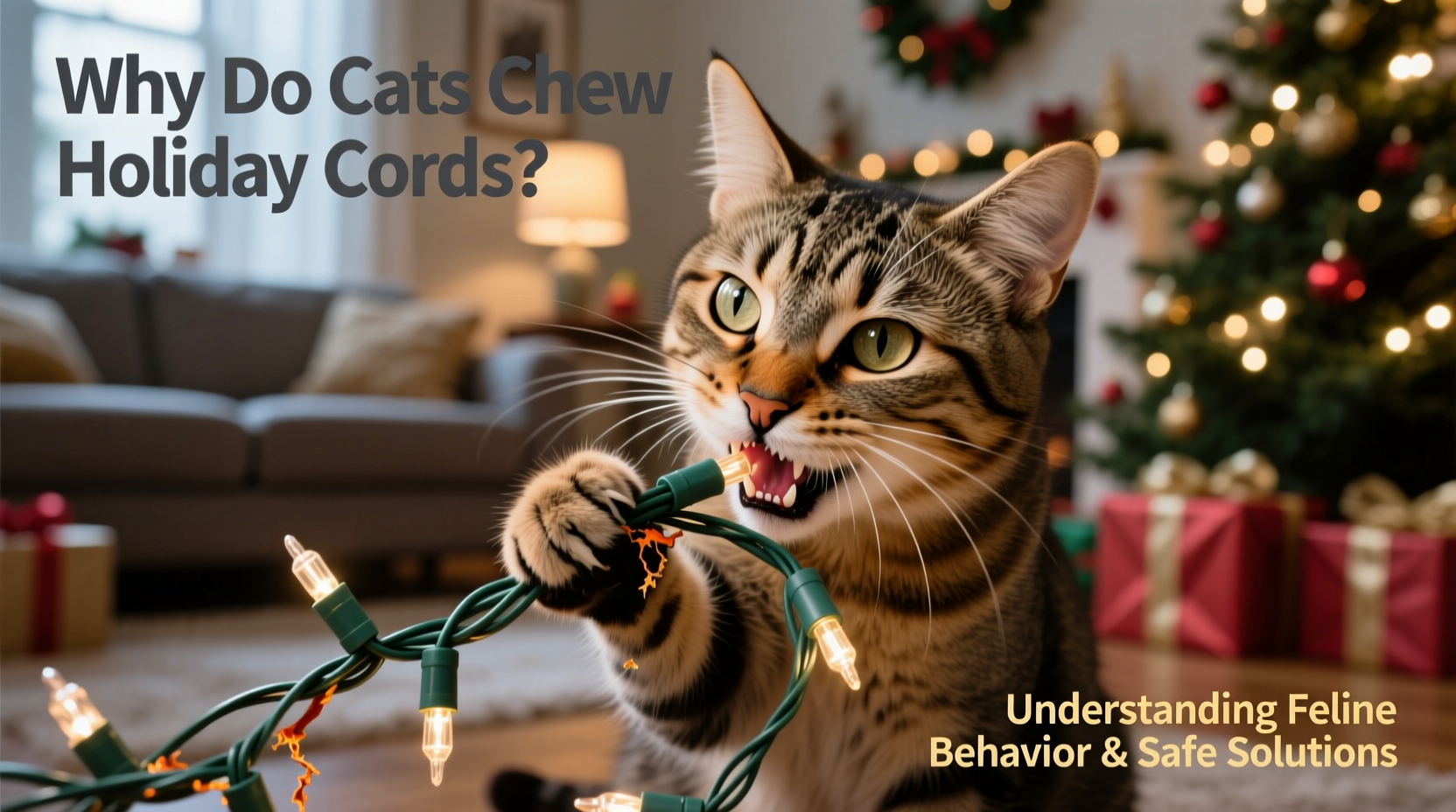
Cat behavior often stems from instinct, boredom, or sensory stimulation. Chewing on cords—especially those associated with Christmas lights—is not random. Several factors contribute to this behavior:
- Movement and Reflection: The flicker and glow of Christmas lights mimic the movement of prey. Cats are hardwired to respond to motion, and cords that dangle or sway may trigger their hunting instincts.
- Texture: Many cords have a rubbery or plastic coating that feels satisfying to bite. For some cats, especially kittens, this mimics the sensation of chewing on prey or exploring objects with their mouths.
- Boredom or Lack of Stimulation: Indoor cats without adequate toys or mental engagement may resort to chewing household items out of curiosity or frustration.
- Dental Discomfort: Kittens teething or adult cats with dental issues might chew on cords to relieve gum irritation.
- Attention-Seeking: If a cat has learned that chewing cords results in interaction—even if it’s scolding—they may repeat the behavior to gain attention.
“Cats explore the world through their mouths. When they encounter something novel like a lit cord, it’s not just curiosity—it’s multisensory investigation.” — Dr. Laura Bennett, Feline Behavior Specialist
The Dangers of Chewing Electrical Cords
While the behavior may seem harmless at first, chewing on electrical cords carries significant risks:
- Electrocution: Even low-voltage cords can deliver a shock strong enough to cause injury or death. Symptoms include drooling, difficulty breathing, burns around the mouth, and seizures.
- Fire Hazard: Damaged insulation can spark, potentially igniting nearby flammable materials like curtains or dry Christmas trees.
- Internal Damage: Ingesting pieces of plastic or wire can lead to intestinal blockages requiring surgery.
- Toxic Materials: Some cables contain chemicals like phthalates or flame retardants that are toxic if ingested.
Younger cats and kittens are especially vulnerable due to their exploratory nature and tendency to mouth unfamiliar objects. Immediate veterinary care is crucial if you suspect your cat has been shocked or swallowed part of a cord.
Proven Strategies to Stop Cord Chewing
Preventing cord chewing requires a combination of environmental management, behavioral redirection, and physical barriers. No single method works universally—success comes from consistency and layering multiple approaches.
1. Conceal or Cover Cords
The most effective way to stop access is to make cords physically inaccessible.
- Use cord covers or raceways designed for home electronics. These rigid plastic channels snap shut around cords and deter biting.
- Route cords behind furniture or along baseboards using adhesive clips.
- Bundle excess cords neatly and store them inside closed boxes or under heavy furniture.
2. Use Bitter-Tasting Deterrents
Cats dislike bitter flavors. Applying pet-safe deterrent sprays can discourage chewing.
- Choose sprays labeled as non-toxic and specifically formulated for cats (e.g., Grannick’s Bitter Apple).
- Test on a small area first to ensure it doesn’t damage the cord coating.
- Reapply every few days or after cleaning, as effectiveness diminishes over time.
3. Provide Alternative Chewing Outlets
Redirect your cat’s chewing instinct toward appropriate items.
- Offer chew-safe toys made from food-grade silicone or natural rubber.
- Introduce crinkle tubes, soft ropes, or puzzle feeders that stimulate oral exploration.
- Rotate toys regularly to maintain novelty and interest.
4. Increase Environmental Enrichment
A bored cat is more likely to develop destructive habits.
- Add vertical spaces like cat shelves or climbing trees near windows.
- Use interactive toys such as laser pointers or wand toys for daily play sessions.
- Set up a bird feeder outside a window to provide passive entertainment.
5. Use Motion-Activated Deterrents
Devices that emit a harmless but startling sound when triggered can teach cats to avoid certain areas.
- Place an automatic air canister (like Ssscat) near the tree or cord cluster.
- These devices release a quick puff of air when motion is detected, interrupting the behavior without harm.
- Consistency is key—use daily until the cat learns to avoid the zone.
Step-by-Step Prevention Plan
Follow this timeline to create a cord-safe environment before and during the holiday season:
- 4 Weeks Before Decorating: Assess your space. Identify where cords will run and plan routes away from high-traffic cat areas.
- 3 Weeks Before: Purchase cord covers, deterrent sprays, and new chew toys. Begin introducing alternative outlets.
- 2 Weeks Before: Install cord management systems. Test placement and accessibility. Apply deterrent spray to sample cords to check for adverse reactions.
- 1 Week Before: Set up the tree and lights—but keep them unplugged initially. Let your cat investigate under supervision.
- Holiday Season: Monitor behavior closely. Reapply deterrents weekly. Engage in at least two 10-minute play sessions daily to redirect energy.
- After the Holidays: Store cords properly coiled and sealed in labeled containers to prevent off-season chewing.
Do’s and Don’ts: Managing Cat-Cord Interactions
| Do | Don’t |
|---|---|
| Use cord organizers or conduit tubing | Leave loose cords exposed or dangling |
| Apply pet-safe bitter sprays | Use human repellents like hot sauce or essential oils (toxic to cats) |
| Offer chew-appropriate toys | Scold or shout—this may increase anxiety or reinforce attention-seeking |
| Supervise initial exposure to decorations | Leave the tree unattended with an unsupervised cat |
| Unplug lights when not in the room | Assume “just one minute” of absence is safe |
Real Example: How One Household Prevented a Disaster
Sarah, a cat owner in Portland, noticed her 10-month-old tabby, Milo, pawing at the Christmas tree lights within hours of setup. By day three, he had chewed through a section of cord, causing a short circuit and a small burn mark on his lip. Alarmed, Sarah consulted her veterinarian, who recommended immediate intervention.
She implemented a multi-pronged strategy: installing white plastic cord covers along the baseboard, applying Bitter Apple spray twice weekly, and introducing a new crinkle tunnel toy near the living room window. She also began two daily play sessions using a feather wand to simulate hunting.
Within ten days, Milo lost interest in the cords entirely. The tree remained undisturbed for the rest of the season. “It wasn’t about punishment,” Sarah said. “It was about giving him better things to do.”
Frequently Asked Questions
Can I use aluminum foil to deter my cat from cords?
Yes, many cats dislike the texture and sound of aluminum foil. Placing strips around the base of the tree or near cord clusters can act as a temporary barrier. However, this is best used in combination with other methods, as cats may eventually ignore it.
Are LED lights safer if my cat chews them?
LED lights generate less heat and typically operate at lower voltages than traditional incandescent bulbs, reducing (but not eliminating) the risk of burns or fire. However, all electrical cords carry shock risk if bitten through. Safety depends on insulation integrity, not bulb type.
My cat only chews cords when the lights are on. Why?
The movement, warmth, and flickering light activate your cat’s predatory instincts. The dynamic nature of illuminated cords makes them appear alive. Turning off lights when you’re not present removes the stimulus and reduces temptation.
Checklist: Holiday Cord Safety for Cat Owners
- ✅ Map out cord paths before decorating
- ✅ Install cord covers or raceways
- ✅ Bundle and secure loose wires
- ✅ Apply pet-safe deterrent spray
- ✅ Introduce new chew toys before holidays begin
- ✅ Schedule daily interactive play sessions
- ✅ Use motion-activated deterrents if needed
- ✅ Unplug lights when leaving the room or going to bed
- ✅ Inspect cords daily for damage
- ✅ Have your vet’s emergency number accessible
Final Thoughts: A Safe and Joyful Holiday Season
Your cat’s fascination with Christmas light cords is rooted in natural instincts, not defiance. Addressing it effectively means understanding their needs—not just preventing danger. With thoughtful planning, consistent redirection, and a little creativity, you can enjoy festive lights without compromising your pet’s safety.
Start early, stay proactive, and remember: a stimulated cat is a well-behaved cat. This holiday season, give your feline companion the gift of security—and yourself the peace of knowing your traditions are protected.




 浙公网安备
33010002000092号
浙公网安备
33010002000092号 浙B2-20120091-4
Comments
No comments yet. Why don't you start the discussion?