
Cat owners often find themselves caught between affection and discomfort when their feline companion climbs onto their lap, purrs contentedly, and then begins rhythmically pushing their paws into their thighs—sometimes with claws extended. This behavior, known as kneading, is instinctual and deeply rooted in a cat’s early life. While gentle kneading can be soothing, aggressive kneading—especially when claws are involved—can lead to pain, scratched skin, or torn clothing. Understanding the reasons behind this behavior and learning how to manage it humanely ensures both you and your cat continue to enjoy close, stress-free interactions.
The Origins of Kneading: A Behavior Rooted in Kittenhood
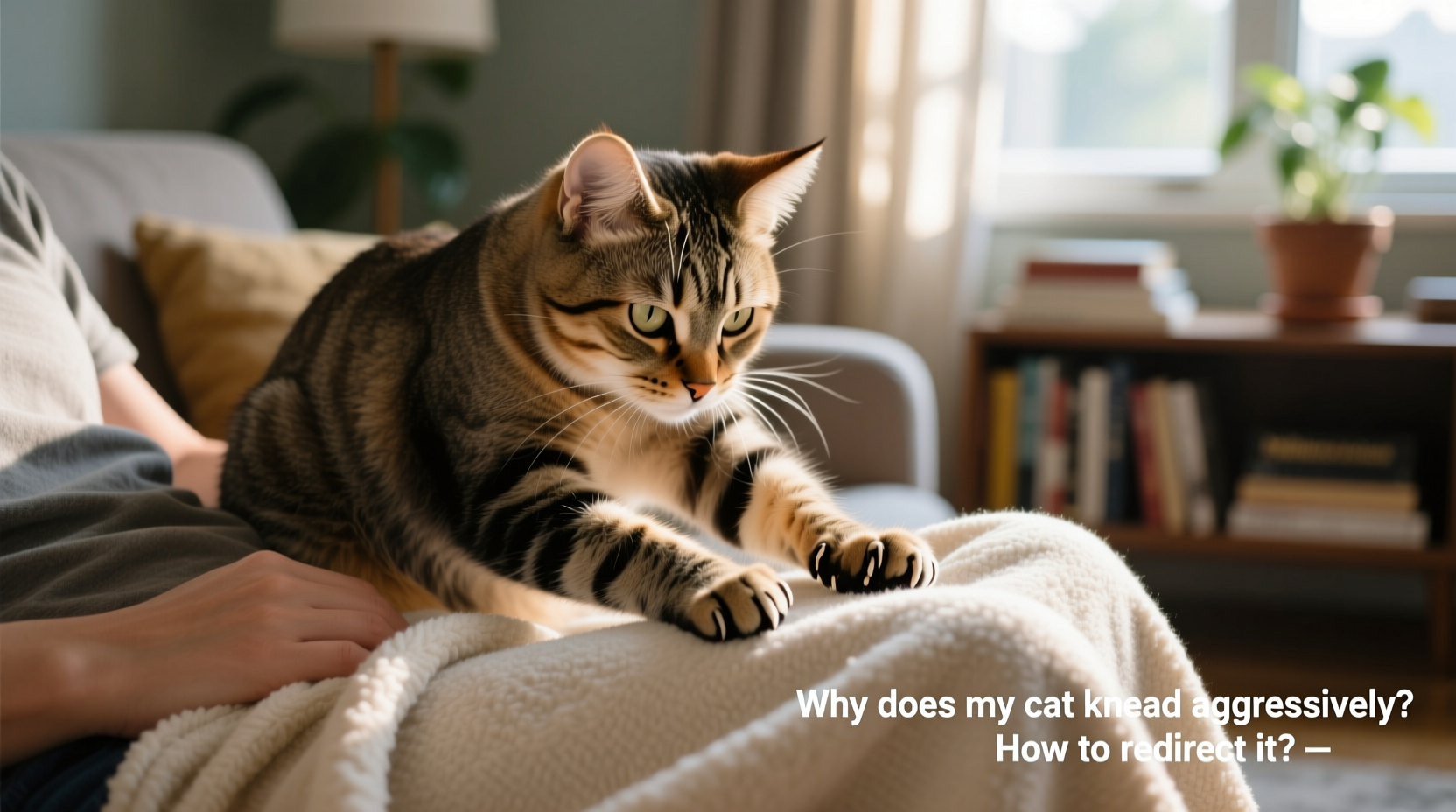
Kneading is a natural feline behavior that begins in the first days of life. Newborn kittens knead their mother’s mammary glands to stimulate milk flow during nursing. The motion is comforting, associated with warmth, nourishment, and security. As cats mature, they often retain this habit, directing it toward soft surfaces, blankets, or their favorite humans. When a cat chooses your lap as the target, it’s actually a sign of deep trust and emotional attachment.
However, not all kneading is gentle. Some cats use excessive force, extend their claws fully, or alternate between kneading and biting. This escalation from soothing to aggressive behavior can stem from several factors, including overstimulation, territorial marking, anxiety, or unmet sensory needs.
“Kneading is one of the most honest expressions of comfort in cats. But when it turns painful, it often signals an underlying need—either physical or emotional—that isn’t being met.” — Dr. Lena Torres, DVM, Feline Behavioral Specialist
Why Does Kneading Become Aggressive?
While kneading itself is normal, aggression in the behavior goes beyond simple instinct. Several interrelated causes may explain why your cat presses too hard, uses claws, or becomes agitated while kneading:
- Overstimulation: Cats have sensitive nerve endings in their skin. Prolonged petting or physical contact can cause sensory overload, leading to sudden shifts from purring to pawing or biting.
- Claw Extension as Marking: Cats have scent glands in their paw pads. Kneading with claws out serves as a way to mark territory by leaving both visual and olfactory signals.
- Textural Preference: Your clothing or lap may mimic the texture of a nursing surface, triggering intense kneading. Tight fabrics or body heat can intensify the response.
- Anxiety or Insecurity: Cats under stress may increase kneading as a self-soothing mechanism. Changes in environment, routine, or household dynamics can trigger this.
- Lack of Alternatives: If your cat has no designated soft surface for kneading, it may default to your lap with greater intensity due to limited outlets.
How to Redirect Aggressive Kneading: A Step-by-Step Guide
Redirecting aggressive kneading requires patience, consistency, and environmental adjustments. The goal is not to stop the behavior entirely—since it’s natural—but to guide it toward safer, more comfortable outlets. Follow this six-step process to gradually modify your cat’s habits.
- Identify Triggers: Note when kneading occurs. Is it after feeding? During petting sessions? When you're wearing certain fabrics? Tracking patterns helps isolate causes.
- Introduce a Kneading Substitute: Place a thick, plush blanket, faux fur mat, or old sweater on your lap *before* your cat settles. Encourage them to knead the fabric instead of your legs.
- Use Positive Reinforcement: Reward your cat with treats or praise when they use the substitute surface. Timing is critical—offer the reward immediately after desired behavior.
- Trim Claws Regularly: Keep your cat’s front claws trimmed every 10–14 days. This reduces injury risk and makes kneading less painful even if redirection fails temporarily.
- Apply Soft Nail Caps: Consider using soft vinyl nail caps (like Soft Paws). These are safe, non-toxic, and last 4–6 weeks. They prevent scratching without impairing natural claw function.
- Set Boundaries Calmly: If your cat begins aggressive kneading, gently place them beside you and offer the alternative surface. Avoid yelling or pushing, which can damage trust.
Creating a Kneading-Friendly Environment
In addition to redirection, enrich your home with dedicated kneading zones. These spaces provide autonomy and reduce dependency on your lap for comfort.
- Place heated cat beds or soft fleece mats near sunny windows.
- Use old clothing with your scent to make substitutes more appealing.
- Rotate textiles weekly to maintain novelty and interest.
Do’s and Don’ts of Managing Aggressive Kneading
| Do’s | Don’ts |
|---|---|
| Provide soft, textured alternatives for kneading | Never punish or yell at your cat for kneading |
| Trim claws regularly to minimize harm | Don’t remove claws surgically (onychectomy) for behavioral reasons |
| Use positive reinforcement when redirection works | Don’t suddenly push your cat off your lap—it can damage trust |
| Observe body language for signs of overstimulation | Don’t ignore persistent aggression—consult a vet if behavior worsens |
| Be consistent with training and boundaries | Don’t reinforce aggression by continuing to pet during intense kneading |
Real-Life Example: Redirecting Bella’s Overstimulated Kneading
Bella, a 3-year-old domestic shorthair, had a habit of jumping onto her owner’s lap, purring, and then aggressively kneading with claws fully extended. Her owner, Mark, often ended up with red marks and torn jeans. Concerned but unwilling to discourage Bella’s affection, he consulted a feline behaviorist.
The specialist recommended introducing a thick sheepskin pad placed on Mark’s lap before Bella settled. Initially, Bella ignored it, so Mark added a few drops of catnip oil to the fabric and rewarded her with a treat when she used it. Within two weeks, Bella began automatically targeting the pad. Mark also started trimming her claws weekly and using soft caps during prolonged sitting sessions.
After a month, Bella still kneaded enthusiastically—but now directed 90% of her behavior toward the sheepskin. Mark reported fewer injuries and a stronger bond, noting, “She still wants to be close, but now we both stay comfortable.”
When to Seek Professional Help
Most cases of aggressive kneading respond well to environmental and behavioral adjustments. However, sudden changes in kneading intensity, combined with other symptoms like hiding, excessive grooming, or aggression, may indicate medical or psychological issues.
Pain-related conditions such as arthritis, dental disease, or skin allergies can heighten sensitivity, making cats irritable during physical contact. Similarly, cognitive dysfunction in older cats or untreated anxiety can manifest through compulsive behaviors like excessive kneading.
“If a previously mild kneader suddenly becomes aggressive, rule out pain first. A full veterinary exam should always precede behavioral modification.” — Dr. Arjun Patel, Veterinary Neurologist
If your cat shows signs of distress beyond kneading—such as vocalizing during the act, refusing food, or avoiding interaction—schedule a vet visit promptly. Blood work, dermatological exams, or neurological assessments may be necessary.
Frequently Asked Questions
Is aggressive kneading a sign of dominance?
No. Kneading is not a dominance behavior. It’s rooted in comfort and bonding, not hierarchy. Cats don’t establish social rank through physical actions like dogs do. Aggressive kneading reflects overstimulation or unmet needs, not control-seeking.
Should I stop letting my cat sit on my lap if they knead too hard?
Not necessarily. Complete avoidance may deprive your cat of needed affection. Instead, modify the experience: use a thick blanket as a barrier, trim claws, or train them to use a nearby surface. The goal is coexistence, not exclusion.
Can neutering or spaying affect kneading behavior?
There’s no direct link between reproductive status and kneading frequency. However, spayed/neutered cats may exhibit reduced territorial marking behaviors overall, which could slightly decrease claw extension during kneading. The core behavior remains unchanged.
Conclusion: Building Comfort Without Compromise
Aggressive kneading is not misbehavior—it’s communication. Your cat isn’t trying to hurt you; they’re expressing deep-seated instincts in the only way they know how. By understanding the roots of this action and responding with empathy and structure, you can preserve the intimacy of lap time while protecting your comfort and clothing.
Start small: introduce a textured mat, trim those claws, and observe how your cat responds. Celebrate progress, not perfection. With consistency, most cats adapt quickly to redirected kneading, allowing you to enjoy purrs and closeness without the pinch of claws.




 浙公网安备
33010002000092号
浙公网安备
33010002000092号 浙B2-20120091-4
Comments
No comments yet. Why don't you start the discussion?