
If you’ve ever watched your cat rhythmically push their paws into a soft blanket while gently nibbling or tugging at the fabric, you’re not alone. This seemingly odd combination of kneading and biting is surprisingly common among domestic cats. While it might look like your cat is making a loaf one moment and attacking the dough the next, this behavior is deeply rooted in instinct, emotion, and communication. Understanding what drives this dual action can deepen your bond with your feline companion and reassure you that, in most cases, it’s perfectly normal.
The act of kneading—sometimes called “making biscuits”—is familiar to most cat owners. But when it's paired with biting, licking, or chewing on fabric, confusion often follows. Is your cat trying to destroy the blanket? Are they stressed? Hungry? Or is this just another quirky expression of catness? The truth lies in a blend of biology, early development, and emotional regulation.
The Origins of Kneading: A Behavior from Kittenhood
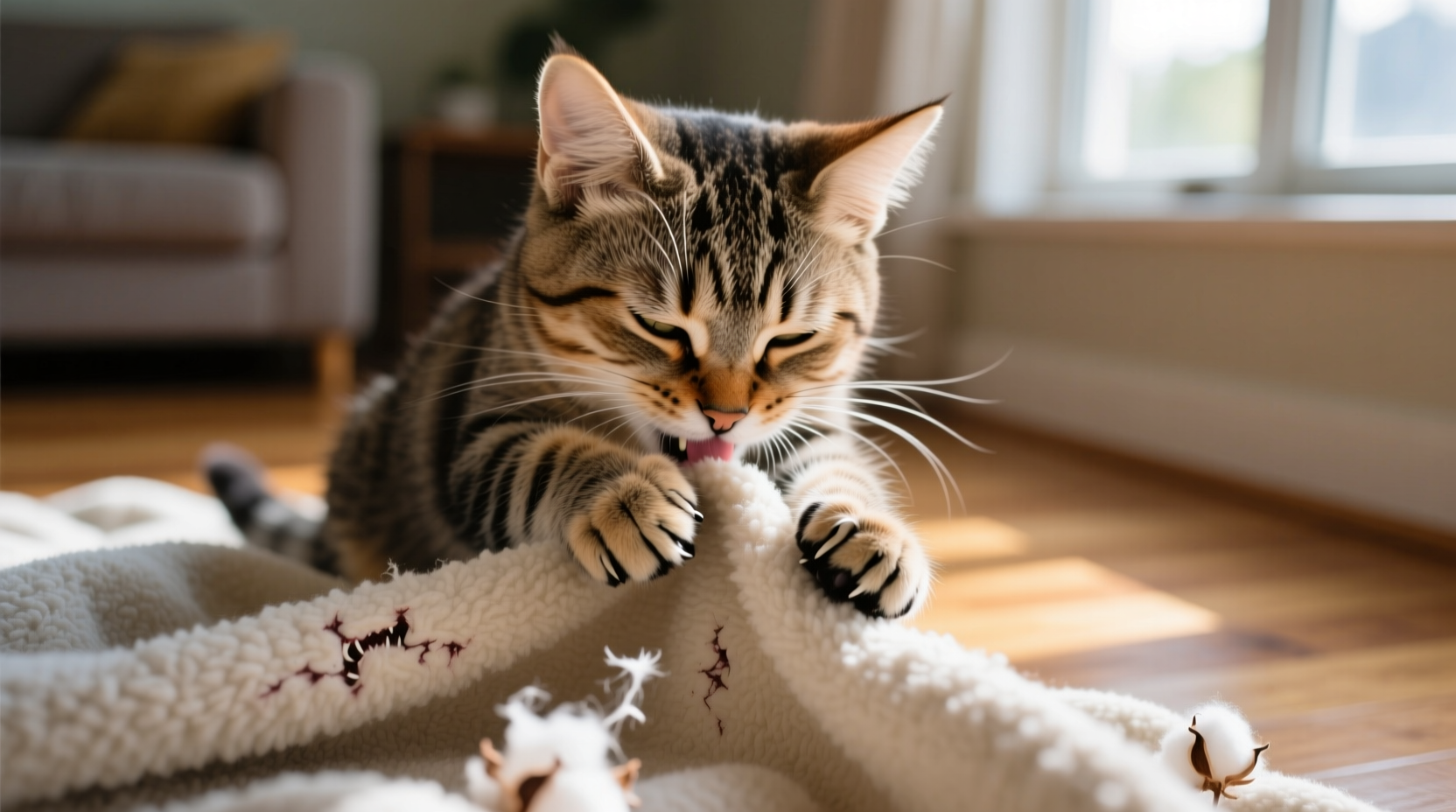
Kneading begins in the first days of life. Newborn kittens knead their mother’s belly with their tiny paws to stimulate milk flow during nursing. This motion is both functional and comforting—it ensures nourishment and reinforces the bond between mother and offspring. The rhythmic pressure triggers the release of oxytocin in the queen (mother cat), promoting milk letdown.
Because this behavior is so closely tied to warmth, safety, and sustenance, many adult cats continue to knead long after weaning. When your cat kneads a blanket, sofa, or even your lap, they are revisiting a primal memory of comfort and security. It’s a self-soothing mechanism, much like a human hugging a favorite pillow or rocking in a chair when anxious.
“Kneading is a throwback to kittenhood, but it persists because it feels good and reduces stress. It’s a sign of deep contentment.” — Dr. Sarah Collins, Feline Behavior Specialist
However, the addition of biting complicates the picture. While kneading signals relaxation, biting can suggest tension, playfulness, or overstimulation. So why do these two actions occur together?
Why Biting Accompanies Kneading: Multiple Explanations
The simultaneous kneading and biting of blankets isn’t random. Several overlapping motivations can explain this behavior:
1. Reenacting Nursing Behavior
In some cases, cats don’t just mimic the paw motion of nursing—they also simulate the mouth action. Kittens suckle while kneading, so adult cats may nibble or gently chew fabric as part of a full sensory re-creation of nursing. This is especially common in cats who were separated from their mothers too early or bottle-fed.
2. Scent Marking and Territory Claiming
Cats have scent glands in their paws, lips, and cheeks. Kneading deposits pheromones onto surfaces, marking them as safe and familiar. Biting—especially light chewing—can also transfer saliva-based scents. Together, these actions help your cat claim the blanket (or you) as part of their secure territory.
3. Textural Stimulation and Oral Fixation
Some cats are highly sensitive to texture. Soft, fuzzy, or fringed blankets may trigger an oral response, particularly if the material resembles fur or grass. This can lead to gentle biting or pulling, especially in cats with strong predatory instincts. In multi-cat households, this behavior may be more pronounced due to higher environmental stimulation.
4. Overstimulation or Sensory Feedback Loop
As cats knead, the repetitive motion can create a trance-like state. In some cases, the tactile feedback becomes overwhelming, prompting a bite to “reset” the sensation. Think of it as scratching an itch until it stings—then stopping. The bite interrupts the cycle, providing contrast and preventing sensory overload.
When Kneading and Biting Signal Stress or Medical Issues
While usually benign, persistent or intense biting during kneading can sometimes indicate underlying issues. Consider the following red flags:
- Aggressive chewing or shredding – May point to anxiety, compulsive disorder, or pica (eating non-food items).
- Drooling or excessive licking – Could suggest nausea, dental pain, or neurological conditions.
- Restlessness or vocalization – Might be linked to hyperthyroidism, cognitive decline, or discomfort.
- Sudden onset in older cats – Warrants a vet check to rule out medical causes.
Pica, in particular, is a concern when cats ingest fabric, wool, or plastic. This condition is more common in certain breeds like Siamese and Oriental Shorthairs and may stem from nutritional deficiencies, boredom, or genetic predisposition.
“We once treated a 7-year-old tabby who began tearing up fleece blankets and swallowing fibers. After ruling out gastrointestinal issues, we diagnosed stress-induced pica. Environmental enrichment and a pheromone diffuser resolved the behavior within six weeks.” — Dr. Lena Patel, Veterinary Ethologist
How to Respond: Supporting Healthy Expression
You don’t need to stop your cat from kneading and biting unless it causes harm. Instead, support the behavior in safe, constructive ways.
Provide Appropriate Alternatives
Offer designated items for kneading and chewing:
- Soft fleece blankets or old sweaters (washable and replaceable)
- Chew-safe cat toys made from food-grade silicone
- Scratching pads with varied textures
Monitor for Overstimulation
If your cat starts biting harder during petting or lap-kneading, they may be reaching their tolerance threshold. Cats often show subtle signs before becoming overstimulated:
| Sign | What It Means | Action to Take |
|---|---|---|
| Tail flicking | Building irritation | Pause petting, give space |
| Ears flattening | Discomfort or focus shift | Stop interaction gently |
| Biting without growling | Sensory overload, not aggression | Redirect to toy, avoid punishment |
| Walking away abruptly | Need for solitude | Respect boundaries |
Enhance Environmental Enrichment
Boredom can amplify repetitive behaviors. Ensure your cat has:
- Daily interactive play sessions (10–15 minutes, twice a day)
- Vertical spaces like cat trees or shelves
- Puzzle feeders or treat-dispensing toys
- Access to window perches for bird watching
Step-by-Step Guide: Managing Intense Kneading and Biting
If your cat’s behavior becomes destructive or uncomfortable, follow this plan:
- Observe Triggers – Note when and where the behavior occurs. Is it during naps? After feeding? When you leave the room?
- Assess Intensity – Distinguish between gentle nibbling and aggressive chewing. The latter may require intervention.
- Provide Substitutes – Place a soft, washable blanket or cat-safe chew toy nearby when they start kneading.
- Use Positive Redirection – Gently move their mouth to a toy if they bite too hard. Never punish—this increases anxiety.
- Consult Your Veterinarian – Rule out medical causes, especially if new, frequent, or escalating.
- Consider Behavioral Support – For chronic stress, ask about pheromone diffusers (like Feliway) or anti-anxiety supplements.
Mini Case Study: Luna the Anxious Kneader
Luna, a 4-year-old domestic shorthair, was adopted from a shelter at eight weeks old. Her owner noticed she frequently kneaded her favorite blanket while biting the edge, occasionally pulling threads into her mouth. At first, it seemed harmless—until Luna began losing weight and vomiting fabric fragments.
A veterinary exam revealed no blockage, but blood tests showed mild anemia. The vet suspected pica due to early separation and environmental stress. Luna’s home had recently added a second cat, increasing competition for resources.
The solution included:
- Replacing the fleece blanket with a chew-safe rubber mat
- Adding a second litter box and feeding station
- Introducing daily laser play and a Feliway diffuser
- Providing a high perch for retreat
Within two months, Luna’s biting decreased by 80%. She still kneads regularly—but now on a designated mat, without ingestion.
Frequently Asked Questions
Is it normal for cats to bite while kneading?
Yes, especially if the biting is gentle and accompanied by purring. It often reflects a reenactment of kitten nursing behavior or a way to enhance scent marking. However, aggressive or destructive biting should be evaluated.
Why does my cat only bite certain blankets?
Cats are sensitive to texture, smell, and temperature. They may prefer materials that feel like fur, retain body heat, or carry familiar scents (like yours). Wool and synthetic fleece are common favorites due to their softness and static properties.
Can I stop my cat from kneading and biting?
You shouldn’t try to eliminate kneading—it’s a natural, comforting behavior. Instead, manage biting by offering alternatives and ensuring your cat’s emotional needs are met. Punishment will only increase stress and damage trust.
Checklist: Is Your Cat’s Kneading & Biting Healthy?
Use this quick checklist to assess whether the behavior is typical or warrants attention:
- ✅ Kneading is rhythmic and relaxed
- ✅ Biting is gentle, without drooling or aggression
- ✅ No fabric is being ingested
- ✅ The cat stops when distracted or tired
- ✅ No skin damage to furniture or people
- ⚠️ If any of the above are NO, consider a vet or behaviorist consult
Conclusion: Embracing the Quirks of Cat Communication
Your cat’s habit of kneading and biting blankets is more than just a cute idiosyncrasy—it’s a window into their emotional world. Rooted in survival, shaped by experience, and expressed through instinct, this behavior connects your cat to their earliest memories of safety and care. By understanding the reasons behind it, you can respond with empathy rather than confusion.
Instead of discouraging the behavior, channel it positively. Offer safe outlets, observe patterns, and celebrate the moments when your cat chooses your lap as their favorite “nursing spot.” These gestures aren’t just habits—they’re acts of trust.




 浙公网安备
33010002000092号
浙公网安备
33010002000092号 浙B2-20120091-4
Comments
No comments yet. Why don't you start the discussion?