
If you’ve ever brought home a new appliance only to find your cat immediately occupying the cardboard box instead of the fancy cat bed you bought last week, you’re not alone. Cats have an undeniable fascination with boxes—shipping containers, shoeboxes, cereal cartons, even flattened packaging folded into makeshift dens. While it may seem whimsical or inexplicable, this behavior is deeply rooted in feline psychology and survival instincts. Understanding why cats are drawn to confined spaces like boxes offers valuable insight into their emotional and physical needs.
At first glance, a cardboard box appears to be nothing more than temporary packaging. But for a cat, it transforms into a secure hideout, a thermal retreat, and a strategic observation post—all in one. This article explores the biological, psychological, and environmental factors that drive cats to seek out boxes, backed by scientific research and expert observations from animal behaviorists.
The Evolutionary Roots of Box-Sitting Behavior
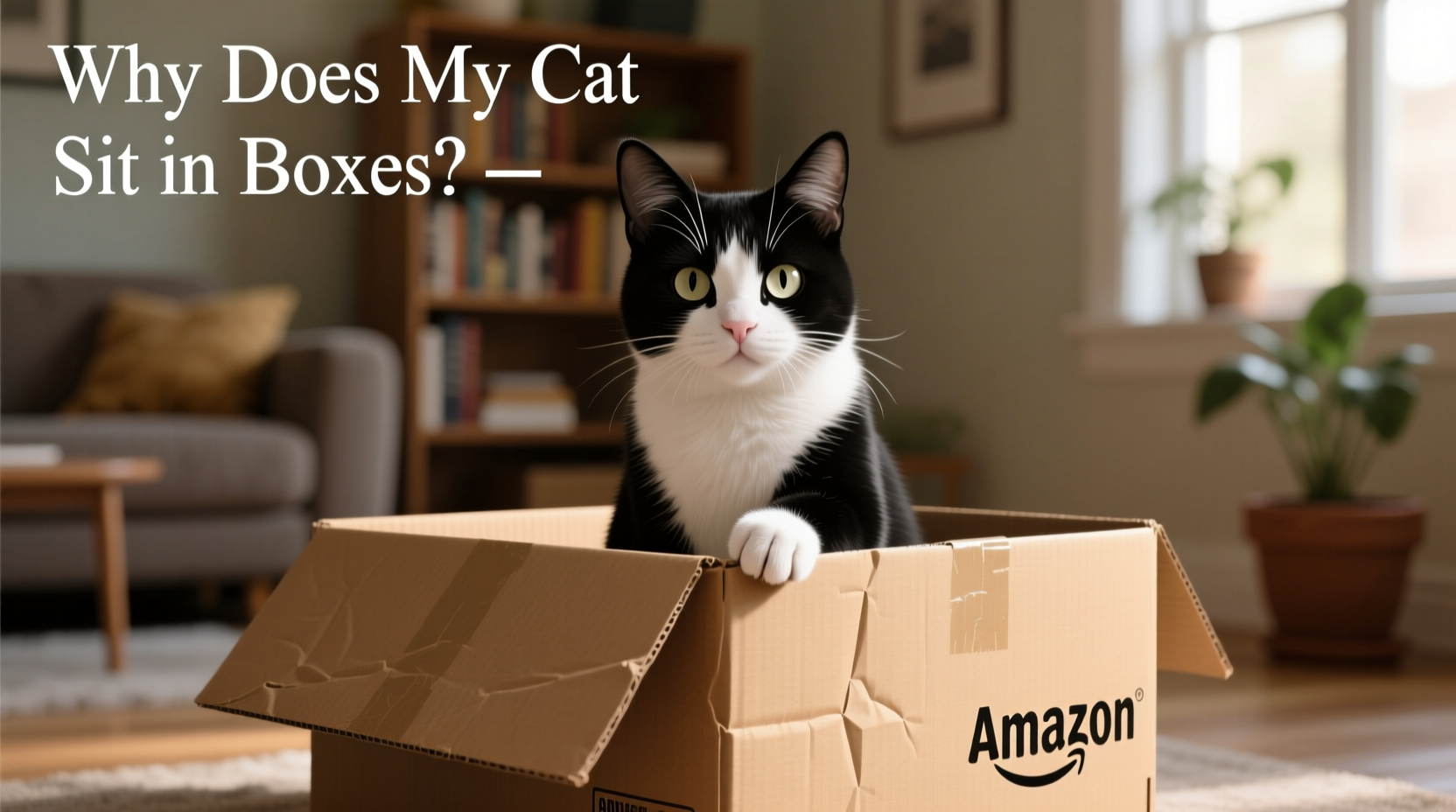
Cats, both domestic and wild, are descendants of solitary hunters who relied on stealth and concealment to survive. In the wild, felines use natural enclosures—rock crevices, hollow logs, dense brush—to remain hidden from predators and to stalk prey without being detected. These instinctual behaviors persist in modern housecats, even though they no longer face the same threats.
A box mimics the enclosed, sheltered environments cats evolved to favor. Its walls provide a sense of enclosure that reduces exposure and increases perceived safety. When a cat enters a box, it experiences a drop in stress levels because the structure limits visual access from multiple angles, allowing the cat to focus on a single entrance point. This control over their environment is crucial for an animal that feels most secure when it can monitor potential threats.
“Enclosed spaces give cats a sense of control and security. In behavioral studies, cats given access to hiding places show lower cortisol levels—the hormone associated with stress.” — Dr. Sarah Ellis, Feline Behavior Scientist, University of Lincoln
This evolutionary preference explains why cats often choose tight spaces over open ones, even if those spaces appear too small. The snug fit reinforces the feeling of protection, similar to how swaddling calms human infants.
Thermoregulation: Why Warmth Matters
Another critical factor behind the box obsession is temperature regulation. The ideal ambient temperature for a cat ranges between 86°F and 97°F (30°C to 36°C), significantly higher than what most humans find comfortable. Standard room temperatures in homes—typically around 68°F to 72°F—are relatively cool for cats, prompting them to seek out warmer microenvironments.
Cardboard is a natural insulator. It traps body heat and minimizes airflow, helping cats conserve energy and maintain core temperature with less effort. A box acts as a personal heated retreat without requiring any external power source. This is especially important for kittens, older cats, or breeds with short coats, who are more susceptible to cold.
Interestingly, studies conducted at the Netherlands’ Utrecht University found that shelter cats with consistent access to boxes adapted to new environments faster and exhibited fewer signs of anxiety than those without. The researchers concluded that the combination of warmth and seclusion played a key role in reducing stress during transitions.
Sensory Security and Environmental Control
Cats are highly sensitive to changes in their surroundings. Even minor alterations—new furniture, visitors, loud noises—can trigger alertness or discomfort. Boxes serve as sensory buffers, dampening sound and limiting visual stimuli. Inside a box, a cat can observe its territory while remaining partially concealed, maintaining a tactical advantage.
This need for environmental control ties into the feline concept of “safe zones.” Unlike dogs, which often seek proximity to humans for reassurance, cats typically prefer to self-soothe by retreating to a controlled space. A box becomes a private sanctuary where they can process stimuli at their own pace.
Moreover, the act of entering and exiting a box allows cats to engage in species-appropriate behaviors such as stalking, pouncing, and ambushing—even if they’re just leaping out at a passing shoelace. These playful actions reinforce neural pathways linked to hunting and coordination, contributing to mental stimulation.
How Boxes Support Cognitive and Emotional Health
Beyond physical comfort, boxes contribute to a cat’s psychological well-being. Environments enriched with hiding opportunities reduce boredom and prevent stress-related behaviors such as over-grooming, aggression, or inappropriate elimination.
In multi-cat households, boxes also help establish spatial hierarchy. Each cat may claim a specific box as its own, minimizing conflict through resource partitioning. This territorial marking isn’t always aggressive—it’s a way for cats to coexist peacefully by defining personal boundaries.
Practical Applications: Using Boxes to Enhance Cat Welfare
Understanding the reasons behind box-sitting opens doors to improving daily care routines. Rather than viewing this behavior as odd, owners can leverage it to promote better health and happiness.
For instance, introducing boxes strategically throughout the home ensures that safe retreats are always accessible. Placing them near windows provides entertainment via bird-watching, while positioning them away from high-traffic areas supports uninterrupted rest.
Step-by-Step Guide: Creating an Enriched Box Environment
- Select sturdy boxes: Choose clean, undamaged cardboard containers with four intact walls and minimal printing (inks may contain irritants).
- Modify entry points: Cut one or two openings large enough for easy access but not so big that the structure loses its enclosing effect.
- Add soft lining: Place a washable blanket, towel, or cat-safe fabric inside for added warmth and comfort.
- Strategic placement: Position boxes in quiet corners, beside furniture, or elevated on shelves to appeal to climbing preferences.
- Rotate locations: Change box positions weekly to stimulate curiosity and exploration.
- Incorporate scent: Rub the interior with catnip or transfer your cat’s scent via a used sock to encourage use.
These steps ensure that boxes function not just as novelties but as integral components of environmental enrichment.
Common Misconceptions About Box Use
Some owners worry that frequent box use indicates loneliness, fear, or illness. While sudden reclusive behavior should be monitored, routine box-sitting is normal and healthy. It reflects a cat’s ability to self-regulate and manage stress effectively.
Others assume that expensive cat beds are inherently superior. However, many commercially available beds fail to replicate the high-sided, cave-like design that cats instinctively prefer. A simple box often outperforms plush alternatives simply because it meets core behavioral needs.
| Feature | Cardboard Box | Typical Cat Bed |
|---|---|---|
| Enclosure Level | High (walls on all sides) | Low to moderate (open design) |
| Insulation Quality | Natural thermal retention | Varies; often poorly insulated |
| Perceived Safety | High (limited visibility from outside) | Moderate (exposed sides) |
| Cost & Accessibility | Free or low-cost | $20–$100+ |
| Ease of Replacement | Easy (recyclable/disposable) | Difficult (requires purchase) |
This comparison highlights why boxes continue to dominate cat preferences despite advancements in pet product design.
Mini Case Study: Reducing Stress in a Multi-Cat Home
Consider the case of Maria, a pet owner in Portland, Oregon, who adopted a second cat to keep her resident feline, Luna, company. Initially, the cats avoided each other, and Luna began hiding under furniture. After consulting a veterinary behaviorist, Maria introduced multiple cardboard boxes throughout the house—each placed in neutral zones and filled with familiar scents.
Within days, both cats began using separate boxes as base camps. Over time, they started resting near each other, eventually sharing a larger modified box with dual entries. The structured availability of safe spaces allowed the cats to establish trust gradually, avoiding forced interactions.
“I thought the boxes were just a phase,” Maria said. “But they became the foundation of peace in our home. Now I never throw away a decent-sized box.”
Checklist: Supporting Your Cat’s Instinctual Needs
- Provide at least one enclosed space per cat in your household.
- Ensure boxes are cleaned or replaced regularly to prevent odor buildup.
- Avoid using tape, staples, or plastic liners that could harm your cat.
- Monitor usage patterns—if a cat suddenly stops using boxes, assess for illness or anxiety.
- Combine boxes with vertical spaces (shelves, cat trees) for comprehensive enrichment.
- Use boxes during vet visits or travel by placing a familiar one in the carrier for reduced stress.
Frequently Asked Questions
Is it safe for my cat to chew on cardboard?
Occasional nibbling is generally harmless, especially if the cardboard is plain and uncoated. However, excessive chewing may indicate dental issues or pica (a condition involving non-food consumption). Consult your veterinarian if ingestion becomes frequent or large pieces are swallowed.
Can I reuse old boxes?
Yes, as long as they are clean, dry, and free of mold, strong odors, or contaminants. Avoid boxes that stored chemicals, cleaning supplies, or food with greasy residues. Replace boxes when they become soiled or structurally unsound.
What if my cat doesn’t like boxes?
Not all cats exhibit strong box preferences—individual personalities vary. Some may prefer tunnels, covered beds, or elevated perches. Observe your cat’s natural tendencies and offer a variety of options to determine what works best.
Conclusion: Embracing Natural Instincts for a Happier Cat
The seemingly simple act of sitting in a box reveals profound truths about feline nature. It reflects a complex interplay of evolutionary history, physiological necessity, and emotional intelligence. Far from being a quirky habit, box-sitting is a functional behavior that supports a cat’s need for security, warmth, and autonomy.
By recognizing and accommodating these instincts, caregivers can create environments where cats don’t just survive—but thrive. You don’t need expensive gear or elaborate setups. Sometimes, the most effective tool in your pet care arsenal is something destined for the recycling bin.




 浙公网安备
33010002000092号
浙公网安备
33010002000092号 浙B2-20120091-4
Comments
No comments yet. Why don't you start the discussion?