
Cats are creatures of mystery and charm, often surprising their owners with peculiar behaviors. One such behavior that frequently draws curiosity is when a cat sits in tight circles, contorts into odd postures, or folds itself into seemingly impossible positions. While it may look uncomfortable—or even comical—to human eyes, these postures are rarely random. They stem from a combination of instinctual habits, physical comfort, emotional states, and environmental cues. Understanding why your cat curls into a pretzel or perches like a yoga master can deepen your bond and help you assess their well-being more accurately.
The Science Behind Feline Flexibility
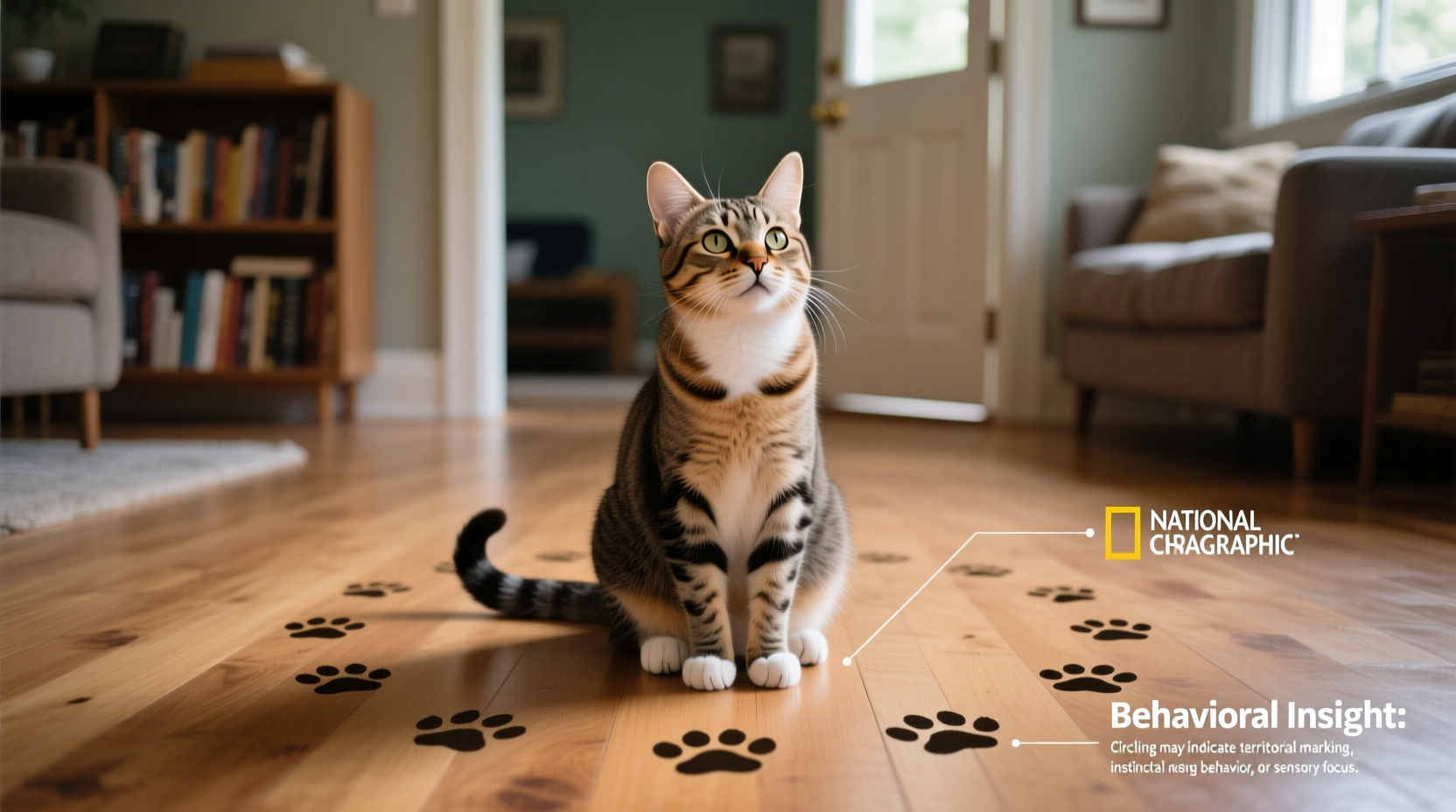
Cats possess an extraordinary range of motion due to their unique skeletal and muscular structure. With 230 bones—compared to humans’ 206—and no collarbone, cats have exceptional mobility. Their spine is highly flexible, allowing them to twist, stretch, and compress their bodies into compact forms. This anatomical advantage enables them to squeeze into small spaces and assume postures that would be painful or impossible for most mammals.
This flexibility isn’t just for show; it serves survival purposes. In the wild, cats need to hide from predators, stalk prey in confined areas, and regulate body temperature by minimizing surface exposure. Even domesticated cats retain these instincts. When your cat curls into a near-perfect circle, tucking its nose under its tail, it’s not just being cute—it’s mimicking a natural thermoregulation strategy used by wild felines.
Behavioral Reasons for Strange Sitting Positions
Beyond anatomy, several behavioral motivations explain why cats choose unusual sitting shapes. These include comfort, security, communication, and sensory regulation.
1. Thermoregulation and Comfort
Cats maintain a higher body temperature than humans—typically between 100.5°F and 102.5°F. To conserve heat, especially when resting, they curl up tightly. The “doughnut” or “circle” position minimizes exposed skin and protects vital organs. This posture is particularly common on cold floors or during winter naps.
2. Feeling Safe and Protected
A tightly curled body creates a defensive shape. By tucking limbs and head inward, cats reduce vulnerability. This behavior is rooted in kittenhood, where newborns huddle close for warmth and safety. Adult cats may revert to this pose when they feel uncertain or seek solitude, even in safe environments.
3. Communication Through Body Language
Cat postures send subtle signals. A cat sitting in a perfect circle with tail wrapped around may be signaling relaxation. Conversely, if the ears are pinned back or the tail flicks while in this pose, it could indicate stress or discomfort. Observing context is key: location, recent changes, and interactions all influence interpretation.
4. Sensory Regulation
Some cats use pressure from self-constriction to calm their nervous systems. Similar to how weighted blankets help humans, the gentle compression of a curled tail or tucked paws may provide proprioceptive feedback that soothes anxiety. This is especially noticeable in cats with sensitive temperaments or those adjusting to new homes.
“Cats use body positioning as both a physiological and psychological tool. What looks odd to us often serves multiple adaptive functions.” — Dr. Lena Torres, Feline Behavior Specialist
Common Strange Sitting Poses and What They Mean
Not all odd positions are the same. Each has nuances in meaning based on context and frequency.
| Posture | Description | Interpretation |
|---|---|---|
| The Circle (Loaf + Tail Wrap) | Body curled into a ring, tail encircling front paws | Thermal conservation, contentment, mild alertness |
| The Sploot | Hind legs stretched straight back, belly low to ground | Overheating relief, playful submission, joint comfort |
| The Pretzel | Limbs twisted under body, head turned sharply | Deep sleep onset, muscle relaxation, possible stiffness |
| The High Perch Curl | Sitting upright on elevated surface, body arched slightly | Vigilance, territorial monitoring, confidence |
| The Half-Fold | One leg bent beneath, others extended awkwardly | Transitional rest, momentary pause, minor discomfort |
While occasional odd postures are normal, sudden changes in how a cat positions itself—especially if accompanied by vocalization, reluctance to move, or grooming avoidance—may signal pain or illness. Arthritis, neurological issues, or gastrointestinal discomfort can alter posture preferences.
When Quirky Becomes Concerning: Health Considerations
Most strange sitting behaviors are harmless expressions of feline individuality. However, certain patterns warrant attention. For example, a cat that consistently avoids putting weight on one limb while sitting, or one that adopts rigid, unnatural angles, may be compensating for pain.
Senior cats are especially prone to developing arthritis, which can make once-comfortable positions painful. You might notice your older cat avoiding high jumps or struggling to rise after a deep curl. Similarly, cats with vestibular disease may tilt their heads dramatically or lose balance while seated.
Red Flags to Watch For
- Prolonged hunched sitting with head low
- Inability to fully extend limbs after resting
- Shaking or trembling while seated
- Excessive licking of joints or spine
- Aggression when touched near hips or back
If any of these occur alongside abnormal sitting shapes, schedule a veterinary exam. Early detection of conditions like osteoarthritis, intervertebral disc disease, or even kidney issues (which cause lethargy and hunched posture) can significantly improve outcomes.
Environmental Influences on Cat Posture
Your cat’s surroundings play a major role in shaping their sitting habits. Temperature, furniture layout, social dynamics, and even lighting affect where and how they rest.
Cool tiles attract splooting in summer. Elevated shelves encourage upright, alert postures. Cats often mimic the shapes of their favorite spots—a round wicker basket invites circular sitting, while a narrow windowsill forces elongation.
Social hierarchy also matters. In multi-cat households, subordinate cats may adopt tighter, more defensive postures when near dominant individuals. They’ll often choose elevated but enclosed spaces—like the corner of a bookshelf inside a cardboard box—where they can observe without engagement.
Creating Supportive Spaces
To support healthy, comfortable postures:
- Provide heated beds or soft blankets in cool areas.
- Offer varied resting surfaces: flat mats, enclosed caves, and raised perches.
- Ensure easy access to favorite spots for aging or less mobile cats.
- Maintain consistent routines to reduce anxiety-related tension.
“Enrichment isn’t just about toys—it includes ergonomic design. A well-placed cushion can prevent chronic strain.” — Dr. Rajiv Mehta, Veterinary Ethologist
Mini Case Study: Bella and the Window Ledge Ritual
Bella, a 7-year-old tabby, lived in a bustling urban apartment with two other cats. Her owner noticed she always sat in a near-perfect circle on a narrow window ledge, despite having several plush cat beds available. At first, it seemed like a quirk. But closer observation revealed a pattern: Bella only assumed this pose when the younger, more energetic cat was nearby.
A behaviorist assessed the situation and concluded that Bella used the circular posture as a non-confrontational boundary. The tight form minimized her presence while allowing her to monitor activity. Additionally, the ledge was warmed by afternoon sunlight, combining thermal comfort with strategic visibility.
The solution? Adding a second elevated perch on the opposite side of the room gave Bella an alternative vantage point. Over time, she began using looser, more relaxed poses—indicating reduced stress and increased confidence.
This case illustrates how environment, social dynamics, and physical needs intersect in feline posture choices.
Frequently Asked Questions
Is it normal for my cat to sit in a circle every day?
Yes, it’s completely normal. Many cats favor the circular position for warmth and security. As long as your cat moves freely, eats well, and shows no signs of pain, this behavior is likely just a preferred resting style.
Why does my cat sit like a loaf but then suddenly twist into a knot?
This transition often occurs during deep relaxation or sleep onset. Cats shift positions frequently to relieve pressure points. The “knot” may simply be a way to stretch internal muscles or adjust spinal alignment mid-nap.
Can strange sitting positions indicate worms or digestive issues?
In rare cases, yes. Cats with intestinal parasites or stomach upset may sit hunched with their backs arched and tails tucked tightly. If accompanied by vomiting, diarrhea, appetite loss, or lethargy, consult your veterinarian promptly.
Action Checklist: Monitoring and Supporting Your Cat’s Postures
To ensure your cat’s sitting habits remain healthy and stress-free, follow this practical checklist:
- ✅ Observe your cat’s typical resting positions to establish a baseline.
- ✅ Note any sudden changes in posture or reluctance to move.
- ✅ Provide multiple types of resting spots (warm, cool, elevated, enclosed).
- ✅ Schedule annual vet checkups, especially for cats over 7 years old.
- ✅ Minimize environmental stressors like loud noises or unstable routines.
- ✅ Gently touch limbs and spine during petting to detect sensitivity.
- ✅ Encourage gentle play to maintain joint flexibility and muscle tone.
Conclusion: Embracing the Quirks of Feline Expression
Your cat’s tendency to sit in circles or twist into strange shapes is far more than a whimsical habit—it’s a window into their evolutionary past, physical condition, and emotional world. These postures blend instinct with individual personality, shaped by comfort, safety, and environment. By paying attention to the nuances of how your cat rests, you gain deeper insight into their needs and feelings.
Instead of questioning whether these poses are “normal,” consider what they reveal. Are they seeking warmth? Avoiding conflict? Self-soothing? Each curl, twist, and tuck tells a story. Respond with empathy, enrich their space, and stay alert to changes. Most importantly, celebrate these quirks—they’re part of what makes your cat uniquely yours.




 浙公网安备
33010002000092号
浙公网安备
33010002000092号 浙B2-20120091-4
Comments
No comments yet. Why don't you start the discussion?