
Cats are creatures of habit and curiosity, often choosing the most unexpected spots to rest, observe, or simply exist. One such spot that baffles many cat owners is the kitchen or bathroom sink. Whether perched on the edge or curled up inside the basin, this behavior is more common than you might think. While it may seem odd—or even inconvenient—your cat’s fascination with sinks isn’t random. It stems from a combination of sensory preferences, instinctual behaviors, and environmental cues unique to feline psychology.
Understanding why your cat chooses the sink over their plush cat bed involves looking beyond mere whimsy. It's about temperature, texture, accessibility, and even emotional comfort. This article explores the science and behavior behind this quirky habit, offering insight into your cat’s mind and practical tips for managing or embracing the behavior.
The Allure of Cool Surfaces
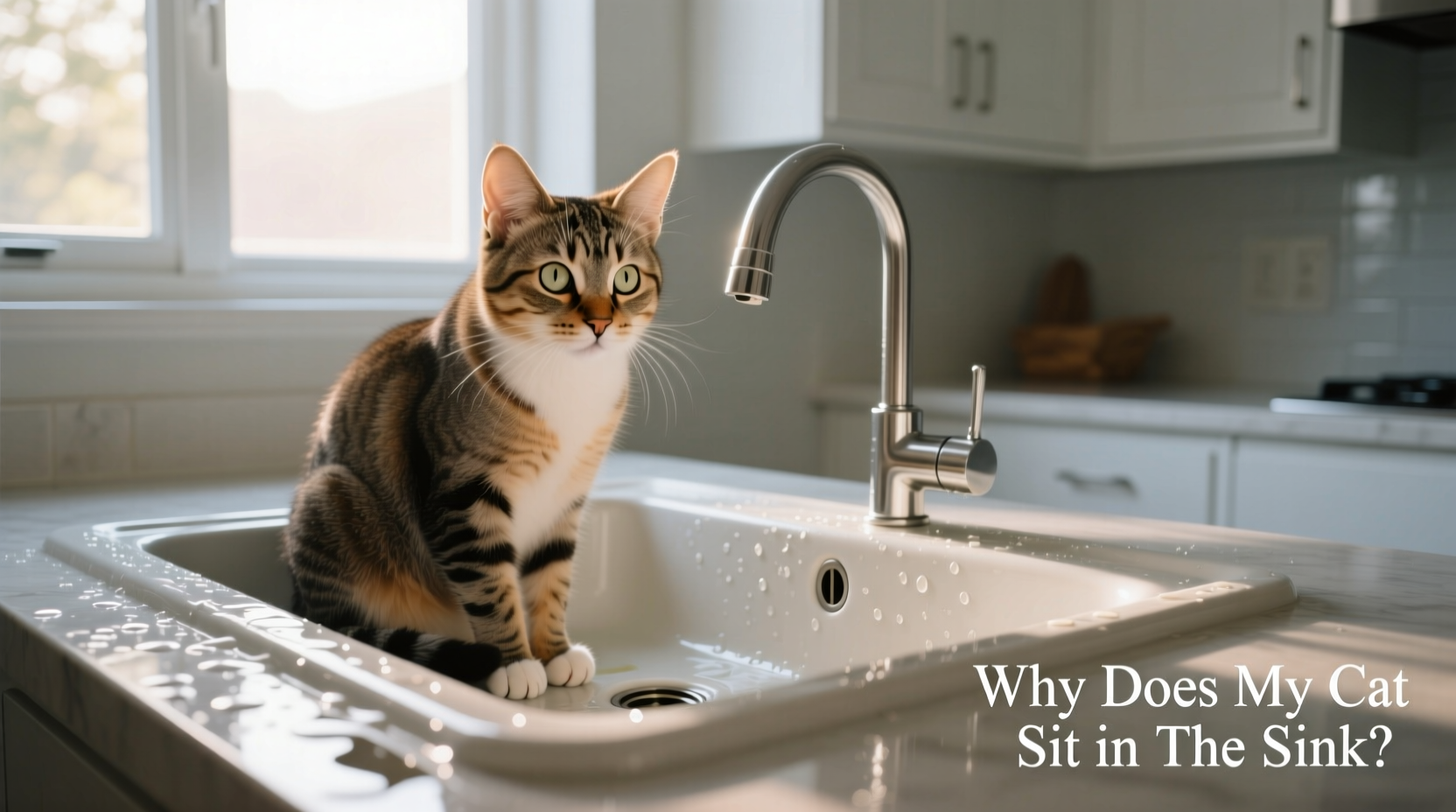
Cats regulate their body temperature differently than humans. With a normal body temperature ranging between 100.5°F and 102.5°F (38°C–39.2°C), they often seek cooler environments when they feel overheated. Sinks, especially those made of stainless steel, porcelain, or ceramic, naturally retain coolness due to their material and proximity to water pipes.
During warmer months or in homes without adequate cooling, a sink becomes an ideal thermal retreat. The metal or glazed surface draws heat away from your cat’s body, providing instant relief. Even in air-conditioned homes, cats may prefer these surfaces because they offer consistent, conductive cooling unlike fabric or carpet, which can trap heat.
Water Fascination and Sensory Stimulation
Many cats exhibit a peculiar interest in running water. Unlike dogs, who often drink freely from standing bowls, cats in the wild evolved to prefer fresh, moving water as a sign of cleanliness and safety. This instinct persists in domestic cats, making dripping faucets irresistible.
Sitting in the sink often coincides with water activity. Your cat may be waiting for you to turn on the tap, captivated by the sound and sight of flowing water. The acoustics of a sink amplify small drips, creating auditory stimulation that piques their hunting instincts. Even when the water is off, residual moisture, condensation, or the lingering scent of water can make the sink an appealing place to investigate or lounge.
Dr. Sarah Whittlesey, a veterinary behaviorist at the American Association of Feline Practitioners, explains:
“Cats are highly sensitive to changes in their environment. The sink offers multiple sensory inputs—sound, temperature, smell—that fulfill their natural curiosity.”
Territory and Elevation: A Strategic Vantage Point
In the feline world, high ground equals security. Cats are both predators and prey animals, meaning they need to monitor their surroundings for threats or opportunities. A sink, particularly in a bathroom or kitchen, often sits at an ideal height—high enough to provide a clear view of the room, yet accessible for quick escape.
Bathroom sinks are frequently positioned near windows, combining elevation with visual stimulation. Birds, passing people, or shifting light patterns outside become entertainment. Kitchen sinks may offer proximity to food-related activity, allowing your cat to stay involved in household routines without direct interaction.
This strategic positioning reinforces the sink as a “command center” where your cat can observe without being exposed. It’s not just about comfort—it’s about control.
Texture and Confinement: The Comfort of Boundaries
While some cats sprawl across open spaces, others prefer enclosed or defined areas. The shape of a sink—a rounded, semi-enclosed basin—mimics the den-like environments cats favor in the wild. These boundaries create a sense of safety, reducing anxiety by limiting exposure from behind or the sides.
The smooth, non-porous surface also contrasts with typical household materials like fabric or wood. For cats sensitive to textures, the sink’s easy-to-clean surface may feel more predictable and hygienic. Additionally, the lack of loose fibers or odors (especially if cleaned regularly) makes it a neutral, low-stress zone.
This preference is particularly noticeable in multi-cat households, where dominant cats may claim the sink as a personal retreat during times of social tension.
Behavioral Conditioning and Routine
Cats thrive on routine, and their habits often form through positive reinforcement—even unintentional ones. If your cat receives attention, treats, or affection while sitting in the sink, they’re likely to repeat the behavior. For example, if you laugh, take photos, or speak softly when they hop into the sink, your reaction becomes a reward.
Likewise, sinks are frequently associated with human interaction. Bathrooms are private spaces where owners spend time grooming, brushing teeth, or showering—all activities that involve routine and predictability. Your cat may associate the sink with your presence and use it as a way to bond or demand attention.
A real-life example illustrates this well:
Mia, a 4-year-old tabby from Portland, began sitting in her owner’s bathroom sink every evening around 7 PM. Initially dismissed as a quirk, the behavior persisted for months. Upon closer observation, the owner realized Mia only appeared when she was brushing her teeth—the exact time she would usually pet Mia. Once the owner started giving Mia five minutes of chin scratches during this routine, the sink visits became a reliable part of their evening ritual.
Health Considerations: When Sink-Sitting Signals Something More
While occasional sink lounging is typically harmless, sudden or obsessive behavior can sometimes indicate underlying health issues. Excessive thirst, frequent trips to the sink, or attempts to drink from the faucet may point to medical conditions such as kidney disease, diabetes, or hyperthyroidism—especially in older cats.
Similarly, if your cat begins avoiding their litter box but spends extended time in the sink, it could suggest urinary discomfort. The cool surface may soothe inflammation, and the porcelain bowl may resemble a sanitary alternative to a soiled litter tray.
If you notice any of the following, consult your veterinarian:
- Dramatic increase in water consumption
- Straining to urinate or vocalizing while in the sink
- Loss of appetite or weight
- Changes in grooming or energy levels
“Any change in a cat’s preferred resting spot should be noted. While sinks are generally safe, persistent fixation on cool, hard surfaces can reflect pain or metabolic imbalance.” — Dr. Lena Ruiz, DVM, Feline Internal Medicine Specialist
Do’s and Don’ts: Managing Sink Behavior
Rather than discouraging the behavior outright—which may cause stress—it’s often better to manage it thoughtfully. Below is a comparison of recommended and discouraged approaches.
| Do’s | Don’ts |
|---|---|
| Provide alternative cool zones – Cooling mats, marble tiles, or shaded elevated beds. | Don’t punish your cat for using the sink—it may damage trust. |
| Ensure fresh water access – Use a cat water fountain to reduce faucet dependency. | Don’t leave harsh cleaners in the sink; residue can be toxic. |
| Keep the sink clean – Rinse after use to prevent bacterial buildup. | Don’t block access abruptly; instead, redirect gradually. |
| Engage during peak sink times – Offer play or affection to satisfy attention needs. | Don’t ignore sudden behavioral shifts—they may signal illness. |
Step-by-Step Guide to Redirecting Sink Habits
If sink-sitting interferes with daily use or raises hygiene concerns, follow this gradual redirection plan:
- Observe Patterns: Note when and how often your cat uses the sink. Is it during specific activities (e.g., brushing teeth)?
- Introduce Alternatives: Place a soft, washable bed or cooling pad nearby at a similar height.
- Use Positive Reinforcement: Reward your cat with treats or praise when they use the alternative spot.
- Limit Access Temporarily: Gently close the bathroom door or place a barrier during peak hours, but don’t trap the cat.
- Maintain Consistency: Repeat the process daily for 2–3 weeks until the new habit forms.
Frequently Asked Questions
Is it safe for my cat to sit in the sink?
Yes, as long as the sink is clean and free of toxic residues like bleach, soap scum, or cleaning chemicals. Always rinse thoroughly after use and avoid leaving sharp objects or standing drain cleaners.
Why does my cat drink from the sink instead of their water bowl?
Cats often prefer moving water, which they perceive as fresher and safer. A cat water fountain can replicate this effect and reduce sink dependency.
My cat never used the sink before—why now?
Sudden changes in behavior can stem from environmental shifts (new pets, furniture, or routines), seasonal temperature changes, or early signs of medical issues. Monitor for other symptoms and consult a vet if concerned.
Creating a Cat-Friendly Environment
Instead of viewing sink-sitting as a nuisance, consider it feedback about your cat’s environment. Are there enough elevated observation points? Is fresh, moving water available? Is your cat receiving sufficient mental stimulation?
Cats don’t act out of defiance—they respond to their needs. By enriching their space with climbing shelves, window perches, interactive toys, and hydration stations, you address the root causes of sink-seeking behavior.
A well-enriched home doesn’t eliminate quirks—it redirects them into healthier expressions. Your cat may still visit the sink occasionally, but it will become one option among many, rather than a necessity.
Conclusion: Embracing the Quirks of Feline Behavior
Your cat sitting in the sink isn’t a flaw in training—it’s a window into their instincts, preferences, and unspoken needs. From thermoregulation to territorial awareness, each reason reflects a deeper aspect of feline nature. Rather than resisting these behaviors, understanding them fosters a stronger, more empathetic relationship.
By providing alternatives, monitoring health, and respecting your cat’s choices, you create a home where curiosity is welcomed, not corrected. After all, part of loving a cat is accepting their idiosyncrasies—from keyboard naps to sink lounging—as expressions of trust and individuality.




 浙公网安备
33010002000092号
浙公网安备
33010002000092号 浙B2-20120091-4
Comments
No comments yet. Why don't you start the discussion?