
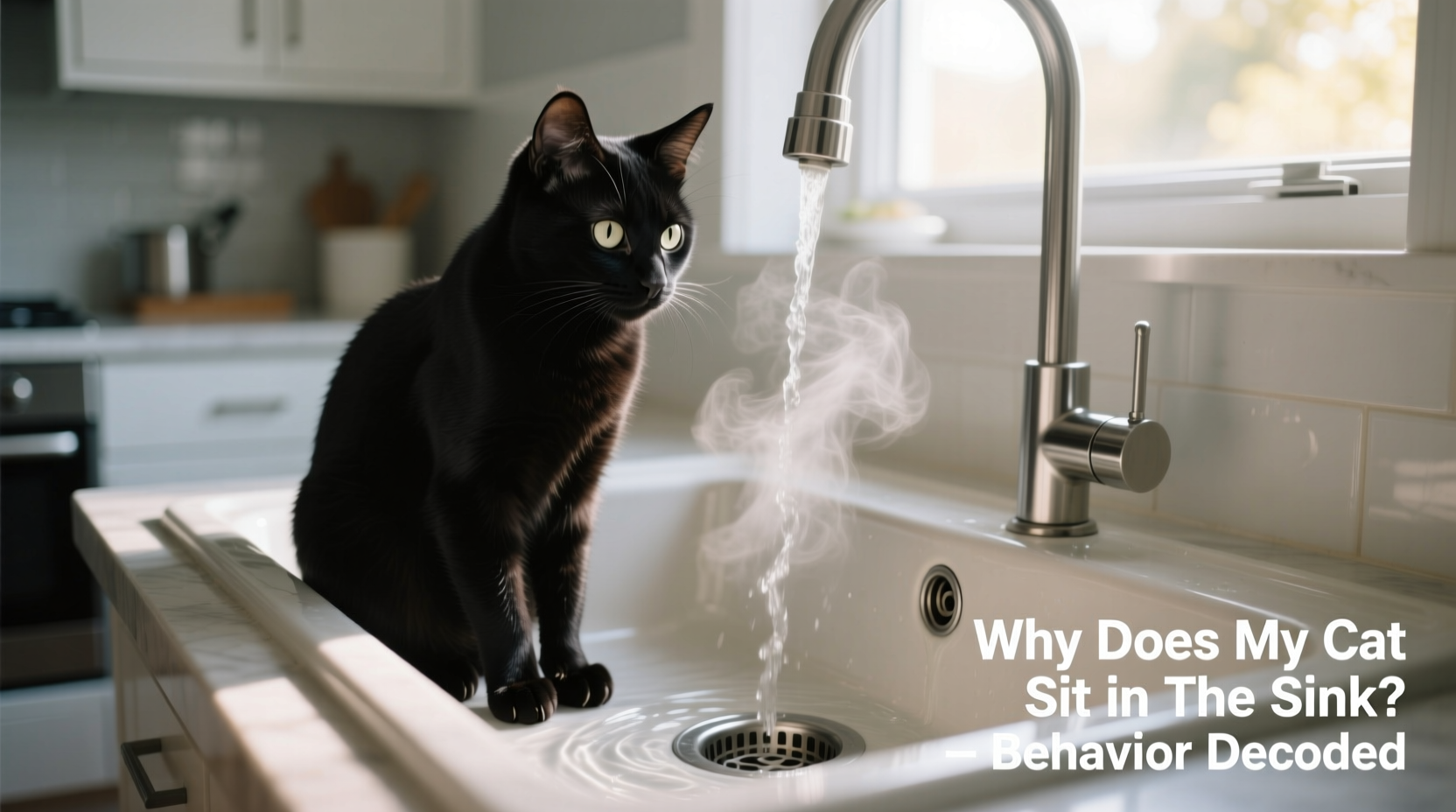
It’s a scene familiar to many cat owners: you walk into the bathroom only to find your cat perched inside the sink, curled up as if it were a luxury lounge chair. Sometimes they’re just sitting there quietly. Other times, they’re pawing at the faucet or sniffing the drain. While it may seem odd—or even slightly concerning—this behavior is surprisingly common and usually rooted in natural feline instincts. Understanding why your cat chooses the sink over their plush cat bed can provide insight into their preferences, needs, and even their well-being.
Cats are creatures of habit and environment. Their behaviors, no matter how peculiar, often serve a purpose shaped by evolution, sensory preference, or emotional comfort. The sink, despite being a human-designed fixture, offers several features that align perfectly with a cat’s innate tendencies. From cool surfaces to confined spaces and auditory stimulation, the sink checks multiple boxes on a cat’s environmental wishlist.
The Allure of Cool Surfaces
One of the most straightforward explanations for sink-sitting is temperature regulation. Cats maintain a higher body temperature than humans—typically between 100.5°F and 102.5°F. When ambient temperatures rise, especially during warmer months, cats seek out cooler spots to help dissipate excess heat.
Sinks, particularly those made of porcelain, stainless steel, or ceramic, retain coolness longer than carpet, fabric, or wood. These materials conduct heat away from the body, providing a refreshing surface for a cat to lie on. This effect is amplified if the sink has recently been used with cold water or if it's located in a cooler room like a bathroom.
This behavior is especially common in short-haired or dark-coated cats, which absorb more heat from sunlight. Even indoor cats, shielded from direct outdoor elements, can feel overheated due to central heating or lack of airflow.
Safe, Enclosed Spaces and Territorial Instincts
Beyond temperature, the physical structure of a sink appeals to a cat’s instinct for security. Sinks are typically small, enclosed basins with raised edges on three or four sides. This creates a den-like environment—a “safe zone” where a cat can observe their surroundings while feeling protected from behind.
In the wild, cats seek out tight, elevated spaces to avoid predators and monitor their territory. A sink, often mounted on a counter or pedestal, provides both elevation and partial enclosure. From this vantage point, a cat can survey the room without being exposed. This is particularly important in multi-pet households or homes with frequent visitors, where cats may feel the need to retreat to neutral, defensible ground.
Additionally, bathrooms are often quieter and less trafficked than kitchens or living rooms, making them ideal sanctuaries. The combination of privacy, height, and containment makes the sink an attractive perch—not just for resting, but for maintaining situational awareness.
Curiosity About Water: Movement, Sound, and Taste
Many cats are drawn to running water. While they may ignore a full bowl of fresh water, the sight and sound of a dripping faucet can trigger intense fascination. This isn’t just whimsy—it’s tied to survival instincts. In nature, moving water is safer to drink than stagnant water, which may harbor bacteria or parasites. Cats evolved to prefer flowing streams over still ponds, and this preference persists in domesticated breeds.
When a cat sits in the sink and stares at the faucet, they’re not just being cute—they’re assessing a potential water source. Some cats will dip their paws in the water, splash it, or even drink from the tap when it’s running. Others simply enjoy the sensory stimulation: the glint of light on water, the rhythmic drip, or the cool mist from a leaky seal.
“Cats are naturally inclined to prefer fresh, moving water. A sink offers visual, auditory, and tactile cues that mimic a natural stream.” — Dr. Lena Torres, Feline Behavior Specialist
This attraction explains why some cats wait by the sink after you brush your teeth or wash your hands. They’ve learned to associate human activity with the possibility of water flow and take advantage of the opportunity.
Texture and Sensory Appeal of Sink Materials
The texture of the sink itself may also play a role. Porcelain and stainless steel have smooth, non-porous surfaces that are easy to clean—and appealing to cats who dislike sticky or fibrous textures. Unlike carpets or upholstered furniture, sinks don’t trap odors or allergens, making them a “clean” spot in the cat’s mind.
Moreover, these materials often feel cool and firm under paw, offering a contrast to softer bedding. Some cats prefer firmer surfaces for resting, similar to how some humans prefer a firm mattress. The sink provides a flat, stable platform free of lumps or shifting fabric.
In homes with tile or hardwood floors, the sink may represent one of the few smooth, elevated surfaces available. This makes it a prime location for napping, grooming, or simply lounging while staying off cold ground.
Potential Health or Behavioral Red Flags
While sink-sitting is usually harmless, sudden or obsessive behavior can sometimes signal underlying issues. For example, a cat that begins spending excessive time in the sink—especially near the drain—may be exhibiting signs of discomfort or illness.
One concern is dehydration. A cat repeatedly investigating the drain or licking condensation might be seeking moisture due to inadequate hydration. Chronic kidney disease, diabetes, or hyperthyroidism can increase thirst and lead cats to explore unconventional water sources.
Similarly, urinary tract infections or bladder issues may cause a cat to associate the sound of dripping water with relief, leading them to linger near faucets or drains. If your cat starts vocalizing while in the sink, appears restless, or shows changes in litter box habits, consult a veterinarian promptly.
| Behavior | Normal? | When to Worry |
|---|---|---|
| Occasional napping in sink | Yes | None |
| Pawing at faucet or drain | Yes, if playful | If persistent or accompanied by vocalization |
| Drinking from sink regularly | Common | If refusing water bowls or drinking excessively |
| Refusing other resting spots | No | Possible stress, pain, or environmental issue |
Mini Case Study: Bella and the Midnight Sink Ritual
Bella, a 4-year-old Siamese mix, began sleeping exclusively in her owner’s bathroom sink every night around 2 a.m. Her owner, concerned about the change in routine, initially thought it was attention-seeking. However, after tracking Bella’s habits, she noticed the cat would lick the drain and meow softly before settling in.
A veterinary checkup revealed early-stage kidney disease. Bella was mildly dehydrated, and her increased thirst drove her to seek moisture in the damp sink. With treatment and a new water fountain introduced, Bella gradually returned to using her bed—but still visits the sink occasionally, especially after drinking.
This case highlights how seemingly quirky behaviors can mask medical concerns. Regular observation and timely vet visits can make a significant difference in outcomes.
How to Respond: Encouragement vs. Redirection
While it’s tempting to shoo your cat out of the sink, doing so may create stress or confusion. Instead, focus on understanding the motivation behind the behavior and offer suitable alternatives.
If your cat is drawn to coolness, place a ceramic tile or cooling mat in their favorite resting area. If they love running water, a pet-safe fountain can satisfy their instinctual preferences. To address the appeal of enclosed spaces, consider a covered cat bed or a perch near a window.
- Observe when and how often your cat uses the sink.
- Identify the likely reason (heat, curiosity, safety).
- Provide a comparable alternative in a preferred location.
- Gradually introduce the new option with treats or catnip.
- Avoid punishment; instead, gently redirect with positive reinforcement.
Never use chemical cleaners or disinfectants in a sink your cat frequents. Residue from bleach, ammonia, or citrus-based products can be toxic if ingested during grooming. Always rinse thoroughly or restrict access after cleaning.
Checklist: Is Your Cat’s Sink Habit Healthy?
- ☑ Occurs occasionally, not obsessively
- ☑ No signs of distress or vocalization
- ☑ Normal eating, drinking, and litter box habits
- ☑ Has access to fresh water and comfortable resting spots
- ☑ No recent changes in behavior or health
Frequently Asked Questions
Why does my cat sit in the sink drain specifically?
The drain area often remains damp, cool, and textured—offering sensory stimulation. Some cats are intrigued by the smell or sound emanating from the pipe. In rare cases, it could indicate a search for moisture due to dehydration.
Is it safe for my cat to sit in the sink?
Generally, yes—as long as the sink is clean and free of toxic residues. Avoid using harsh chemicals when your cat has access to the bathroom. Also, ensure the drain is secure so curious paws don’t get stuck.
How can I stop my cat from getting into the sink?
You don’t necessarily need to stop it unless it’s problematic. If desired, provide better alternatives: a cool tile bed, a water fountain, or a cozy enclosed hammock. Use positive redirection rather than scolding.
Conclusion: Embracing the Quirks
Cats are complex animals whose behaviors often reflect a blend of instinct, environment, and individual personality. Sitting in the sink isn’t defiance or mischief—it’s a calculated choice based on comfort, safety, and sensory satisfaction. By decoding this behavior, we gain deeper insight into our feline companions’ inner world.
Rather than viewing sink-sitting as a nuisance, consider it an invitation to improve your cat’s environment. Whether it’s upgrading their water source, adjusting room temperatures, or simply respecting their need for quiet observation points, small changes can enhance their quality of life.




 浙公网安备
33010002000092号
浙公网安备
33010002000092号 浙B2-20120091-4
Comments
No comments yet. Why don't you start the discussion?