
Cats are masters of mystery, and their sleeping habits often leave owners puzzled. One moment your feline is curled into a tight ball, the next they’re sprawled like a starfish across your keyboard. While these poses may seem random—or even physically improbable—they’re rarely without meaning. A cat’s sleeping position offers insight into their emotional state, physical comfort, and even their level of trust in you. Understanding these postures can deepen your bond and help you spot subtle signs of discomfort or illness before they escalate.
Sleep is vital for cats; they spend 12 to 16 hours a day at rest, with much of that time in deep or REM sleep. During this downtime, their bodies repair tissue, process memories, and regulate hormones. Because they’re vulnerable while asleep, the way they choose to lie down reflects how safe they feel in their environment. Each twist, tuck, or stretch tells a story—one that attentive owners can learn to read.
The Science Behind Feline Sleep Postures
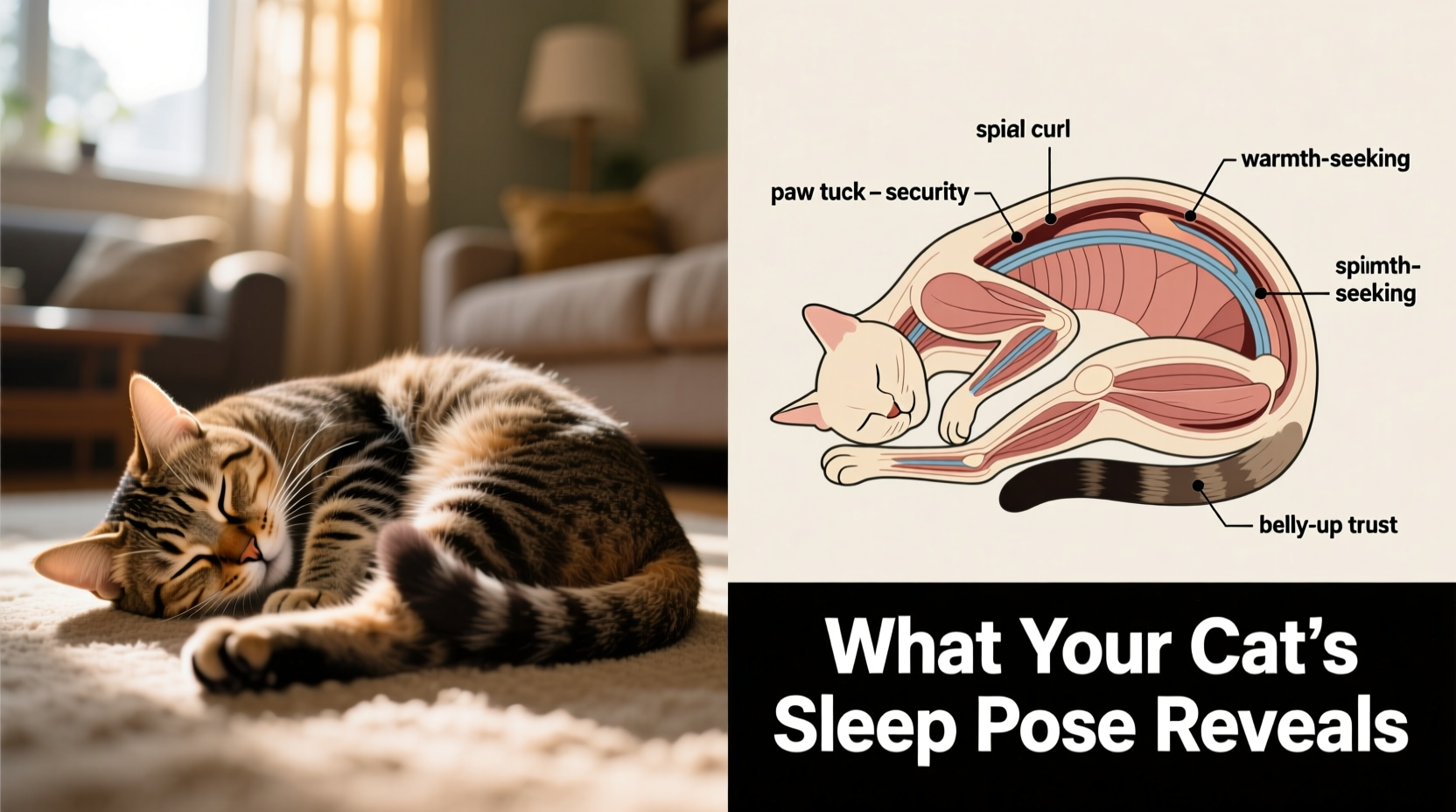
Cats are crepuscular by nature—most active at dawn and dusk—which means their sleep patterns are fragmented throughout the day and night. Unlike humans, who typically experience consolidated sleep, cats cycle through short bursts of deep sleep and light dozing. This behavior stems from their evolutionary roots as hunters who must remain alert for prey or predators.
During light sleep, cats often maintain muscle tension, allowing them to spring into action if needed. In deeper stages, especially REM (Rapid Eye Movement) sleep, their muscles relax completely. It’s during these phases that you’ll observe the most unusual sleeping positions—legs splayed, belly exposed, head tilted at odd angles. These postures indicate full relaxation and a sense of security.
“Cats only expose vulnerable areas like their bellies when they feel completely safe. If your cat sleeps on its back in your presence, it’s one of the highest forms of trust.” — Dr. Lena Torres, Veterinary Behaviorist
Body temperature also plays a role in positioning. Cats regulate heat through their paws, ears, and abdomen. You might notice your cat stretching out on cool tile in summer or curling tightly on a warm blanket in winter. These adjustments aren’t just about comfort—they’re thermoregulatory behaviors essential to their well-being.
Decoding Common Cat Sleeping Positions
Each sleeping pose communicates something distinct about your cat’s mood, health, and relationship with their surroundings. Below is a breakdown of the most frequently observed positions and what they signify.
1. The Loaf (Paws Tucked Under)
In this compact posture, the cat sits upright with all four paws tucked neatly beneath the body, resembling a bread loaf. This is one of the most common resting positions and indicates mild alertness. The cat is relaxed but ready to move quickly if needed. It’s often seen in unfamiliar environments or during daytime naps near household activity.
2. The Donut (Curled Into a Circle)
The cat curls into a tight circle, tail wrapped around the body, nose tucked into the flank. This conserves body heat and protects vital organs. Common in colder months or for outdoor cats, this position suggests caution or a need for warmth. Kittens and older cats often adopt this pose more frequently due to less efficient thermoregulation.
3. The Superman (Stretched Out on Belly)
Lying flat on the stomach with legs extended forward and sometimes rear legs stretched behind, this pose allows heat to escape through the paw pads and underbelly. It’s typically seen on cool surfaces and signals overheating or a desire to cool down. Young, energetic cats favor this position after play sessions.
4. The Starfish (On Back, Limbs Splayed)
One of the most telling poses, the starfish involves lying completely on the back with all four legs spread outward. The belly is fully exposed—an area rich in scent glands and extremely vulnerable. This position indicates deep trust and comfort. However, be cautious: some cats will roll onto their backs not as an invitation to pet, but as a defensive maneuver. If your cat hisses or swats when touched in this pose, respect their boundaries.
5. The Side Sleeper (Lying on One Side)
A relaxed cat lying on its side with limbs extended slightly backward shows deep comfort and readiness for prolonged rest. Breathing is usually slow and steady. This position allows internal organs to function optimally and is common after meals or during nighttime sleep.
What Unusual Poses Might Signal Health Issues
While most odd sleeping positions are normal, sudden changes in posture habits can be early warning signs. Cats are experts at masking pain, so behavioral shifts—especially in rest—are worth monitoring.
| Sleeping Behavior | Possible Meaning | Action Step |
|---|---|---|
| Neck arched backward or “stargazing” | Neurological issue, toxin exposure, or vestibular disease | Seek immediate veterinary care |
| Constantly hunched or tucked | Pain, gastrointestinal upset, or fever | Monitor appetite and litter box use; consult vet if persistent |
| Restless shifting, inability to settle | Anxiety, hyperthyroidism, or cognitive dysfunction (in seniors) | Check for environmental stressors; consider senior screening |
| Sleeping in isolated or hidden spots suddenly | Illness or fear response | Rule out medical causes; assess recent changes in home |
A real-life example illustrates this well: Bella, a 7-year-old domestic shorthair, began sleeping exclusively under the bed after years of claiming the living room sofa. Her owner initially dismissed it as aging, but further observation revealed reduced grooming, decreased appetite, and vocalization at night. A vet visit diagnosed early kidney disease. Once treated, Bella gradually returned to her preferred sunny window perch. This case underscores how changes in sleeping location and posture can be red flags.
Environmental and Emotional Influences on Sleep Habits
Your cat’s sleeping preferences are shaped by both physical comfort and emotional safety. A cat that feels threatened will avoid open, exposed positions. Conversely, one that trusts its environment will take up space freely. Consider the following factors:
- Temperature: Cats prefer ambient temperatures between 86°F and 97°F (30–36°C). They’ll seek heat sources in winter and cool tiles in summer.
- Surface Texture: Soft, elevated surfaces (like couches or cat trees) mimic the safety of tree branches in the wild.
- Proximity to Humans: Cats who sleep near or on their owners are expressing strong social bonding. This behavior is rooted in kittenhood, where warmth and closeness to the mother were essential.
- Noise and Light Levels: Frequent disturbances lead to lighter sleep and more guarded postures.
A multi-cat household adds another layer. Dominant cats often claim central, visible sleeping spots, while subordinates may retreat to higher or more concealed areas. Introducing new pets, furniture, or routines can temporarily shift these dynamics, affecting where and how cats rest.
Expert Checklist: Assessing Your Cat’s Sleep Health
Use this checklist to evaluate whether your cat’s sleeping habits reflect wellness or warrant further attention:
- ✔ Does your cat have access to safe, quiet sleeping spaces?
- ✔ Are they choosing a variety of positions, indicating flexibility and comfort?
- ✔ Have there been sudden changes in preferred sleeping locations?
- ✔ Do they appear relaxed during sleep, with slow, even breathing?
- ✔ Are they easily startled or showing signs of restlessness?
- ✔ Is your cat grooming normally and maintaining a healthy appetite?
- ✔ Have you noticed any tremors, twitching, or abnormal eye movements during sleep?
If you answer “no” to more than two of these, consider scheduling a wellness check with your veterinarian. Early intervention can prevent minor issues from becoming serious conditions.
Frequently Asked Questions
Why does my cat sleep with its face buried in a corner or blanket?
This behavior, sometimes called “fabric-sucking” or “bunting,” often originates from kittenhood. Cats associate the scent and texture of soft materials with nursing and comfort. As long as they aren’t ingesting fabric, it’s generally harmless. However, excessive licking or chewing should be evaluated for compulsive disorders.
Is it bad if my cat sleeps on its back all the time?
Not necessarily. If your cat is otherwise healthy, eating well, and moving normally, frequent back-sleeping is a sign of confidence and thermal comfort. Just ensure they’re not overheating, especially in warm environments.
Should I wake my cat if they’re sleeping in an awkward position?
No. Cats naturally contort themselves into positions that may look uncomfortable to humans but are perfectly normal for them. Their flexible spines and loose joints allow for extreme flexibility. Only intervene if the cat appears distressed, unable to move, or has been in the same rigid position for many hours without shifting.
Conclusion: Listening to the Language of Cat Sleep
Your cat’s sleeping positions are more than quirks—they’re a silent language communicating safety, emotion, and physical state. By learning to interpret these postures, you gain a deeper understanding of your cat’s inner world. The starfish sprawl isn’t just cute; it’s a testament to the trust they place in you. The tight donut curl may signal a need for warmth or reassurance. Even the occasional upside-down nap speaks volumes about their sense of security.
Pay attention. Make small adjustments—add heated beds in winter, provide cooling mats in summer, minimize noise disruptions. Most importantly, respect their choices. A cat that feels heard and protected will continue to share these intimate moments of vulnerability.




 浙公网安备
33010002000092号
浙公网安备
33010002000092号 浙B2-20120091-4
Comments
No comments yet. Why don't you start the discussion?