
Cats are creatures of habit, known for their fastidious grooming and preference for clean, quiet spaces. So when a cat begins sleeping in its litter box—typically one of the least comfortable and most odorous spots in the home—it raises an immediate red flag. While occasional curiosity near the litter box is normal, consistent sleeping behavior in this area is not. This unusual choice often signals underlying issues, ranging from medical conditions to emotional distress. Understanding why your cat might resort to such behavior is essential for timely intervention and long-term well-being.
The litter box serves a specific biological function: elimination. It’s not designed for rest, warmth, or safety—but if your cat perceives it as the only place where these needs are met, something has gone awry. By recognizing the behavioral, environmental, and physiological clues, pet owners can identify whether the issue stems from stress, illness, or both—and take steps to restore balance.
Understanding Normal vs. Abnormal Litter Box Behavior
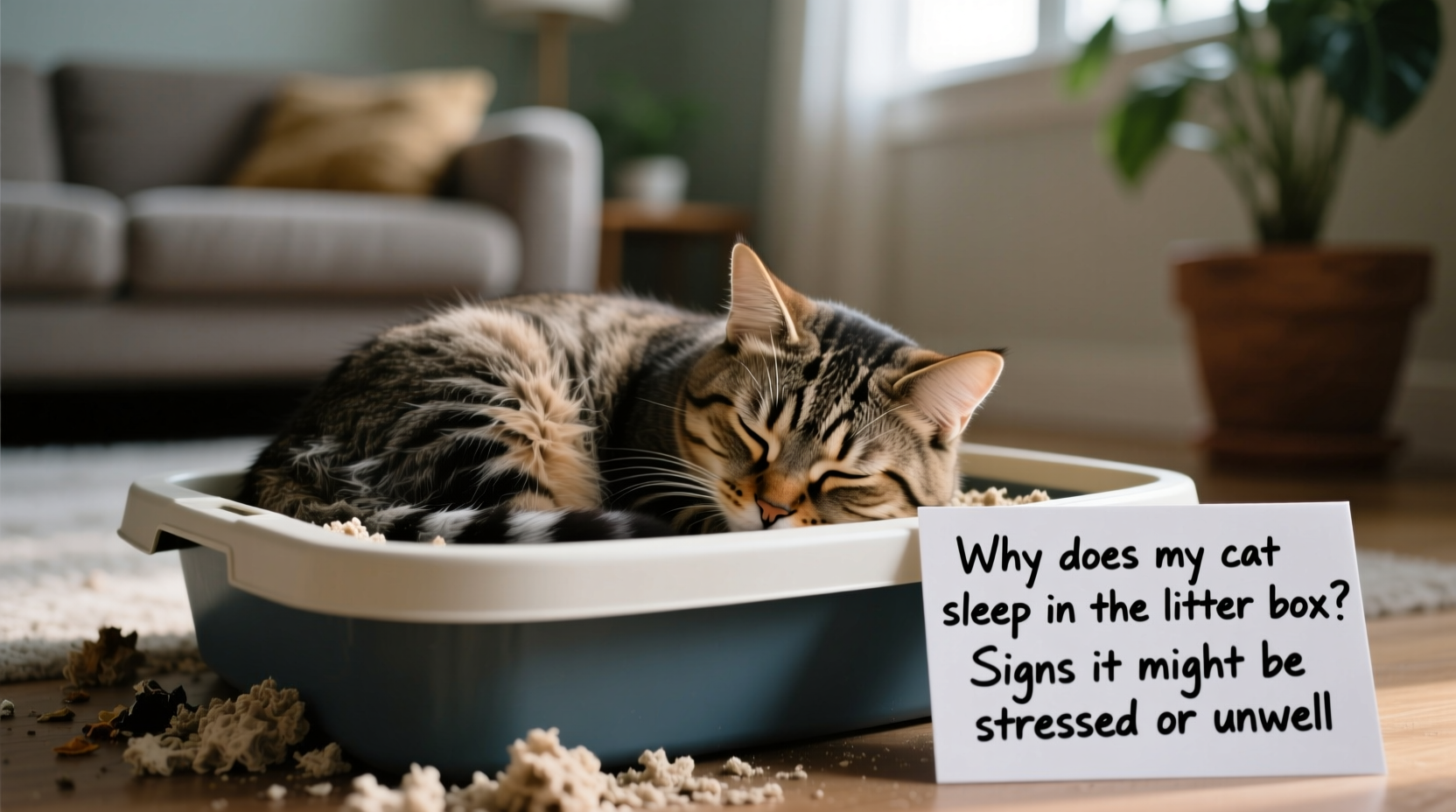
Cats naturally bury their waste to mask scent from predators, a trait inherited from their wild ancestors. A healthy cat uses the litter box solely for urination and defecation, then leaves promptly. Afterward, they typically groom themselves and retreat to a preferred resting spot—often a warm windowsill, a cozy bed, or a quiet corner.
Sleeping in the litter box disrupts this natural sequence. When observed repeatedly, it suggests that the cat feels safer or more secure in this confined, familiar space than anywhere else in the home. The change may develop gradually or appear suddenly after a significant event like a move, new pet introduction, or loud household disruption.
It's important to distinguish between:
- Occasional lying down near the box – May happen during illness or extreme fatigue.
- Frequent or prolonged sleeping inside the box – Strong indicator of discomfort, fear, or physical ailment.
- Aggression when approached near the box – Could signal territorial anxiety or pain-induced defensiveness.
Medical Causes Behind Litter Box Sleeping
Physical illness is one of the most urgent reasons a cat might choose to sleep in the litter box. Pain, discomfort, or weakened mobility can make traveling across the house difficult, especially for older cats or those with chronic conditions. In such cases, proximity to the elimination site becomes a matter of necessity rather than preference.
Common medical explanations include:
- Urinary tract infections (UTIs): Cats with UTIs experience frequent urges to urinate and may stay close to the box due to urgency and discomfort.
- Kidney disease: Increased thirst and urination lead to more time spent near the litter box.
- Arthritis or joint pain: Older cats may avoid climbing onto elevated beds or navigating stairs, making the litter box—often on the ground floor—a default resting zone.
- Gastrointestinal issues: Diarrhea or constipation can cause repeated trips to the box, prompting the cat to remain nearby.
- Hypothermia or fever: A sick cat may seek out cooler or warmer surfaces; some litter boxes retain body heat or provide insulation.
Veterinarian Dr. Lena Patel, DVM, explains:
“Cats hide pain instinctively. If your cat is sleeping in the litter box, especially if they’re also straining to urinate or have blood in their urine, seek veterinary care immediately. Conditions like feline lower urinary tract disease can become life-threatening within hours.”
If your cat exhibits additional symptoms such as vomiting, weight loss, excessive grooming of the genital area, or vocalizing while using the box, consult a vet without delay. Diagnostic tests—including blood work, urinalysis, and X-rays—can reveal hidden illnesses early, improving treatment outcomes significantly.
Stress and Environmental Triggers
Even in the absence of illness, psychological stress can drive a cat to retreat into the litter box. Unlike dogs, cats do not respond well to sudden changes in routine or environment. The litter box often represents the only constant in their world—a predictable, enclosed space with their own scent marking.
Potential stressors include:
- New pets or people in the home
- Relocation or remodeling
- Loud noises (fireworks, construction)
- Bullying by other cats in multi-cat households
- Changes in litter type, box location, or cleaning schedule
In multi-cat homes, competition for resources can escalate quickly. A subordinate cat may feel unsafe accessing sleeping areas if dominant cats guard them. As a result, the litter box—though uncomfortable—becomes a refuge because it’s less contested or easier to monitor for threats.
| Behavior | Possible Cause | Action Step |
|---|---|---|
| Sleeps in box after new kitten arrives | Social stress, feeling displaced | Create separate zones with food, water, bed, and litter box |
| Hides in box during thunderstorms | Fear of loud sounds | Provide a soundproofed safe room with calming pheromones |
| Only uses one box despite multiple options | Preference for familiarity under stress | Avoid changing litter or moving boxes abruptly |
A Real Example: Bella’s Story
Bella, a 7-year-old domestic shorthair, began sleeping in her litter box two weeks after her family adopted a second cat. Her owners initially assumed she was adjusting slowly, but soon noticed she avoided her favorite perch and ate only when the other cat was absent. A veterinary exam ruled out physical illness, pointing instead to social anxiety.
Following a behaviorist’s advice, the family created two distinct living zones—one upstairs for Bella, one downstairs for the new cat—with duplicate essentials. Within ten days, Bella returned to her usual sleeping spots. The litter box reverted to its intended use.
This case illustrates how environmental reorganization, not medication or punishment, resolved the issue. Stress-related behaviors require empathy and structural solutions, not correction.
Step-by-Step Guide to Addressing Litter Box Sleeping
If your cat starts sleeping in the litter box, follow this timeline-based action plan to assess and resolve the cause:
- Day 1: Observe and Document
- Record how long your cat stays in the box.
- Note any signs of pain (hunched posture, crying, difficulty moving).
- Check litter box usage: frequency, consistency of waste, presence of blood.
- Day 2: Evaluate Health Indicators
- Assess appetite, water intake, grooming habits, and interaction levels.
- Look for discharge, limping, or sensitivity to touch.
- If anything seems off, schedule a vet visit within 48 hours.
- Day 3–5: Audit the Environment
- Has there been a recent change in household dynamics?
- Are all litter boxes clean, accessible, and appropriately placed?
- Does your cat have quiet, elevated, and secure sleeping alternatives?
- Day 6–7: Implement Adjustments
- Add extra litter boxes (one per cat plus one extra).
- Introduce new resting areas away from high-traffic zones.
- Use Feliway diffusers to reduce ambient stress.
- Ongoing: Monitor Progress
- Track whether the behavior decreases over 1–2 weeks.
- If no improvement, revisit the vet or consult a certified animal behaviorist.
When to Seek Professional Help
While minor behavioral shifts may resolve with environmental tweaks, persistent litter box sleeping warrants expert evaluation. Left unaddressed, chronic stress can suppress immune function, trigger cystitis, or lead to depression-like states in cats.
Consult your veterinarian first to rule out medical causes. If health checks come back clear, consider working with a certified applied animal behaviorist (CAAB) or a veterinary behaviorist. These professionals specialize in decoding feline communication and designing targeted interventions.
According to the American Association of Feline Practitioners:
“Behavioral problems are among the top reasons for relinquishment of cats to shelters. Early recognition and compassionate response can save lives.”
Frequently Asked Questions
Is it normal for kittens to nap near the litter box?
Very young kittens, especially under 8 weeks, may rest close to the litter box due to limited mobility and underdeveloped bladder control. However, once weaned and socialized, they should transition to proper sleeping areas. Prolonged box-sleeping in juveniles still warrants monitoring for infection or congenital issues.
Could my cat just prefer the texture of the litter?
Unlikely. While some cats enjoy digging or pawing in litter, actual sleeping indicates deeper motivation. Soft bedding materials are thermally and physically superior to litter. If your cat favors litter over cushions, investigate discomfort or insecurity.
Will getting another litter box solve the problem?
Adding boxes helps in multi-cat homes or large spaces, but alone won’t fix the root cause. Ensure boxes are spaced apart (not clustered), cleaned daily, and filled with unscented, clumping litter unless otherwise advised by a vet.
Final Thoughts and Call to Action
A cat sleeping in the litter box is sending a silent plea for help. Whether driven by pain, fear, or confusion, this behavior should never be ignored or dismissed as quirky. With attentive observation, prompt medical screening, and thoughtful environmental adjustments, most cats can return to healthy routines.
Your role isn’t to correct the behavior through force, but to understand the message behind it. Every odd habit holds a clue. By responding with patience and knowledge, you strengthen the bond with your companion and ensure their emotional and physical wellness.




 浙公网安备
33010002000092号
浙公网安备
33010002000092号 浙B2-20120091-4
Comments
No comments yet. Why don't you start the discussion?