
Cats are enigmatic creatures, often engaging in behaviors that leave their owners puzzled. One of the most common yet unsettling habits is when a cat fixates on a blank wall for extended periods—sometimes minutes, sometimes hours. While it may seem odd or even concerning, this behavior isn’t always a sign of something wrong. In fact, staring at walls can stem from natural instincts, sensory perception, or subtle environmental cues invisible to humans. Understanding why cats do this requires insight into their unique psychology, sensory capabilities, and potential health indicators.
This article explores the various reasons behind prolonged wall-staring in cats, differentiating between harmless quirks and signs of underlying issues. From heightened senses to neurological conditions, we’ll break down what’s happening in your cat’s mind—and when it might be time to consult a veterinarian.
The Feline Senses: Seeing Beyond Human Perception
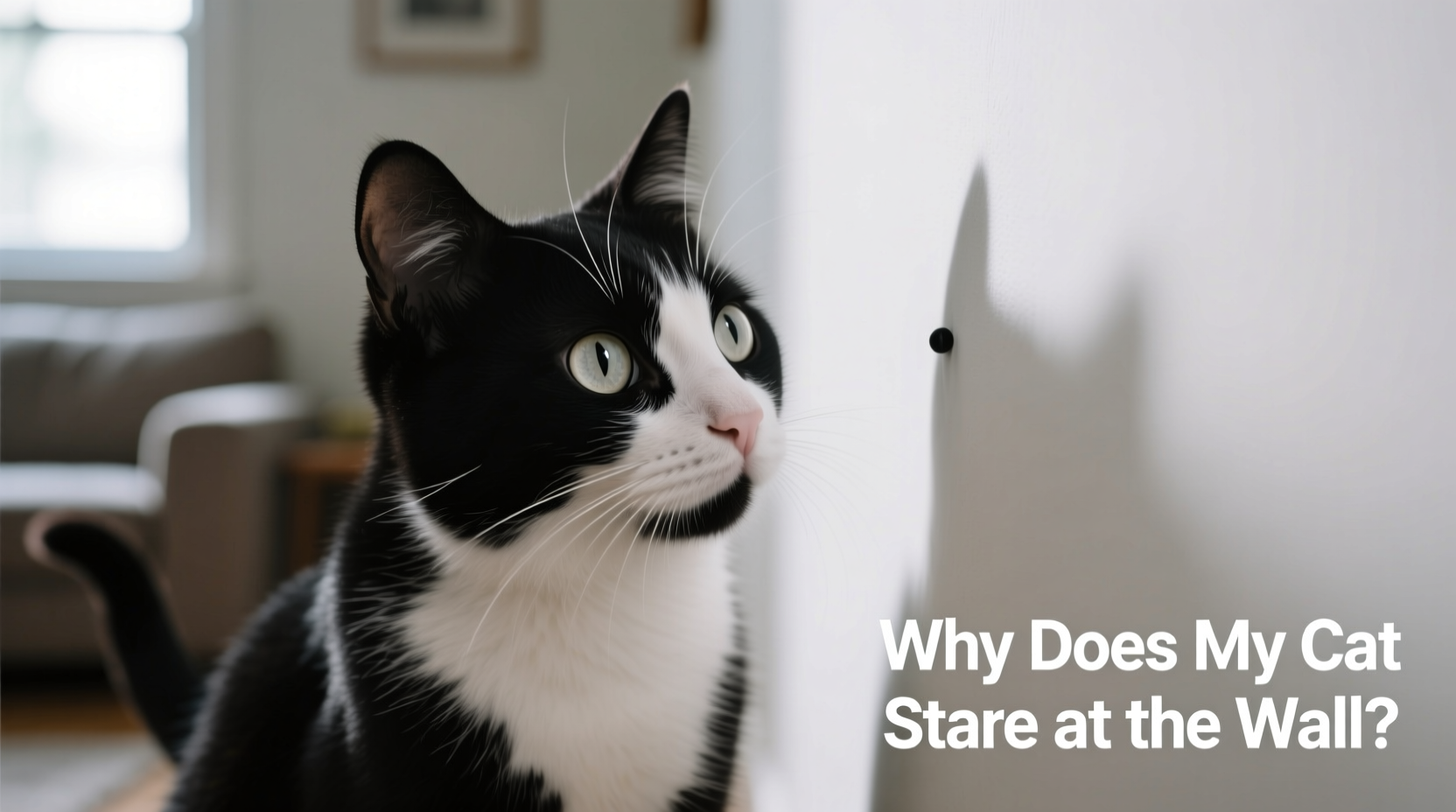
Cats possess sensory abilities far beyond those of humans, particularly in vision, hearing, and motion detection. Their eyes are adapted for low-light environments, allowing them to detect the faintest movements even in near darkness. This evolutionary advantage makes them exceptional nocturnal hunters—but also means they perceive stimuli that humans simply cannot see.
A cat may appear to stare at a blank wall, but in reality, they could be tracking:
- Tiny insects crawling along baseboards or ceiling edges
- Shadows cast by shifting light through windows or blinds
- Dust particles floating in sunbeams
- Vibrations or slight movements in wall textures caused by air currents
Additionally, cats have a higher flicker fusion rate than humans—meaning they can detect rapid changes in light that appear as a steady glow to us. A fluorescent bulb or LED light with a subtle flicker might appear to pulse or dance from a cat’s perspective, drawing their focused attention.
Instinctual Hunting Behavior and Mental Stimulation
Even well-fed domestic cats retain strong predatory instincts. The act of staring intently at a fixed point mimics the “focus phase” of hunting—when a cat locks onto prey before pouncing. In the wild, this behavior increases success rates by minimizing movement and maximizing concentration.
In a home environment, where live prey is scarce, cats redirect this instinct toward anything that triggers their attention: a fly on the wall, a spider web trembling in a draft, or even patterns in wallpaper that resemble animal silhouettes. The prolonged gaze isn’t idle; it’s an active cognitive process involving anticipation, calculation, and readiness to react.
Moreover, cats require mental stimulation. A lack of environmental enrichment—such as toys, climbing structures, or interactive play—can lead to redirected behaviors. Staring at walls may become a form of self-entertainment, especially in homes with minimal visual variety or limited access to windows.
“Cats don’t just look—they observe. What seems like blank space to us might be a dynamic scene of motion, light, and scent to them.” — Dr. Lena Reyes, Feline Behavioral Specialist
When Wall-Staring Signals Health Concerns
While occasional staring is typically benign, persistent or repetitive fixation on walls—especially if accompanied by other unusual behaviors—can indicate medical or neurological problems. Key conditions associated with this behavior include:
- Epilepsy or seizure disorders: Cats experiencing partial (focal) seizures may appear alert while actually having abnormal brain activity. Symptoms include unblinking stares, twitching, drooling, or sudden disorientation after the episode.
- Vision deterioration or blindness: As cats age, cataracts, glaucoma, or retinal degeneration can impair vision. A cat may stare into space due to confusion or misinterpretation of visual input.
- Cognitive Dysfunction Syndrome (CDS): Similar to dementia in humans, CDS affects older cats and can manifest as vacant staring, aimless wandering, vocalization at night, or social withdrawal.
- Hearing loss: Deaf cats may rely more heavily on visual cues and appear to stare intently at walls as they try to interpret vibrations or residual sounds.
It’s crucial to monitor for additional warning signs such as changes in appetite, litter box habits, aggression, or balance issues. If wall-staring becomes frequent, prolonged, or paired with any of these symptoms, veterinary evaluation is strongly recommended.
Red Flags That Warrant a Vet Visit
| Behavior | Possible Cause | Action Recommended |
|---|---|---|
| Staring for >10 minutes with no reaction to sound or touch | Focal seizure or neurological issue | Schedule vet appointment; consider video recording the episode |
| Walking into walls or furniture | Vision impairment or disorientation | Ophthalmic exam and senior wellness screening |
| Nighttime vocalization + wall-gazing | Cognitive Dysfunction Syndrome | Bloodwork, behavioral assessment, environmental adjustments |
| Head pressing against walls | Serious neurological condition (e.g., hepatic encephalopathy) | Immediate veterinary care required |
Environmental and Psychological Factors
Just like humans, cats can experience stress, anxiety, or boredom—all of which may contribute to repetitive behaviors such as wall-staring. Common environmental stressors include:
- New pets or people in the home
- Relocation or rearranged furniture
- Loud noises (construction, appliances, traffic)
- Lack of safe hiding spaces or vertical territory
In response, some cats develop displacement behaviors—actions performed out of context as a coping mechanism. Staring into space may serve as a way to self-soothe or mentally escape an overwhelming environment.
Additionally, indoor-only cats are particularly prone to under-stimulation. Without adequate outlets for natural behaviors like hunting, climbing, and exploring, they may invent their own forms of engagement—even if it appears passive to us.
Mini Case Study: Bella the Window-Watcher
Bella, a 7-year-old tabby living in a high-rise apartment, began spending hours each day staring at the same corner of her bedroom wall. Her owner, Sarah, grew concerned after noticing Bella would sometimes freeze mid-step, pupils dilated, seemingly unaware of her surroundings.
After ruling out medical causes through bloodwork and a neurological exam, the veterinarian suggested observing Bella’s routine. Sarah recorded a video and noticed that every afternoon around 3:15 PM, sunlight hit the wall at a specific angle, creating shimmering reflections from a hanging glass ornament nearby.
Further investigation revealed tiny fruit flies breeding in the kitchen drain, some of which occasionally drifted into the bedroom. Bella wasn’t hallucinating—she was actively tracking nearly invisible movements using both light reflections and minute airborne insects.
By installing a fly trap, adjusting the ornament’s position, and introducing daily puzzle feeders and laser pointer play, Sarah significantly reduced Bella’s wall-watching episodes. The behavior didn’t disappear entirely—but it became part of normal feline curiosity rather than a source of worry.
Step-by-Step Guide to Assessing and Addressing Wall-Staring
If your cat frequently stares at walls, follow this structured approach to determine whether intervention is needed:
- Observe the behavior objectively: Note duration, frequency, time of day, and any triggers (e.g., lighting, sounds).
- Check the environment: Look for insects, drafts, reflections, or shadows in the area of focus.
- Monitor for additional symptoms: Watch for tremors, drooling, vocalization, disorientation, or accidents outside the litter box.
- Enhance environmental enrichment: Introduce rotating toys, window perches, interactive games, and scheduled play sessions.
- Consult your veterinarian: If the behavior persists or worsens, schedule a check-up including neurological and ophthalmic evaluations, especially for cats over 8 years old.
FAQ: Common Questions About Cat Wall-Staring
Is it normal for cats to stare at walls?
Yes, occasional staring is normal, especially if triggered by subtle movements, light patterns, or sounds. However, prolonged or repetitive staring without apparent cause should be evaluated, particularly in older cats.
Can cats see ghosts or spirits?
There is no scientific evidence that cats see supernatural entities. However, their superior senses allow them to detect stimuli imperceptible to humans—such as high-frequency sounds, infrared radiation, or minute air vibrations—which may fuel myths about “seeing ghosts.”
How can I reduce my cat’s obsessive staring?
Improve mental stimulation through daily play, introduce new sensory experiences (cat-safe plants, bird feeders outside windows), and maintain a consistent, calm environment. If anxiety is suspected, pheromone diffusers like Feliway may help reduce stress-related behaviors.
Preventive Checklist for Healthy Feline Behavior
To support your cat’s mental and physical well-being—and minimize unusual behaviors like excessive wall-staring—follow this actionable checklist:
- ✅ Provide at least two 10–15 minute interactive play sessions daily
- ✅ Install window perches or bird feeders to encourage natural observation
- ✅ Rotate toys weekly to prevent habituation
- ✅ Maintain a consistent routine for feeding, cleaning, and interaction
- ✅ Schedule annual (or biannual for seniors) veterinary check-ups
- ✅ Monitor changes in sleep patterns, appetite, or social behavior
- ✅ Eliminate household pests that may attract obsessive tracking
Conclusion: Understanding Your Cat’s Silent Language
A cat staring at a wall isn’t necessarily a mystery to fear—it’s often a window into their rich sensory world and instinctual nature. By combining empathy with observation, you can distinguish between harmless quirks and signals of deeper issues. Most wall-staring stems from natural behaviors amplified by a modern indoor lifestyle. With proper enrichment, attentive care, and timely medical checks, you can ensure your cat remains mentally sharp, emotionally balanced, and physically healthy.




 浙公网安备
33010002000092号
浙公网安备
33010002000092号 浙B2-20120091-4
Comments
No comments yet. Why don't you start the discussion?