
Dogs are creatures of habit, and while many embrace the holiday season with tail wags and curious sniffs, others react with confusion, anxiety, or even fear. One of the most common but puzzling behaviors pet owners report is their dog barking at Christmas lights. What seems like festive cheer to us can be a source of stress for dogs. Understanding why this happens—and how to address it—is essential for ensuring a peaceful and joyful holiday season for both you and your canine companion.
The flashing, flickering, and movement of holiday lights can trigger instinctive reactions in dogs. These responses aren’t disobedience; they’re communication. Your dog may be expressing discomfort, alerting you to something unfamiliar, or reacting to sensory overload. The good news is that with patience, observation, and targeted strategies, most dogs can learn to tolerate—or even ignore—Christmas lights.
Understanding Canine Perception of Light and Movement
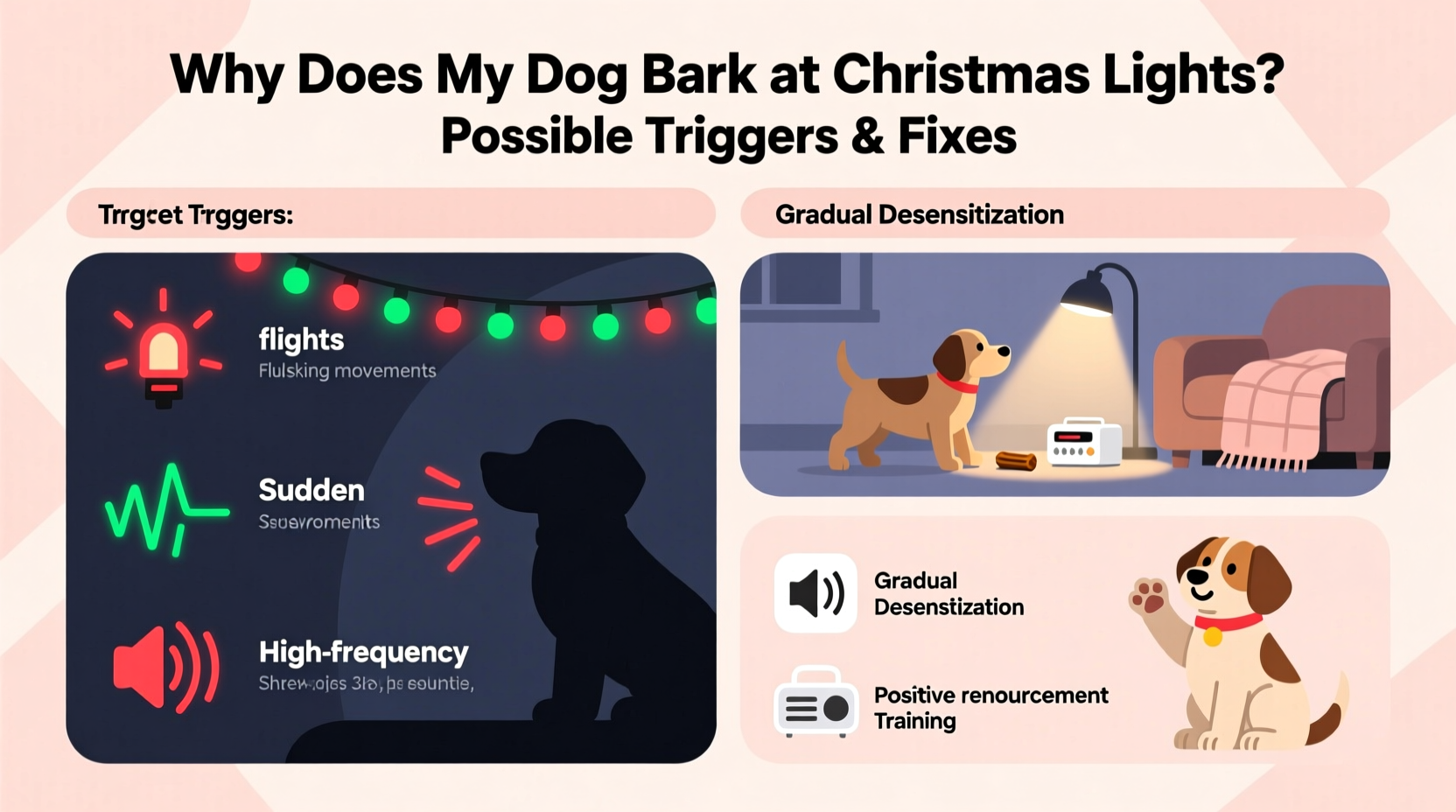
Dogs perceive light and motion differently than humans. Their eyes are more sensitive to movement and changes in brightness, especially in low-light conditions. This evolutionary trait helped wild canines detect prey or predators at dusk and dawn. While domesticated, these instincts remain deeply embedded.
Christmas lights often produce rapid flashes, strobing effects, or shifting patterns that mimic unpredictable movement. To a dog, especially one with a high prey drive or guarding instinct, these visual stimuli can appear as threats or anomalies in their environment. Even subtle reflections off ornaments or walls caused by lights can create disorienting visuals.
In addition, some LED lights emit a faint buzzing or humming sound due to electrical current fluctuations—inaudible to many humans but clearly heard by dogs with superior hearing. This auditory component, combined with visual stimulation, creates a multi-sensory experience that can overwhelm a dog’s nervous system.
“Dogs don’t just see lights—they experience them. Flickering lights can resemble fast-moving objects, triggering alert or defensive barking.” — Dr. Lisa Monroe, Veterinary Behaviorist
Common Triggers Behind Barking at Christmas Lights
Not all dogs react the same way to holiday decorations. The reasons behind barking vary based on breed, temperament, past experiences, and environmental factors. Below are the most frequent triggers:
- Motion sensitivity: Dogs bred for herding or hunting (e.g., Border Collies, Terriers) are more likely to react to moving or flashing lights.
- Lack of exposure: Puppies or rescue dogs with limited prior experience around decorative lighting may find them startling.
- Noise from lights: Low-frequency hums or electrical buzzes from older or cheaper light strings can distress noise-sensitive dogs.
- Reflections and shadows: Shifting light patterns on walls or floors can confuse dogs, making them feel their environment is unstable.
- Associative fear: If a dog was startled by lights during a previous holiday, they may develop a lasting negative association.
- Overstimulation: Combined with music, guests, and other holiday chaos, lights can push an already anxious dog over threshold.
Step-by-Step Guide to Desensitizing Your Dog to Holiday Lights
Desensitization and counter-conditioning are proven behavioral techniques to reduce fear-based reactions. Done correctly, they can transform your dog’s response from alarm to indifference. Follow this timeline over several days or weeks, depending on your dog’s sensitivity.
- Start with the lights off. Place the string of lights in its intended location but keep them unlit. Let your dog investigate freely while offering treats or praise for calm behavior.
- Introduce power gradually. Plug in the lights but cover them with a towel or cloth so no light escapes. Turn them on briefly (5–10 seconds), then off. Reward calmness with high-value treats.
- Reveal partial light. Uncover part of the strand so only a few bulbs are visible. Keep sessions short (under a minute), increasing duration slowly as your dog remains relaxed.
- Use steady, non-blinking modes first. If your lights have multiple settings, begin with solid illumination rather than flashing or chasing patterns.
- Pair lights with positive experiences. Feed meals near the lights, play calming games, or give chew toys only when the lights are on.
- Gradually increase complexity. Once your dog is comfortable with steady lights, introduce blinking or color-changing modes at low intensity.
- Monitor real-world exposure. During actual holiday use, supervise interactions and intervene early if signs of stress appear.
Pace is critical. Rushing the process can worsen anxiety. If your dog growls, freezes, or tries to flee, go back to a previous step and proceed more slowly.
Do’s and Don’ts When Introducing Christmas Lights
| Do | Don’t |
|---|---|
| Use LED lights with minimal hum or flicker | Install bright, rapidly flashing lights without warning |
| Supervise your dog during initial exposures | Leave your dog alone with new lights running overnight |
| Choose warm-white over cool-blue tones (less harsh) | Use strobe or disco-style effects near anxious dogs |
| Create a quiet retreat space away from decorations | Force interaction with lights through pulling or scolding |
| Reward calm behavior consistently | Yell at or punish barking—it increases stress |
Real Example: Helping Max, the Rescue Beagle, Accept Holiday Lights
Max, a three-year-old Beagle adopted last winter, had never seen Christmas decorations before. When his owner strung lights around the living room window, Max barked intensely every time they turned on, pacing and whining. Initially, the owner assumed Max was excited—but his stiff posture and avoidance when not barking suggested otherwise.
Working with a trainer, Max’s owner began a desensitization plan. They started by placing the unplugged lights on the floor. Over two days, Max sniffed them with treats nearby. Then, they powered the lights while covered, turning them on for five seconds at a time. Within a week, Max tolerated uncovered steady lights. Flashing modes were introduced last, only after Max showed no signs of stress for three consecutive sessions.
A key factor in Max’s success was consistency and timing. Sessions occurred at the same time daily, always followed by a favorite activity—like a walk or stuffed Kong. By Christmas Eve, Max still glanced at the lights but no longer barked. He even napped within five feet of the display.
This case illustrates that progress isn’t about eliminating curiosity—it’s about replacing fear with safety.
Practical Fixes to Reduce Light-Related Barking
Sometimes, despite training, certain lights remain problematic. In these cases, practical adjustments can make a big difference:
- Switch to warmer-colored LEDs: Blue-white lights are brighter and more stimulating. Warm white or soft amber emits a gentler glow.
- Opt for steady illumination: Avoid chase, strobe, or twinkling modes. Use “steady on” settings, especially in rooms where your dog spends time.
- Limit placement: Keep intense displays outside or in areas your dog doesn’t frequent. Indoor lights work best along baseboards or high shelves.
- Use dimmers or timers: Set lights to turn on when your dog is calm or asleep, reducing surprise factor.
- Add background noise: Soft music or white noise can mask faint electrical hums from lights.
- Create a safe zone: Designate a quiet room with familiar bedding, water, and calming aids (e.g., pheromone diffusers) where lights are absent.
When to Seek Professional Help
Occasional barking at new stimuli is normal. But persistent fear, aggression, or panic attacks require expert intervention. If your dog exhibits any of the following, consult a certified veterinary behaviorist or force-free trainer:
- Refusing to enter a room with lights on
- Excessive drooling, trembling, or attempts to escape
- Aggression toward people or pets near decorations
- No improvement after consistent desensitization efforts
In severe cases, temporary use of veterinarian-prescribed anti-anxiety medication during peak holiday periods may support behavioral therapy. Never use sedatives without professional guidance.
FAQ: Common Questions About Dogs and Christmas Lights
Can dogs see colors in Christmas lights?
Dogs have dichromatic vision, meaning they primarily see blues and yellows. Reds and greens appear muted or grayish. However, brightness and contrast—not color—are what typically trigger reactions. A bright red light may still startle a dog due to its intensity, even if the hue isn't vivid to them.
Is it cruel to use Christmas lights if my dog barks at them?
Not necessarily—but it depends on your response. If your dog shows mild curiosity and occasional barking that fades with exposure, lights can be part of holiday life. But if your dog is visibly distressed and you ignore the signs, it can deepen anxiety. The key is balancing tradition with compassion.
Are certain breeds more reactive to lights?
Yes. Herding breeds (e.g., Australian Shepherds, Border Collies), terriers, and working dogs often have higher arousal thresholds and sharper focus on movement. Rescue dogs or those with under-socialization may also be more sensitive. However, individual temperament matters more than breed alone.
Final Checklist: Preparing Your Dog for Holiday Lighting
- Assess your dog’s past reactions to novelty and lights.
- Choose low-stimulus lights (warm white, steady mode).
- Begin desensitization at least 2–3 weeks before full display.
- Supervise early interactions and reward calmness.
- Provide a quiet retreat space free of decorations.
- Monitor for signs of stress and adjust plans accordingly.
- Consult a professional if fear persists or escalates.
Conclusion: Peaceful Holidays Start with Understanding
Your dog’s barking at Christmas lights isn’t misbehavior—it’s communication. By recognizing the sensory challenges these decorations pose, you take the first step toward a calmer, more inclusive holiday experience. With thoughtful preparation, gradual exposure, and empathy, most dogs can coexist peacefully with festive lights.
This season, let your dog’s comfort guide your choices. Whether that means simplifying your display, adjusting your routine, or seeking expert support, every effort strengthens your bond and reduces stress. Celebrate the holidays not just with sparkle and shine, but with patience and presence.




 浙公网安备
33010002000092号
浙公网安备
33010002000092号 浙B2-20120091-4
Comments
No comments yet. Why don't you start the discussion?