
Dogs bring joy, companionship, and a certain unpredictability—especially around the holidays. One of the most common yet dangerous behaviors pet owners face is their dog chewing on Christmas lights. While it may seem like harmless holiday mischief, this behavior can lead to electric shock, burns, or even fire hazards. Understanding the root causes behind this behavior is essential for prevention and long-term safety. This article explores the psychological and environmental factors driving dogs to chew cords and decorations, and provides actionable, science-backed strategies to protect both your pet and your home.
The Psychology Behind Chewing: More Than Just Teething
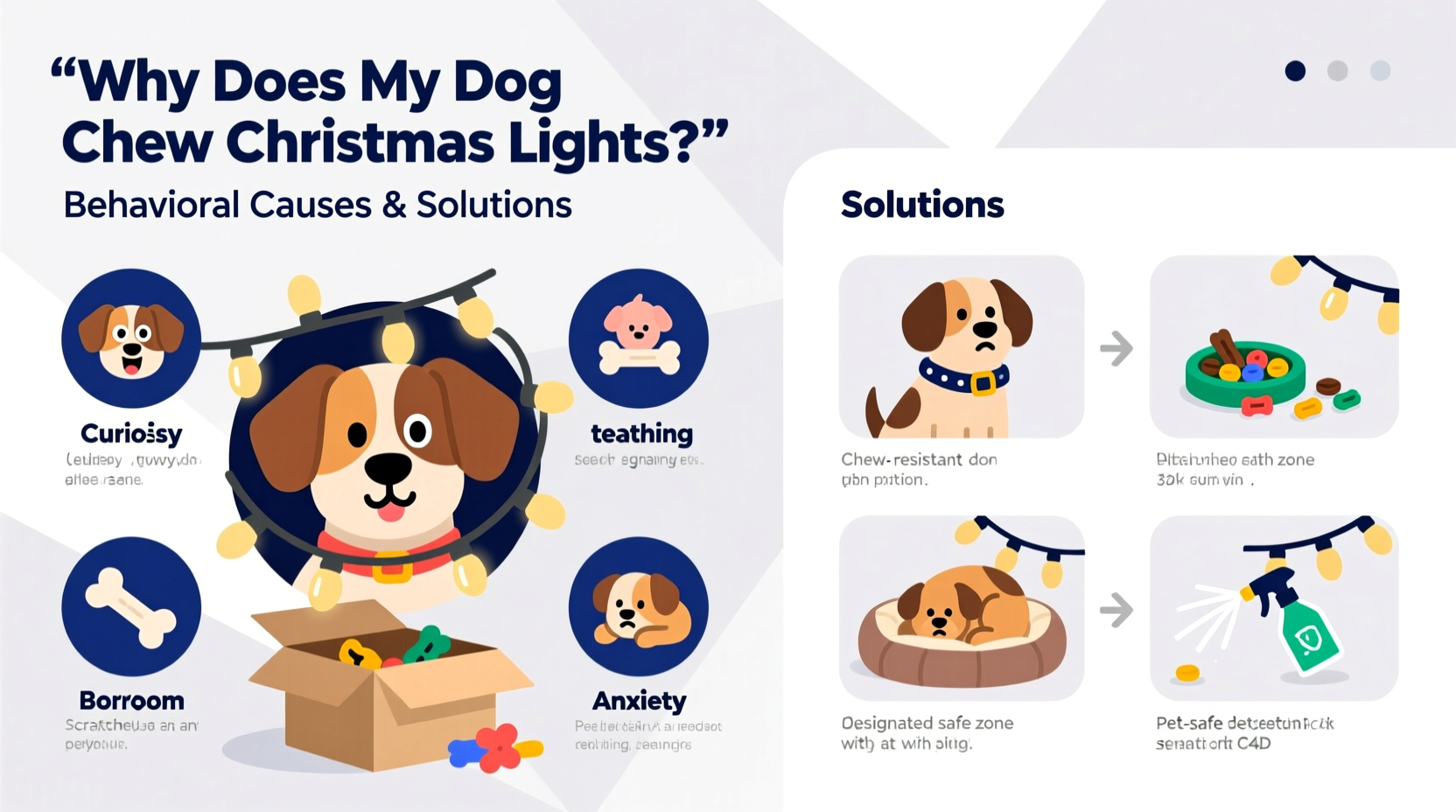
Chewing is a natural behavior in dogs. Puppies explore the world through their mouths, much like human infants. But even adult dogs continue to chew for various reasons: boredom, anxiety, hunger, or simply because they’ve learned it brings attention. When it comes to Christmas lights, several overlapping motivations can trigger the behavior.
First, the movement of blinking lights mimics prey-like motion. Dogs are instinctively drawn to flickering or flashing objects—this taps into their predatory drive. The soft hum or slight vibration from electrical cords can further stimulate curiosity. Second, the texture of wires resembles chew toys: pliable, rope-like, and satisfying to gnaw on. Finally, if a dog receives any form of reaction—positive or negative—when chewing cords, they may repeat the behavior to gain attention.
According to Dr. Karen Overall, a board-certified veterinary behaviorist, “Dogs don’t distinguish between a power cord and a tug toy unless we teach them to. Their brains are wired to respond to sensory input, and unsecured cords represent both a challenge and a reward.”
“Prevention isn’t just about protecting property—it’s about understanding canine cognition and modifying the environment before disaster strikes.” — Dr. Ian Dunbar, Veterinarian and Animal Behavior Expert
Common Behavioral Causes of Cord Chewing
To effectively address the issue, it's crucial to identify the underlying cause. Below are five primary behavioral drivers that lead dogs to chew Christmas lights:
- Curiosity and Exploration: Especially in puppies, anything new in the environment becomes an object of investigation. Strings of lights are novel, textured, and often dangle within reach.
- Boredom: Dogs left alone for long periods with no mental stimulation may resort to destructive chewing as a form of self-entertainment.
- Separation Anxiety: Stress-induced chewing is common when dogs feel anxious. The holiday season, with its schedule changes and guests, can heighten stress levels.
- Lack of Training: If a dog has never been taught what is and isn’t acceptable to chew, they will make decisions based on instinct and opportunity.
- Attention-Seeking: Some dogs learn that chewing forbidden items triggers a strong reaction from their owners, reinforcing the behavior.
Immediate Safety Measures: Protect Your Dog and Home
Safety must come first. Exposed electrical cords pose serious risks, including electrocution, internal burns, and house fires. Before addressing long-term behavioral modification, implement these immediate safeguards:
- Unplug when unsupervised: Never leave Christmas lights plugged in when you’re not present to monitor your dog.
- Elevate and secure cords: Use cord covers, conduit tubing, or adhesive clips to run wires along walls or ceilings, out of reach.
- Use bitter sprays: Apply pet-safe deterrent sprays (e.g., Grannick’s Bitter Apple) to cords. These create an unpleasant taste without harming the dog.
- Block access: Place furniture or baby gates around the tree to restrict access to the area.
- Choose safer lighting: Opt for battery-operated LED lights instead of plug-in versions where possible.
| Solution | Effectiveness | Cost | Best For |
|---|---|---|---|
| Bitter apple spray | Moderate | $ | Puppies, mild chewers |
| Cord concealers/tubes | High | $$ | All dogs, high-risk homes |
| Battery-powered lights | Very High | $$$ | Anxious or destructive dogs |
| Supervision only | Low | Free | Short durations only |
Long-Term Behavioral Solutions
While physical barriers reduce risk, lasting change requires behavioral training. The goal is to redirect your dog’s chewing instinct toward appropriate outlets and reinforce desired behaviors consistently.
1. Provide Appropriate Chew Alternatives
Dogs need to chew. Instead of suppressing the behavior, channel it positively. Offer durable, engaging chew toys such as rubber Kongs, nylon bones, or puzzle feeders stuffed with treats. Rotate toys every few days to maintain interest.
2. Train the “Leave It” Command
This command is critical for impulse control. Practice daily using low-value items first (e.g., a sock), then progress to higher temptations like unplugged cords.
- Hold a treat in a closed fist and show it to your dog.
- When they sniff or paw, say “leave it” calmly.
- Wait until they stop trying and look away.
- Immediately reward with a different treat from your other hand.
- Repeat until reliable, then practice with real-world objects.
Once mastered, use “leave it” near the Christmas tree or cords. Always follow with a reward when your dog complies.
3. Manage the Environment
Dogs thrive on routine and predictability. During the holidays, minimize disruptions to feeding, walking, and sleeping schedules. Create a quiet retreat space—like a crate or gated room—where your dog can relax away from holiday chaos.
4. Increase Mental and Physical Exercise
A tired dog is less likely to engage in destructive behavior. Increase daily walks, add training sessions, or introduce scent games. Even 15 minutes of focused activity can significantly reduce unwanted chewing.
Real-Life Example: How the Thompsons Saved Their Tree (and Their Dog)
The Thompson family adopted Max, a 9-month-old Labrador mix, just before the holidays. On Christmas Eve, they returned from dinner to find Max tangled in lights, whimpering. Fortunately, the lights were unplugged, but the close call prompted action.
They started by installing cord protectors and placing the tree in a corner blocked by a baby gate. They also began daily “leave it” training using treats and toys. Max was given three new chew toys each week on rotation, and his evening walk was extended by 20 minutes. Within two weeks, he stopped showing interest in the tree altogether.
By New Year’s, Max sat calmly nearby while the family opened presents—no chewing, no chaos. The key wasn’t punishment, but redirection and consistency.
Checklist: Preventing Christmas Light Chewing
Use this checklist to ensure your home and dog are prepared for a safe holiday season:
- ✅ Unplug lights when leaving the room or going to bed
- ✅ Cover all exposed cords with protective tubing
- ✅ Apply pet-safe bitter spray to base of tree and cords
- ✅ Place the tree in a gated or restricted area
- ✅ Provide at least two durable chew toys near the living area
- ✅ Practice “leave it” command daily for two weeks before decorating
- ✅ Increase daily exercise by 20–30 minutes during the holidays
- ✅ Monitor your dog closely during the first few days with decorations up
Frequently Asked Questions
Can chewing Christmas lights kill a dog?
Yes. If a dog chews through a live wire, they can suffer severe electric shock, leading to cardiac arrest, pulmonary edema, or internal burns. Even brief contact can be fatal, especially in small breeds.
Are LED lights safer than traditional bulbs?
LED lights generate less heat and use lower voltage, making them somewhat safer. However, the electrical current is still dangerous if the cord is bitten through. Battery-operated LEDs are the safest option for homes with chewers.
My dog only chews when I’m not home. Could this be separation anxiety?
Possibly. Destructive behavior that occurs only in your absence—especially if paired with pacing, whining, or house soiling—may indicate separation anxiety. Consult a certified dog trainer or veterinary behaviorist for a proper diagnosis and treatment plan.
Conclusion: A Safe, Joyful Holiday Is Possible
Your dog doesn’t chew Christmas lights out of malice—they do it because of instinct, curiosity, or unmet needs. With proactive management, consistent training, and environmental adjustments, you can prevent dangerous behavior while maintaining the festive spirit. Start early, stay consistent, and remember: every dog can learn what’s acceptable with time and patience.
The holidays should be a time of joy, not emergency vet visits. By understanding your dog’s behavior and taking practical steps, you create a safer, calmer environment for everyone—including your furry family member.




 浙公网安备
33010002000092号
浙公网安备
33010002000092号 浙B2-20120091-4
Comments
No comments yet. Why don't you start the discussion?